Introduction
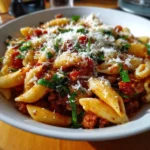
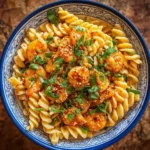
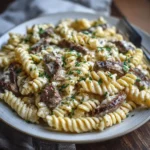
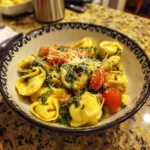
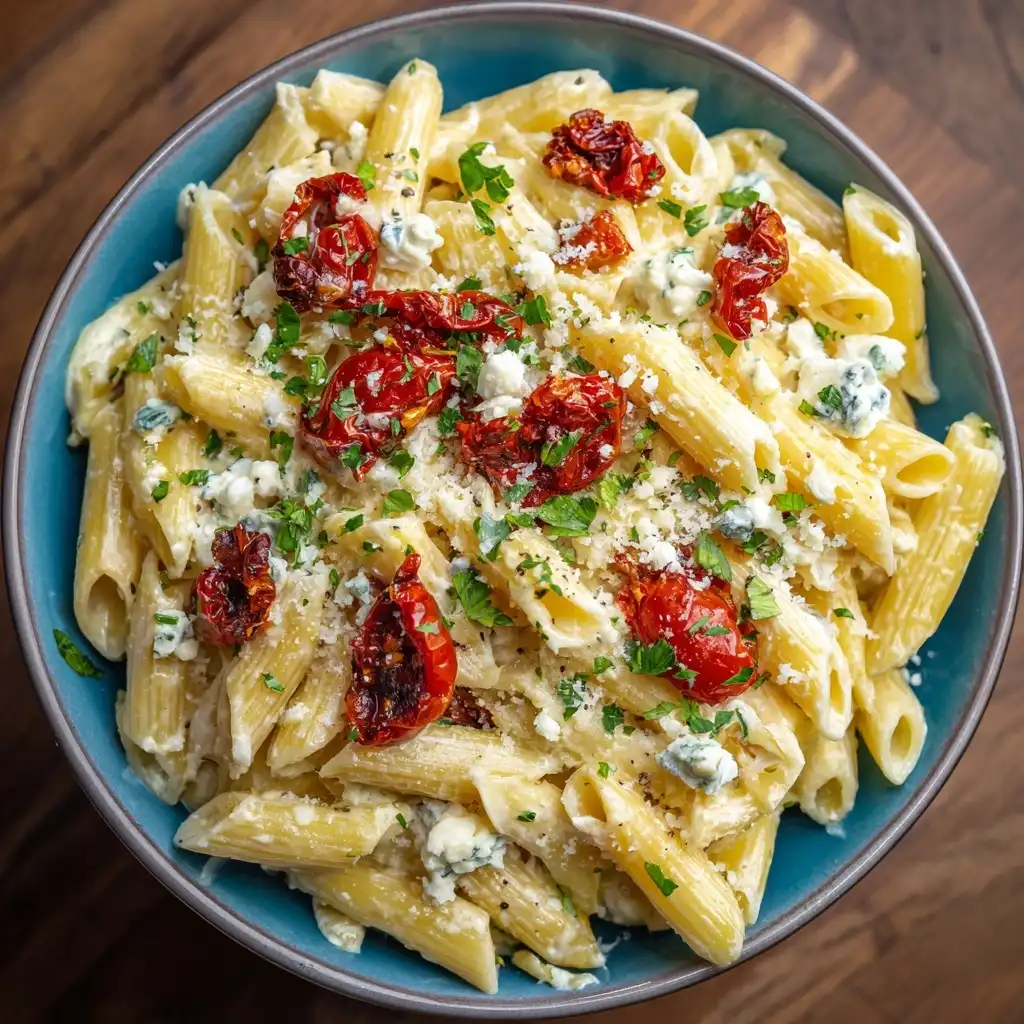
Boursin Cheese Pasta is a luxurious, restaurant-worthy dish that brings gourmet elegance to the comfort of your home kitchen. With its velvety, herb-infused Boursin cheese melting seamlessly into al dente pasta, this recipe delivers rich, creamy, and deeply aromatic flavors in under 20 minutes. Unlike traditional cream-based pastas that rely on heavy dairy or roux-thickened sauces, Boursin Cheese Pasta leverages the inherent creaminess, tang, and complexity of premium French-style soft cheese—making it both indulgent and surprisingly approachable. Whether you’re preparing an intimate weeknight dinner, impressing guests at a casual gathering, or seeking a sophisticated yet stress-free meal, this dish strikes the perfect balance between simplicity and sophistication. Its versatility allows for endless creativity—from seasonal vegetables to artisanal proteins—while staying true to its soul: luscious, garlicky, herb-kissed decadence.
The History
The story of Boursin Cheese Pasta begins not with a single chef’s epiphany, but with the evolution of two iconic culinary traditions converging across time and geography. Boursin cheese itself was invented in 1957 by François Boursin, a visionary French cheesemaker from Normandy, who sought to modernize the regional tradition of fromage frais. Inspired by the rustic charm of farmhouse cheeses and the growing post-war demand for convenient, flavorful products, Boursin pioneered the first mass-produced, herb- and garlic-enriched soft cheese—packaged in distinctive foil-wrapped cylinders. Its immediate success in France soon crossed borders, gaining cult status in North America and the UK during the 1970s and ’80s as a gourmet appetizer and party staple.
Meanwhile, pasta—especially quick-cook, creamy preparations—rose in popularity throughout the 20th century as global pantries diversified and home cooks embraced time-saving techniques without sacrificing flavor. The fusion of Boursin and pasta likely emerged organically in the late 1980s and early 1990s, championed by food magazines like Bon Appétit and television personalities such as Julia Child (who praised Boursin’s “unapologetic personality”) and later Food Network chefs who showcased its meltability and depth. By the 2000s, Boursin Cheese Pasta had become a beloved fixture in American home cooking blogs and Canadian supper club menus alike—celebrated for its “effortless elegance.” Today, it stands as a testament to how a thoughtfully crafted artisan cheese can transform humble pantry staples into something truly memorable—bridging French terroir, Italian technique, and modern convenience culture.
Ingredients Breakdown
Every exceptional Boursin Cheese Pasta starts with intentionality—not just in selection, but in understanding *why* each ingredient matters:
- Boursin Cheese (8 oz / 227 g): The undisputed star. Authentic Boursin (original Garlic & Fine Herbs is classic, but Cracked Black Pepper, Shallot & Chive, or Tomato & Basil offer nuanced alternatives) contains cultured cream, butter, garlic, parsley, chives, and a touch of white wine vinegar—all contributing acidity, umami, and herbal brightness. Its high-fat, low-moisture profile ensures smooth melting without graininess or oil separation.
- Pasta (12–16 oz / 340–455 g): Short, sturdy shapes with ridges or hollows—like fusilli, campanelle, casarecce, or even gemelli—trap the sauce more effectively than smooth spaghetti. High-quality bronze-die extruded pasta offers superior sauce adhesion thanks to its slightly rough texture.
- Pasta Water (1–1.5 cups reserved): Not mere starchy runoff—it’s liquid gold. Rich in gluten and amylose, this water acts as a natural emulsifier, binding fat and cheese into a silky, cohesive sauce while adding body and subtle salinity.
- Unsalted Butter (2 tbsp): Adds mouth-coating richness and deepens flavor. European-style butter (82–86% fat) yields superior texture and nutty aroma when lightly browned.
- Garlic (2–3 cloves, finely minced): Fresh garlic provides pungent backbone; sautéing it gently in butter (not frying) preserves sweetness and prevents bitterness. For layered depth, consider adding ¼ tsp garlic powder to the Boursin mixture.
- Dry White Wine (¼ cup optional but recommended): A splash of Sauvignon Blanc or Pinot Grigio adds bright acidity and lifts the cheese’s richness. The alcohol cooks off, leaving only aromatic complexity—never skip if serving with seafood or greens.
- Fresh Herbs (¼ cup chopped): Flat-leaf parsley, chives, dill, or basil add freshness, color, and aromatic contrast. Reserve half for garnish to preserve vibrancy.
- Lemon Zest (from ½ lemon) and Juice (1 tsp): Brightens the sauce, cuts through fat, and enhances herbal notes without adding sourness. Zest contains essential oils that amplify aroma exponentially.
- Grated Parmigiano-Reggiano or Pecorino Romano (¼ cup): Adds savory depth (umami), salt balance, and granular texture that complements Boursin’s creaminess. Use freshly grated—pre-grated versions contain anti-caking agents that hinder melting.
- Black Pepper (freshly cracked): Essential. Boursin’s original formulation includes white pepper, but freshly cracked black pepper adds floral heat and volatile oils that elevate every bite.
- High-Quality Extra-Virgin Olive Oil (1 tbsp, finishing): Drizzled at the end, it contributes fruitiness, polyphenol complexity, and a glossy sheen—especially impactful when using a peppery, early-harvest oil.
Step-by-Step Recipe
Follow this meticulous, chef-tested method for guaranteed silkiness, balanced seasoning, and zero graininess:
- Prepare Your Station: Fill a large Dutch oven or heavy-bottomed pot with 5–6 quarts of cold water. Add 2 tablespoons of kosher salt (this seasons the pasta from within). Meanwhile, bring a small saucepan of water to a gentle simmer for a bain-marie setup (optional but ideal for delicate melting).
- Toast the Aromatics: In a wide, deep skillet or sauté pan over medium-low heat, melt the butter. Add minced garlic and a pinch of red pepper flakes (optional). Sauté for 60–90 seconds—just until fragrant and translucent, stirring constantly. Do *not* let garlic brown. Remove from heat immediately to prevent scorching.
- Infuse the Wine (if using): Return pan to low heat. Pour in the white wine, scraping up any fond. Simmer gently for 2–3 minutes until reduced by half and aromatic. Remove from heat again and let cool slightly (critical—hot liquid will curdle Boursin).
- Cook the Pasta Al Dente: Bring salted water to a vigorous rolling boil. Add pasta and stir immediately. Cook 1–2 minutes *less* than package instructions indicate (e.g., if box says 11 minutes, cook 9–10). Stir occasionally to prevent sticking. Begin tasting at the earliest suggested time—pasta should offer slight resistance in the center (“al dente”), as it will continue cooking in the sauce.
- Reserve Pasta Water: Before draining, carefully ladle out 1½ cups of starchy cooking water. Set aside—do not let it cool completely; warmth helps emulsification.
- Drain—But Don’t Rinse: Drain pasta in a colander. Never rinse—this washes away vital surface starch needed for sauce adhesion.
- Melt Boursin Gently: Return the skillet with garlic-butter-wine mixture to low heat. Reduce to the lowest possible setting—or better yet, place over a double boiler (small skillet nested inside the simmering water pan). Unwrap Boursin and break into 1-inch chunks. Add to warm (not hot) base. Stir constantly with a heatproof silicone spatula in slow figure-eights for 2–3 minutes until fully melted and glossy. If using a double boiler, stir until smooth and fluid—no lumps, no separation.
- Emulsify with Pasta Water: Gradually whisk in ½ cup reserved pasta water, stirring vigorously for 30 seconds until sauce thickens and becomes velvety. Add another ¼ cup, continuing to whisk until unified and creamy. Adjust consistency: too thick? Add more water, 1 tbsp at a time. Too thin? Let simmer gently 30 seconds longer—the starch will activate.
- Combine Pasta & Sauce: Add drained pasta directly to the skillet. Toss thoroughly with tongs for 60–90 seconds over low heat, allowing pasta to absorb sauce and finish cooking. The residual heat and starch will create a cohesive, clingy coating.
- Finish with Flavor Layers: Remove from heat. Immediately fold in grated cheese, lemon zest, lemon juice, most of the fresh herbs, and generous black pepper. Taste—and adjust: need brightness? More lemon. Need salt? A tiny pinch of flaky sea salt (Boursin is already salty). Need richness? A final knob of cold butter (1 tsp) swirled in off-heat.
- Serve Immediately: Transfer to warmed shallow bowls. Garnish with remaining herbs, extra cheese, lemon zest, cracked pepper, and a drizzle of olive oil. Serve with crusty bread for scooping every last drop.
Tips
- Temperature Is Everything: Boursin curdles above 140°F (60°C). Always melt it off direct heat or over a double boiler. Never add cold Boursin to a piping-hot pan—let base cool 2–3 minutes first.
- Starch Is Your Secret Weapon: That starchy water isn’t optional—it’s the glue holding fat, protein, and starch together. Under-reserving = broken sauce. Over-reserving = wasted effort. Measure accurately.
- Undercook, Then Finish: Pasta continues absorbing liquid and cooking in the hot sauce. Err on the side of too-firm rather than mushy—it’s impossible to fix overcooked pasta, but easy to nudge underdone to perfection.
- Prevent Clumping: After draining, toss pasta with 1 tsp olive oil *only if* you must hold it >2 minutes before saucing. Otherwise, skip oil—it creates a barrier that repels sauce.
- Room-Temp Boursin Melts Better: Let cheese sit at room temperature for 15 minutes before unwrapping. Cold cheese resists melting and may seize.
- Use a Wide Pan: A large surface area ensures even coating and prevents steaming instead of tossing. A cramped pan leads to clumped, unevenly sauced pasta.
- Taste the Sauce Base First: Before adding pasta, dip a spoon in the Boursin mixture. It should taste balanced—savory, bright, and rich—not one-note. Adjust now, not after combining.
- No Microwave Melting: Microwaves heat unevenly and cause rapid fat separation. Patience over power yields superior texture.
- Resting Ruins It: This dish is best served within 2 minutes of finishing. As it cools, the sauce tightens and loses its airy lightness. Have everything plated and ready.
- Acid Last, Always: Lemon juice and zest added at the end preserve volatile citrus oils and prevent dulling of fresh herbs. Adding them early causes oxidation and muted flavor.
Variations and Customizations
This recipe is a canvas—here’s how to reimagine it for every season, dietary preference, and pantry whim:
Protein-Powered Versions
- Shrimp & Herb: Sauté 12 oz peeled, deveined shrimp in garlic butter until pink (2–3 min/side). Remove, then make sauce. Fold shrimp back in at the end with lemon zest and dill.
- Chicken Marsala: Pan-sear 2 boneless chicken breasts, slice, and set aside. Deglaze pan with ½ cup Marsala wine + 1 tbsp shallots. Reduce, then proceed with Boursin sauce—stir in chicken at the end.
- Smoked Salmon & Dill: Fold in 4 oz flaked cold-smoked salmon and 2 tbsp capers with fresh dill at the finish. Garnish with microgreens.
- Plant-Based “Sausage”: Sauté crumbled seasoned tempeh or lentil-walnut “sausage” with fennel seed and red pepper flakes. Stir in at the end with nutritional yeast for umami boost.
Veggie-Centric Twists
- Roasted Vegetable Medley: Toss 2 cups mixed veggies (zucchini, cherry tomatoes, bell peppers, red onion) in olive oil, salt, and thyme. Roast at 425°F for 20–25 minutes until caramelized. Fold in at the end.
- Spring Pea & Mint: Blanch 1½ cups fresh or frozen peas; stir in with 2 tbsp chopped mint and lemon zest. Finish with crumbled feta for contrast.
- Wild Mushroom & Thyme: Sauté 8 oz mixed wild mushrooms (oyster, shiitake, cremini) in butter and thyme until deeply golden. Deglaze with 1 tbsp dry sherry before adding Boursin.
- Spicy Roasted Cauliflower: Roast cauliflower florets tossed in harissa and olive oil until charred. Fold in with cilantro and a squeeze of lime.
Flavor Profile Reinventions
- Truffle Elegance: Replace 2 tbsp Boursin with black truffle paste. Finish with shaved white truffle (or high-quality truffle oil) and toasted pine nuts.
- Southwest Chipotle: Swap original Boursin for Cracked Black Pepper variety. Stir in 1 tsp chipotle purée, ¼ cup roasted corn, and crumbled cotija. Garnish with avocado and cilantro.
- Mediterranean Sun-Dried Tomato: Add ⅓ cup chopped oil-packed sun-dried tomatoes (drained) and 2 tbsp chopped kalamata olives with the herbs.
- Asian-Inspired Miso-Ginger: Whisk 1 tbsp white miso + 1 tsp grated ginger into the warm garlic-butter base before adding Boursin. Finish with scallions and sesame seeds.
Dietary Adaptations
- Gluten-Free: Use certified GF pasta (brown rice, lentil, or chickpea blends work best). Ensure Boursin is GF—most varieties are, but verify labels (some flavored versions contain malt vinegar).
- Dairy-Free: Substitute with high-fat, cultured cashew “Boursin” (blend soaked cashews, nutritional yeast, garlic, herbs, lemon, and coconut cream). Use vegan butter and omit cheese—rely on miso or tamari for umami.
- Lower-Fat: Use light Boursin (though texture suffers) or blend 4 oz full-fat Boursin with 4 oz low-fat ricotta + 1 tbsp lemon juice. Increase veggie volume for satiety.
- Keto/Low-Carb: Swap pasta for spiralized zucchini (“zoodles”), blanched shirataki noodles, or roasted spaghetti squash. Boost fat with extra olive oil and avocado garnish.
Health Considerations and Nutritional Value
A single 1.5-cup serving (made with 12 oz pasta, 8 oz Boursin, 2 tbsp butter, and standard additions) delivers approximately:
- Calories: ~680–750 kcal
- Total Fat: 38–42 g (24–28 g saturated)
- Carbohydrates: 62–68 g (2–3 g fiber, 1–2 g sugars)
- Protein: 22–26 g
- Sodium: 820–980 mg (varies by Boursin flavor and added salt)
- Calcium: ~220 mg (22% DV)
- Vitamin A: ~620 mcg RAE (69% DV)
- Vitamin B12: ~1.4 mcg (58% DV)
Nutritional Highlights & Considerations:
- Pros: High-quality protein supports muscle maintenance; calcium and vitamin K2 (in fermented dairy) aid bone health; garlic and herbs deliver antioxidant polyphenols (allicin, apigenin); monounsaturated fats from olive oil support cardiovascular function.
- Considerations: Naturally high in saturated fat and sodium—moderation is key, especially for those managing hypertension or cholesterol. Opt for reduced-sodium Boursin if available, and limit added table salt.
- Smart Swaps for Balance: Bulk up servings with non-starchy vegetables (spinach, broccoli, asparagus) to increase fiber, micronutrients, and volume without significant calorie impact. Pair with a side salad dressed in lemon-tahini for added phytonutrients and healthy fats.
- Who Should Exercise Caution? Individuals with lactose intolerance may tolerate Boursin well (fermentation reduces lactose to <0.5g per serving), but those with casein sensitivity or severe dairy allergy must avoid entirely. Always check labels for allergen statements.
- Not Just “Junk Food”: When made mindfully—with whole-food ingredients, minimal processing, and vegetable integration—this dish fits within a balanced, Mediterranean-style diet focused on pleasure, quality, and nourishment—not restriction.
Ingredients
- 12–16 oz (340–455 g) high-quality short pasta (fusilli, campanelle, or casarecce recommended)
- 8 oz (227 g) authentic Boursin cheese (Garlic & Fine Herbs, Cracked Black Pepper, or Shallot & Chive)
- 2 tbsp unsalted European-style butter
- 2–3 cloves garlic, finely minced
- ¼ cup dry white wine (Sauvignon Blanc or Pinot Grigio; optional but highly recommended)
- 1½ cups reserved starchy pasta water (plus extra as needed)
- ¼ cup freshly grated Parmigiano-Reggiano or Pecorino Romano
- Zest and juice of ½ lemon (about 1 tsp juice)
- ¼ cup fresh flat-leaf parsley, finely chopped (plus extra for garnish)
- 2 tbsp fresh chives, snipped (plus extra for garnish)
- Freshly cracked black pepper (to taste—be generous)
- Flaky sea salt (only if needed for seasoning—taste first!)
- 1 tbsp high-quality extra-virgin olive oil (for finishing)
Directions
- Bring 5–6 quarts of water to a rolling boil in a large Dutch oven. Add 2 tbsp kosher salt.
- In a wide, deep skillet over medium-low heat, melt butter. Add garlic and sauté 60–90 seconds until fragrant—do not brown. Remove from heat.
- If using wine, return skillet to low heat. Add wine, scrape fond, and simmer 2–3 minutes until reduced by half. Remove from heat and let cool 2 minutes.
- Add pasta to boiling water. Cook 1–2 minutes less than package directions for al dente texture. Stir occasionally.
- Reserve 1½ cups starchy pasta water just before draining.
- Drain pasta in a colander—do not rinse.
- Return skillet to lowest heat—or set up a double boiler. Add Boursin in chunks. Stir constantly with a silicone spatula until fully melted and glossy (2–3 minutes). If using double boiler, maintain gentle simmer below.
- Whisk in ½ cup reserved pasta water. Continue whisking until thickened and emulsified. Add more water, ¼ cup at a time, until desired creamy consistency is reached.
- Add drained pasta to skillet. Toss continuously with tongs over low heat for 60–90 seconds until pasta is evenly coated and sauce clings.
- Remove from heat. Fold in grated cheese, lemon zest, lemon juice, ¾ of the parsley and chives, and abundant black pepper.
- Taste and adjust: add flaky salt only if needed; more lemon for brightness; more pepper for heat.
- Divide into warmed bowls. Garnish with remaining herbs, extra cheese, lemon zest, cracked pepper, and a drizzle of olive oil.
- Serve immediately—within 90 seconds—for optimal texture and temperature.
FAQ
- Can I use other soft cheeses instead of Boursin?
- While tempting, substitutes rarely replicate Boursin’s precise balance. Cream cheese lacks tang and herbs; goat cheese is too acidic and crumbly; feta is overly salty and dry. Closest alternatives: high-quality herb-and-garlic infused cream cheese blends (check for real herbs, no artificial flavors) or homemade versions using fromage blanc, garlic, and fresh herbs—but expect textural differences.
- Why does my sauce sometimes look greasy or grainy?
- Greasiness = overheating the Boursin (causing fat separation). Graininess = adding cold cheese to hot base or insufficient emulsification. Always melt off-heat or via double boiler, and whisk pasta water in gradually while stirring constantly.
- Can I make this ahead of time?
- It’s best served fresh, but you can prep components: cook pasta, chill, and reheat in salted water for 30 seconds before saucing. Make sauce base (garlic butter + wine) up to 1 day ahead; store covered in fridge. Warm gently before adding Boursin. Never refrigerate fully assembled pasta—it turns gummy.
- Is Boursin pasteurized and safe during pregnancy?
- Yes—U.S. and EU Boursin is made from pasteurized milk and cream, making it safe for pregnant individuals when consumed fresh and properly stored. Always check packaging for “pasteurized” label and consume before “best by” date.
- How do I store leftovers—and how long do they last?
- Store cooled pasta in an airtight container for up to 3 days. Reheat gently in a skillet over low heat with a splash of milk or pasta water—stovetop preserves texture better than microwave. Avoid freezing; dairy-based sauces separate upon thawing.
- What wine pairs best with Boursin Cheese Pasta?
- Choose high-acid, low-oak whites: Albariño (bright citrus, saline), Vermentino (herbal, almond), or unoaked Chardonnay. For red lovers, go light-bodied and chilled: Gamay (Beaujolais) or Schiava—avoid tannic or oaky reds that clash with garlic and cream.
- Can I freeze Boursin cheese?
- Technically yes—but not recommended. Freezing alters texture (grainy, crumbly) and diminishes aromatic compounds. Purchase only what you’ll use within 2 weeks of opening, and keep tightly wrapped in parchment + foil in the coldest part of your fridge.
- My Boursin is expired—can I still use it?
- “Best by” dates indicate peak quality—not safety. If unopened and refrigerated, Boursin often lasts 1–2 weeks beyond. Once opened, consume within 7 days. Discard if mold appears (not just surface bloom), smells ammoniated, or tastes sharp/sour.
- Why does my pasta stick together after tossing?
- Too much residual water or insufficient tossing time. Ensure pasta is well-drained (shake colander vigorously), and toss vigorously for full 90 seconds over low heat—this evaporates excess moisture and activates starch binding.
- Can I make this vegan?
- Absolutely—with thoughtful swaps: use cultured cashew “Boursin” (soaked cashews + lemon