Introduction
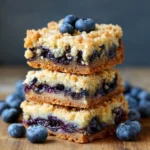
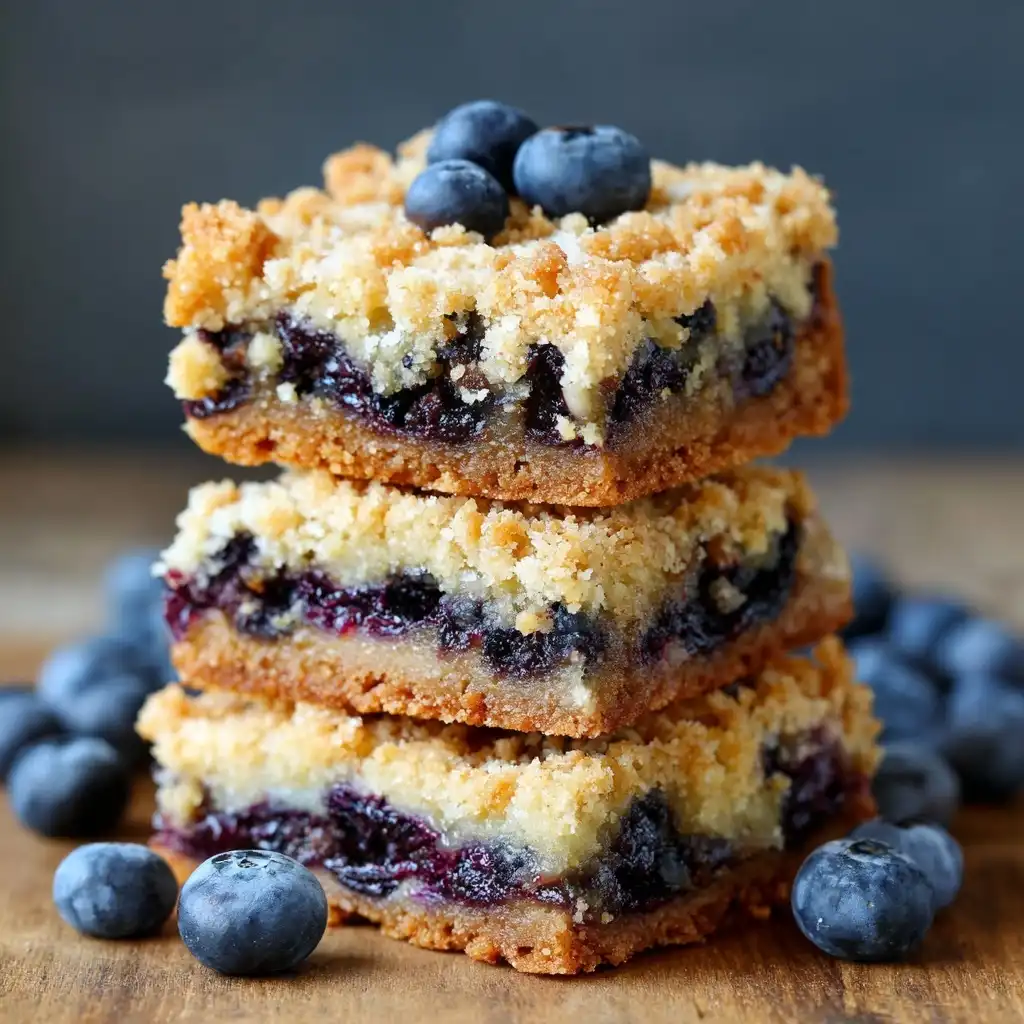
Blueberry Blondie Bars are a luscious, buttery fusion of classic blondie richness and the vibrant, tangy-sweet burst of fresh or frozen blueberries. Unlike traditional brownies—which rely on cocoa for depth—blondies celebrate the deep, caramelized warmth of brown sugar and vanilla, creating a dense, chewy, golden-brown base that serves as the perfect canvas for juicy blueberries. These bars strike an irresistible balance: tender yet substantial, sweet but not cloying, with pockets of jammy, slightly tart fruit that burst with every bite. Whether served warm with a scoop of vanilla bean ice cream, packed into lunchboxes, or enjoyed with morning coffee, Blueberry Blondie Bars offer nostalgic comfort with a bright, seasonal twist. They’re approachable enough for beginner bakers yet sophisticated enough to impress at potlucks, bake sales, or weekend brunches—and their versatility makes them a year-round favorite, whether using peak-season local berries or high-quality frozen ones.
The History
The origins of the blondie trace back to the late 19th century in the United States, emerging shortly after the invention of the chocolate brownie—often cited as first appearing in the 1896 edition of Fannie Farmer’s Boston Cooking-School Cook Book. As bakers experimented with the brownie formula, they soon discovered that omitting cocoa powder (and sometimes adding nuts or dried fruit) yielded a lighter-hued, but equally decadent, confection—hence the affectionate nickname “blondie.” Early versions were sometimes called “brownie’s fair-haired cousin” or “butterscotch bars,” reflecting their reliance on brown sugar and butter for signature chew and molasses-infused flavor. While blueberries weren’t part of the earliest iterations, the fruit’s deep roots in North American culinary tradition—especially in New England and the Pacific Northwest—made it a natural evolution. Native Americans had long used wild blueberries for food and medicine, and commercial cultivation began in earnest in the early 1900s thanks to the pioneering work of Elizabeth White and Dr. Frederick Coville. By the mid-20th century, home economists and community cookbooks began featuring fruit-studded blondies, with blueberries rising to prominence for their reliable availability, gentle acidity, and ability to hold shape without turning the batter watery—especially when tossed in flour before folding in. Today, Blueberry Blondie Bars represent a joyful convergence of heritage baking techniques, regional agricultural abundance, and modern flavor sensibility—honoring tradition while embracing freshness, texture, and balance.
Ingredients Breakdown
Every exceptional Blueberry Blondie Bar begins with intentionality—not just in measurement, but in ingredient selection and function. Below is a detailed, chef-level analysis of each component:
- Unsalted Butter (1 cup / 2 sticks / 227g): Provides richness, moisture, and flakiness in the crumb. Using unsalted butter allows precise control over sodium levels and ensures freshness—salted butter can vary widely in salt content and may contain preservatives that affect browning. Melted (not hot) butter integrates smoothly and encourages chewiness; clarified butter may be substituted for enhanced nuttiness, though it reduces milk solids critical for browning and structure.
- Packed Light Brown Sugar (1 ½ cups / 300g): The backbone of blondie texture and flavor. Its molasses content contributes acidity, moisture retention, and complex caramel notes. Packed firmly ensures consistency—loose packing leads to dry, cakey bars. Dark brown sugar may be used for deeper molasses intensity, but light brown offers optimal balance with blueberries’ natural tartness.
- Granulated Sugar (¼ cup / 50g): Adds structural integrity and promotes crisp edges. While brown sugar dominates for chew, granulated sugar aids in slight aeration during mixing and contributes to surface sheen and fine crumb stability.
- Large Eggs (2, room temperature): Act as emulsifiers, binders, and leavening agents. Room temperature eggs incorporate more evenly into the warm batter, preventing seizing or premature coagulation. The yolks enrich mouthfeel; whites provide subtle lift without making bars cakey.
- Pure Vanilla Extract (2 tsp): Non-negotiable for aromatic depth. Imitation vanilla lacks the nuanced phenolic compounds that harmonize with brown sugar and blueberry esters. For elevated flavor, consider stirring in ½ tsp of vanilla bean paste or scraping one whole Madagascar bean into the sugar before creaming.
- All-Purpose Flour (1 ½ cups / 180g): Provides gluten structure—just enough for chew without toughness. Measured by weight for accuracy; spoon-and-level method is essential if measuring by volume. Overmixing after flour addition develops excess gluten, leading to rubbery bars. Pastry flour (lower protein) yields ultra-tender results; bread flour is strongly discouraged.
- Coarse Sea Salt (1 tsp, plus flaky finishing salt): Enhances sweetness perception and balances acidity. Fine table salt dissolves too quickly and can create uneven seasoning; coarse sea salt disperses more evenly and adds subtle textural contrast. A light sprinkle of Maldon or fleur de sel atop bars before baking intensifies savory-sweet complexity.
- Baking Powder (½ tsp): Used sparingly—not for rise, but for gentle lift and improved crumb tenderness. Too much causes tunneling or bitter aftertaste; omitting it entirely risks overly dense bars. Aluminum-free brands are preferred for clean flavor.
- Fresh or Frozen Blueberries (1 ½ cups / ~190g): The star fruit. Fresh berries should be plump, deeply colored, and dry—rinsed only if dusty, then thoroughly patted dry to prevent batter dilution. Frozen berries (unthawed) work exceptionally well—they release less liquid initially and freeze-dried options offer intense flavor concentration (use ¾ cup rehydrated in 2 tbsp warm water, drained). Wild blueberries add concentrated tartness and smaller size for even distribution.
- All-Purpose Flour (2 tbsp, for tossing berries): A critical step often overlooked. Coating berries in flour creates a protective barrier that prevents sinking and minimizes bleeding—keeping the batter golden and the berries distinct. Wondra flour or rice flour may be substituted for ultra-light coating.
- Lemon Zest (from 1 medium lemon, ~1 tbsp): Brightens the entire profile without adding liquid. The citrus oils cut through richness and elevate blueberry’s floral notes. Avoid bottled zest—it lacks volatile aromatics and often contains preservatives.
- Lemon Juice (1 tsp, freshly squeezed): A tiny amount enhances berry brightness and balances sweetness. Too much introduces unwanted moisture and curdles batter; never substitute vinegar or citric acid.
Optional but highly recommended enhancements include ½ cup toasted walnuts or pecans (adds crunch and earthy contrast), 2 tbsp crumbled goat cheese or mascarpone swirled in pre-bake (for creamy tang), or a 2-tablespoon streusel topping made from brown sugar, cold butter, and oats.
Step-by-Step Recipe
- Preheat & Prep (10 minutes): Position oven rack in center position. Preheat oven to 350°F (177°C). Grease a 9×13-inch metal baking pan *generously* with unsalted butter or line completely with parchment paper—overhanging two long sides for effortless lifting. Dust lightly with flour, tapping out excess. This prevents sticking and ensures clean, professional-looking bars.
- Melt Butter & Bloom Sugars (5 minutes): In a medium heavy-bottomed saucepan over low heat, melt butter completely. Once melted and foaming subsides, add both brown and granulated sugars. Whisk constantly for 2–3 minutes until mixture is warm (110–115°F), glossy, and fully dissolved—no graininess. Do not boil or simmer; overheating caramelizes sugar prematurely and causes bars to harden upon cooling. Remove from heat and let cool slightly (2 minutes) to avoid cooking eggs.
- Emulsify Wet Ingredients (4 minutes): Transfer warm sugar-butter mixture to a large heatproof bowl. Add eggs one at a time, whisking vigorously for 30 seconds after each addition until fully incorporated, thickened, and slightly pale. Whisk in vanilla extract, lemon zest, and lemon juice until fragrant. Batter should be smooth, cohesive, and ribbon-like when drizzled from whisk.
- Dry Ingredients & Fold (3 minutes): In a separate bowl, whisk together flour, baking powder, and coarse sea salt until fully homogenized. Sift once for guaranteed lump-free blending. Using a flexible silicone spatula, gently fold dry ingredients into wet mixture in two additions—stopping *immediately* when no dry streaks remain. Overmixing at this stage is the #1 cause of tough bars. Batter will be thick, glossy, and pourable—but not runny.
- Prepare & Fold in Blueberries (3 minutes): In a small bowl, combine blueberries and 2 tablespoons flour. Gently toss until each berry is evenly coated and no excess flour remains visible. Using the spatula, fold coated berries into batter in three additions, rotating the bowl between folds and using a gentle “cut-and-fold” motion—not stirring. Stop as soon as berries are distributed (some light streaking is ideal; over-folding bruises berries and bleeds color).
- Pan & Smooth (2 minutes): Pour batter into prepared pan. Use an offset spatula or the back of a spoon to spread evenly, pressing gently into corners. Smooth top with a lightly damp bench scraper or spatula for uniform thickness. Optional: Sprinkle top evenly with flaky sea salt and/or optional nuts.
- Bake with Precision (35–42 minutes): Place pan in center oven rack. Bake undisturbed for 25 minutes. Rotate pan front-to-back. Continue baking 10–17 minutes more—until edges are deeply golden and pull away slightly from pan, top is set with subtle cracks, and a toothpick inserted 1 inch from edge comes out with *moist crumbs* (not wet batter) and *no wet batter clinging* near center. The center should still look soft and slightly underbaked—that’s intentional for fudgy texture. Avoid overbaking: bars continue cooking from residual heat.
- Cool Completely & Set (2 hours minimum): Remove pan from oven. Place on a wire rack. Cool *undisturbed* for 1 hour—do not cut or lift. This allows starches to set and bars to firm without crumbling. After 1 hour, refrigerate uncovered for at least 1 additional hour (or up to overnight). Chilling solidifies butter and sets the crumb, yielding clean, sharp cuts and intensified flavor. For best texture, bring to cool room temperature before serving.
- Cut & Serve (5 minutes): Using parchment overhangs, lift entire slab from pan onto cutting board. Trim uneven edges for presentation (save scraps for snacking!). With a sharp, non-serrated knife wiped clean between cuts, slice into 12–16 even bars (2×3 or 2×4 grid). Wipe blade frequently for pristine edges.
Tips
- Room Temperature Is Non-Negotiable: Cold eggs or butter cause batter to seize, resulting in greasy separation or dense texture. Take eggs out 1 hour ahead; cut cold butter into cubes and let sit 15 minutes.
- Weigh Your Ingredients: Volume measurements for flour vary up to 25%—a single cup can range from 120g to 150g. A kitchen scale eliminates guesswork and guarantees reproducible results.
- Don’t Skip the Berry Toss: Uncoated blueberries sink to the bottom and bleed aggressively. Even a light flour dusting makes all the difference in visual appeal and texture integrity.
- Underbake Strategically: Pull bars from the oven when the center still jiggles slightly—like set Jell-O. Carryover cooking adds 5–8°F internally, transforming soft-set centers into perfectly chewy, moist layers.
- Chill Before Cutting—Always: Warm bars crumble, smear, and lose definition. Refrigeration firms up fats and hydrates starches, enabling surgical precision. Overnight chilling also improves flavor development.
- Rotate Your Pan Mid-Bake: Home ovens have hot spots. Rotating ensures even browning—especially critical for consistent edge-to-center texture.
- Use Metal Pans, Not Glass or Ceramic: Metal conducts heat rapidly and evenly, promoting crisp edges and controlled rise. Glass retains heat longer, increasing risk of overbaked edges and undercooked centers.
- Test Doneness Correctly: Insert toothpick near the edge—not center—for true read. Center will always appear softer. If toothpick has moist crumbs (not wet batter), it’s done. If batter clings, bake 2 more minutes and retest.
- Store Smart: Keep cooled bars airtight at room temperature up to 3 days, refrigerated up to 1 week, or frozen up to 3 months (wrap individually in parchment + foil). Thaw at room temperature 30 minutes before serving.
- Revive Stale Bars: Place in a 300°F oven for 4–5 minutes, or microwave individual bars 5–8 seconds with a damp paper towel draped over top to restore moisture and warmth.
Variations and Customizations
Blueberry Blondie Bars are a masterclass in adaptability—easily tailored to dietary needs, seasonal produce, global flavors, or creative whims. Here’s an expansive guide to inspired iterations:
- Gluten-Free Version: Substitute 1:1 gluten-free all-purpose flour blend (Bob’s Red Mill or King Arthur recommended) + ¼ tsp xanthan gum (if not included in blend). Add 1 extra tablespoon almond milk if batter seems overly thick. Ensure oats (if using streusel) are certified GF.
- Vegan Adaptation: Replace butter with refined coconut oil (same volume); eggs with 2 flax eggs (2 tbsp ground flaxseed + 6 tbsp water, rested 10 min); brown sugar with organic coconut sugar (note: darker, more assertive flavor). Add ¼ tsp apple cider vinegar to activate baking powder. Use frozen blueberries exclusively—they hold shape better than fresh in egg-free batters.
- Protein-Packed: Add ¼ cup unflavored whey or plant-based protein powder to dry ingredients. Compensate with 1 extra tbsp milk or yogurt to maintain moisture. Toasted pumpkin seeds or hemp hearts make excellent mix-ins.
- Lemon-Blueberry Swirl: Reserve ⅓ cup batter. Mix with 2 tbsp lemon curd and 1 tsp zest. Drop spoonfuls onto main batter and swirl gently with a knife—not overmixing—to create elegant marbling.
- Maple-Blueberry: Replace ¼ cup brown sugar with pure maple syrup (reduce other liquids by 1 tbsp). Add ½ tsp maple extract with vanilla. Top with candied maple-glazed pecans.
- Herbal Infusion: Steep 1 tsp fresh thyme or lavender buds in warm melted butter for 5 minutes, then strain before mixing. Complements blueberry’s floral notes beautifully.
- Spiced Chai-Bar: Add 1 tsp ground cinnamon, ¼ tsp cardamom, ⅛ tsp ginger, and a pinch of black pepper to dry ingredients. Stir in 2 tbsp crystallized ginger for chewy heat.
- Breakfast Blondies: Reduce sugar by ¼ cup, add ½ cup rolled oats, ¼ cup chopped dried cherries, and 2 tbsp chia seeds. Serve with Greek yogurt.
- Decadent Dessert Bar: Press ½ cup graham cracker crumbs into pan before batter. After baking, drizzle with white chocolate ganache (¼ cup white chocolate + 2 tbsp warm cream) and sprinkle with freeze-dried blueberries.
- Savory-Sweet Option: Fold in ¼ cup crumbled aged Gouda or sharp cheddar with berries. Finish with cracked black pepper and a honey-thyme glaze.
- Mini-Muffin Format: Fill lined muffin tins ¾ full. Bake at 350°F for 18–22 minutes. Yields 24–30 individual servings—ideal for parties or portion control.
- Sheet Cake Hybrid: Double the recipe and bake in a 10×15-inch jelly roll pan for 25–30 minutes. Frost with lemon-blueberry buttercream and garnish with fresh mint.
Health Considerations and Nutritional Value
While Blueberry Blondie Bars are inherently indulgent, mindful ingredient choices and portion awareness allow them to fit thoughtfully within balanced eating patterns. A standard 2×2-inch bar (based on 16 servings per 9×13 pan) provides approximately:
- Calories: 220–245 kcal
- Total Fat: 10–11g (6–7g saturated)
- Carbohydrates: 32–35g (24–26g sugars, naturally occurring + added)
- Fiber: 1–1.5g (increases to 2.5g+ with whole wheat flour or added oats/chia)
- Protein: 2–3g (boost to 4–5g with protein powder, nuts, or Greek yogurt substitution)
- Sodium: 140–170mg (controllable via salt reduction or low-sodium butter)
Nutritional Highlights:
- Antioxidant Powerhouse: Blueberries rank among the highest in ORAC (Oxygen Radical Absorbance Capacity) value, delivering anthocyanins, quercetin, and vitamin C—linked to reduced oxidative stress, improved cognitive function, and cardiovascular support.
- Brown Sugar Benefits: Contains trace minerals like calcium, potassium, and iron (though modest per serving), and its molasses content offers mild prebiotic fiber.
- Healthy Fats (When Enhanced): Substituting half the butter with avocado oil or walnut oil introduces monounsaturated fats and omega-3s. Toasted nuts add plant-based protein and vitamin E.
Considerations for Special Diets:
- Diabetes-Friendly Tweaks: Reduce total sugar by ⅓, use erythritol or allulose blends (1:1 replacement), increase cinnamon (natural insulin sensitizer), and pair with a protein-rich side (e.g., cottage cheese) to slow glucose response.
- Low-FODMAP Option: Use lactose-free butter, maple syrup (in moderation), and limit blueberries to ¼ cup per serving (Monash University certified low-FODMAP portion). Skip applesauce or honey.
- Allergen Notes: Naturally nut-free and soy-free (verify vanilla and chocolate toppings). Easily dairy-free with plant-based swaps. Always check labels on baking powder (some contain cornstarch or sodium aluminum sulfate).
- Pregnancy & Food Safety: Use pasteurized eggs or powdered egg whites if concerned about raw egg exposure. Wash fresh blueberries thoroughly to reduce pesticide residue (vinegar-water soak recommended).
Remember: Nutrition is contextual. Enjoying these bars mindfully—as part of a varied, whole-foods-based diet—supports both physical health and psychological well-being. Their homemade nature means zero artificial preservatives, colors, or hydrogenated oils—making them a far superior choice to commercially processed snacks.
Ingredients
- 1 cup (227g / 2 sticks) unsalted butter, cubed
- 1 ½ cups (300g) packed light brown sugar
- ¼ cup (50g) granulated sugar
- 2 large eggs, room temperature
- 2 teaspoons pure vanilla extract
- 1 tablespoon finely grated lemon zest (from 1 medium lemon)
- 1 teaspoon freshly squeezed lemon juice
- 1 ½ cups (180g) all-purpose flour, spooned and leveled
- 1 teaspoon coarse sea salt
- ½ teaspoon aluminum-free baking powder
- 1 ½ cups (190g) fresh or frozen blueberries, rinsed and patted dry (if fresh) or kept frozen (if frozen)
- 2 tablespoons all-purpose flour (for tossing berries)
- Flaky sea salt, for finishing (optional but recommended)
Directions
- Preheat oven to 350°F (177°C). Grease a 9×13-inch metal baking pan with butter, then line with parchment paper, leaving 2-inch overhangs on two opposite sides.
- In a medium saucepan over low heat, melt butter. Once fully melted and foaming subsides, stir in brown and granulated sugars. Whisk constantly for 2–3 minutes until mixture is warm (110–115°F), glossy, and sugar is fully dissolved. Remove from heat; cool 2 minutes.
- Transfer warm butter-sugar mixture to a large heatproof bowl. Whisk in eggs one at a time, 30 seconds each, until thickened and pale. Whisk in vanilla, lemon zest, and lemon juice until combined.
- In a separate bowl, whisk together flour, coarse sea salt, and baking powder. Sift into wet ingredients. Using a flexible spatula, fold gently until *just* combined—no dry streaks remain. Do not overmix.
- In a small bowl, toss blueberries with 2 tablespoons flour until evenly coated. Fold into batter in three additions, using a gentle cut-and-fold motion, until uniformly distributed but still showing streaks of batter.
- Pour batter into prepared pan. Spread evenly with an offset spatula. Smooth top. Sprinkle lightly with flaky sea salt.
- Bake 35–42 minutes—until edges are deeply golden and begin to pull from pan, top is set with fine cracks, and a toothpick inserted 1 inch from edge comes out with moist crumbs (not wet batter). Center will look soft—this is correct.
- Cool in pan on wire rack for 1 hour. Refrigerate uncovered for at least 1 more hour (or up to overnight).
- Using parchment overhangs, lift slab onto cutting board. Trim edges. Slice into 12–16 bars with a sharp knife, wiping blade clean between cuts.
- Store airtight at room temperature up to 3 days, refrigerated up to 1 week, or frozen up to 3 months.
FAQ
- Can I use frozen blueberries without thawing?
- Yes—and it’s actually preferred. Frozen berries hold their shape better, bleed less, and help keep the batter cool for optimal texture. Just ensure they’re dry-packed (no syrup) and do not rinse or thaw before tossing in flour.
- Why did my bars turn green or purple?
- This harmless color shift occurs when alkaline ingredients (like baking soda or excessive baking powder) react with blueberry anthocyanins. Using aluminum-free baking powder and avoiding soda resolves this. It does not affect taste or safety.
- My bars sank in the center. What went wrong?
- Common causes: opening oven too early (causes sudden temperature drop), underbaking (center collapses as it cools), or expired baking powder (fails to support structure). Always test doneness at the edge—not center—and avoid peeking before 25 minutes.
- Can I make these dairy-free?
- Absolutely. Replace butter with refined coconut oil (same volume) or vegan butter stick (Miyoko’s or Earth Balance). Ensure all other ingredients (vanilla, chocolate) are dairy-free certified.
- How do I prevent berries from sinking?
- Coating them in flour is essential—but also ensure your batter isn’t overly thin. If batter seems runny, chill it 15 minutes before folding in berries. Also, avoid overmixing after adding flour.
- Can I double the recipe?
- Yes—but bake in two separate 9×13 pans (not one larger pan). Doubling in a single pan changes heat dynamics, leading to uneven baking and dense centers.
- Are these bars suitable for mailing or gifting?
- Yes! Fully cooled, uncut bars wrapped tightly in parchment + foil stay fresh for 4–5 days at room temp. Include a silica gel packet to inhibit moisture. For longer shipping, freeze first, pack with insulated liner and gel packs.
- What’s the best way to reheat?
- For single bars: Microwave 5–8 seconds with a damp paper towel draped over top. For full pan: Warm in a 300°F oven for 5–7 minutes until just heated through.
- Can I add white chocolate chips?
- Yes—fold in ½ cup high-quality white chocolate chips (tempered or couverture) along with berries. For contrast, add 1 tsp orange zest to complement white chocolate’s sweetness.
- Why use coarse salt instead of table salt?
- Coarse salt dissolves slowly and distributes more evenly, preventing salty “hot spots.” Its larger crystals also provide gentle textural contrast and enhance perceived sweetness through flavor modulation.
Summary
Blueberry Blondie Bars are a masterful marriage of buttery, brown sugar–rich blondie base and the bright, juicy pop of seasonal blueberries—