Beef and Broccoli Stir Fry: A Flavorful Fusion of Tenderness and Crunch
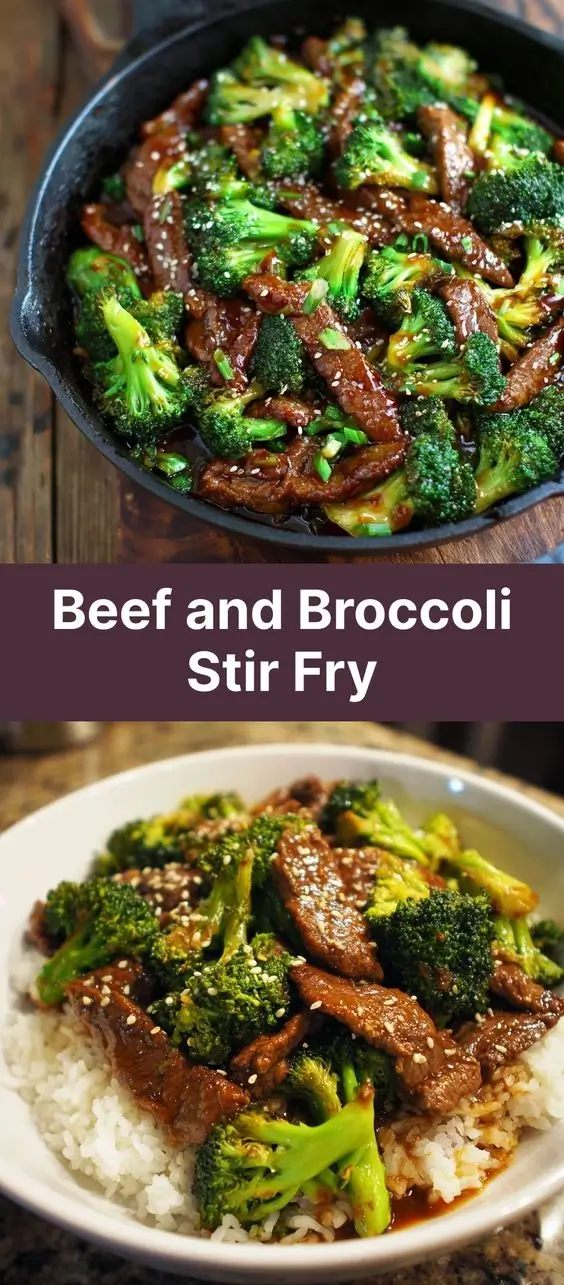
The Beef and Broccoli Stir Fry is one of the most beloved dishes in American-Chinese cuisine, celebrated for its harmonious blend of savory beef, crisp broccoli, and a rich umami-laden sauce. Found on nearly every Chinese takeout menu across North America, this dish has transcended cultural boundaries to become a household favorite. But beyond its popularity in restaurants, it’s a surprisingly simple recipe to master at home — yielding results that are fresher, healthier, and more customizable than any store-bought version.
The History of Beef and Broccoli Stir Fry
While stir-frying as a cooking technique dates back thousands of years in China, particularly during the Han Dynasty (206 BCE–220 CE), the specific combination of beef and broccoli as we know it today is a relatively modern invention. It emerged primarily in the United States during the 20th century as part of the evolution of Chinese-American cuisine.
Traditional Chinese cooking rarely featured large quantities of beef due to historical agricultural practices where cattle were valued more for labor than meat. Additionally, broccoli was not widely consumed in mainland China until the 20th century; instead, Chinese broccoli (gai lan) was more common. However, as Chinese immigrants settled in the U.S., they adapted their recipes to local ingredients and Western palates. Broccoli, being readily available and nutritionally popular, became a natural choice.
Beef and Broccoli Stir Fry gained traction in mid-century American-Chinese restaurants seeking to offer familiar yet exotic flavors. The dish combined tender slices of marinated beef with crisp-tender broccoli florets in a glossy, savory-sweet sauce — appealing to American tastes while retaining an “authentic” flair. Over time, it evolved into a staple comfort food, often served over steamed rice with minimal spice, making it accessible to all age groups.
Today, variations abound, from gluten-free adaptations to spicy renditions, but the core elements remain consistent: quick-cooked beef, fresh broccoli, and a deeply flavorful sauce bound by cornstarch for that signature sheen.
Ingredients Breakdown: What Makes This Dish Shine?
The magic of Beef and Broccoli Stir Fry lies not just in its taste, but in how each ingredient contributes to texture, flavor balance, and overall satisfaction. Let’s examine each component:
- Sirloin or Flank Steak: These cuts are lean, flavorful, and ideal for slicing thin. When properly sliced against the grain, they remain tender after high-heat cooking. While sirloin offers mild richness, flank steak provides deeper beefiness and better absorbs marinades.
- Broccoli Florets: Fresh broccoli brings vibrant color and a satisfying crunch. Blanching before stir-frying ensures even cooking without burning. Its slight bitterness balances the sweetness of the sauce.
- Soy Sauce: The backbone of the savory (umami) profile. Regular soy sauce adds saltiness and depth, while low-sodium versions allow better control over salt content. Some recipes use dark soy sauce for added color and molasses-like complexity.
- Oyster Sauce: A thick, slightly sweet condiment made from oyster extracts, sugar, and salt. It enhances the meaty richness of the dish and gives the sauce its glossy finish. Vegetarian alternatives are available using mushroom extracts.
- Sesame Oil: Used sparingly, toasted sesame oil imparts a nutty aroma that elevates the entire dish. It’s typically added at the end to preserve its volatile fragrance.
- Garlic and Ginger: Freshly minced garlic and grated ginger provide aromatic heat and pungency, forming the flavor base of the stir fry.
- Cornstarch: Essential for velveting the beef and thickening the sauce. Coating the meat in cornstarch helps lock in moisture and creates a silky texture.
- Rice Wine or Shaoxing Wine: Adds subtle sweetness and removes any gaminess from the beef. Dry sherry can be used as a substitute if unavailable.
- Beef Broth or Stock: Forms the liquid base of the sauce, enhancing meaty notes. Homemade stock intensifies flavor, but low-sodium store-bought works well too.
- Vegetable Oil: High smoke point oils like peanut, canola, or avocado oil are perfect for searing at high temperatures without burning.
- Sugar or Honey: Balances the saltiness of soy and oyster sauces. Brown sugar adds molasses depth, while honey introduces floral notes.
Optional additions include red bell peppers for color, sliced mushrooms for earthiness, onions for sweetness, or chili flakes for heat. Each tweak personalizes the dish while preserving its essence.
Step-by-Step Recipe: How to Make Perfect Beef and Broccoli Stir Fry at Home
Preparation Time:
20 minutes | Cooking Time: 15 minutes | Total Time: 35 minutes | Servings: 4
Ingredients
- 1.5 lbs (680g) flank steak or top sirloin, thinly sliced against the grain
- 4 cups broccoli florets (about 1 large head)
- 3 tablespoons soy sauce (low-sodium preferred)
- 2 tablespoons oyster sauce (vegetarian option available)
- 1 tablespoon rice wine (Shaoxing wine or dry sherry)
- 1 tablespoon brown sugar or honey
- 1 cup low-sodium beef broth
- 3 cloves garlic, minced
- 1 tablespoon fresh ginger, grated
- 3 tablespoons vegetable oil (divided)
- 1 teaspoon toasted sesame oil
- 2 tablespoons cornstarch
- 1/4 teaspoon black pepper
- 1/2 teaspoon baking soda (optional, for velveting)
- Salted water for blanching broccoli
- Green onions, sliced (for garnish)
- Sesame seeds (for garnish)
- Steamed jasmine or basmati rice (to serve)
Directions
- Marinate the Beef: In a large bowl, combine the sliced beef with 1 tablespoon soy sauce, 1 tablespoon rice wine, 1 teaspoon cornstarch, and optionally 1/4 teaspoon baking soda. Mix thoroughly, ensuring each piece is coated. Let rest for 15–20 minutes at room temperature. Baking soda helps tenderize the meat further, a technique known as “velveting.”
- Prepare the Sauce: In a separate mixing bowl, whisk together 2 tablespoons soy sauce, 2 tablespoons oyster sauce, 1 tablespoon brown sugar, 1 cup beef broth, and 1 tablespoon cornstarch. Stir until the cornstarch is fully dissolved and no lumps remain. Set aside.
- Blanch the Broccoli: Bring a pot of salted water to a boil. Add broccoli florets and cook for 90 seconds to 2 minutes until bright green and slightly tender but still crisp. Immediately transfer to an ice bath to stop cooking. Drain well and set aside. This step ensures even texture and vibrant color.
- Stir-Fry the Beef: Heat 2 tablespoons of vegetable oil in a wok or large skillet over high heat until shimmering. Add the marinated beef in a single layer, working in batches if necessary to avoid overcrowding. Sear for 1–2 minutes per side until browned but not fully cooked through. Remove and set aside.
- Aromatics Base: Reduce heat to medium-high. Add remaining 1 tablespoon of oil. Sauté garlic and ginger for 20–30 seconds until fragrant but not burnt.
- Combine and Simmer: Return the beef to the pan along with the blanched broccoli. Give the sauce mixture a quick stir (cornstarch settles), then pour it evenly over the ingredients. Stir constantly as the sauce heats and begins to thicken, about 1–2 minutes. The sauce should coat everything in a glossy, clingy layer.
- Finish with Sesame Oil: Remove from heat and drizzle in 1 teaspoon toasted sesame oil. Toss gently to incorporate. Taste and adjust seasoning — add a pinch more sugar for balance or a splash more soy sauce for saltiness if needed.
- Garnish and Serve: Transfer to a serving platter. Sprinkle with sliced green onions and sesame seeds. Serve immediately over hot steamed rice for a complete meal.
Tips for the Best Beef and Broccoli Stir Fry
- Slice Against the Grain: Always cut beef perpendicular to the muscle fibers. This shortens the fibers, making each bite more tender and easier to chew.
- Velveting the Meat: For restaurant-quality tenderness, marinate beef with egg white and cornstarch, or use a small amount of baking soda (no more than 1/4 tsp per pound). Rinse after 20 minutes if using baking soda to prevent off-flavors.
- High Heat is Key: Stir-frying requires intense heat to achieve proper sear without stewing the meat. Use the highest setting your stove allows and preheat the wok until smoking slightly.
- Don’t Overcrowd the Pan: Cooking in batches prevents steaming and ensures browning. Crowded pans lower the temperature rapidly, leading to soggy results.
- Prep Everything Ahead: Stir-fries move quickly. Have all ingredients chopped, measured, and within arm’s reach before heating the oil (“mise en place”).
- Blanching vs. Steaming Broccoli: While some skip blanching, doing so guarantees perfectly textured broccoli — never raw, never mushy. Alternatively, steam for 2–3 minutes if avoiding boiling.
- Thicker Sauce Control: If the sauce is too thin, mix 1 tsp cornstarch with 1 tbsp cold water and stir into the simmering liquid. For thinner sauce, add a splash of broth.
- Rest Before Serving: Allow the dish to sit for 1–2 minutes after cooking so flavors meld and excess steam escapes, preventing sogginess.
Variations and Customizations
One of the greatest strengths of Beef and Broccoli Stir Fry is its adaptability. Whether catering to dietary needs or simply experimenting with new tastes, here are some creative twists:
- Spicy Kick: Add 1–2 teaspoons of chili garlic sauce, sriracha, or crushed red pepper flakes to the sauce. You can also stir in sliced fresh Thai chilies during the aromatics stage.
- Mongolian Beef Style: Omit broccoli and double the sauce with extra sugar and soy sauce for a sweeter, bolder profile. Often includes rehydrated dried chilies and scallions.
- Vegetarian/Vegan Version: Replace beef with tofu, seitan, or tempeh. Use vegetarian oyster sauce (mushroom-based) and ensure all other ingredients are plant-based.
- Gluten-Free Option: Substitute tamari or coconut aminos for soy sauce, and verify oyster sauce is gluten-free (many contain wheat). Use arrowroot powder instead of cornstarch if desired.
- Keto/Low-Carb Adaptation: Reduce or omit sugar, use erythritol or monk fruit sweetener, and serve over cauliflower rice. Limit cornstarch to 1 teaspoon thickened with xanthan gum if needed.
- Add More Veggies: Incorporate sliced carrots, snap peas, baby corn, water chestnuts, mushrooms, or red bell peppers for added color, nutrients, and texture.
- Pineapple Twist: Add canned or fresh pineapple chunks for a sweet-tart contrast, creating a fusion-style Hawaiian-inspired dish.
- Noodle Bowl Version: Toss with cooked lo mein noodles, udon, or rice noodles instead of serving over rice.
- Slow Cooker Method: While not traditional, you can brown beef and sauté aromatics first, then transfer to a slow cooker with sauce and cook on low for 4–6 hours. Add blanched broccoli in the last 30 minutes.
- Instant Pot Shortcut: Use Sauté mode to brown meat and cook aromatics. Deglaze, add sauce, seal, and pressure cook for 5 minutes. Quick release, then stir in broccoli and thicken with cornstarch slurry.
Health Considerations and Nutritional Value
Beef and Broccoli Stir Fry can be a nutritious, balanced meal when prepared mindfully. Here’s a breakdown of its health aspects:
Nutritional Highlights (Per Serving, Approximate):
- Calories: 380–450 kcal (with rice)
- Protein: 30–35g — Excellent source of high-quality animal protein, supporting muscle repair and satiety.
- Fat: 12–18g — Mostly unsaturated fats from cooking oil; saturated fat depends on cut of beef.
- Carbohydrates: 35–45g — Primarily from rice and minor sugars in sauce; fiber from broccoli (~3g per serving).
- Sodium: 800–1200mg — Can be high due to soy and oyster sauces. Opt for low-sodium versions and reduce added salt.
- Vitamins & Minerals: Rich in vitamin C (broccoli), iron (beef), vitamin K, folate, potassium, and antioxidants like sulforaphane from broccoli.
Health Benefits:
- Broccoli Powerhouse: Contains compounds linked to reduced inflammation, cancer prevention, and liver detoxification. Sulforaphane, released when broccoli is chopped or chewed, is especially potent.
- Lean Protein Source: Beef provides essential amino acids, zinc, selenium, and bioavailable heme iron — crucial for energy and immune function.
- Low in Sugar (When Controlled): By minimizing added sweeteners, this dish can fit into diabetic or low-glycemic diets.
Considerations and Modifications:
- Sodium Reduction: Use low-sodium soy sauce, dilute oyster sauce with water, or make homemade sauce with less salt. Rinsing canned sauces isn’t recommended, but reading labels helps.
- Saturated Fat: Choose lean cuts like top round or eye of round. Trim visible fat. Grass-fed beef may offer better omega-3 to omega-6 ratios.
- Digestive Sensitivity: Some people react to monosodium glutamate (MSG) naturally present in fermented sauces. Using clean-label brands or making sauce from scratch avoids additives.
- Balanced Plate: Pair with brown rice or quinoa for added fiber. Increase vegetable ratio — aim for 2 parts veggies to 1 part meat.
- Portion Control: Restaurant servings often exceed 700+ calories with excessive oil and sodium. Homemade versions let you control portions and ingredients.
Frequently Asked Questions (FAQ)
Can I use frozen broccoli?
Yes, but thaw and drain completely to avoid excess moisture. Frozen broccoli may be softer, so reduce blanching time or skip it altogether. Fresh yields superior texture and flavor.
What cut of beef is best for stir fry?
Flank steak, sirloin, ribeye, or tenderloin work well. Look for tender, thinly sliced cuts. Avoid tough muscles like chuck unless slow-cooked.
Why is my beef tough?
Overcooking, slicing with the grain, or skipping the marinade/cornstarch step can lead to chewiness. Ensure high heat, quick cook time, and proper slicing.
Can I make it ahead of time?
Yes! Cook and store in an airtight container for up to 4 days. Reheat gently on the stove with a splash of water or broth to refresh the sauce. Broccoli may soften over time.
Can I freeze Beef and Broccoli Stir Fry?
Freezing is possible but not ideal — broccoli becomes mushy upon thawing. Freeze sauce separately and prepare fresh components when ready.
Is this dish authentic Chinese?
It reflects Chinese-American culinary innovation rather than traditional regional Chinese cooking. In China, similar dishes might use different greens or preparation methods.
How do I thicken the sauce without cornstarch?
Arrowroot, tapioca starch, or potato starch work as substitutes. Reduce the sauce longer, though this risks overcooking the beef.
Can I use chicken or pork instead?
Absolutely! Chicken breast or thigh makes “Chicken and Broccoli.” Pork loin works too. Adjust cooking times accordingly.
Why add baking soda to the beef?
It alkalizes the surface, preventing proteins from bonding too tightly, resulting in more tender meat. Use sparingly and don’t over-marinate.
What rice pairs best?
Jasmine, basmati, or short-grain white rice are classic choices. For health benefits, try brown rice, wild rice, or cauliflower rice.
Summary
Beef and Broccoli Stir Fry is a delicious, versatile, and satisfying dish that combines tender marinated beef, crisp broccoli, and a savory-sweet umami-rich sauce — all ready in under 40 minutes. Easy to customize for dietary preferences and packed with protein and nutrients, it’s a weeknight dinner hero that outshines takeout every time.