Basil Pesto Shrimp Pasta: A Flavorful Fusion of Freshness and Elegance
Introduction
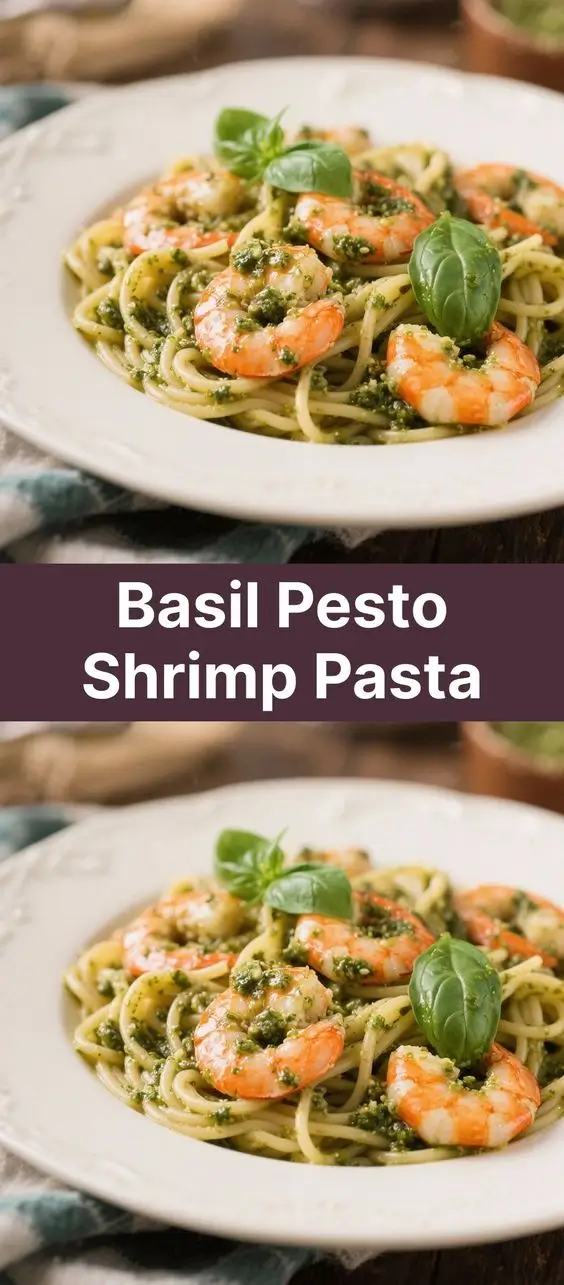
Basil pesto shrimp pasta is a culinary masterpiece that marries the rich, herbal aroma of fresh basil pesto with the delicate sweetness of succulent shrimp. This dish, often associated with Italian-American cuisine, has become a staple in home kitchens and fine dining restaurants alike due to its simplicity, elegance, and bold flavor profile. Whether you’re preparing a quick weeknight dinner or hosting an intimate gathering, this recipe delivers restaurant-quality results with minimal effort.
The beauty of basil pesto shrimp pasta lies in its balance—creamy yet light, savory yet bright, indulgent yet nutritious. The vibrant green pesto clings perfectly to al dente pasta, while tender shrimp add a luxurious protein element that elevates the entire dish. With just a few high-quality ingredients and some careful technique, you can create a meal that feels both comforting and sophisticated.
The History
The origins of pesto trace back to Genoa, a port city in the Liguria region of northern Italy. Traditional pasta al pesto was first documented in the late 19th century, though variations likely existed much earlier. The word “pesto” comes from the Italian verb pestare, meaning “to crush or pound,” which refers to the original method of making the sauce using a mortar and pestle. The classic Genovese pesto consists of fresh basil, pine nuts, garlic, coarse salt, Parmigiano-Reggiano, and extra virgin olive oil.
Shrimp, on the other hand, have long been prized in coastal Mediterranean cuisines for their delicate texture and sweet flavor. While traditional Italian pesto pasta rarely included seafood, modern interpretations—especially in American and fusion cooking—have embraced the addition of proteins like grilled chicken, salmon, and shrimp to make the dish more substantial.
Basil pesto shrimp pasta as we know it today emerged in the late 20th century, particularly in California and New York, where chefs began experimenting with global flavors and lighter, fresher ingredients. It gained popularity during the 1990s and 2000s as part of the broader trend toward healthy, ingredient-driven meals. Today, it stands as a symbol of how tradition and innovation can coexist beautifully on a single plate.
Ingredients Breakdown
Creating an exceptional basil pesto shrimp pasta starts with understanding each ingredient’s role. Quality matters—especially when the recipe relies on so few components to deliver maximum flavor.
- Fresh Basil Leaves: The star of the pesto, fresh basil provides a sweet, slightly peppery flavor with hints of mint and anise. Always use fresh leaves; dried basil won’t deliver the same vibrancy.
- Pine Nuts: These small, buttery nuts add richness and help emulsify the pesto. Toasting them lightly enhances their nutty depth. Alternatives include walnuts, almonds, or pistachios for cost or flavor variation.
- Garlic: Adds pungency and complexity. One clove is usually sufficient, but you can adjust based on preference. Roasting the garlic first creates a milder, sweeter note.
- Extra Virgin Olive Oil: Use a high-quality, fruity olive oil—it forms the base of the pesto and significantly affects the final taste. Avoid refined oils.
- Parmesan Cheese (Parmigiano-Reggiano): Salty, umami-rich, and slightly granular, this cheese binds the sauce and adds savoriness. Grate it fresh for best results.
- Pecorino Romano (optional): Often blended with Parmesan for a sharper bite. Not traditional in all pestos, but adds complexity.
- Sea Salt and Black Pepper: Essential for balancing and enhancing flavors. Coarse salt helps break down the basil during blending.
- Raw Shrimp: Choose large or jumbo shrimp (16/20 or 21/25 count), peeled and deveined. They should be firm, translucent, and smell clean—never fishy. Wild-caught Gulf or Pacific shrimp are excellent choices.
- Lemon Juice and Zest: Brightens the dish and cuts through the richness of the pesto and cheese. Freshly squeezed is non-negotiable.
- Pasta: Long varieties like fettuccine, linguine, or spaghetti work best. Whole wheat, gluten-free, or legume-based pastas can be substituted depending on dietary needs.
- Butter or Olive Oil (for sautéing): Used to cook the shrimp gently without overpowering their natural flavor.
- Fresh Parsley or Basil (garnish): Adds color and freshness at the end.
Step-by-Step Recipe
- Prepare the Pasta: Bring a large pot of salted water to a boil (use about 1 tablespoon of salt per 4 quarts of water). Add your chosen pasta and cook according to package instructions until al dente. Reserve ½ cup of pasta water before draining. Do not rinse the pasta—starch helps the sauce adhere.
- Make the Basil Pesto: In a food processor or blender, combine 2 cups tightly packed fresh basil leaves, ¼ cup toasted pine nuts, 2 cloves garlic, ½ teaspoon sea salt, and a pinch of black pepper. Pulse until finely chopped. With the motor running, slowly drizzle in ⅓ cup extra virgin olive oil until smooth. Transfer to a bowl and stir in ½ cup freshly grated Parmesan cheese. Taste and adjust seasoning. Set aside. (Optional: Cover surface with plastic wrap to prevent oxidation if not using immediately.)
- Cook the Shrimp: Pat the shrimp dry with paper towels. Season lightly with salt, pepper, and a squeeze of lemon juice. Heat 1 tablespoon olive oil or butter in a large skillet over medium-high heat. Once shimmering, add the shrimp in a single layer. Cook for 1–2 minutes per side, just until opaque and pink. Avoid overcooking. Remove from heat and set aside.
- Combine Everything: Return the drained pasta to the warm pot. Add the prepared pesto and toss thoroughly, adding reserved pasta water a tablespoon at a time until the sauce coats the noodles evenly. The starch in the water helps create a silky emulsion.
- Incorporate the Shrimp: Gently fold in the cooked shrimp, ensuring they’re evenly distributed. Squeeze in a bit more lemon juice (about 1 teaspoon) and zest from half a lemon for brightness.
- Serve Immediately: Plate the pasta into warmed bowls. Top with additional grated Parmesan, a sprinkle of red pepper flakes (optional), fresh basil ribbons, and a final drizzle of olive oil. Serve with crusty bread and a crisp white wine like Pinot Grigio or Sauvignon Blanc.
Tips
- Use Fresh Ingredients: Fresh basil, real Parmigiano-Reggiano, and quality olive oil make all the difference. Avoid pre-grated cheese, which often contains anti-caking agents that affect texture.
- Don’t Overcook the Shrimp: Shrimp cook quickly and become rubbery if left too long on heat. Remove them the moment they turn pink and curl into a loose “C” shape.
- Toast the Pine Nuts: Lightly toast pine nuts in a dry skillet over low heat until golden brown and fragrant. Watch closely—they burn easily.
- Reserve Pasta Water: The starchy liquid is key to creating a cohesive, glossy sauce. Add it gradually to reach your desired consistency.
- Make Ahead Pesto: You can prepare pesto up to 3 days in advance. Store in an airtight container with a thin layer of olive oil on top to prevent browning. Alternatively, freeze in ice cube trays for longer storage.
- Warm the Plates: Serving on warm dishes keeps the pasta hot longer and enhances the eating experience.
- Add Vegetables: For extra nutrition and color, sauté cherry tomatoes, spinach, zucchini, or roasted bell peppers and mix them in with the pasta.
Variations and Customizations
Basil pesto shrimp pasta is incredibly versatile. Here are several creative ways to adapt the dish:
- Dairy-Free Pesto: Omit the cheese or substitute with nutritional yeast for a similar umami flavor. Use cashews instead of pine nuts for creaminess.
- Nut-Free Version: Replace pine nuts with sunflower seeds or omit entirely. The pesto will still be flavorful, though less rich.
- Gluten-Free Option: Use certified gluten-free pasta made from rice, corn, quinoa, or lentils. Ensure all other ingredients are GF-safe.
- Vegan Adaptation: Skip the shrimp and cheese. Use marinated tofu, tempeh, or chickpeas as a protein alternative. Nutritional yeast adds cheesiness.
- Spicy Kick: Add crushed red pepper flakes while cooking the shrimp or stir in a dash of chili oil or harissa paste into the pesto.
- Creamy Pesto: Stir in 2–3 tablespoons of heavy cream, mascarpone, or Greek yogurt for a richer, silkier sauce.
- Different Herbs: Blend in arugula, parsley, or baby spinach for a unique twist. Arugula adds peppery notes; spinach makes the pesto milder and more kid-friendly.
- Grilled Shrimp: Instead of pan-searing, thread shrimp onto skewers and grill for a smoky flavor.
- Protein Swaps: Try scallops, chicken breast, or even flaked salmon instead of shrimp.
- Whole Grain Upgrade: Use whole wheat or ancient grain pasta like farro or kamut for added fiber and nuttiness.
Health Considerations and Nutritional Value
Basil pesto shrimp pasta can be a nutritious meal when prepared thoughtfully. Here’s a breakdown of its health benefits and considerations:
Nutritional Highlights:
- Shrimp: Low in calories and fat but high in protein. A 3-ounce serving contains about 84 calories, 18g protein, and essential nutrients like selenium, vitamin B12, iodine, and phosphorus. Contains omega-3 fatty acids, though less than oily fish.
- Basil: Rich in antioxidants, including eugenol, which may have anti-inflammatory properties. Also contains vitamin K, vitamin A, and flavonoids.
- Olive Oil: A cornerstone of the Mediterranean diet, loaded with heart-healthy monounsaturated fats and polyphenols that support cardiovascular health.
- Parmesan Cheese: High in calcium and protein but also sodium and saturated fat. Moderation is key.
- Pine Nuts: Provide healthy fats, magnesium, zinc, and iron. Calorie-dense, so portion control matters.
- Pasta: Offers carbohydrates for energy. Whole grain versions increase fiber, vitamins, and minerals.
Considerations:
- Calorie Density: Pesto is high in fat due to olive oil and nuts. A quarter-cup can contain 200+ calories. Use measured portions to manage intake.
- Sodium Content: Between cheese, salt, and sometimes shrimp, the dish can be high in sodium. Opt for low-sodium cheese and limit added salt if needed.
- Allergens: Contains shellfish, tree nuts (pine nuts), dairy, and gluten (unless substituted). Be mindful when serving guests with allergies.
- Balancing the Meal: Pair with a side salad or steamed vegetables to boost fiber and micronutrients. Avoid heavy garlic bread to keep the meal light.
Estimated Nutritional Profile (per serving, serves 4):
| Nutrient | Amount |
|---|---|
| Calories | ~520 kcal |
| Protein | 28 g |
| Total Fat | 24 g |
| Saturated Fat | 6 g |
| Carbohydrates | 48 g |
| Dietary Fiber | 3 g |
| Sugars | 2 g |
| Sodium | ~700 mg (varies with cheese and salt) |
| Vitamin C | 15% DV |
| Calcium | 20% DV |
| Iron | 15% DV |
Ingredients
- 8 oz (225g) dried pasta (linguine, fettuccine, or spaghetti)
- 1 lb (450g) raw shrimp, peeled and deveined
- 2 cups fresh basil leaves, tightly packed
- ¼ cup pine nuts, lightly toasted
- 2 cloves garlic, minced
- ½ cup freshly grated Parmigiano-Reggiano cheese
- ⅓ cup extra virgin olive oil
- ½ teaspoon sea salt (plus more to taste)
- Freshly ground black pepper
- Juice and zest of 1 lemon
- 1 tablespoon olive oil or butter (for cooking shrimp)
- Red pepper flakes (optional)
- Fresh parsley or basil, for garnish
Directions
- Bring a large pot of generously salted water to a boil. Add pasta and cook until al dente. Reserve ½ cup pasta water, then drain and set aside.
- In a food processor, combine basil, pine nuts, garlic, salt, and pepper. Pulse until finely chopped. With the motor running, slowly add olive oil in a steady stream until smooth. Transfer to a bowl and stir in Parmesan cheese. Cover and set aside.
- Season shrimp with salt, pepper, and a squeeze of lemon juice. Heat 1 tablespoon oil or butter in a skillet over medium-high heat. Add shrimp in a single layer and cook 1–2 minutes per side until pink and opaque. Remove from heat.
- In the warm pot, combine drained pasta and pesto. Toss well, adding reserved pasta water a little at a time until sauce is creamy and coats the pasta.
- Gently fold in cooked shrimp, lemon zest, and another squeeze of lemon juice. Adjust seasoning to taste.
- Serve immediately in bowls. Garnish with extra Parmesan, red pepper flakes, fresh herbs, and a drizzle of olive oil.
FAQ
- Can I use store-bought pesto?
- Absolutely! While homemade offers superior flavor, high-quality jarred pesto works well. Look for brands with simple ingredients and no artificial preservatives. You may want to stir in extra olive oil or cheese to refresh the flavor.
- How do I store leftovers?
- Store in an airtight container in the refrigerator for up to 2 days. Reheat gently in a skillet with a splash of water or olive oil to loosen the sauce. Note: Pesto may darken slightly due to oxidation, but it’s still safe to eat.
- Can I freeze this dish?
- It’s best to freeze just the pesto (in ice cube trays) or cooked shrimp separately. Fully assembled pasta doesn’t freeze well—texture suffers upon thawing.
- Is this recipe safe for pregnant women?
- Yes, as long as the shrimp are fully cooked (opaque and firm). Avoid raw or undercooked seafood during pregnancy. Also, ensure cheese is made from pasteurized milk.
- What wine pairs well with basil pesto shrimp pasta?
- A crisp, acidic white wine complements the dish beautifully. Try Sauvignon Blanc, Vermentino, Pinot Grigio, or a light Chardonnay. For red lovers, a chilled Beaujolais or Valpolicella works.
- Why did my pesto turn brown?
- Exposure to air causes oxidation. To prevent this, press plastic wrap directly onto the surface of the pesto or cover with a thin layer of olive oil. Using lemon juice also helps slow browning.
- Can I make this ahead of time?
- You can prep pesto, cook shrimp, and measure ingredients in advance. Assemble just before serving for optimal texture and temperature.
Summary
Basil pesto shrimp pasta combines the aromatic freshness of homemade pesto with tender, juicy shrimp tossed in perfectly cooked pasta for a dish that’s elegant, satisfying, and surprisingly simple to make.
With endless customization options and a wealth of nutritional benefits, this recipe is a must-have for any home cook seeking a quick, gourmet-quality meal any night of the week.