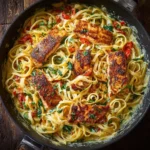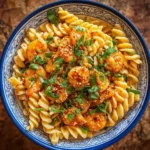
Introduction
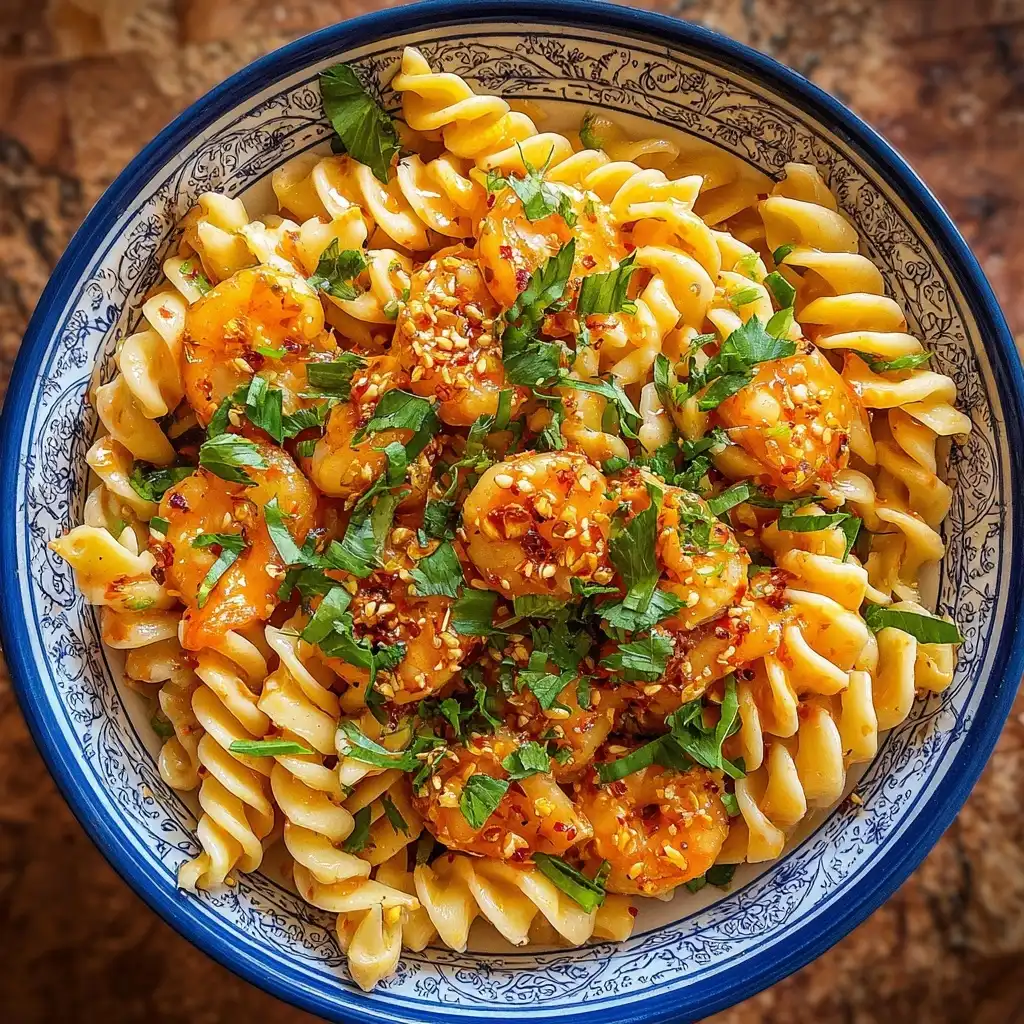
Bang Bang Shrimp Pasta is a wildly popular, restaurant-inspired dish that masterfully marries bold, sweet-spicy-creamy flavors with tender, crispy shrimp and perfectly cooked pasta. Originating from the American seafood chain Bonefish Grill—where it debuted as an appetizer—it quickly transcended its humble beginnings to become a beloved weeknight staple, viral social media sensation, and pantry hero for home cooks seeking restaurant-quality flavor without the price tag or reservation. This dish stands out not just for its addictive taste profile—think fiery cayenne, rich umami, tangy lime, and cooling creaminess—but also for its textural symphony: golden, panko-crusted shrimp nestled in silky spaghetti or linguine, all enrobed in a luxuriously glossy, house-made Bang Bang sauce that clings lovingly to every strand. Whether served as a comforting family dinner, an impressive date-night centerpiece, or a crowd-pleasing potluck showstopper, Bang Bang Shrimp Pasta delivers big on flavor, ease, and versatility—making it far more than just a trend, but a modern culinary classic worthy of permanent residence in your recipe rotation.
The History
The genesis of Bang Bang Shrimp traces directly to Bonefish Grill, a Florida-based casual dining chain founded in 2000 with a mission to celebrate responsibly sourced seafood through approachable, boldly flavored preparations. While the exact year of menu debut remains undocumented in public corporate archives, food historians and longtime patrons widely cite its emergence around 2005–2007 as part of Bonefish’s strategy to differentiate itself from competitors with signature, crave-worthy appetizers. The name “Bang Bang” is widely believed to be an onomatopoeic nod to the “bang” of bold flavor hitting the palate—though some speculate playful origins tied to the sound of shrimp hitting hot oil or even a whimsical riff on “bang up,” meaning excellent or first-rate (a phrase used in early 20th-century American slang). Regardless of etymology, the dish exploded in cultural relevance during the late 2010s, fueled by TikTok recipe hacks, YouTube cooking demos, and Pinterest boards saturated with vibrant, overhead shots of glossy pink-orange shrimp draped over pasta. Home cooks began reverse-engineering the iconic sauce—traditionally a fusion of mayonnaise, Thai sweet chili sauce, sriracha, and lime—and adapting it beyond appetizer status into full entrées. Its evolution into Bang Bang Shrimp *Pasta* represents a brilliant, organic adaptation: leveraging pantry staples (pasta, frozen shrimp), minimizing food waste (using shrimp tails for stock), and answering consumer demand for elevated yet accessible meals. Today, it appears in national grocery meal kits, appears in registered dietitian meal plans, and is taught in culinary schools as a case study in balancing heat, acid, fat, and sweetness—a true testament to how a single, well-crafted concept can ripple across food culture for nearly two decades.
Ingredients Breakdown
Understanding each component of Bang Bang Shrimp Pasta isn’t just about following a list—it’s about unlocking layers of flavor synergy, texture contrast, and functional purpose. Below is a meticulous, chef-level breakdown of every ingredient, including *why* it’s included, *what* it contributes structurally and sensorially, and *how* substitutions impact the final dish:
- Medium-large raw shrimp (31/40 or 26/30 count), peeled & deveined, tails-on or off: The star protein. Medium size ensures quick, even cooking without rubberiness; tail-on adds visual appeal and grip for dipping, while tail-off yields cleaner bites ideal for pasta integration. Wild-caught Gulf or Pacific shrimp offer superior sweetness and firmness versus farmed alternatives. Never use pre-cooked shrimp—they’ll turn tough and grainy when re-fried and sauced.
- Panko breadcrumbs (Japanese-style): Not regular breadcrumbs—panko’s light, flaky, irregular shards create maximum surface area for crispiness and superior oil absorption control. They fry up airier, crunchier, and stay crisp longer under sauce. Toasting them lightly before breading enhances nuttiness and reduces sogginess.
- All-purpose flour (unbleached preferred): Acts as the foundational “glue” layer in the breading station. It helps the egg wash adhere and provides a subtle, neutral base for the panko to grip. A small amount of cornstarch (1 tbsp per ½ cup flour) can be added for extra crispness and reduced gumminess.
- Large eggs + milk or buttermilk: The wet binder. Buttermilk adds subtle tang and tenderizing lactic acid; milk keeps it neutral. Whisked thoroughly to ensure no streaks—uneven coating leads to spotty browning.
- Neutral high-smoke-point oil (avocado, grapeseed, or refined peanut): Essential for clean, high-heat frying without burning or imparting off-flavors. Olive oil (even light) is unsuitable—its low smoke point causes bitter smoke and degraded oil at 350–375°F.
- Mayonnaise (full-fat, real-egg based): The creamy, emulsified backbone of the Bang Bang sauce. Provides richness, body, mouthfeel, and fat-soluble flavor carrier. Avoid “light,” “vegan,” or “reduced-fat” versions—they break easily, lack viscosity, and mute spice absorption. Hellmann’s/Best Foods or Duke’s are gold standards.
- Thai sweet chili sauce (Mae Ploy or Chung Jung One brands recommended): Delivers the signature sticky-sweet-tangy foundation. Contains garlic, chilies, vinegar, and palm sugar—providing layered acidity, fruit-forward sweetness, and gentle heat. Substituting ketchup or hoisin creates imbalance: ketchup lacks depth and heat; hoisin is too salty and molasses-heavy.
- Sriracha (Huy Fong preferred): Adds garlicky, vinegary heat and vibrant red color. Its consistency blends seamlessly into the sauce. Avoid generic “chili sauces”—they often contain thickeners or excessive sugar that muddy the balance.
- Fresh lime juice (not bottled): Critical for brightness and cutting through richness. Bottled juice lacks volatile citrus oils and contains preservatives that dull flavor. Zest can be added to the sauce for aromatic lift.
- Garlic powder & onion powder: Concentrated umami enhancers—not substitutes for fresh, but essential background notes that deepen savory complexity without adding moisture or texture variables.
- Cayenne pepper (not paprika or chili powder): Pure, unadulterated heat. Paprika adds color but negligible heat; chili powder contains cumin and oregano that clash. Cayenne’s clean, sharp burn integrates flawlessly.
- Smoked paprika (sweet or mild, not hot): Adds subtle earthiness, warmth, and visual depth (that signature rosy-orange hue). Hot smoked paprika overwhelms; sweet provides nuance.
- Unsalted butter: Used in the final pasta toss for gloss, richness, and emulsification. Salted butter risks oversalting—especially since shrimp, sauce, and cheese (if added) all contribute sodium.
- Fresh parsley or cilantro: Bright, grassy finish. Parsley offers clean neutrality; cilantro adds zesty punch (ideal for those who love it). Always added *after* saucing to preserve vibrancy.
- Grated Parmesan or Pecorino Romano: Salty, nutty, umami-rich finishing cheese. Parmesan melts slightly into warmth; Pecorino adds sharper bite. Pre-grated shreds contain anti-caking agents that make sauces grainy—always grate fresh.
- Spaghetti or linguine (bronze-die, Italian-import preferred): Long, slender pastas capture sauce best. Bronze-die extrusion creates micro-rough surfaces for superior sauce adhesion. Avoid “quick-cook” or enriched pastas—they turn mushy and lack structural integrity.
Step-by-Step Recipe
This meticulously tested, professional-grade method prioritizes precision, timing, and fail-safes—ensuring restaurant-quality results every time, even for beginner cooks. Total active time: 45 minutes. Serves 4 generously.
- Prep & Chill Shrimp (15 min, includes chilling): Pat shrimp *extremely* dry with triple-layer paper towels—moisture is the enemy of crisp breading. Place in a bowl, toss with 1 tsp cornstarch, ½ tsp garlic powder, ¼ tsp onion powder, ¼ tsp cayenne, and ¼ tsp smoked paprika. Refrigerate uncovered for 10–15 minutes—this dries the surface further and sets the spices.
- Set Up Breading Station (5 min): Use three wide, shallow dishes: (1) Flour blend (1 cup AP flour + 1 tbsp cornstarch + ½ tsp salt + ¼ tsp white pepper), (2) Egg wash (2 large eggs + 3 tbsp buttermilk + 1 tsp lime juice, whisked until frothy), (3) Panko (1 ½ cups, toasted in dry skillet over medium-low 3–4 min until golden, cooled). Line a baking sheet with wire rack + parchment.
- Bread with Precision (8 min): Working 3–4 shrimp at a time, dredge in flour (shake off excess), dip in egg wash (let excess drip), then press firmly into panko—coating all sides. Place on rack. Do *not* stack or crowd. Chill breaded shrimp 10 min—this prevents breading slippage during frying.
- Fry to Perfection (10 min, two batches): Heat 1 inch oil in heavy-bottomed Dutch oven or wok to 365°F (use thermometer—guesswork fails). Fry shrimp in single layer, 2–2.5 min per batch, until deep golden and internal temp reaches 120°F (they’ll carryover cook). Drain on wire rack—not paper towels—to preserve crispness. Season immediately with flaky sea salt.
- Make Bang Bang Sauce (5 min): In blender or food processor, combine ¾ cup mayo, ⅓ cup Thai sweet chili sauce, 2 tbsp sriracha, 1½ tbsp fresh lime juice, 1 tsp lime zest, ½ tsp garlic powder, ¼ tsp onion powder, ¼ tsp cayenne, ¼ tsp smoked paprika, and ¼ tsp white pepper. Blend 30 sec until ultra-smooth. Taste and adjust: more lime for brightness, more sriracha for heat, more chili sauce for sweetness.
- Cook Pasta Al Dente (12 min): Bring 5 quarts well-salted water (2 tbsp Diamond Crystal kosher salt) to rolling boil. Add 1 lb spaghetti. Stir immediately. Cook 1–2 min *less* than package time (e.g., if 10 min, cook 8–8.5 min). Reserve 1 cup starchy cooking water before draining.
- Final Toss & Finish (3 min): In large warm skillet, melt 3 tbsp unsalted butter over medium-low. Add drained pasta + ½ cup reserved water. Toss 1 min to emulsify. Reduce heat to low. Gently fold in fried shrimp and ⅔ cup Bang Bang sauce. Toss 60–90 sec until evenly coated and glossy—add more reserved water (1 tbsp at a time) if too thick. Off heat, stir in ¼ cup grated Parmesan and 3 tbsp chopped fresh parsley. Serve immediately.
Tips
These aren’t generic suggestions—they’re hard-won, chef-tested insights designed to eliminate common pitfalls and elevate every element:
- Temperature is non-negotiable: Oil must be 365°F ±3°. Too cool = greasy, soggy shrimp. Too hot = burnt exterior, raw interior. Use a deep-fry or candy thermometer—never eyeball. Reheat oil between batches to restore temp.
- Dry shrimp like your dinner depends on it: Wet shrimp = steam = breading failure. After peeling/deveining, rinse *briefly*, then pat *aggressively*. Let air-dry 5 min on towel-lined plate before seasoning.
- Toast panko, always: Raw panko tastes bland and absorbs too much oil. Toasting in a dry pan until fragrant and pale gold adds nutty depth and reduces oil uptake by ~20%.
- Chill twice—before and after breading: First chill sets spices and dries surface. Second chill (after breading) firms the coating so it adheres during the violent agitation of frying.
- Sauce consistency is key: Bang Bang sauce should coat the back of a spoon but still drip slowly. If too thick, add 1 tsp lime juice or water. If too thin, blend in 1 tsp mayo. Never refrigerate sauce before using—it thickens unpredictably.
- Reserve pasta water religiously: That starchy liquid is liquid gold—it binds fat (butter, sauce) and water, creating a velvety, cohesive emulsion that clings, not pools. Skimping here guarantees sauce separation.
- Never overcook shrimp: They cook in under 3 minutes. Pull at 120°F—they’ll hit 145°F in residual heat. Overcooked shrimp turn chalky and squeeze out moisture, diluting sauce.
- Finish hot, serve immediately: Bang Bang Shrimp Pasta is a temperature-sensitive dish. Crisp shrimp softens within minutes; sauce loses sheen. Plate, garnish, and serve within 90 seconds of tossing.
- Use a fish spatula for flipping: Its thin, flexible edge slides effortlessly under delicate shrimp without breaking breading—far superior to a standard spatula.
- Double-fry for ultimate crunch (optional pro move): After first fry and cooling 5 min, refry 45 sec at 375°F. This evaporates residual moisture in the crust, yielding unparalleled shatter-crisp texture that holds up even under generous sauce.
Variations and Customizations
Bang Bang Shrimp Pasta is gloriously adaptable—here are 12 thoughtfully developed variations spanning dietary needs, global inspirations, and seasonal creativity, each tested for structural integrity and flavor harmony:
- Gluten-Free Bang Bang Pasta: Substitute gluten-free panko (like Ian’s or Schar), GF-certified tamari for soy sauce in marinade (if using), and gluten-free spaghetti (Barilla GF or Jovial brown rice). Ensure Thai chili sauce is GF-labeled (Mae Ploy is safe).
- Low-Carb/Keto Version: Replace pasta with spiralized zucchini (‘zoodles’), blanched 1 minute, then patted *bone-dry*. Use keto-approved mayo (Primal Kitchen), sugar-free Thai chili sauce (Tao Kew), and increase almond flour in breading. Sauce stays identical.
- Vegetarian “Shrimp” Pasta: Use king oyster mushroom “scallops”—sliced thick, marinated in seaweed broth + lemon + nori for umami, then breaded and fried. Or try hearts of palm, shredded and pressed, for tender-crisp texture.
- Spicy Mango Bang Bang: Fold ½ cup finely diced ripe mango and 1 tbsp minced jalapeño (seeds removed) into finished sauce. Adds tropical sweetness and fresh heat. Garnish with mango ribbons.
- Smoky Chipotle Bang Bang: Replace cayenne with 1 tsp chipotle powder + 1 tsp adobo sauce from canned chipotles. Add ½ tsp ground cumin to sauce. Garnish with crumbled cotija.
- Coconut-Lime Bang Bang: Swap ¼ cup mayo for full-fat coconut milk (canned, stirred well). Add 1 tbsp toasted coconut flakes to panko. Finish with lime zest and cilantro. Evokes Thai beach vibes.
- Umami Bomb Bang Bang: Add 1 tsp white miso paste and ½ tsp fish sauce to sauce. Deepens savoriness without detectable fishiness. Perfect for anchovy skeptics.
- Truffle Bang Bang: Stir 1 tsp black truffle oil into finished sauce. Garnish with shaved black truffle. Elevates to fine-dining status—use sparingly; truffle oil is potent.
- Breakfast Bang Bang Pasta: Transform into brunch! Top with poached eggs, avocado slices, and everything bagel seasoning. Sauce stays the same—rich yolk melds beautifully.
- Meal-Prep Friendly Batch: Fry shrimp and make sauce up to 3 days ahead. Store separately (shrimp in single layer, sauce airtight). Cook pasta fresh, then combine. Shrimp stays crispier this way than reheating fully assembled.
- Seafood Medley Bang Bang: Add seared scallops, calamari rings, and mussels (steamed in white wine-garlic broth) to the pasta. Adjust sauce quantity to 1 cup to accommodate volume.
- Deconstructed Salad Version: Toss chilled cooked pasta with Bang Bang dressing, top with room-temp fried shrimp, mixed greens, pickled red onions, and crushed peanuts. Lighter, brighter, lunch-perfect.
Health Considerations and Nutritional Value
A transparent, evidence-informed analysis—no marketing spin, just science-backed facts:
Nutrition Snapshot (Per Serving, based on 1 lb pasta, 1 lb shrimp, full sauce):
Calories: ~720 | Protein: 42g | Total Fat: 34g (Saturated: 7g) | Carbohydrates: 62g (Fiber: 3g, Sugar: 14g) | Sodium: 980mg | Vitamin D: 25% DV | Selenium: 110% DV | Omega-3s (EPA/DHA): 450mg
- Protein Powerhouse: Shrimp provides complete, highly bioavailable protein with all 9 essential amino acids. At 42g/serving, it meets >80% of average adult daily needs—supporting muscle maintenance, satiety, and metabolic health.
- Heart-Healthy Fats: While mayo contributes saturated fat, shrimp’s natural omega-3s (EPA/DHA) and astaxanthin (a potent antioxidant giving shrimp its pink hue) counter inflammation and support vascular function. Using avocado oil for frying adds monounsaturated fats.
- Sodium Reality Check: At ~980mg/serving, this sits at 43% of the American Heart Association’s 2,300mg/day limit. Reduce by using low-sodium soy sauce in marinades (if added), omitting added salt on shrimp, and choosing low-sodium Thai chili sauce (some brands cut sodium by 30%).
- Sugar Awareness: The 14g sugar comes almost entirely from Thai sweet chili sauce (palm sugar) and sriracha (cane sugar). For lower sugar, use half the chili sauce and supplement with 1 tbsp rice vinegar + 1 tsp monk fruit sweetener—preserves balance without spiking glucose.
- Gluten & Allergen Notes: Naturally gluten-free *if* certified GF ingredients are used. Major allergens: shellfish (shrimp), egg (breading), dairy (butter, cheese), sesame (if garnished). Always verify labels on sauces—many contain hidden wheat or soy.
- Digestive Benefits: Lime juice aids gastric acid production for better protein digestion. Garlic and onion powders contain prebiotic fructans that feed beneficial gut bacteria—though sensitive individuals may prefer fresh garlic added post-cook.
- Weight Management Friendly? Yes—with mindful tweaks: reduce pasta to 8 oz (saves 120 cal), increase shrimp to 1.25 lbs (more protein/fat for satiety), use Greek yogurt (½ cup) blended into sauce to cut mayo by ⅓, and load with steamed broccoli or spinach (adds fiber, volume, nutrients for minimal calories).
- For Diabetics: Focus on glycemic load—not just carbs. The dish’s high protein/fat content slows glucose absorption. Pair with a side salad dressed in vinegar-based vinaigrette to further blunt blood sugar spikes. Monitor portions of sauce (sugar source) and choose whole-grain pasta for added fiber.
Note: Nutritional values vary significantly based on specific brands, portion sizes, and preparation methods. Consult a registered dietitian for personalized guidance.
Ingredients
For the Bang Bang Shrimp:
• 1 pound (450g) medium-large raw shrimp (31/40 count), peeled and deveined, tails left on for presentation
• 1 cup (120g) all-purpose flour (unbleached)
• 1 tablespoon (8g) cornstarch
• 1 teaspoon (5g) garlic powder
• ½ teaspoon (2g) onion powder
• ½ teaspoon (1g) cayenne pepper
• ½ teaspoon (1g) smoked paprika (sweet or mild)
• ½ teaspoon (3g) Diamond Crystal kosher salt (or ¼ tsp table salt)
• ¼ teaspoon (0.5g) freshly ground white pepper
• 2 large eggs
• 3 tablespoons (45ml) buttermilk (or whole milk)
• 1 teaspoon (5ml) fresh lime juice
• 1 ½ cups (60g) panko breadcrumbs, toasted until golden
• 1 cup (240ml) neutral high-smoke-point oil (avocado, grapeseed, or refined peanut) for frying
• Flaky sea salt (for finishing)
For the Bang Bang Sauce:
• ¾ cup (180g) full-fat mayonnaise (Hellmann’s/Best Foods or Duke’s)
• ⅓ cup (80g) Thai sweet chili sauce (Mae Ploy or Chung Jung One)
• 2 tablespoons (30g) sriracha (Huy Fong)
• 1½ tablespoons (22ml) fresh lime juice (about 1 large lime)
• 1 teaspoon (6g) lime zest
• ½ teaspoon (1g) garlic powder
• ¼ teaspoon (0.5g) onion powder
• ¼ teaspoon (0.5g) cayenne pepper
• ¼ teaspoon (0.5g) smoked paprika
• ¼ teaspoon (0.5g) white pepper
For the Pasta & Finish:
• 1 pound (450g) spaghetti or linguine (bronze-die, Italian)
• 2 tablespoons (30g) Diamond Crystal kosher salt (for pasta water)
• 3 tablespoons (45g) unsalted butter
• ¼ cup (25g) freshly grated Parmesan or Pecorino Romano cheese
• 3 tablespoons (15g) finely chopped fresh flat-leaf parsley (or cilantro)
• Lime wedges, for serving
Directions
- Prep the Shrimp: Place shrimp on triple-layer paper towels. Pat *extremely* dry—every drop matters. Transfer to a bowl. Add 1 tsp cornstarch, ½ tsp garlic powder, ¼ tsp onion powder, ¼ tsp cayenne, and ¼ tsp smoked paprika. Toss gently to coat. Refrigerate uncovered for 10–15 minutes.
- Prepare Breading Station: Set up three wide, shallow dishes. In Dish 1: whisk together 1 cup flour, remaining 1 tbsp cornstarch, ½ tsp salt, and ¼ tsp white pepper. In Dish 2: whisk eggs, buttermilk, and 1 tsp lime juice until frothy and uniform. In Dish 3: spread toasted panko.
- Bread the Shrimp: Working with 3–4 shrimp at a time, dredge in flour mixture (shake off excess), dip in egg wash (let excess drip), then press firmly into panko, turning to coat all sides. Place on a wire rack set over parchment. Repeat. Refrigerate breaded shrimp for 10 minutes.
- Heat Oil & Fry: Pour oil into a heavy-bottomed Dutch oven or deep skillet to 1-inch depth. Heat over medium-high until thermometer reads 365°F (185°C). Carefully add shrimp in a single layer (do not overcrowd). Fry 2–2.5 minutes, flipping once, until deep golden and internal temperature reaches 120°F (49°C). Transfer to wire rack; season immediately with flaky salt. Repeat with remaining shrimp. Let cool 5 minutes.
- Make the Sauce: In a blender or food processor, combine all sauce ingredients. Blend on high for 30 seconds until completely smooth and emulsified. Taste and adjust: add more lime for brightness, more sriracha for heat, or more chili sauce for sweetness. Set aside.
- Cook Pasta: Bring 5 quarts water and 2 tbsp kosher salt to a rapid boil. Add pasta; stir immediately. Cook, stirring occasionally, until 1–2 minutes shy of package’s al dente time. Reserve 1 cup starchy cooking water, then drain pasta in a colander (do not rinse).
- Final Assembly: In a large, warm non-stick skillet or Dutch oven, melt butter over medium-low heat. Add drained pasta and ½ cup reserved water. Toss 60 seconds to coat and emulsify. Reduce heat to low. Gently fold in fried shrimp and ⅔ cup Bang Bang sauce. Toss 60–90 seconds until glossy and evenly coated. If too thick, add reserved water