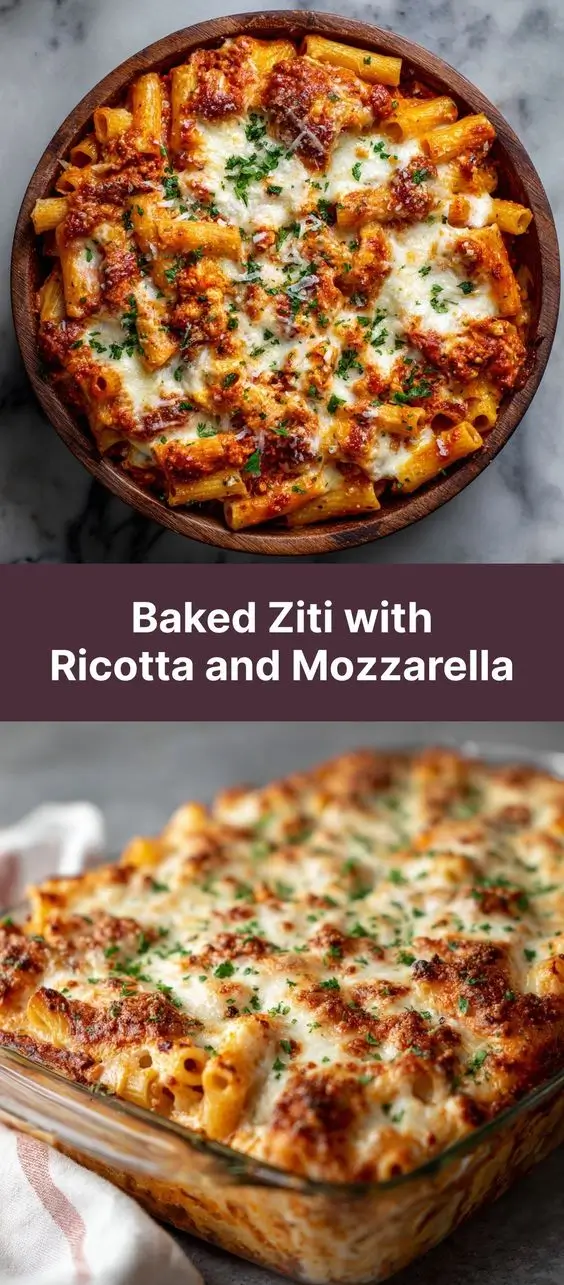
Baked Ziti with Ricotta and Mozzarella: A Comfort Food Classic
The History of Baked Ziti
Baked ziti is a quintessential Italian-American casserole dish that has found a cherished place in the hearts and homes of families across the United States. While its roots trace back to Southern Italy—particularly regions like Campania and Sicily—where pasta bakes were common among peasant communities, baked ziti as we know it today evolved in the melting pot of American immigrant culture during the late 19th and early 20th centuries. Italian immigrants brought their love for handmade pastas and rich tomato sauces, adapting traditional recipes to incorporate more accessible ingredients in their new homeland.
The use of tubular ziti pasta—originally named after the word “zita,” meaning “bride” in Italian—was traditionally reserved for wedding feasts, symbolizing prosperity and celebration. Over time, this festive dish became a weekly staple, especially in Italian-American households where large family gatherings called for hearty, shareable meals. The modern version typically features ricotta cheese layered into the pasta, providing a creamy contrast to tangy tomato sauce and melted mozzarella on top. Over decades, baked ziti gained popularity not only in home kitchens but also in church basements, community centers, and delis throughout cities like New York, Philadelphia, and Boston.
Today, baked ziti stands as one of the most beloved comfort foods in American cuisine—a bridge between Old World traditions and New World innovation. Its versatility allows for endless variations, making it a canvas for personalization while maintaining its soul-warming essence. Whether served at Sunday dinner or potluck parties, baked ziti continues to represent warmth, abundance, and the joy of sharing food with loved ones.
Ingredients Breakdown: What Makes This Dish Shine
The magic of baked ziti lies in its balance of textures and flavors—tender pasta, savory sauce, creamy ricotta, and golden-brown melted mozzarella. Each ingredient plays a crucial role in creating a harmonious dish that’s both satisfying and deeply flavorful.
- Ziti Pasta: The star vessel of this dish, ziti’s hollow tube shape captures sauce beautifully. While traditional ziti is long and straight, many cooks use penne or rigatoni as substitutes due to availability and similar sauce-holding properties.
- Tomato Sauce: A robust marinara or meat-based ragù forms the backbone of flavor. Homemade sauce enhances depth, but high-quality store-bought options work well too. Key components include ripe tomatoes, garlic, onions, olive oil, fresh herbs (like basil and oregano), and a pinch of red pepper flakes for heat.
- Ricotta Cheese: Fresh whole-milk ricotta adds luxurious creaminess and mild sweetness. It’s often blended with egg to help stabilize the mixture during baking and prevent separation.
- Mozzarella Cheese: Low-moisture mozzarella melts evenly and creates that signature stretchy, golden crust when baked. Fresh mozzarella can be used for a softer texture, though it releases more moisture.
- Parmesan Cheese: Grated Parmigiano-Reggiano intensifies the umami and saltiness, enhancing every bite. It’s commonly mixed into the ricotta blend and sprinkled on top before baking.
- Egg: Added to the ricotta mixture, the egg acts as a binder, helping the cheese layer stay cohesive and not runny after baking.
- Fresh Herbs: Basil and parsley are frequently folded into the ricotta or scattered over layers for brightness and aroma.
- Optional Add-ins: Ground beef, Italian sausage, sautéed mushrooms, spinach, caramelized onions, roasted red peppers, or even sun-dried tomatoes can elevate the dish with additional texture and flavor.
The synergy between these ingredients results in a dish that is greater than the sum of its parts—a true celebration of simplicity done right.
Step-by-Step Recipe: How to Make Perfect Baked Ziti with Ricotta and Mozzarella
Follow this detailed guide to create a rich, creamy, and perfectly baked ziti that will impress your family and guests alike.
Ingredients
- 1 pound (450g) dried ziti or penne pasta
- 2 tablespoons olive oil
- 1 medium yellow onion, finely chopped
- 4 cloves garlic, minced
- 1 pound (450g) ground Italian sausage or lean ground beef (optional)
- 1 jar (24 oz) high-quality marinara sauce (or 3 cups homemade)
- 1/4 cup fresh basil, chopped
- Salt and freshly ground black pepper to taste
- 1/2 teaspoon red pepper flakes (optional)
- 15 oz (425g) container whole-milk ricotta cheese
- 1 large egg
- 1 cup (about 4 oz) grated Parmesan cheese, divided
- 2 cups (8 oz) shredded low-moisture mozzarella cheese, divided
- 1/4 cup fresh parsley, chopped
- 1/2 teaspoon nutmeg (optional, enhances richness)
Directions
- Preheat Oven: Begin by preheating your oven to 375°F (190°C). Lightly grease a 9×13-inch baking dish with non-stick spray or olive oil.
- Cook the Pasta: Bring a large pot of salted water to a boil. Add the ziti and cook until al dente—usually about 8–10 minutes, or one minute less than package instructions. Drain thoroughly and toss with a drizzle of olive oil to prevent sticking. Set aside.
- Prepare the Sauce: In a large skillet over medium heat, warm the olive oil. Add the onion and sauté until soft and translucent (about 5 minutes). Stir in the garlic and cook for another 30 seconds until fragrant. If using meat, add it now and cook until browned, breaking it apart with a spoon. Drain excess fat if needed. Pour in the marinara sauce, stir in basil, red pepper flakes, salt, and pepper. Simmer gently for 10–15 minutes to deepen the flavors. Remove from heat.
- Make the Ricotta Mixture: In a medium bowl, combine the ricotta, egg, 1/2 cup Parmesan, 1 cup mozzarella, parsley, remaining basil, nutmeg (if using), and a generous pinch of salt and pepper. Mix until smooth and well blended.
- Combine Pasta and Sauce: In a large mixing bowl, gently fold the cooked ziti into the warmed sauce until evenly coated. Reserve about 1/2 cup of the sauce for layering later if desired.
- Layer the Casserole: Spread a thin layer of saucy pasta (about 1 cup) on the bottom of the prepared baking dish to prevent sticking. Next, dollop half of the ricotta mixture over the pasta and lightly spread it into an uneven layer—this creates pockets of creaminess. Sprinkle with 1/2 cup mozzarella. Repeat with another layer of saucy pasta, followed by the remaining ricotta, then another 1/2 cup mozzarella. Top with the final layer of pasta.
- Add Finishing Touches: Spoon any reserved sauce over the top layer of pasta. Sprinkle with the remaining 1/2 cup Parmesan and 1/2 cup mozzarella to ensure a golden, bubbly crust.
- Bake: Cover the dish loosely with aluminum foil (spray the underside to prevent sticking). Bake for 25 minutes. Then remove the foil and bake for an additional 15–20 minutes, or until the top is golden brown and the edges are bubbling.
- Rest Before Serving: Let the baked ziti rest for 10–15 minutes after removing it from the oven. This allows the layers to set, making it easier to cut and serve neatly.
- Serve: Garnish with extra chopped basil or parsley, and offer additional grated Parmesan at the table.
Tips for the Best Baked Ziti
- Don’t Overcook the Pasta: Cooking the ziti to al dente ensures it holds its shape through baking. Overcooked pasta turns mushy once combined with hot sauce and reheated in the oven.
- Use Full-Fat Dairy: Whole-milk ricotta and real mozzarella provide superior flavor and texture. Low-fat versions may result in a dry or rubbery consistency.
- Season Every Layer: Taste and season each component—the sauce, ricotta mix, and pasta—as you go. This builds complexity and prevents blandness.
- Let It Rest: Allowing the dish to sit for 10–15 minutes after baking helps redistribute moisture and firm up the structure.
- Golden Crust Hack: For an extra-crispy top, switch to the broiler for the last 2–3 minutes of cooking—but watch closely to avoid burning.
- Freeze for Later: Assemble the casserole without baking, cover tightly, and freeze for up to 3 months. Thaw overnight in the fridge before baking as directed (add 10–15 minutes if still cold).
- Double It for Big Gatherings: This recipe scales easily. Use two baking dishes and consider adding extra sauce and cheese to maintain balance.
- Reheating Tips: Reheat leftovers in the oven at 350°F covered with foil for best results. Microwaving can make the pasta rubbery unless a splash of water is added.
Variations and Customizations
Baked ziti is incredibly adaptable. Here are some creative twists to suit different tastes and dietary needs:
- Veggie-Packed Ziti: Sauté mushrooms, zucchini, bell peppers, spinach, or eggplant and mix them into the sauce or ricotta layer for added nutrition and texture.
- Meat Lover’s Version: Combine ground beef, Italian sausage, and pancetta for a deeply savory filling. Brown all meats separately for maximum flavor.
- White Sauce Baked Ziti (Al Forno Bianco): Skip the tomato sauce entirely and use a béchamel or Alfredo base instead. Mix in roasted garlic, nutmeg, and fontina cheese for a decadent twist.
- Spicy Arrabbiata Style: Use arrabbiata sauce with extra red pepper flakes and spicy salami crumbles for a fiery kick.
- Four-Cheese Delight: Add provolone, fontina, or gorgonzola to the cheese blend for richer, more complex flavor profiles.
- Gluten-Free Option: Substitute gluten-free ziti or penne. Ensure all other ingredients (especially sauces) are certified GF.
- Dairy-Free/Ziti ‘Ricotta’ Alternative: Use cashew ricotta (blended soaked cashews, lemon juice, nutritional yeast, and salt) and dairy-free mozzarella shreds.
- Keto-Friendly Low-Carb Ziti: Replace pasta with spiralized zucchini or cauliflower gnocchi. Adjust liquid content accordingly to avoid sogginess.
- Mini Individual Servings: Portion into ramekins or muffin tins for cute, single-serve appetizers or party bites.
- Breakfast Baked Ziti: Add scrambled eggs, diced ham, and cheddar cheese for a brunch-friendly version.
Health Considerations and Nutritional Value
While baked ziti is undeniably comforting, it can be modified to align with various health goals. Let’s break down the nutritional profile of a typical serving (based on 6 servings):
| Nutrient | Amount per Serving (approx.) |
|---|---|
| Calories | 450–550 kcal |
| Total Fat | 20–28g |
| Saturated Fat | 10–14g |
| Cholesterol | 80–100mg |
| Sodium | 600–900mg |
| Total Carbohydrates | 45–55g |
| Dietary Fiber | 3–5g |
| Sugars | 6–8g |
| Protein | 20–25g |
Key Health Notes:
- High in Protein: Thanks to cheese and optional meat, baked ziti provides substantial protein, supporting muscle repair and satiety.
- Calcium-Rich: Ricotta and mozzarella contribute significant calcium, beneficial for bone health.
- Carbohydrate Content: The pasta makes this a moderate-to-high carb dish. Opt for whole wheat or legume-based pasta to increase fiber and lower glycemic impact.
- Sodium Awareness: Store-bought sauces and cheeses can be high in sodium. Choose low-sodium versions and enhance flavor with herbs instead.
- Saturated Fat: Present in full-fat dairy and meats. Use lean proteins and reduced-fat cheeses sparingly if monitoring heart health.
- Balancing the Meal: Serve with a side salad, steamed vegetables, or garlic green beans to boost fiber and micronutrients.
With mindful substitutions, baked ziti can fit into balanced diets—including Mediterranean, flexitarian, or occasional indulgence plans.
Frequently Asked Questions (FAQ)
Can I make baked ziti ahead of time?
Yes! Assemble the dish up to 24 hours in advance and refrigerate, covered. Bake as directed, adding 5–10 minutes if starting cold. You can also freeze unbaked ziti for up to 3 months—thaw in the fridge before baking.
Why is my baked ziti dry?
Dryness usually comes from overcooked pasta, insufficient sauce, or too much time in the oven. Ensure pasta is al dente, use enough sauce (at least 3 cups), and don’t overbake. Covering with foil during part of baking helps retain moisture.
Can I use fresh mozzarella instead of shredded?
Absolutely. Fresh mozzarella adds a lovely milky flavor and soft texture. Slice it thinly or tear into pieces and layer throughout. Blot excess moisture with paper towels first to prevent a watery casserole.
Is ricotta necessary in baked ziti?
Traditional baked ziti includes ricotta, but you can substitute with cottage cheese (blended for smoothness), mascarpone (for richness), or goat cheese (for tang). Each alters the flavor slightly but maintains creaminess.
How do I reheat leftover baked ziti?
For best results, reheat in a 350°F oven for 20–25 minutes, covered with foil. On the stovetop, warm gently in a skillet with a splash of water or broth. Microwave only if necessary—use short intervals and cover to trap steam.
Can I make it without eggs?
Yes, though the ricotta layer may separate slightly. To compensate, mix in 1 tablespoon cornstarch or flour, or use a thicker ricotta. Chilling the assembled dish for 30 minutes before baking also helps stabilize it.
What’s the difference between baked ziti and lasagna?
Both are baked pasta dishes, but lasagna uses flat sheets layered with fillings, while baked ziti mixes tubular pasta directly with sauce and cheese. Lasagna often has more structured layers; baked ziti is more rustic and blended.
Can I use different pasta shapes?
Yes. Penne, rigatoni, and manicotti work exceptionally well due to their ability to hold sauce and cheese. Avoid very small pastas like elbow macaroni, which can become mushy.
Summary
Baked ziti with ricotta and mozzarella is a timeless Italian-American classic that combines al dente pasta, rich tomato sauce, creamy cheese filling, and a golden, bubbly topping into one irresistible casserole. Hearty, customizable, and perfect for feeding crowds or meal prepping, it’s comfort food at its finest.