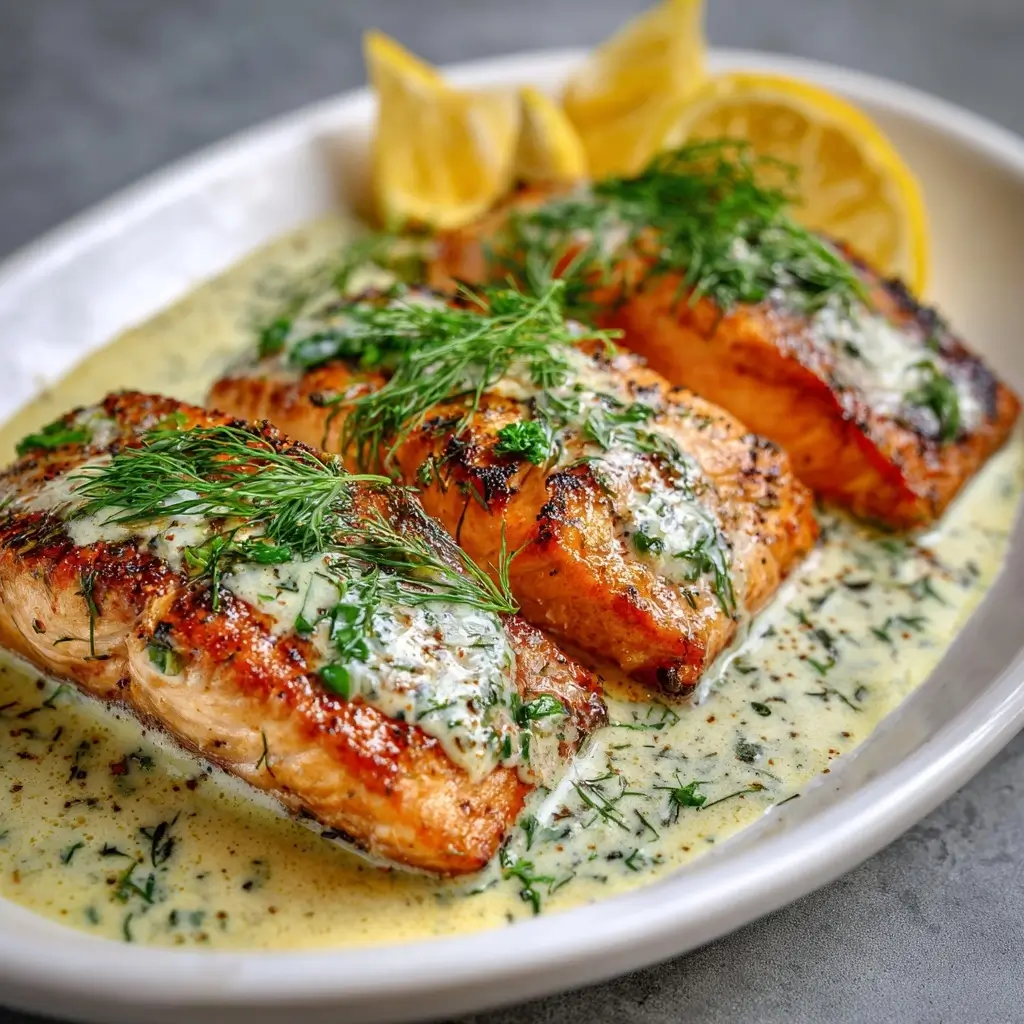
Baked Salmon with Lemon Dill Sauce
Introduction
Baked Salmon with Lemon Dill Sauce is a culinary masterpiece that combines the rich, buttery flavor of salmon with the bright, refreshing notes of lemon and fresh dill. This dish strikes the perfect balance between elegance and simplicity, making it ideal for both weeknight dinners and special occasions. Whether you’re a seasoned home cook or just beginning your journey in the kitchen, this recipe offers an effortless way to prepare a restaurant-quality meal at home. The gentle baking process ensures the salmon remains moist and flaky, while the lemon dill sauce adds a luxurious touch without overwhelming the delicate fish. With its vibrant colors, aromatic herbs, and health-promoting ingredients, this dish isn’t just delicious—it’s also a nourishing choice for anyone seeking wholesome, flavorful food.
The History
The tradition of cooking salmon dates back thousands of years, particularly among Indigenous peoples of the Pacific Northwest, where wild salmon has long been a dietary staple and cultural symbol. These communities developed sophisticated methods of catching, preserving, and preparing salmon, including smoking, grilling over open flames, and baking in earth ovens. As global trade expanded, salmon became more accessible worldwide, and European cuisines began incorporating it into their own culinary traditions. Scandinavian countries, especially Norway and Sweden, embraced salmon as a key ingredient, often serving it cured (as gravlax) or poached with dill—a herb native to Eastern Europe and Western Asia known for its affinity with fish. The use of lemon and dill together likely emerged from Mediterranean and Nordic flavor pairings, combining citrus zest from southern climates with the cool, grassy tones of northern herbs. Over time, baked salmon preparations gained popularity in American and modern Western cooking due to their ease, health benefits, and gourmet appeal. Today, Baked Salmon with Lemon Dill Sauce stands as a fusion of ancient techniques and contemporary tastes—a testament to how timeless ingredients can evolve into beloved modern classics.
Ingredients Breakdown
The success of this dish hinges on high-quality, fresh ingredients that work in harmony to enhance the natural richness of the salmon. Let’s take a closer look at each component:
- Salmon Fillets: Opt for center-cut, skin-on fillets weighing about 6–8 ounces each. Wild-caught salmon offers a deeper flavor and firmer texture, though responsibly farmed Atlantic salmon is also excellent. The omega-3 fatty acids and protein content make salmon a nutritional powerhouse.
- Olive Oil: Extra virgin olive oil adds moisture during baking and helps create a silky base for the sauce. It also contributes heart-healthy monounsaturated fats and antioxidants.
- Lemons: Fresh lemons are essential—not only for their juice but also for their fragrant zest. The acidity cuts through the fat in the salmon, brightening every bite. One lemon is used for juicing, while another provides zest and slices for roasting.
- Fresh Dill: This feathery herb brings a slightly sweet, anise-like flavor that complements fish beautifully. Dill contains compounds like flavonoids and monoterpenes, which may offer anti-inflammatory benefits.
- Garlic: Minced fresh garlic adds depth and warmth. When roasted gently, it mellows into a sweet, savory note that enhances rather than dominates.
- Salt and Black Pepper: These fundamental seasonings amplify all other flavors. Use sea salt or kosher salt for even distribution and a clean taste.
- Butter (optional in sauce): For a richer sauce, unsalted butter can be whisked in at the end to add silkiness and mouthfeel.
- Shallot or Onion (optional): Finely minced shallots can be sautéed lightly before adding to the sauce for added complexity.
- Greek Yogurt or Sour Cream (for sauce variation): Used in some versions of the lemon dill sauce to create a creamy emulsion that clings perfectly to the fish.
Each ingredient plays a vital role, ensuring the final dish is layered, balanced, and deeply satisfying.
Step-by-Step Recipe
- Preheat Oven: Begin by preheating your oven to 375°F (190°C). This temperature allows the salmon to cook evenly without drying out. Line a baking sheet with parchment paper or lightly grease it with olive oil to prevent sticking.
- Prepare the Salmon: Pat the salmon fillets dry with paper towels—this step is crucial for achieving proper browning and preventing excess moisture. Place them skin-side down on the prepared baking sheet, leaving space between each piece for air circulation.
- Season the Fish: Drizzle the fillets with 1–2 tablespoons of olive oil, then sprinkle generously with salt and freshly ground black pepper. Use your fingers to rub the seasoning evenly across the surface.
- Add Aromatics: Thinly slice one lemon and arrange the slices over and around the salmon. Tuck in a few sprigs of fresh dill and scatter minced garlic evenly over the top. You can also place a small pat of butter on each fillet if desired for extra richness.
- Bake the Salmon: Transfer the baking sheet to the middle rack of the oven. Bake for 12–15 minutes, depending on the thickness of the fillets. The salmon is done when it flakes easily with a fork and reaches an internal temperature of 125–130°F (52–54°C), rising to 135°F (57°C) upon resting. Avoid overcooking to preserve tenderness.
- Rest the Salmon: Remove the salmon from the oven and let it rest for 5 minutes. This allows the juices to redistribute, resulting in a moister texture.
- Make the Lemon Dill Sauce: While the salmon rests, prepare the sauce. In a small bowl, combine 1/3 cup fresh lemon juice (about 1–2 lemons), 1 tablespoon finely grated lemon zest, 2 tablespoons chopped fresh dill, 1 minced garlic clove, 1/4 cup extra virgin olive oil, and a pinch of salt and pepper. Whisk until emulsified. For a creamier version, stir in 2–3 tablespoons of Greek yogurt or sour cream. Taste and adjust seasoning as needed.
- Plate and Serve: Carefully transfer the salmon fillets to serving plates using a wide spatula. Spoon the lemon dill sauce generously over the top. Garnish with additional dill and thin lemon slices for presentation. Serve immediately.
Tips
- Choose Uniform Fillets: Select salmon pieces of similar thickness so they cook evenly. If one is much thicker, consider folding the thinner end underneath or covering it with foil halfway through baking.
- Don’t Skip the Resting Step: Allowing the salmon to rest after baking ensures maximum juiciness. Cutting too soon releases precious oils and moisture.
- Use Fresh Herbs: Dried dill lacks the brightness of fresh dill. Always opt for fresh whenever possible, especially since it’s a dominant flavor in the sauce.
- Adjust Cooking Time for Thickness: A 1-inch-thick fillet typically takes 12–15 minutes. For thicker cuts (1.5 inches), increase baking time to 18–20 minutes, checking frequently.
- Check Doneness Properly: Insert a meat thermometer into the thickest part of the fillet, avoiding the bone or pan. Alternatively, gently press the top—the flesh should spring back slightly and flake with light pressure.
- Enhance Flavor with Brining (Optional): For ultra-moist results, brine the salmon in a solution of 4 cups water, 1/4 cup salt, and 2 tablespoons sugar for 15–30 minutes before cooking. Rinse and pat dry afterward.
- Roast Aromatics Underneath: Elevate flavor by placing sliced onions, fennel, or cherry tomatoes beneath the salmon on the baking sheet. They’ll absorb the drippings and become deliciously caramelized.
- Serve with Complementary Sides: Pair with quinoa, roasted asparagus, garlic mashed potatoes, or a crisp green salad to round out the meal.
- Make Sauce Ahead: The lemon dill sauce can be made up to 4 hours in advance and refrigerated. Bring to room temperature before serving for optimal flavor release.
- Avoid Overcrowding: Ensure space between fillets on the baking tray to allow heat to circulate properly and promote gentle steaming from the lemon juices.
Variations and Customizations
This versatile recipe lends itself to numerous creative twists based on dietary preferences, seasonal availability, and cultural influences:
- Creamy Lemon Dill Sauce: Blend in 1/4 cup mayonnaise, Greek yogurt, or crème fraîche for a richer, velvety sauce. Ideal for dipping vegetables or drizzling over grains.
- Herb Swaps: Substitute dill with parsley, tarragon, chives, or basil for different flavor profiles. Tarragon adds a subtle licorice note that pairs well with salmon.
- Spiced-Up Version: Add a pinch of red pepper flakes or smoked paprika to the rub for a hint of heat and smokiness.
- Gluten-Free and Dairy-Free: Naturally gluten-free and easily adapted to dairy-free diets by omitting butter and yogurt. Coconut milk or cashew cream can replace dairy in creamy sauce variations.
- Asian-Inspired Twist: Replace dill with cilantro and add ginger, soy sauce, rice vinegar, and sesame oil to the marinade. Top with toasted sesame seeds before serving.
- Mediterranean Style: Incorporate capers, olives, sun-dried tomatoes, and oregano into the topping mix before baking. Finish with a drizzle of balsamic glaze.
- En Papillote (Parchment Baking): Enclose each fillet in a parchment packet with lemon slices, herbs, and a splash of white wine. This method steams the fish gently, locking in aroma and moisture.
- Honey Mustard Glaze Variation: Mix Dijon mustard, honey, lemon juice, and olive oil; brush onto salmon before baking for a sweet-savory crust.
- Smoked Salmon Option: Use this sauce as a dip or spread for smoked salmon bagels or appetizer platters.
- Keto-Friendly: This recipe is inherently low-carb and keto-compliant. Serve with cauliflower rice or sautéed greens for a complete ketogenic meal.
- Vegan Adaptation: While the salmon cannot be replaced directly, the lemon dill sauce works wonderfully over grilled tofu, tempeh, or roasted vegetables like zucchini and eggplant.
Health Considerations and Nutritional Value
Baked Salmon with Lemon Dill Sauce isn’t just delectable—it’s packed with nutrients that support overall wellness. Here’s a breakdown of its health benefits:
- Rich in Omega-3 Fatty Acids: Salmon is one of the best sources of EPA and DHA, essential fatty acids linked to reduced inflammation, improved brain function, and lower risk of heart disease.
- High-Quality Protein: A single 6-ounce serving provides approximately 34 grams of complete protein, supporting muscle repair, satiety, and metabolic health.
- Vitamins and Minerals: Salmon is abundant in vitamin D (crucial for immune function and bone health), vitamin B12 (important for nerve function), selenium (an antioxidant), and potassium (helps regulate blood pressure).
- Heart Health: Regular consumption of fatty fish like salmon is associated with a decreased risk of cardiovascular diseases due to its favorable lipid profile.
- Anti-Inflammatory Properties: The combination of omega-3s, antioxidants from lemon (vitamin C and flavonoids), and phytonutrients in dill may help combat chronic inflammation.
- Low in Saturated Fat: Especially when cooked without excessive butter, this dish remains low in unhealthy fats while delivering beneficial unsaturated fats.
- Digestive Benefits: Lemon juice stimulates gastric acid production, aiding digestion. Dill has traditionally been used to soothe the digestive tract and reduce bloating.
- Weight Management Support: High protein and healthy fats promote fullness and reduce cravings, making this dish suitable for weight-loss or maintenance plans.
- Mercury Concerns: While salmon is generally low in mercury compared to larger predatory fish (like swordfish or tuna), pregnant women and young children should still consume it in moderation—typically 2–3 servings per week are considered safe.
- Sustainability Note: To minimize environmental impact, choose salmon certified by organizations such as the Marine Stewardship Council (MSC) or Aquaculture Stewardship Council (ASC). Wild-caught Alaskan salmon is often recommended for sustainability.
Nutritionally, a typical 6-ounce serving of baked salmon with lemon dill sauce (without added butter or cream) contains approximately:
- Calories: 340–380
- Protein: 34g
- Fat: 24g (mostly unsaturated)
- Carbohydrates: 2–4g (primarily from lemon)
- Fiber: 0.5g
- Sodium: 300–500mg (depending on added salt)
- Vitamin D: 50–70% of Daily Value
- Vitamin B12: Over 100% of Daily Value
- Selenium: 70–90% of Daily Value
Ingredients
- 4 salmon fillets (6–8 oz each), skin-on preferred
- 2 tablespoons extra virgin olive oil (plus more for greasing)
- 1 teaspoon sea salt (or to taste)
- 1/2 teaspoon freshly ground black pepper
- 2 lemons – one juiced, one thinly sliced and zested
- 3 tablespoons fresh dill, chopped (plus extra for garnish)
- 3 garlic cloves, minced
- 2 tablespoons unsalted butter (optional)
- For the Lemon Dill Sauce:
- 1/3 cup fresh lemon juice (about 1–2 lemons)
- 1 tablespoon lemon zest
- 2 tablespoons chopped fresh dill
- 1 garlic clove, minced
- 1/4 cup extra virgin olive oil
- 2–3 tablespoons Greek yogurt or sour cream (optional for creaminess)
- Salt and pepper to taste
Directions
- Preheat oven to 375°F (190°C). Line a baking sheet with parchment paper or lightly grease with olive oil.
- Pat salmon fillets dry with paper towels and place skin-side down on the baking sheet.
- Drizzle fillets with 2 tablespoons olive oil and season with salt and pepper.
- Arrange lemon slices over the salmon, tuck in dill sprigs, and scatter minced garlic on top. Add a small pat of butter to each fillet if using.
- Bake for 12–15 minutes (or up to 18–20 for thicker cuts) until salmon flakes easily with a fork and reaches an internal temperature of 130°F.
- Remove from oven and let rest for 5 minutes.
- In a small bowl, whisk together lemon juice, lemon zest, chopped dill, garlic, olive oil, and optional Greek yogurt. Season with salt and pepper.
- Spoon sauce generously over salmon fillets just before serving. Garnish with extra dill and lemon slices.
- Serve warm with your favorite side dishes.
FAQ
Q: Can I use frozen salmon?
A: Yes, but thaw it completely in the refrigerator overnight before cooking. Cooking frozen salmon may result in uneven texture and excess moisture.
Q: How do I know when salmon is fully cooked?
A: The salmon should be opaque and flake easily with a fork. Internal temperature should reach 135°F after resting.
Q: Can I make the lemon dill sauce ahead of time?
A: Absolutely! Prepare it up to 4 hours in advance and store in the fridge. Let it come to room temperature before serving.
Q: Is it safe to eat raw or rare salmon?
A: Only if it’s labeled “sushi-grade” and handled properly. Otherwise, always cook salmon to at least 125°F internally.
Q: Can I grill instead of bake?
A: Yes! Grill over medium heat for 4–6 minutes per side, depending on thickness. Use a fish basket or foil to prevent sticking.
Q: What sides go well with this dish?
A: Excellent pairings include wild rice pilaf, roasted Brussels sprouts, steamed green beans, quinoa salad, or garlic mashed potatoes.
Q: Can I freeze leftover baked salmon?
A: Yes, though texture may change slightly. Freeze in an airtight container for up to 2 months. Reheat gently in the oven or microwave.
Q: Why did my salmon turn out dry?
A: Most likely cause is overcooking. Even 2–3 minutes too long can dry out salmon. Use a timer and check early.
Q: Can I use dried dill instead of fresh?
A: In a pinch, use 1 teaspoon dried dill for every 1 tablespoon fresh. However, fresh dill delivers superior flavor and aroma.
Q: Is this recipe safe for pregnant women?
A: Yes, fully cooked salmon is safe and highly recommended during pregnancy due to its omega-3 content. Limit to 2–3 servings per week.
Summary
Baked Salmon with Lemon Dill Sauce is a nutritious, elegant, and easy-to-make dish that highlights the natural richness of salmon with the vibrant freshness of lemon and dill.
Perfect for any occasion, this recipe delivers gourmet flavor with minimal effort, making it a must-have in every home cook’s repertoire.