Introduction
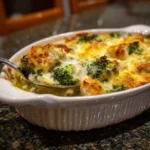
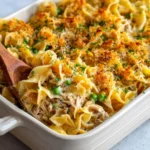
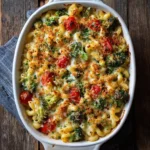
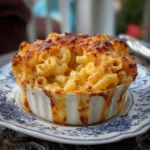
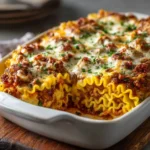
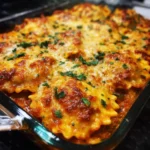
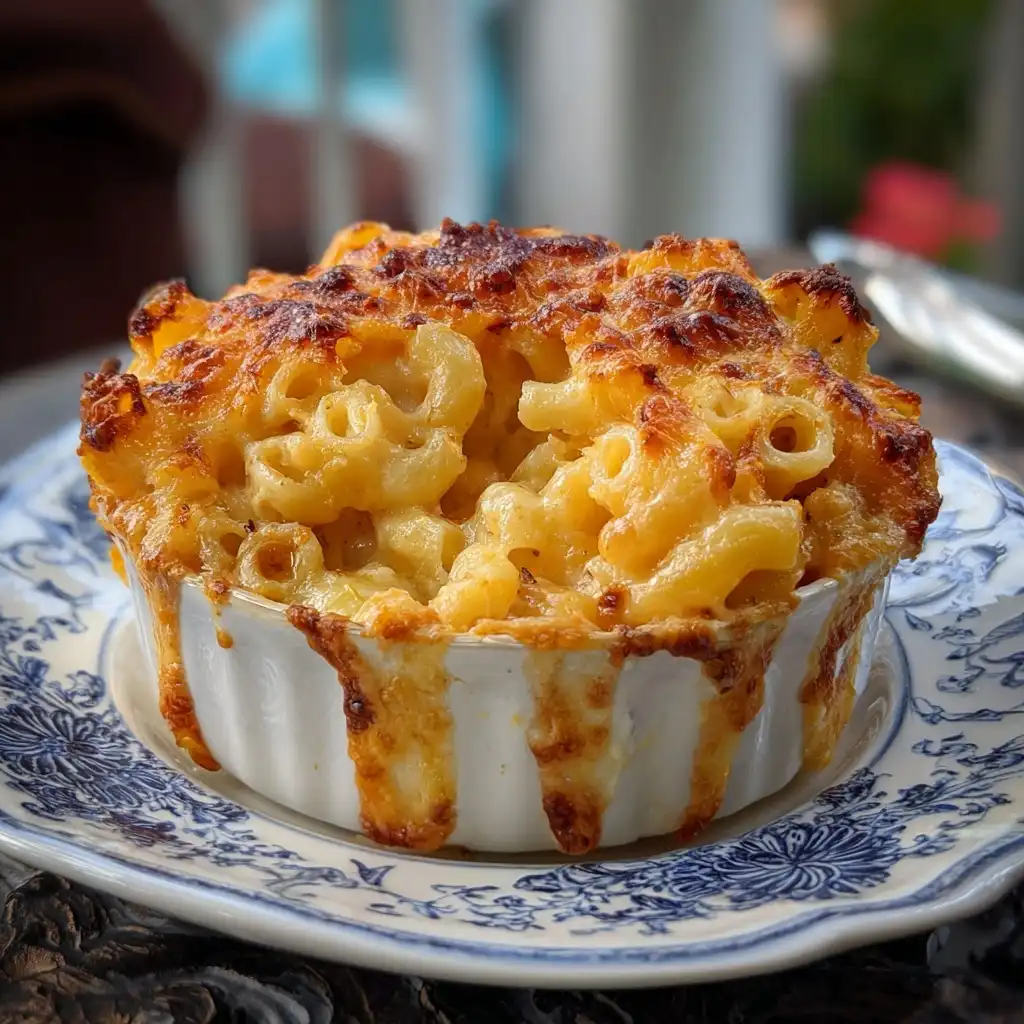
Baked Mac and Cheese Casserole is the ultimate comfort food — a rich, creamy, golden-browned symphony of tender pasta, velvety cheese sauce, and savory depth baked to perfection. More than just a side dish, it’s a centerpiece at family dinners, holiday feasts, potlucks, and weeknight meals alike. Its enduring popularity stems from its nostalgic warmth, customizable versatility, and remarkable ability to satisfy even the most discerning palates. Whether you’re feeding a crowd or treating yourself to something soul-soothing, this casserole delivers unparalleled richness, texture, and flavor in every forkful — with a crisp, buttery crust giving way to a luxuriously molten interior that stretches, bubbles, and delights.
The History
The roots of macaroni and cheese trace back centuries — long before its American fame. In 13th-century England, recipes resembling “macaroni pie” appeared in medieval cookbooks like The Forme of Cury, combining pasta, cheese, and spices. By the 14th century, Italian chefs were crafting early versions using vermicelli, butter, and grated cheese. The dish crossed the Atlantic thanks to Thomas Jefferson, who encountered macaroni in Paris during his tenure as U.S. Minister to France (1784–1789). Enthralled, he imported a pasta machine and a recipe from Naples, later serving “macaroni pie” at a White House dinner in 1802 — an event widely credited with launching its American legacy. In the 1930s, Kraft Foods revolutionized accessibility with its boxed version during the Great Depression, offering affordability and shelf stability. Yet, the *baked* casserole iteration — distinguished by its layered structure, custard-enriched sauce, and oven-browned top — evolved mid-century in home kitchens across the Midwest and South, where families elevated the humble stovetop version with eggs, evaporated milk, breadcrumbs, and generous cheese blends. Today, baked mac and cheese stands as a cultural touchstone: celebrated on Food Network specials, debated passionately among Southerners (who often insist on sharp cheddar and elbow macaroni), reimagined by Michelin-starred chefs, and lovingly passed down through generations via stained index cards and handwritten notes in spiral-bound cookbooks.
Ingredients Breakdown
Understanding each component is key to mastering this casserole — not merely as a list, but as a harmonious system where fat, starch, protein, and moisture interact under heat:
- Pasta: Elbow macaroni remains the classic choice due to its short, tubular shape that traps sauce and bakes evenly — but cavatappi, shells, fusilli, or even gluten-free brown rice pasta work beautifully. Undercooking pasta by 1–2 minutes (to al dente) is critical; it finishes cooking in the oven without turning mushy.
- Cheeses: A successful blend balances meltability, flavor intensity, and textural contribution. Sharp cheddar provides tang and structure; Gruyère adds nutty complexity and superior melt; Monterey Jack lends creaminess and stretch; fontina enriches mouthfeel; and a small amount of Parmigiano-Reggiano deepens umami. Avoid pre-shredded cheeses — anti-caking agents (like cellulose) inhibit smooth melting and can yield graininess.
- Dairy Base: A roux-based béchamel (butter + flour + milk) forms the foundational sauce. Whole milk ensures richness; half-and-half or light cream boosts silkiness without heaviness; evaporated milk adds concentrated dairy sweetness and stability. Heavy cream is optional for ultra-luxury but may curdle if overheated.
- Aromatics & Seasonings: Sautéed onions and garlic build aromatic depth; Dijon mustard (not just for tang — it contains enzymes that help emulsify fats and prevent separation); smoked paprika or cayenne adds subtle warmth; freshly cracked black pepper and flaky sea salt are non-negotiable for balanced seasoning.
- Binders & Texture Enhancers: Eggs (often 2–3 large) act as gentle binders and custardifiers, yielding a sliceable yet creamy texture. A splash of hot sauce (e.g., Frank’s RedHot) or Worcestershire sauce amplifies savoriness. Panko breadcrumbs toasted in butter deliver crunch and structural integrity to the top layer — far superior to plain dried crumbs.
- Optional Add-Ins: Cooked bacon, caramelized onions, roasted poblano peppers, sautéed mushrooms, lobster meat, crispy pancetta, or even kimchi for fermentation-forward funk — all expand the casserole’s culinary range without compromising integrity.
Step-by-Step Recipe
- Preheat & Prep: Position oven rack in the center and preheat to 375°F (190°C). Generously butter a 9×13-inch (or 3-quart) baking dish — including corners and edges — to prevent sticking and encourage caramelization.
- Cook Pasta Al Dente: Bring 4–6 quarts of well-salted water (2 tbsp kosher salt per gallon) to a rolling boil. Add 1 lb (450g) elbow macaroni and cook for 6–7 minutes — 1–2 minutes less than package instructions. Drain thoroughly in a colander, rinse briefly under cool water to halt cooking (optional, but helps control starch), then return to pot. Toss with 1 tbsp neutral oil to prevent clumping while assembling.
- Prepare Béchamel Base: In a heavy-bottomed Dutch oven or large saucepan, melt ½ cup (1 stick / 113g) unsalted butter over medium-low heat. Whisk in ¼ cup (30g) all-purpose flour and cook, stirring constantly, for 2–3 minutes until fragrant and pale golden — do not brown. Gradually whisk in 3 cups (720ml) warm whole milk, ½ cup (120ml) evaporated milk, and ½ cup (120ml) half-and-half — adding in steady streams to avoid lumps. Continue whisking until fully incorporated and smooth.
- Simmer & Thicken: Increase heat to medium and bring mixture to a gentle simmer. Reduce heat to low and cook, stirring frequently with a wooden spoon or silicone spatula, for 8–10 minutes until thickened to a nappe consistency — it should coat the back of a spoon and hold a clear line when you run your finger across it. Remove from heat.
- Infuse Flavor: Stir in 1 finely diced yellow onion (sautéed in 1 tbsp butter until translucent), 2 minced garlic cloves (sautéed 30 seconds), 1 tsp Dijon mustard, ½ tsp smoked paprika, ¼ tsp cayenne (optional), 1 tsp Worcestershire sauce, and freshly ground black pepper to taste. Let cool slightly — about 3 minutes — to avoid scrambling eggs later.
- Incorporate Cheeses: Begin with the hardest-melting cheeses first: whisk in 2 cups (8 oz / 225g) shredded sharp cheddar and 1 cup (4 oz / 115g) Gruyère until fully melted and glossy. Then fold in 1 cup (4 oz / 115g) shredded Monterey Jack and ½ cup (2 oz / 55g) grated Parmigiano-Reggiano. Avoid overmixing — stop once uniform and silky. Taste and adjust salt — remember cheese contributes sodium.
- Combine Pasta & Sauce: Gently fold the drained, oiled pasta into the cheese sauce until every piece is fully coated. Use a flexible silicone spatula to lift and fold — never stir aggressively, which breaks pasta and releases excess starch.
- Add Eggs (Critical Step): In a small bowl, lightly beat 3 large eggs with 2 tbsp of the hot cheese sauce to temper them. Slowly whisk this mixture back into the main pot, folding gently to distribute evenly. This step stabilizes the custard and prevents curdling.
- Transfer & Top: Pour mixture into the prepared baking dish, smoothing the top with an offset spatula. Sprinkle evenly with 1 cup (about 3 oz / 85g) panko breadcrumbs mixed with 3 tbsp melted butter, 2 tbsp grated Parmesan, and a pinch of flaky salt.
- Bake Strategically: Place dish on a parchment-lined baking sheet (to catch spills). Bake uncovered for 35–45 minutes — until the edges bubble vigorously, the center is set (a knife inserted 2 inches from edge comes out clean), and the top is deeply golden and crisp. For extra browning, broil on high for 60–90 seconds at the end — watch closely!
- Rest Before Serving: Remove from oven and let rest for 15–20 minutes. This allows residual heat to finish cooking the center, proteins to relax, and sauce to re-emulsify — resulting in cleaner slices and creamier texture. Cutting too soon causes weeping and separation.
Tips
- Starch Control is Everything: Rinsing pasta after draining removes surface starch — helpful for preventing gumminess in baked applications. Alternatively, reserve ½ cup of starchy pasta water to stir in if sauce seems too thick pre-bake.
- Grate Your Own Cheese: Pre-shredded cheeses contain potato starch or cellulose to prevent clumping — these interfere with melting and cause grainy, oily sauces. Invest in a box grater or food processor attachment.
- Layer Flavors Early: Sauté aromatics in the same pot used for the roux — building fond enhances overall depth. Deglaze with a splash of dry white wine or apple cider vinegar before adding dairy for brightness.
- Temperature Matters: Warm dairy prevents lumps in the roux; cooled sauce prevents scrambled eggs; room-temp eggs integrate more smoothly than cold ones.
- Don’t Skip the Rest: That 15-minute pause isn’t optional — it transforms texture. Set a timer. Serve warm, not piping hot.
- Baking Dish Material: Light-colored metal or ceramic dishes bake more evenly than dark nonstick pans, which can over-brown edges. Glass dishes retain heat longer — reduce oven temp by 25°F if substituting.
- Freezing Friendly: Assemble unbaked casserole, cover tightly with double layers of foil, and freeze up to 3 months. Thaw overnight in fridge, then bake as directed — add 10–15 minutes to total time.
- Reheating Right: To revive leftovers without drying out, place portions in an oven-safe dish, sprinkle with splash of milk or cream and extra cheese, cover with foil, and bake at 325°F for 20–25 minutes until heated through.
Variations and Customizations
This casserole is a canvas — endlessly adaptable to dietary needs, seasonal ingredients, global flavors, and personal whims:
- Southern Style: Add 1 cup cooked, crumbled Andouille sausage and ½ cup chopped green onions; top with crushed Ritz crackers instead of panko.
- Truffle Luxe: Fold in 1 tbsp white truffle oil and 2 tbsp grated black truffle (or high-quality truffle paste) with the cheeses; finish with microgreens and shaved truffle.
- Smoky Chipotle: Replace smoked paprika with 1–2 tsp adobo sauce from canned chipotles + 1 minced chipotle pepper; garnish with pickled red onions.
- Vegetarian Harvest: Stir in 1 cup roasted butternut squash, ½ cup sautéed spinach, and ¼ cup toasted walnuts; use smoked Gouda for earthy nuance.
- Seafood Supreme: Fold in 1 cup lump crabmeat (picked and rinsed) and ½ cup chopped cooked shrimp; finish with lemon zest and fresh dill.
- Green Goddess: Blend ½ cup basil, ¼ cup parsley, 1 avocado, juice of 1 lemon, and 2 tbsp olive oil into a vibrant pesto; swirl into warm sauce before mixing with pasta.
- Breakfast Mac: Add 4 beaten eggs to sauce (reducing original egg count to 1), stir in 1 cup cooked breakfast sausage and ¼ cup chopped chives; bake until puffed and golden — serve with hot sauce.
- Gluten-Free: Use certified GF elbow pasta (brown rice or corn-based), swap AP flour for GF all-purpose blend (with xanthan gum), and verify cheese labels for hidden gluten.
- Vegan Version: Substitute cashew béchamel (soaked raw cashews + nutritional yeast + miso + lemon juice + garlic), use plant-based cheeses designed for melting (e.g., Miyoko’s, Violife), and replace eggs with flax “eggs” (2 tbsp ground flax + 6 tbsp water).
- Low-Carb/Keto: Replace pasta with blanched, squeezed cauliflower florets or shirataki noodles; increase cheese and heavy cream; thicken sauce with xanthan gum (¼ tsp) instead of flour.
Health Considerations and Nutritional Value
A standard 1-cup (approx. 250g) serving of traditional baked mac and cheese casserole contains roughly:
- Calories: 480–560 kcal
- Protein: 22–26g (primarily from dairy and eggs — a complete, high-biological-value source)
- Fat: 24–30g (of which 14–18g saturated — mainly from cheese, butter, and whole dairy)
- Carbohydrates: 40–46g (mostly from refined wheat pasta; fiber ~2g)
- Sodium: 720–950mg (highly variable based on cheese salt content and added salt — can exceed 40% DV)
- Calcium: ~450mg (nearly 35% DV — vital for bone health)
- Vitamin A & B12: Excellent sources (from dairy fat and cheese)
Smart Swaps for Health-Conscious Bakers:
- Boost Fiber: Use whole-wheat, lentil, or chickpea pasta (adds 5–8g fiber/serving and lowers glycemic load).
- Reduce Saturated Fat: Substitute half the cheese with lower-fat options (part-skim mozzarella, reduced-fat cheddar) and use 1% milk + extra 2 tbsp Greek yogurt for creaminess.
- Lower Sodium: Choose low-sodium cheeses (e.g., BelGioioso Fresh Mozzarella, Cabot Seriously Sharp Reduced Sodium Cheddar), omit added salt, and rely on herbs, citrus zest, and umami-rich ingredients (mushrooms, tomato paste, tamari) for flavor.
- Increase Veggie Volume: Hide 1–2 cups finely grated zucchini, carrots, or cauliflower in the sauce — they add nutrients, moisture, and bulk without altering texture significantly.
- Portion Mindfully: Serve alongside a large arugula salad with lemon vinaigrette or roasted broccoli to balance richness and increase micronutrient density.
- Consider Lactose Sensitivity: Aged cheeses (cheddar, Parmesan, Gruyère) contain minimal lactose; lactase enzyme supplements taken before eating can aid digestion for many.
Note: While indulgent, this dish offers valuable protein, calcium, and B vitamins — making it nutritionally meaningful when enjoyed as part of a varied, whole-foods-based diet.
Ingredients
- 1 pound (450g) elbow macaroni (or cavatappi, shells, or gluten-free alternative)
- ½ cup (113g / 1 stick) unsalted butter, divided
- ¼ cup (30g) all-purpose flour (or gluten-free 1:1 blend)
- 3 cups (720ml) whole milk, warmed
- ½ cup (120ml) evaporated milk
- ½ cup (120ml) half-and-half or light cream
- 1 medium yellow onion, finely diced
- 2 garlic cloves, minced
- 2 cups (225g) sharp cheddar cheese, freshly shredded
- 1 cup (115g) Gruyère cheese, freshly shredded
- 1 cup (115g) Monterey Jack cheese, freshly shredded
- ½ cup (55g) Parmigiano-Reggiano, freshly grated
- 3 large eggs, room temperature
- 1 teaspoon Dijon mustard
- ½ teaspoon smoked paprika
- ¼ teaspoon cayenne pepper (optional)
- 1 teaspoon Worcestershire sauce
- Freshly ground black pepper, to taste
- Kosher salt, to taste (start with 1½ tsp in pasta water; adjust sauce carefully)
- 1 cup (85g) panko breadcrumbs
- Flaky sea salt, for finishing
Directions
- Preheat oven to 375°F (190°C). Butter a 9×13-inch (3-quart) baking dish thoroughly.
- Bring 4–6 quarts of water to a boil. Add 2 tablespoons kosher salt. Cook pasta 1–2 minutes shy of al dente. Drain, rinse quickly under cool water, toss with 1 tablespoon neutral oil, and set aside.
- In a large Dutch oven, melt ¼ cup butter over medium-low heat. Add onion; cook 5–6 minutes until soft and translucent. Add garlic; cook 30 seconds until fragrant. Remove 2 tablespoons of mixture for garnish (optional), then stir in flour. Cook 2–3 minutes, whisking constantly.
- Gradually whisk in warm milk, evaporated milk, and half-and-half. Bring to a gentle simmer, then reduce heat to low. Cook 8–10 minutes, stirring frequently, until thickened to coat the back of a spoon.
- Remove from heat. Stir in Dijon, smoked paprika, cayenne, Worcestershire, black pepper, and reserved onion-garlic mixture. Cool 3 minutes.
- Whisk in cheddar, Gruyère, and Monterey Jack until smooth. Fold in Parmigiano. Taste and adjust seasoning — go easy on salt.
- In a small bowl, beat eggs. Whisk in 2 tablespoons hot sauce to temper. Gradually whisk tempered eggs into cheese sauce.
- Gently fold pasta into sauce until fully coated. Pour into prepared dish. Smooth top.
- In a small bowl, combine panko, remaining 2 tablespoons melted butter, and a pinch of flaky salt. Sprinkle evenly over casserole.
- Bake uncovered 35–45 minutes, until bubbling at edges, set in center, and golden brown on top. Optional: Broil 60–90 seconds for deeper color.
- Let rest 15–20 minutes before slicing. Serve warm, garnished with reserved onion-garlic, chives, or extra black pepper.
FAQ
- Can I make this ahead of time?
- Absolutely. Assemble completely (including breadcrumb topping), cover tightly with plastic wrap, and refrigerate up to 24 hours. Let sit at room temperature 30 minutes before baking — add 5–10 minutes to bake time. For longer storage, freeze unbaked (up to 3 months); thaw overnight before baking.
- Why did my mac and cheese turn out grainy or oily?
- Most commonly due to: (1) Using pre-shredded cheese (cellulose inhibits melting), (2) Overheating the sauce (curdles dairy proteins), (3) Adding cold cheese to hot sauce (shocks proteins), or (4) Stirring too vigorously after cheese is added. Always shred cheese yourself, warm dairy gradually, and remove sauce from heat before incorporating cheese.
- Can I substitute milk with almond or oat milk?
- Yes — but choose unsweetened, unflavored, barista-blend varieties (higher fat/protein). Expect slightly thinner sauce; add 1 extra tablespoon flour or ½ tsp xanthan gum to compensate. Flavor will be milder — boost umami with extra nutritional yeast or miso.
- What’s the best cheese blend for maximum melt and flavor?
- A trifecta works best: 1 part high-flavor aged cheese (sharp cheddar), 1 part nutty, complex melter (Gruyère or fontina), and 1 part creamy, elastic cheese (Monterey Jack or mozzarella). Avoid 100% mozzarella — lacks flavor and can become rubbery.
- Can I add vegetables without making it watery?
- Yes — but moisture control is essential. Roast or sauté veggies first (zucchini, mushrooms, spinach) and squeeze out excess liquid. Grated raw carrots or zucchini should be tossed with salt, rested 10 minutes, then wrung dry in a clean towel.
- My casserole is too dry — how do I fix it?
- Next time, increase dairy by ¼ cup or reduce bake time by 5 minutes. For current batch, stir in 2–3 tbsp warm milk or cream before returning to oven for 5 additional minutes covered with foil.
- Is it safe to leave baked mac and cheese out overnight?
- No. Dairy-based casseroles must not remain in the “danger zone” (40–140°F) for more than 2 hours. Refrigerate within 2 hours of baking. Reheat to 165°F internally before consuming.
- Can I use sour cream or Greek yogurt in the sauce?
- Yes — but only off-heat and in moderation (¼–½ cup). Stir in after removing from burner and cooling slightly. Too much acidity or cold temperature can cause curdling. Full-fat versions integrate best.
- How do I get a super-crispy, shatteringly crunchy topping?
- Toast panko separately in butter until golden, cool slightly, then mix with Parmesan and salt. Sprinkle generously and evenly. For extra crunch, add 2 tbsp crushed butter crackers or fried shallots just before baking.
- Why does my mac and cheese separate or “break”?
- Emulsion failure occurs when fat and water separate — usually caused by overheating, acidic ingredients added too quickly (lemon, vinegar), insufficient emulsifiers (mustard, egg yolk), or vigorous stirring. Prevent with proper tempering, mustard, and gentle folding.
Summary
Baked Mac and Cheese Casserole is a timeless, deeply comforting masterpiece that marries precise technique — from roux mastery and cheese selection to strategic resting — with boundless creative potential.
Whether honoring tradition with sharp cheddar and buttery panko or boldly reinventing it with truffle, seafood, or seasonal vegetables, this dish remains a profound expression of care, craft, and culinary joy — one golden, creamy, unforgettable bite at a time.