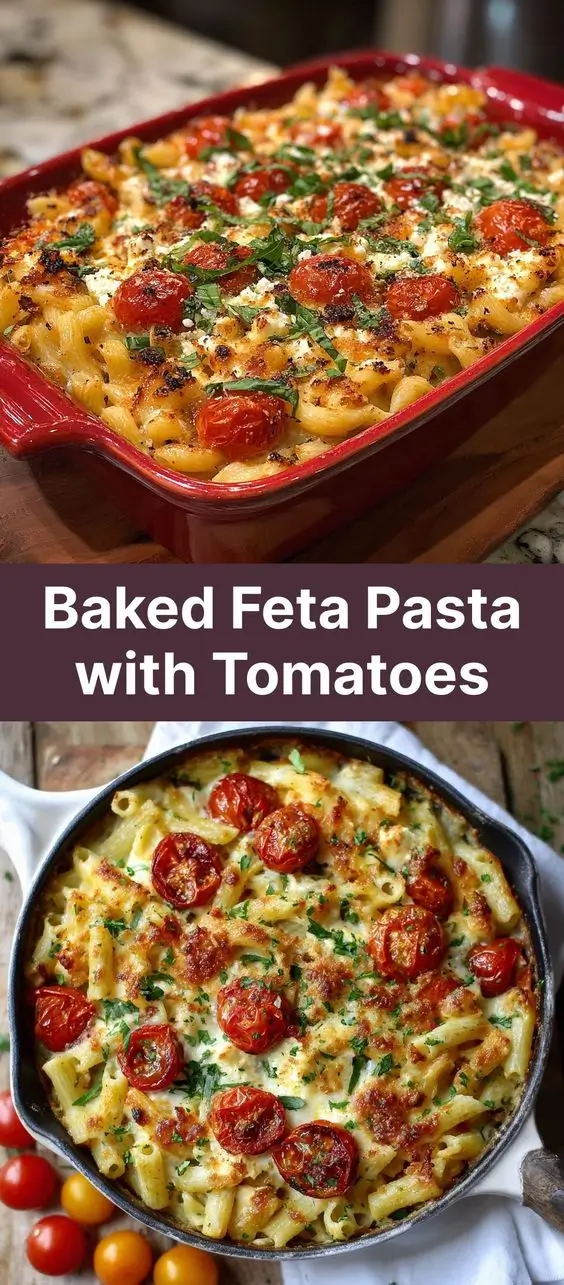
Baked Feta Pasta with Tomatoes: A Creamy, Comforting Delight
If you’re searching for a dish that perfectly balances simplicity and indulgence, look no further than Baked Feta Pasta with Tomatoes. This modern culinary sensation has taken kitchens around the world by storm, captivating home cooks and food lovers alike with its minimal prep, rich flavors, and photogenic presentation. Originating from a viral social media trend, this recipe transforms humble ingredients into a luxurious meal that feels both cozy and elegant—all baked together in one pan for maximum convenience and minimum cleanup.
The History: From Finnish TikTok to Global Fame
Baked feta pasta first burst onto the global scene in early 2021, thanks to Finnish food blogger Jenny Can Cook, whose TikTok video showcasing the recipe went massively viral. What started as a simple, rustic dish shared with friends quickly snowballed into an internet phenomenon, with millions of recreations across Instagram, YouTube, and TikTok under hashtags like #bakedfetapasta and #fetapastabake.
The original concept was inspired by traditional Mediterranean flavors—feta cheese, ripe tomatoes, olive oil, and herbs—commonly found across Southern Europe. However, it was the clever twist of baking the feta block surrounded by tomatoes and garlic that elevated it into a creamy sauce base when mixed with hot pasta. The method’s ease and visual appeal made it ideal for social media sharing, turning an unassuming weeknight dinner into a global sensation almost overnight.
Since then, chefs and home cooks have experimented endlessly with variations, but the core idea remains: let the oven do the work while you enjoy the magic of melting feta blending seamlessly with juicy tomatoes and fragrant seasonings to create a luscious, naturally creamy sauce without any heavy cream.
Ingredients Breakdown: Simple, Fresh, and Full of Flavor
The beauty of Baked Feta Pasta lies in its minimal ingredient list—each component plays a vital role in building flavor, texture, and richness:
- Feta Cheese (Block): Opt for high-quality Greek feta packed in brine for the best texture and tang. The block softens during baking, creating a velvety sauce when tossed with pasta.
- Cherry or Grape Tomatoes: These small, sweet tomatoes burst in the oven, releasing juices that mingle with olive oil and seasonings to form the base of the sauce.
- Garlic: Whole cloves add depth and aroma as they roast gently alongside the tomatoes, mellowing into sweetness.
- Olive Oil: Extra virgin olive oil adds richness and helps caramelize the tomatoes while carrying the flavors throughout the dish.
- Dry Pasta: Short shapes like penne, rigatoni, fusilli, or orecchiette work best—they hold the creamy sauce well and pair perfectly with chunky tomato bits.
- Fresh Herbs: Basil, parsley, or oregano bring brightness and contrast to the salty feta and sweet tomatoes.
- Salt & Pepper: Enhance natural flavors without overpowering the delicate balance.
- Optional Add-ins: Red pepper flakes for heat, sun-dried tomatoes for intensity, spinach or arugula for greens, or a splash of pasta water to adjust consistency.
Step-by-Step Recipe: How to Make Baked Feta Pasta at Home
Ingredients
- 1 (7–8 oz) block of feta cheese
- 2 cups cherry or grape tomatoes, halved
- 4 cloves garlic, peeled and lightly smashed
- 3 tablespoons extra virgin olive oil
- ½ teaspoon salt (or to taste)
- ¼ teaspoon black pepper
- ¼ teaspoon red pepper flakes (optional)
- 10 oz (about 2¾ cups) dry pasta (penne, rigatoni, or fusilli recommended)
- ¼ cup reserved pasta water (after cooking)
- ¼ cup fresh basil or parsley, chopped
- Grated Parmesan cheese (optional, for serving)
Directions
- Preheat Oven: Set your oven to 400°F (200°C). Choose an oven-safe baking dish large enough to hold the feta and tomatoes in a single layer—ceramic, glass, or cast iron works well.
- Prepare Tomato Mixture: In the baking dish, combine halved cherry tomatoes, garlic cloves, olive oil, salt, black pepper, and red pepper flakes (if using). Toss gently to coat everything evenly.
- Place Feta Block: Nestle the block of feta in the center of the tomato mixture. Do not break it apart yet—this ensures it melts slowly and retains structure until mixing.
- Bake: Place the dish in the preheated oven and bake for 30–40 minutes. The tomatoes should be blistered and softened, some beginning to burst, while the feta becomes warm, soft, and slightly golden on top.
- Cook Pasta: While the feta and tomatoes are baking, cook the pasta according to package instructions in salted boiling water until al dente. Reserve about ¼ cup of pasta water before draining.
- Mix Everything Together: Once the baking is complete, remove the dish from the oven. Use a fork to crumble the baked feta into the tomato mixture, stirring to create a creamy, chunky sauce. Gradually stir in the cooked pasta, adding reserved pasta water a tablespoon at a time to reach desired creaminess.
- Add Freshness: Fold in chopped fresh basil or parsley for a burst of freshness and color.
- Serve Immediately: Plate the pasta hot, optionally topping with additional grated Parmesan, a drizzle of olive oil, cracked black pepper, or more herbs.
Pro Tips for the Perfect Baked Feta Pasta
- Use Brined Feta: Avoid pre-crumbled feta, which is often too dry and lacks moisture needed for creaminess. A solid block from a brine pack yields superior texture.
- Don’t Skip Garlic Cloves: Roasting whole garlic mellows its bite and infuses the entire dish with subtle sweetness. For more punch, slice them thinly or add minced garlic halfway through baking.
- Choose the Right Pan: Ensure your baking dish isn’t too large—a snug fit concentrates flavors. A 9-inch pie dish or 8×8-inch square pan works perfectly.
- Adjust Baking Time: If you love very soft, almost molten feta, extend baking to 45 minutes. For firmer texture, aim for 30 minutes. Watch closely after 30 minutes to prevent over-browning.
- Reserve Pasta Water: Starchy pasta water is key to emulsifying the sauce and helping it cling to every noodle. Add gradually until silky and cohesive.
- Let It Rest Slightly: Allow the baked mixture to cool for 2–3 minutes before mixing with pasta—this prevents the feta from becoming grainy due to sudden temperature shock.
- Stir Vigorously: Use a strong spoon or tongs to thoroughly combine the ingredients. The goal is a marbled, creamy consistency with pockets of melted feta and juicy tomatoes.
Variations and Customizations: Make It Your Own
One of the greatest strengths of this recipe is its versatility. Here are creative ways to personalize your baked feta pasta:
- Vegetable Boost: Add baby spinach, arugula, roasted bell peppers, zucchini slices, or artichoke hearts either baked with the tomatoes or stirred in after.
- Protein Power: Top with grilled chicken, shrimp, Italian sausage, chickpeas, or white beans for a heartier meal.
- Creamier Texture: Stir in a splash of heavy cream, mascarpone, ricotta, or crème fraîche after baking for extra decadence.
- Different Cheeses: Try halloumi, goat cheese, or even mozzarella for alternative profiles (note: results will vary).
- Herb Twists: Swap basil for dill, thyme, oregano, or a blend of Italian herbs depending on your flavor preference.
- Spice It Up: Increase red pepper flakes, add harissa paste, or include sliced jalapeños for a spicy kick.
- Lemon Zest: Brighten the dish with a sprinkle of lemon zest or a squeeze of fresh lemon juice before serving.
- Dairy-Free Version: Use plant-based feta (available in many grocery stores) and vegan pasta for a fully dairy-free option.
- Gluten-Free Option: Substitute gluten-free pasta—just ensure it’s cooked al dente to avoid mushiness when mixed.
- Meal Prep Friendly: Bake the tomato-feta mixture ahead, refrigerate, then reheat and mix with freshly cooked pasta when ready to serve.
Health Considerations and Nutritional Value
While undeniably delicious, it’s helpful to understand the nutritional profile of Baked Feta Pasta so you can enjoy it mindfully:
- Feta Cheese: Provides calcium, protein, and healthy fats, but is relatively high in sodium and saturated fat. Moderation is key, especially for those monitoring blood pressure or cholesterol.
- Tomatoes: Rich in vitamin C, potassium, fiber, and antioxidants like lycopene, which may support heart health and reduce inflammation.
- Olive Oil: A cornerstone of the Mediterranean diet, loaded with monounsaturated fats that promote heart health and aid nutrient absorption.
- Pasta: Offers carbohydrates for energy. Whole grain or legume-based pastas increase fiber and protein content for improved satiety and blood sugar control.
- Garlic: Contains compounds linked to immune support and anti-inflammatory benefits.
- Calorie Estimate (per serving, serves 4): Approximately 450–550 calories depending on pasta type, cheese amount, and oil used.
To make a lighter version:
- Reduce feta to ½ block and blend with cottage cheese or Greek yogurt post-bake.
- Use whole wheat or chickpea pasta for added fiber and protein.
- Decrease olive oil to 2 tablespoons and supplement with vegetable broth when mixing.
- Increase vegetables—double the tomatoes or add leafy greens—to boost volume and nutrients without significantly increasing calories.
Frequently Asked Questions (FAQ)
Can I use pre-crumbled feta?
It’s not recommended. Pre-crumbled feta is typically drier and contains anti-caking agents that inhibit melting. A brined block provides the creamy texture essential to the dish.
Can I make this ahead of time?
Yes! Bake the feta-tomato mixture up to 2 days in advance and store it covered in the fridge. Reheat in the oven or microwave, then mix with freshly cooked pasta.
Why didn’t my sauce get creamy?
Common causes include using dry feta, not reserving starchy pasta water, or under-baking. Ensure you’re using a quality block feta, bake for at least 30 minutes, and use warm pasta water to help emulsify the sauce.
Can I freeze baked feta pasta?
Freezing is not ideal due to texture changes in both pasta and cheese. The dish is best enjoyed fresh or stored in the refrigerator for up to 3 days.
Is this recipe vegetarian?
Yes, the base recipe is vegetarian. To keep it vegan, substitute dairy-free feta and check pasta labels for egg content.
Can I broil at the end for browning?
Absolutely! For a caramelized top, switch to broil for the final 2–3 minutes of baking—but watch closely to prevent burning.
What other pastas work well?
Any short-cut pasta with ridges or crevices—like rotini, campanelle, or farfalle—works great. Even spaghetti or linguine can be used if broken slightly to fit the baking dish.
Can I add cream or milk?
Yes, though not traditional, a splash of heavy cream, half-and-half, or even coconut milk can enhance creaminess, especially if your feta isn’t yielding enough melt.
Summary
Baked Feta Pasta with Tomatoes is a modern classic that combines minimal effort with maximum flavor—featuring a block of brined feta baked with sweet cherry tomatoes, garlic, and olive oil until luxuriously soft, then tossed with al dente pasta to create a naturally creamy, tangy, and deeply satisfying dish.
From its viral TikTok origins to dinner tables worldwide, this one-pan wonder continues to inspire creativity, offering endless customization options while remaining effortlessly simple, making it a must-try for anyone who loves bold Mediterranean flavors with zero fuss.