Introduction
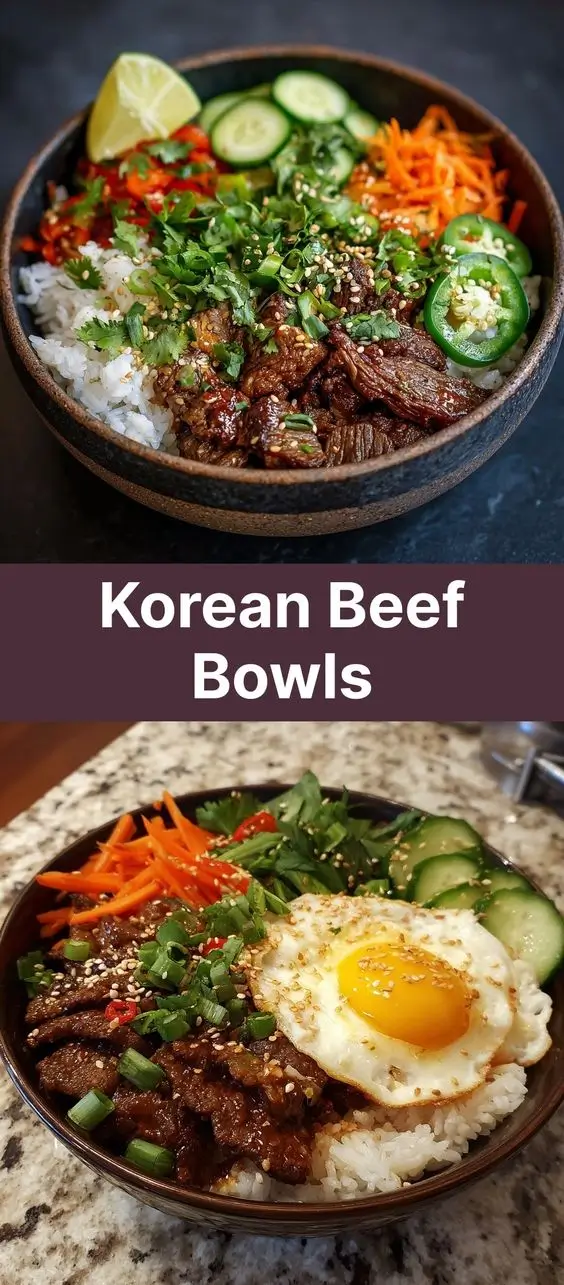
Korean Beef Bowls are a vibrant, flavorful, and satisfying meal that brings the bold tastes of Korean cuisine straight to your dinner table. With tender slices of marinated beef, served over a warm bed of steamed rice and topped with crisp vegetables and a drizzle of savory-sweet sauce, this dish is both comforting and exciting. It’s perfect for busy weeknights, meal prepping, or impressing guests with minimal effort. Inspired by classic Korean dishes like Bulgogi (fire meat), these bowls combine traditional flavors with modern, bowl-style presentation—making them a staple in fusion kitchens around the world.
Whether you’re new to Korean cooking or a seasoned food enthusiast, Korean Beef Bowls offer an accessible entry point into the rich tapestry of Korean flavors. The harmony of sweet, salty, spicy, and umami elements creates a taste experience that lingers on the palate. Plus, their customizable nature allows you to tailor ingredients based on dietary preferences, seasonal produce, or what’s available in your pantry. From the first bite to the last grain of rice scraped from the bowl, every element works together in delicious unity.
The History
The roots of Korean Beef Bowls trace back to Bulgogi, one of Korea’s most iconic dishes. Historically, Bulgogi originated during the Goguryeo era (37 BCE–668 CE) and was originally known as “maekjeok,” where thin slices of beef were grilled on skewers over flames. Over centuries, it evolved into its current form—thinly sliced beef marinated in soy sauce, sugar, sesame oil, garlic, and pear, then grilled or stir-fried.
In ancient times, only the wealthy could afford beef due to Confucian influences that discouraged cattle slaughter. However, by the 20th century, especially after the Korean War, increased access to beef and Western-style grills made bulgogi more widely available. Today, it remains a centerpiece at family gatherings, celebrations, and holidays such as Chuseok (Korean Thanksgiving).
Korean Beef Bowls, as we know them today, are part of a broader culinary trend popularized in the late 2000s and early 2010s—the “grain bowl” movement. As health-conscious consumers sought balanced, nutrient-dense meals, chefs and home cooks began reimagining traditional dishes in bowl formats. Korean flavors, with their complexity and depth, translated beautifully into this format. The result? A globally beloved dish that maintains cultural authenticity while embracing convenience and visual appeal.
This modern adaptation retains the essence of bulgogi but presents it atop rice with fresh vegetables, kimchi, and sauces, often finished with a soft-boiled egg or avocado for extra richness. Food trucks, fast-casual restaurants, and social media influencers have all played roles in spreading the popularity of Korean Beef Bowls far beyond the Korean peninsula.
Ingredients Breakdown
The magic of Korean Beef Bowls lies in the careful selection and balance of ingredients. Each component contributes texture, flavor, and nutrition, creating a harmonious whole. Let’s break down the key elements:
- Beef: Traditionally, ribeye or sirloin is used because of their tenderness and marbling. These cuts absorb marinade well and cook quickly without becoming tough. For leaner options, flank steak or top round can be substituted. The beef should be thinly sliced against the grain to ensure tenderness.
- Soy Sauce: This forms the umami backbone of the marinade. Use regular soy sauce for depth, or tamari for a gluten-free alternative. Low-sodium versions help control salt levels if needed.
- Sugar or Sweeteners: Brown sugar adds caramelization and sweetness, balancing the saltiness of soy sauce. Some recipes use honey, maple syrup, or even grated Asian pear (which also tenderizes the meat). Pear contains natural enzymes (like papain) that help break down proteins, making the beef incredibly tender.
- Sesame Oil: A few drops go a long way in adding nutty aroma and richness. Always use toasted sesame oil for maximum flavor.
- Garlic and Ginger: Freshly minced garlic and grated ginger provide pungency and warmth. They’re essential aromatics that elevate the entire dish.
- Rice Vinegar or Mirin: Adds brightness and subtle acidity. Mirin (sweet rice wine) enhances sweetness and glossiness, while rice vinegar offers tang without overpowering.
- Gochujang (Optional): This fermented red chili paste brings heat, depth, and a hint of fermentation funk. Not traditional in classic bulgogi, but increasingly added for a spicy kick in modern variations.
- Rice: Short-grain white rice is traditional, but brown rice, jasmine rice, or even cauliflower rice work depending on preference. Sticky rice holds the toppings well and soaks up the sauce beautifully.
- Toppings: Common choices include sliced green onions, shredded carrots, cucumber ribbons, pickled radish, sautéed mushrooms, spinach, avocado, and fried or soft-boiled eggs. Kimchi is almost always included—it adds probiotics, spice, and tang.
- Garnishes: Toasted sesame seeds and fresh cilantro add visual flair and textural contrast. A final drizzle of sriracha mayo or extra gochujang boosts flavor intensity.
Every ingredient serves a purpose—not just in taste, but in mouthfeel and overall sensory experience. When combined thoughtfully, they create layers of flavor that unfold with each bite.
Step-by-Step Recipe
Now that you understand the components, let’s walk through how to make authentic-tasting Korean Beef Bowls at home. This version serves four and takes about 45 minutes total (including marinating time).
Ingredients
- 1.5 lbs (680g) ribeye or sirloin, thinly sliced
- ½ cup soy sauce (low sodium preferred)
- ¼ cup brown sugar (packed)
- 3 tbsp water
- 2 tbsp toasted sesame oil
- 4 cloves garlic, minced
- 1 tbsp fresh ginger, grated
- 1 medium Asian pear or ½ regular pear, grated (optional but recommended)
- 1 tbsp rice vinegar or mirin
- 1 tsp black pepper
- 2 tsp cornstarch (optional, for thickening sauce)
- 4 cups cooked short-grain white rice
- For serving: sliced green onions, shredded carrots, cucumber slices, kimchi, soft-boiled eggs, avocado, toasted sesame seeds
Directions
- Prepare the Marinade: In a large mixing bowl, whisk together soy sauce, brown sugar, water, sesame oil, garlic, ginger, grated pear, rice vinegar, and black pepper until the sugar dissolves completely.
- Marinate the Beef: Add the sliced beef to the marinade, ensuring each piece is well-coated. Cover and refrigerate for at least 30 minutes, or ideally 1–2 hours. Do not exceed 4 hours, as the acidity may begin to “cook” the meat slightly.
- Cook the Rice: While the beef marinates, prepare your rice according to package instructions. Keep warm.
- Make the Sauce (Optional Thickening): After removing the beef from the marinade, reserve ¼ cup of the liquid. In a small bowl, mix cornstarch with 1 tablespoon water to make a slurry. Set aside.
- Sear the Beef: Heat 1 tablespoon of neutral oil (like vegetable or canola) in a large skillet or wok over high heat. Once hot, add the marinated beef in a single layer (work in batches to avoid overcrowding). Sear for 2–3 minutes per side until caramelized and cooked through. Remove and set aside.
- Reduce the Sauce: Pour the reserved marinade into the same pan. Bring to a simmer, scraping up any browned bits (fond). Stir in the cornstarch slurry and cook for 1–2 minutes until slightly thickened. Return the beef to the pan and toss to coat evenly. Turn off heat.
- Assemble the Bowls: Divide warm rice among four bowls. Top each with a generous portion of Korean beef. Arrange toppings: green onions, carrots, cucumbers, kimchi, avocado, and a halved soft-boiled egg.
- Garnish and Serve: Sprinkle with toasted sesame seeds and chopped cilantro. Drizzle with extra sauce, sriracha, or gochujang mayo if desired. Serve immediately while hot.
Tips
- Slice Thinly: Freeze the beef for 20–30 minutes before slicing—it makes cutting much easier and ensures paper-thin pieces.
- Don’t Overcrowd the Pan: Cooking too many pieces at once lowers the temperature and causes steaming instead of searing, resulting in less flavor.
- Use Fresh Aromatics: Pre-minced garlic or powdered ginger won’t deliver the same punch. Fresh is best here.
- Brown Bits = Flavor: Those crispy bits stuck to the pan (fond) are flavor gold. Deglaze with the marinade to incorporate them fully.
- Balance Toppings: Include a mix of textures—crunchy (carrots), creamy (avocado), tangy (kimchi), and rich (egg yolk)—for maximum enjoyment.
- Meal Prep Friendly: Marinate the beef ahead, store sauce separately, and pre-cut veggies. Assemble bowls fresh when ready to eat.
- Double the Batch: Leftover beef freezes well and can be reused in tacos, noodles, or salads later in the week.
Variations and Customizations
One of the greatest strengths of Korean Beef Bowls is their adaptability. Here are some creative twists and substitutions:
- Protein Swaps: Replace beef with chicken, pork (especially pork belly), tofu, tempeh, or mushrooms (shiitake or oyster) for vegetarian/vegan versions. Adjust marinating time accordingly—tofu benefits from longer soaking.
- Spicy Version: Add 1–2 tablespoons of gochujang to the marinade, or finish with a swirl of gochugaru (Korean chili flakes) mixed with oil. You can also serve with extra spicy kimchi.
- Low-Carb/Keto: Swap rice for cauliflower rice, reduce sugar using erythritol or monk fruit, and increase healthy fats with avocado and extra sesame oil.
- Gluten-Free: Use tamari or coconut aminos instead of soy sauce. Ensure all other ingredients (like gochujang) are certified gluten-free.
- Pineapple Twist: Add crushed pineapple or pineapple juice to the marinade—its natural enzymes tenderize the meat and lend tropical sweetness.
- Bibimbap Style: Turn it into Korean Mixed Rice Bowl by sautéing seasoned vegetables (spinach, zucchini, bean sprouts) and arranging them neatly over rice before adding beef and egg.
- Noodle Bowl Fusion: Serve over udon, soba, or ramen noodles instead of rice for a heartier, slurpable version.
- Breakfast Bowl: Add a runny fried egg, hash browns, and scallions for a brunch twist.
- Grill Option: Thread marinated beef onto skewers and grill for a smoky, charred flavor reminiscent of street food.
You can also rotate seasonal vegetables—roasted sweet potatoes in fall, blanched asparagus in spring, or pickled daikon year-round. The possibilities are endless.
Health Considerations and Nutritional Value
Korean Beef Bowls can be a nutritious and balanced meal when prepared with mindful ingredient choices. Here’s a general nutritional breakdown per serving (assuming 4 servings, with white rice and standard toppings):
- Calories: ~600–750 kcal
- Protein: ~35–40g (excellent source from beef and egg)
- Fat: ~20–25g (mostly unsaturated from sesame oil and avocado)
- Carbohydrates: ~70–80g (primarily from rice and sugar in marinade)
- Sodium: ~900–1,200mg (mainly from soy sauce; can be reduced with low-sodium alternatives)
- Fiber: ~4–6g (from vegetables and optional brown rice)
Health Benefits:
- High-Quality Protein: Supports muscle repair and satiety.
- Antioxidants & Anti-Inflammatory Compounds: Garlic, ginger, and sesame seeds have been studied for immune support and anti-inflammatory properties.
- Probiotics: Kimchi is fermented and contains beneficial bacteria for gut health.
- Healthy Fats: Sesame oil and avocado contribute monounsaturated fats, which support heart health.
- Vitamins & Minerals: Green onions (vitamin C), carrots (beta-carotene), spinach (iron and folate), and eggs (choline and vitamin D) boost micronutrient intake.
Considerations:
- Sodium Content: Traditional soy sauce is high in sodium. To lower it, use reduced-sodium soy sauce, dilute with water, or substitute part of the liquid with coconut aminos.
- Sugar Levels: The marinade contains sugar for flavor and browning. Reduce by half or use natural sweeteners like monk fruit if managing blood sugar.
- Portion Control: While delicious, the calorie density can add up—especially with added oils, sauces, and rice. Use smaller portions of beef and double the veggies for a lighter option.
- Allergens: Contains soy, sesame, and potentially gluten. Adapt as needed for allergies.
Overall, Korean Beef Bowls can fit into various diets—including Mediterranean, flexitarian, or balanced omnivorous plans—when customized appropriately.
FAQ
Can I make Korean Beef Bowls ahead of time?
Yes! Marinate the beef up to 24 hours in advance. Cooked beef stores well in the fridge for 3–4 days. Reheat gently in a pan with a splash of water to prevent drying. Assemble bowls fresh for best texture.
Can I freeze Korean beef?
Absolutely. Freeze cooked beef (without rice or fresh toppings) in airtight containers for up to 3 months. Thaw overnight in the refrigerator and reheat on the stove or microwave.
What can I use instead of Asian pear?
Regular pear, apple, or pineapple work well. They contain similar tenderizing enzymes. Just grate finely and strain excess juice if needed.
Is gochujang necessary?
No, it’s optional. Traditional bulgogi is mild, but many enjoy the heat. Add it to taste or serve on the side.
Can I make this vegetarian?
Yes. Substitute beef with marinated tofu, mushrooms, or jackfruit. Use the same marinade and cooking method, adjusting time as needed.
Why did my beef turn out chewy?
Likely causes: using a tough cut, slicing with the grain, overcooking, or insufficient marinating. Always slice thinly across the grain and don’t cook beyond 3–4 minutes total.
Can I use frozen rice?
Yes. Frozen pre-cooked rice heats up quickly in the microwave or pan. Just fluff before serving.
How do I keep the rice from getting soggy?
Store components separately. Only combine when ready to eat. If packing for lunch, place sauce at the bottom and rice in the middle to act as a barrier.
Summary
Korean Beef Bowls blend the rich tradition of bulgogi with modern, wholesome eating habits, offering a flavorful, customizable, and nutritious meal that satisfies both the palate and the soul. Easy to prepare, endlessly adaptable, and deeply rooted in culture, this dish is a must-have in every home cook’s repertoire.