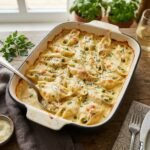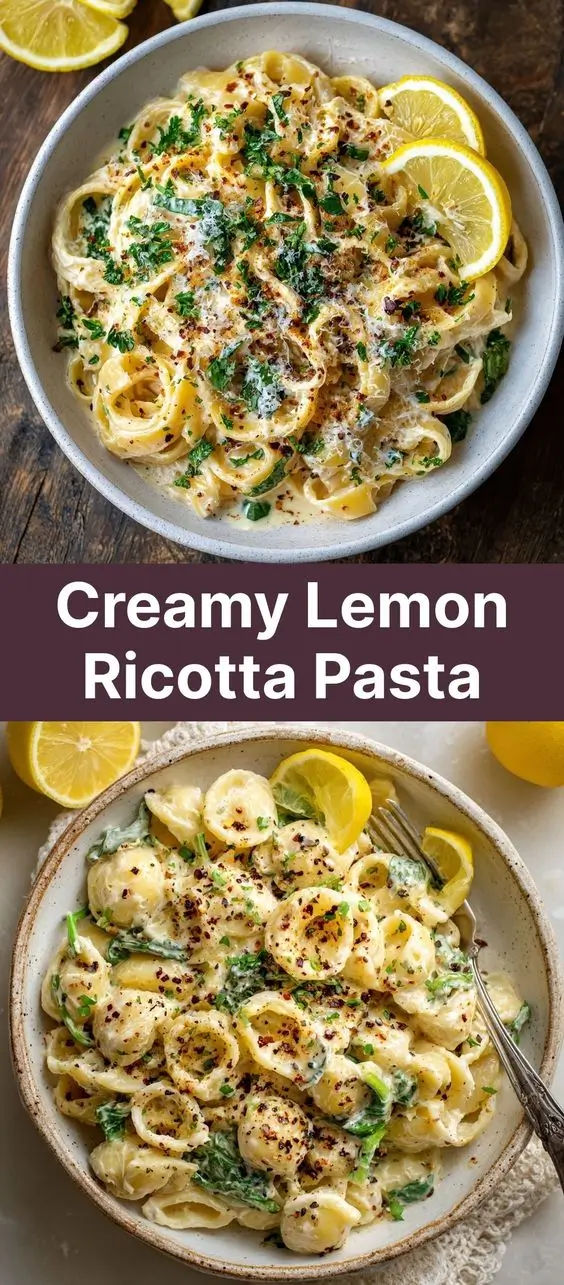
Creamy Lemon Ricotta Pasta: A Luxurious Yet Simple Delight
The world of Italian cuisine is rich with comfort, elegance, and a deep appreciation for high-quality ingredients. Among its many treasures, Creamy Lemon Ricotta Pasta stands out as a modern classic—a dish that marries simplicity with sophistication. Originating from Southern Italy, where fresh ricotta has been a staple for centuries, this pasta variation emerged in the late 20th century as chefs and home cooks alike began experimenting with lighter, brighter sauces. Unlike traditional creamy pastas that rely on heavy cream or butter, this recipe harnesses the natural silkiness of ricotta cheese, elevated by the vibrant acidity of lemon. It’s believed to have first gained popularity in coastal regions like Campania and Sicily, where citrus groves flourish and dairy is crafted daily. Over time, food bloggers and culinary influencers brought it into global spotlight, making it a go-to weeknight meal for those seeking restaurant-quality flavor without the fuss.
Why This Dish Works: The Magic Behind the Ingredients
The beauty of Creamy Lemon Ricotta Pasta lies in its minimalist ingredient list—each component plays a crucial role in building layers of flavor and texture. Let’s break them down:
- Ricotta Cheese: The star of the show. Fresh, whole-milk ricotta provides a creamy base without being overly heavy. Its mild sweetness and slight graininess dissolve beautifully into hot pasta water, creating an emulsified sauce.
- Lemons: Both zest and juice are essential. The zest contains aromatic oils that infuse the dish with intense citrus perfume, while the juice adds brightness and cuts through the richness.
- Pasta: Ideally, use short tubular shapes like rigatoni, penne, or fusilli—they trap the creamy sauce in their nooks. Long pastas like linguine can also work but may require more attention to emulsification.
- Parmesan or Pecorino Romano: Adds umami depth and saltiness, helping to balance the lemon’s tartness.
- Garlic: Used sparingly (often raw or lightly sautéed), it introduces a subtle pungency without overpowering the delicate lemon-ricotta blend.
- Olive Oil: High-quality extra virgin olive oil contributes fruitiness and helps bind the sauce, enhancing mouthfeel.
- Fresh Herbs (Basil, Mint, or Parsley): Optional but highly recommended. They add freshness and color contrast.
- Salt & Pepper: Critical for seasoning at every stage—underseasoned ricotta pasta falls flat.
- Pasta Water: Often overlooked, starchy pasta water is the secret weapon that transforms clumpy ricotta into a silky, cohesive sauce.
Step-by-Step Recipe: Crafting Perfection One Spoonful at a Time
- Bring a large pot of salted water to a boil. Use about 4 quarts of water and 2–3 tablespoons of kosher salt. The water should taste like the sea—it seasons the pasta from within.
- Cook 12 ounces (340g) of dried pasta according to package instructions until al dente. Reserve 1½ cups of pasta water before draining.
- While the pasta cooks, prepare your ricotta mixture. In a large bowl, combine 1½ cups (360g) of whole-milk ricotta, the zest of 2 medium lemons, ¼ cup (60ml) of fresh lemon juice, ½ cup (50g) freshly grated Parmesan or Pecorino, and 3 tablespoons of extra virgin olive oil.
- Add minced garlic if desired (1–2 cloves, finely minced or pressed). For a milder flavor, let it sit in the lemon juice for 5 minutes before mixing.
- Season generously with freshly cracked black pepper and salt, starting with ½ teaspoon of salt and adjusting later. Remember, cheese and pasta water add salt too.
- Drain the cooked pasta and immediately add it to the bowl with the ricotta mixture. Do not rinse.
- Begin tossing vigorously, adding warm pasta water one ladle at a time (start with ¼ cup) until the sauce becomes smooth, glossy, and clings to each strand or tube. This step takes patience—keep stirring and adding liquid slowly until you reach a velvety consistency.
- Taste and adjust seasoning. Add more lemon juice for brightness, cheese for richness, or pepper for spice.
- Stir in fresh herbs—¼ cup chopped basil, mint, or parsley—for added aroma and visual appeal.
- Serve immediately, garnished with extra grated cheese, lemon zest, a drizzle of olive oil, and a twist of black pepper.
Pro Tips for Success: Elevate Your Technique
- Use full-fat, fresh ricotta. Low-fat versions are watery and lack structure. Opt for sheep’s milk or cow’s milk ricotta from reputable brands or local markets. Avoid pre-shredded or “whipped” ricotta.
- Grate your own cheese. Pre-grated cheeses contain anti-caking agents that hinder melting and emulsifying.
- Warm the ricotta slightly if it’s straight from the fridge. Let it sit at room temperature for 15–20 minutes or warm gently over a double boiler to make blending easier.
- Reserve plenty of pasta water. You’ll likely use ¾ to 1 cup. Its starch content is key to binding the sauce.
- Don’t skip the zest. Most of the lemon’s fragrance lives in the peel. Use a microplane for fine, even shavings without bitter white pith.
- Work quickly when combining. The heat of the pasta activates the sauce-making process. Delaying increases the risk of curdling or separation.
- For extra creaminess, blend half the ricotta with lemon juice and olive oil before folding in the rest for a smoother texture.
- If reheating leftovers, do so gently on the stove with a splash of milk or water, as microwaving can cause graininess.
Variations and Customizations: Make It Your Own
This recipe is incredibly versatile. Here are some inspired twists:
- Add Protein: Top with grilled chicken, seared shrimp, sautéed scallops, or crispy pancetta. Poached salmon flaked in adds elegance.
- Vegetable Boost: Stir in roasted asparagus, blistered cherry tomatoes, wilted spinach, sautéed zucchini ribbons, or artichoke hearts.
- Spice It Up: Add red pepper flakes (½ tsp) during mixing or finish with chili oil for heat.
- Herb Variations: Try tarragon for a subtle anise note, dill for a Mediterranean flair, or chives for oniony freshness.
- Dairy-Free Version: Substitute ricotta with blended silken tofu + nutritional yeast (¾ cup tofu + 2 tbsp yeast + 1 tbsp lemon juice + 1 tbsp olive oil). Adjust seasoning carefully.
- Gluten-Free Adaptation: Use high-quality gluten-free pasta (like Barilla or Jovial). Cook carefully and reserve even more starchy water due to different absorption rates.
- Seafood Infusion: Fold in lump crab meat or imitation crab for a luxurious coastal twist.
- Truffle Upgrade: Drizzle with truffle oil or shave fresh black truffle on top for gourmet flair.
- Breakfast Pasta: Serve with a soft-poached egg on top—the yolk enriches the sauce further.
- Dessert-Inspired: Reduce sugar-free and swap herbs for vanilla bean and berries—but keep savory elements minimal.
Health Considerations and Nutritional Value
Creamy Lemon Ricotta Pasta offers a surprisingly balanced nutritional profile compared to cream-based alternatives:
- Calories: Approximately 450–550 per serving (depending on additions).
- Protein: Ricotta and Parmesan provide around 18–22g of protein per serving—great for muscle repair and satiety.
- Fat: Contains healthy fats from olive oil and dairy. Ricotta is lower in fat than mascarpone or heavy cream.
- Carbohydrates: About 60–70g from pasta; choose whole grain for increased fiber (adds 5–7g per serving).
- Calcium & Phosphorus: Abundant from dairy, supporting bone health.
- Vitamin C: From lemon juice (~30% DV per serving), aiding iron absorption and immunity.
- Lactose Content: Moderate. Ricotta contains less lactose than other cheeses, but sensitive individuals may need plant-based substitutes.
- Sodium Awareness: Can be high due to cheese and salted water. Use low-sodium ricotta and reduce added salt if needed.
- Low Glycemic Index Option: Pair with legume-based pasta (lentil, chickpea) for slower-digesting carbs and added plant protein.
This dish fits well into Mediterranean-style diets, emphasizing vegetables, healthy fats, lean proteins, and minimally processed ingredients. To lighten it further:
- Reduce ricotta by ¼ cup and increase reserved pasta water.
- Increase veggie volume (aim for half the plate).
- Use part-skim ricotta (though texture suffers slightly).
- Serve smaller portions alongside a robust salad.
Full Ingredient List (Serves 4)
- 12 oz (340g) dried pasta (penne, rigatoni, fusilli, or linguine)
- 1½ cups (360g) whole-milk ricotta cheese, preferably fresh
- Zest of 2 medium lemons
- ¼ cup (60ml) freshly squeezed lemon juice (about 2 lemons)
- ½ cup (50g) freshly grated Parmigiano-Reggiano or Pecorino Romano
- 3 tbsp extra virgin olive oil
- 1–2 cloves garlic, finely minced or pressed
- 1 tsp freshly cracked black pepper (plus more to taste)
- ½ tsp kosher salt (adjust to taste)
- 1½ cups reserved pasta cooking water (starchy!)
- ¼ cup chopped fresh herbs (basil, parsley, or mint)
- Optional garnishes: extra cheese, lemon slices, chili flakes, microgreens
Detailed Directions (Revisited for Clarity)
- Boil Salty Water: Fill a large pot with 4 quarts of water. Add 2–3 tbsp kosher salt. Bring to a rolling boil.
- Cook Pasta Al Dente: Add pasta and cook 1–2 minutes less than package suggests. Stir occasionally to prevent sticking.
- Prepare Sauce Base: While pasta cooks, whisk together ricotta, lemon zest, lemon juice, grated cheese, olive oil, minced garlic, black pepper, and ½ tsp salt in a large serving bowl.
- Reserve Starchy Water: Before draining, scoop out 1½ cups of hot pasta water. Set aside.
- Drain and Transfer: Drain pasta thoroughly and immediately transfer to the bowl with ricotta mixture.
- Emulsify Gradually: Begin tossing the hot pasta with the ricotta blend. Add ¼ cup of reserved water and continue mixing. Repeat, adding another ¼ cup every 30 seconds, until sauce turns smooth and coats each piece evenly.
- Adjust Consistency: If too thick, add more water. If too thin, let residual heat thicken it briefly or stir in a bit more cheese.
- Taste Critically: Balance flavors—more lemon? More cheese? More pepper? Season now.
- Fold in Herbs: Gently mix in fresh herbs just before serving to preserve color and aroma.
- Plate Immediately: Divide among warm bowls. Garnish with extra zest, cheese, herbs, olive oil drizzle, and cracked pepper.
- Pair Thoughtfully: Serve with a crisp green salad, garlic bread, or chilled white wine like Pinot Grigio or Vermentino.
Frequently Asked Questions (FAQ)
Can I make this ahead of time?
Best served fresh, but components can be prepped in advance. Cook pasta just before serving. Ricotta mixture can be made 2 hours ahead and stored covered in the fridge—bring to room temp before using.
Why is my sauce grainy or broken?
Likely causes: cold ricotta, insufficient liquid, or under-seasoning. Warm ingredients properly, use enough starchy water, and toss continuously over low heat if needed.
Can I reheat leftovers?
Yes, but carefully. Reheat on the stovetop over low heat with a splash of milk, water, or broth, stirring constantly. Microwave risks overheating and curdling.
Is frozen ricotta okay?
No. Freezing alters ricotta’s texture, making it watery and granular. Always use fresh.
What pasta shape works best?
Short, textured shapes like rigatoni, campanelle, or cascatelli hold sauce best. Smooth pastas like spaghetti require more skill to coat evenly.
Can I use bottled lemon juice?
Not recommended. Freshly squeezed lemon juice has superior brightness and lacks preservatives. Bottled versions often taste flat or metallic.
How do I store leftovers?
Keep in an airtight container in the refrigerator for up to 3 days. Freeze only if necessary (texture degrades upon thawing).
Can I add eggs?
Yes, for a carbonara-like effect. Temper beaten egg yolks with hot pasta water before mixing in. Avoid scrambling by controlling temperature.
Is this kid-friendly?
Many children enjoy the creamy texture. Reduce lemon juice slightly and add a touch of honey or serve with steamed peas for picky eaters.
Can I make it vegan?
Absolutely. Use cashew ricotta (blended soaked cashews + lemon + nutritional yeast + salt) or store-bought vegan ricotta alternative. Ensure all other ingredients are plant-based.
Summary
Creamy Lemon Ricotta Pasta is a harmonious blend of tangy citrus, luscious dairy, and perfectly cooked noodles, elevated by simple techniques and quality ingredients.
Quick to make, endlessly customizable, and nutritionally balanced, it’s a must-have in any modern home cook’s repertoire.