Introduction
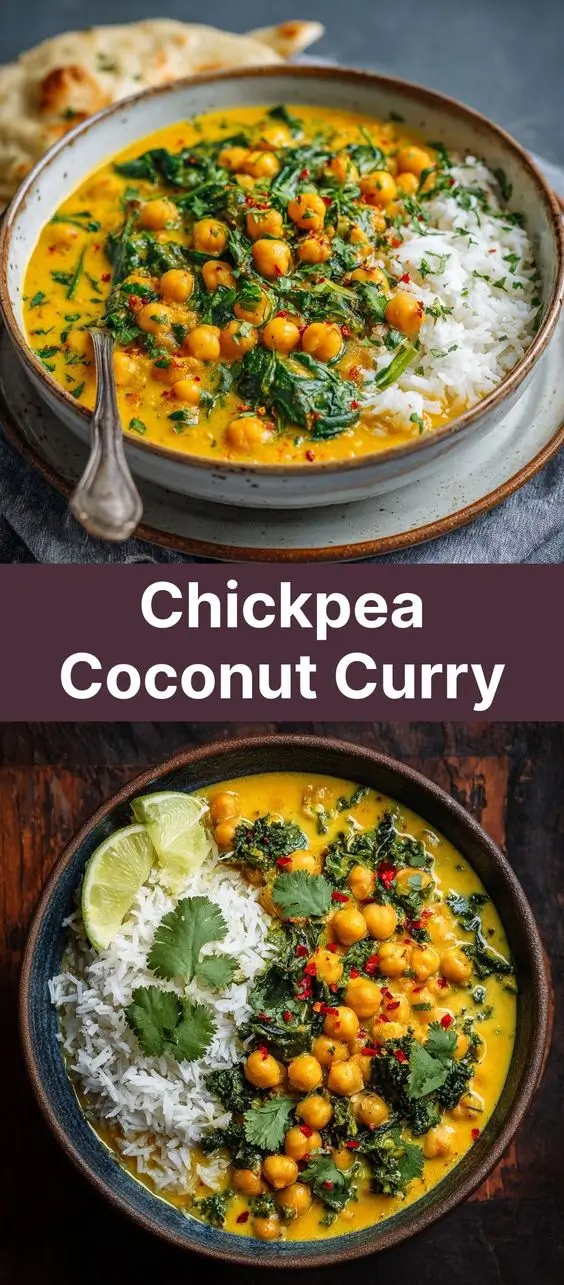
Chickpea Coconut Curry is a vibrant, aromatic dish that brings together the earthy richness of chickpeas with the creamy sweetness of coconut milk, all elevated by a symphony of warm spices. Originating from South Asian culinary traditions but embraced and adapted globally, this plant-based curry has become a beloved staple in vegetarian and vegan kitchens worldwide. Whether served over fluffy basmati rice, paired with warm naan bread, or enjoyed on its own, Chickpea Coconut Curry offers comfort, nutrition, and bold flavor in every bite. Its versatility makes it perfect for weeknight dinners, meal prepping, or impressing guests at dinner parties.
The History
The roots of Chickpea Coconut Curry can be traced back to the Indian subcontinent, where legumes like chickpeas (known as chana or garbanzo beans) have been dietary staples for thousands of years. In regions such as Kerala, Tamil Nadu, and Sri Lanka, coconut—especially in the form of grated flesh, milk, or oil—is a foundational ingredient in many traditional curries. The fusion of chickpeas and coconut likely emerged along the coastal areas of South India and Sri Lanka, where both ingredients are abundantly available.
Over centuries, trade routes introduced new spices and cooking techniques, enriching local recipes. With the spread of Indian cuisine through migration and colonization, variations of this curry appeared in places like Malaysia, Singapore, the Caribbean, and East Africa. In these regions, local flavors were incorporated—such as tamarind, mustard seeds, or chili peppers—giving rise to diverse interpretations of the original dish. Today, Chickpea Coconut Curry stands as a testament to culinary evolution, blending tradition with global influence, and remains a shining example of how simple, wholesome ingredients can create deeply satisfying meals.
Ingredients Breakdown
The magic of Chickpea Coconut Curry lies not only in its complex flavor profile but also in the careful selection and balance of its ingredients. Each component plays a vital role in building layers of taste, texture, and aroma:
- Chickpeas (Garbanzo Beans): The star protein source, packed with fiber, iron, and plant-based protein. Canned chickpeas offer convenience, while dried ones provide a more tender, customizable texture when soaked and cooked.
- Coconut Milk: Full-fat coconut milk delivers a luxurious creaminess and subtle sweetness that balances the spices. Light coconut milk can be used for a thinner consistency, though it reduces richness.
- Onion, Garlic, and Ginger: These aromatics form the flavor base. Red or yellow onions add depth; fresh garlic brings pungency; ginger contributes warmth and slight spiciness.
- Tomatoes: Fresh ripe tomatoes or canned crushed tomatoes introduce acidity and brightness, helping cut through the richness of the coconut.
- Curry Spices: Turmeric lends color and anti-inflammatory benefits; cumin adds earthiness; coriander offers citrusy notes; garam masala provides warmth and complexity; chili powder or fresh chilies bring heat.
- Vegetable Oil or Ghee: Used for sautéing, it helps bloom the spices and enhances mouthfeel. Coconut oil complements the coconut milk beautifully.
- Fresh Herbs: Cilantro (coriander leaves) adds freshness when added at the end. Optional additions include curry leaves or Thai basil for regional twists.
- Lime Juice or Lemon Juice: A splash at the end brightens the entire dish, enhancing other flavors.
- Salt and Sweetener (optional): Salt enhances all components. A pinch of sugar or maple syrup may be added to balance excessive tartness from tomatoes.
Step-by-Step Recipe
- Prepare Ingredients: Drain and rinse 2 cans (15 oz each) of chickpeas. Chop 1 large onion, mince 3–4 garlic cloves, grate 1-inch piece of ginger, dice 2 medium tomatoes or measure 1 cup crushed tomatoes.
- Sauté Aromatics: Heat 2 tablespoons of oil in a large pot or deep skillet over medium heat. Add chopped onions and cook until golden brown (about 6–8 minutes), stirring frequently to prevent burning.
- Add Ginger-Garlic Paste: Stir in minced garlic and grated ginger. Cook for 1–2 minutes until fragrant but not burnt.
- Bloom the Spices: Reduce heat slightly. Add 1 teaspoon ground cumin, 1 teaspoon ground coriander, ½ teaspoon turmeric, ½ teaspoon chili powder (adjust to taste), and a pinch of salt. Stir quickly for 30 seconds to release essential oils—this step is crucial for deep flavor development.
- Incorporate Tomatoes: Add diced or crushed tomatoes. Cook down for 5–7 minutes, stirring occasionally, until the mixture thickens and the oil begins to separate slightly from the paste—a sign that the base is well-cooked.
- Add Chickpeas: Stir in the drained chickpeas. Mix well to coat them evenly with the spice-tomato mixture. Cook for 2–3 minutes to allow the chickpeas to absorb some flavor.
- Pour in Coconut Milk: Slowly pour in 1 can (13.5–14 oz) of full-fat coconut milk. Stir gently to combine. Bring the mixture to a gentle simmer—do not boil vigorously, as coconut milk can separate.
- Simmer the Curry: Reduce heat to low. Cover partially and let the curry simmer for 15–20 minutes, allowing the flavors to meld and the sauce to thicken slightly. Stir occasionally.
- Season and Finish: Taste and adjust seasoning—add more salt, chili, or a squeeze of lime juice as needed. Stir in ½ teaspoon garam masala just before turning off the heat for an aromatic finish.
- Garnish and Serve: Sprinkle generously with freshly chopped cilantro. For extra richness, stir in a tablespoon of coconut cream just before serving.
Tips
- Use Full-Fat Coconut Milk: It provides the best texture and flavor. Shake the can well before opening, or better yet, use homemade coconut milk if possible.
- Don’t Rush the Onion Cooking: Allowing onions to caramelize slowly builds a sweeter, deeper foundation for the curry.
- Bloom Spices Properly: Always add dry spices after aromatics and cook briefly in oil—it unlocks their full potential without making them bitter.
- Tomato Quality Matters: Use ripe, juicy tomatoes in season, or high-quality canned tomatoes like San Marzano for consistent results.
- Simmer, Don’t Boil: High heat can cause coconut milk to curdle. Keep the flame low during simmering.
- Let It Rest: Like most curries, Chickpea Coconut Curry tastes even better the next day after the flavors have fully integrated.
- Adjust Consistency: If the curry is too thick, add a splash of vegetable broth or water. If too thin, simmer uncovered for a few extra minutes.
- Toast Whole Spices First (Optional): For a restaurant-level depth, toast whole cumin seeds, mustard seeds, or cardamom pods in oil before adding onions.
Variations and Customizations
One of the greatest strengths of Chickpea Coconut Curry is its adaptability. Here are numerous ways to personalize it based on dietary needs, flavor preferences, or what’s in your pantry:
- Vegetable-Packed Version: Add spinach, kale, sweet potatoes, cauliflower, bell peppers, zucchini, or green beans during the last 10 minutes of cooking.
- Protein Boost: Stir in tofu cubes, tempeh, paneer, or lentils for added texture and protein.
- Thai-Inspired Twist: Replace garam masala with red or green curry paste, add lemongrass, kaffir lime leaves, and fish sauce (or soy sauce for vegan option).
- Sri Lankan Style: Use roasted curry powder, add cinnamon stick, mustard seeds, fenugreek seeds, and curry leaves for authentic island flavor.
- Spicier Kick: Include fresh green or red chilies, increase chili powder, or add a dash of cayenne pepper.
- Creamier Texture: Blend half the curry before adding chickpeas back in for a velvety, soup-like consistency.
- Gluten-Free & Allergen-Friendly: Naturally gluten-free, this curry is safe for those with gluten sensitivities. Ensure all packaged ingredients (like canned tomatoes or broth) are certified GF if necessary.
- Low-Fat Option: Substitute full-fat coconut milk with light coconut milk or unsweetened almond milk (though creaminess will decrease).
- Instant Pot/Pressure Cooker Method: Sauté aromatics using the sauté function, then add all ingredients except cilantro and lime. Pressure cook on high for 8 minutes, natural release for 10 minutes. Finish as usual.
- Slow Cooker Version: Combine all ingredients (except garnishes) in a slow cooker and cook on low for 6–8 hours or high for 3–4 hours.
Health Considerations and Nutritional Value
Chickpea Coconut Curry isn’t just delicious—it’s also a powerhouse of nutrition, especially when prepared with mindful ingredient choices:
- High in Plant-Based Protein: One cup of chickpeas contains about 15 grams of protein, supporting muscle repair and satiety.
- Fiber-Rich: With approximately 12 grams of fiber per cup of chickpeas, this curry promotes digestive health, regulates blood sugar, and supports heart health.
- Healthy Fats: Coconut milk contains medium-chain triglycerides (MCTs), which are metabolized differently than long-chain fats and may support energy levels and brain function in moderation.
- Rich in Vitamins and Minerals: Chickpeas provide iron, folate, magnesium, and phosphorus. Turmeric contains curcumin, a potent anti-inflammatory compound. Tomatoes contribute vitamin C and lycopene.
- Antioxidant Support: Garlic, ginger, and various spices contain antioxidants that help combat oxidative stress.
- Dietary Flexibility: Easily adaptable for vegan, vegetarian, dairy-free, gluten-free, and nut-free diets.
- Calorie Awareness: While nutritious, full-fat coconut milk increases calorie density. A typical serving (1.5 cups) ranges between 350–450 calories depending on ingredients. Portion control is key for weight management goals.
- Sodium Content: Using low-sodium canned chickpeas and controlling added salt helps keep sodium levels in check, beneficial for individuals managing hypertension.
- Glycemic Impact: Due to high fiber and protein content, this curry has a low glycemic index, making it suitable for diabetics when consumed in balanced portions.
Ingredients
- 2 tablespoons coconut oil or vegetable oil
- 1 large yellow or red onion, finely chopped
- 3–4 garlic cloves, minced
- 1-inch piece of fresh ginger, grated
- 2 medium tomatoes, diced (or 1 cup crushed tomatoes)
- 2 teaspoons ground cumin
- 2 teaspoons ground coriander
- 1 teaspoon ground turmeric
- ½–1 teaspoon chili powder (adjust to taste)
- 1 teaspoon garam masala (plus extra for finishing)
- 2 (15 oz) cans chickpeas, drained and rinsed
- 1 (13.5–14 oz) can full-fat coconut milk
- ½ teaspoon sea salt (adjust to taste)
- 1 tablespoon lime juice or lemon juice
- Fresh cilantro, chopped (for garnish)
- Optional: ¼ cup coconut cream for extra richness
Directions
- Heat oil in a large pot or Dutch oven over medium heat. Add chopped onions and sauté for 6–8 minutes until soft and golden.
- Add minced garlic and grated ginger. Sauté for 1 minute until fragrant.
- Stir in cumin, coriander, turmeric, chili powder, and a pinch of salt. Cook for 30 seconds, stirring constantly.
- Add diced tomatoes and cook for 5–7 minutes, stirring occasionally, until the mixture thickens and the oil starts to separate.
- Add the chickpeas and stir to coat with the spice mixture. Cook for 2–3 minutes.
- Pour in the coconut milk and stir well. Bring to a gentle simmer.
- Reduce heat to low, cover partially, and simmer for 15–20 minutes, stirring occasionally.
- Taste and adjust seasoning—add more salt, spice, or lime juice as desired.
- Turn off heat. Stir in garam masala and lime juice.
- Transfer to serving bowls. Drizzle with coconut cream if using, and top generously with fresh cilantro.
- Serve hot with basmati rice, quinoa, naan bread, or roti.
FAQ
Can I make Chickpea Coconut Curry ahead of time?
Yes! This curry reheats beautifully and often tastes better the next day. Store in an airtight container in the refrigerator for up to 5 days or freeze for up to 3 months.
Is this curry spicy?
It depends on how much chili powder or fresh chilies you use. You can easily adjust the heat level to mild, medium, or hot according to preference.
Can I use dried chickpeas instead of canned?
Absolutely. Soak 1 cup of dried chickpeas overnight, then boil until tender (about 1–1.5 hours) before using. They’ll have a softer texture and absorb flavors more deeply.
Why did my coconut milk separate?
This usually happens due to high heat. Always simmer gently and avoid boiling. Stirring frequently also helps maintain emulsion.
What can I serve with Chickpea Coconut Curry?
Great options include steamed basmati rice, jasmine rice, quinoa, millet, or flatbreads like naan, roti, or paratha. A side of cucumber raita or mango chutney complements it perfectly.
Can I make this oil-free?
Yes. Use water or vegetable broth for sautéing instead of oil. While the flavor will be lighter, it’s still tasty and ideal for strict whole-food, plant-based diets.
How do I make it thicker or thinner?
To thicken, simmer uncovered longer. To thin, add more coconut milk, broth, or water in small increments.
Are there any allergens in this recipe?
The main allergen is coconut (a tree nut). If allergic, substitute with cashew cream or oat milk blended with sunflower seeds for creaminess.
Summary
Chickpea Coconut Curry is a nourishing, flavorful, and versatile dish that combines protein-rich chickpeas with creamy coconut milk and fragrant spices for a satisfying plant-based meal. Easy to customize, packed with nutrients, and perfect for any season, it’s a must-have recipe for home cooks seeking comfort and wellness in every bite.