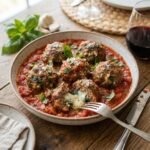
Creamy Garlic Butter Ravioli is a luxurious, comforting dish that combines the rich flavors of garlic, butter, and cream with tender, pillowy ravioli. Whether you’re preparing a romantic dinner for two or treating yourself to a gourmet meal at home, this recipe delivers restaurant-quality elegance in every bite. With its silky sauce and aromatic undertones, it’s no wonder this dish has become a favorite among pasta lovers across the world.
The History
Ravioli itself dates back to the 14th century, with early mentions found in Italian cookbooks like The Libro della cucina. Originating from Northern Italy, ravioli—meaning “little parcels” or “small bundles”—was traditionally stuffed with leftover meats, cheese, or vegetables wrapped in fresh pasta dough. Over time, regional variations flourished, and ravioli became a staple in Italian cuisine.
The concept of pairing ravioli with creamy, garlicky sauces evolved more recently, particularly influenced by French and American culinary techniques during the 20th century. While traditional Italian preparations favored simple sauces like sage and browned butter or light tomato-based options, the addition of heavy cream and copious garlic emerged as a decadent twist popularized in modern fusion cooking and upscale Italian-American restaurants. Today, Creamy Garlic Butter Ravioli stands as a testament to how classic dishes can be elevated through rich, indulgent enhancements while still honoring their roots.
Ingredients Breakdown
Understanding each ingredient helps elevate your cooking experience and allows for thoughtful substitutions when needed. Here’s a detailed look at what goes into making this dish shine:
- Ravioli (fresh or frozen): The star of the dish. Choose cheese-filled ravioli for a classic taste, or opt for spinach-ricotta, mushroom, or meat-filled varieties depending on your preference. Fresh ravioli offers a softer texture, while frozen works perfectly and is more accessible.
- Unsalted butter: Provides a rich, velvety base for the sauce. Using unsalted butter gives you control over the salt content, ensuring a balanced flavor profile.
- Garlic (freshly minced): Essential for depth and aroma. Fresh garlic is far superior to powdered or pre-minced versions, releasing a pungent yet sweet fragrance when sautéed gently in butter.
- Heavy cream: Adds luscious thickness and smoothness to the sauce. It binds the garlic and butter together into a cohesive, silky coating for the ravioli.
- Grated Parmesan cheese: Offers a salty, nutty umami boost. High-quality Parmigiano-Reggiano melts beautifully into the sauce, enhancing richness without overpowering.
- Fresh parsley (chopped): Brings color, freshness, and a slight peppery note to contrast the heaviness of the dish.
- Salt and freshly ground black pepper: Fundamental seasonings that enhance all other flavors.
- Nutmeg (optional): A pinch adds warmth and complexity, especially complementary when using ricotta-based ravioli.
- Pasta water (reserved): Often overlooked but crucial—it contains starch that helps emulsify and thicken the sauce naturally.
- Olive oil (optional): Used to prevent sticking or add a fruity layer if mixed with the butter.
Step-by-Step Recipe
Follow these detailed steps to create a flawless plate of Creamy Garlic Butter Ravioli:
- Boil the Ravioli: Bring a large pot of salted water to a rolling boil. Gently add the ravioli (do not overcrowd; cook in batches if necessary). Fresh ravioli typically takes 3–4 minutes to cook, while frozen may take 5–7 minutes. Cook until they float to the surface and are tender but not mushy. Reserve ½ cup of pasta water before draining.
- Prepare the Sauce Base: While the ravioli cooks, heat a large skillet over medium-low heat. Add 3 tablespoons of unsalted butter and allow it to melt slowly, being careful not to let it brown too quickly. Once melted, add 4–6 cloves of minced garlic (depending on your taste), stirring frequently to avoid burning. Sauté for 1–2 minutes until fragrant and just beginning to turn golden.
- Incorporate Cream: Slowly pour in ¾ cup of heavy cream, whisking gently to combine with the butter and garlic. Increase heat slightly to bring the mixture to a gentle simmer. Let it reduce for 3–4 minutes, allowing the sauce to thicken slightly.
- Add Cheese and Seasoning: Stir in ½ cup of grated Parmesan cheese until fully melted and incorporated. Season with salt to taste, a generous amount of freshly cracked black pepper, and a pinch of nutmeg (if using). If the sauce seems too thick, loosen it with a splash of reserved pasta water.
- Combine Ravioli and Sauce: Add the drained ravioli to the skillet. Toss gently using tongs or a silicone spatula to coat each piece evenly with the creamy garlic butter sauce. Allow to simmer together for 1–2 minutes so the flavors meld and the ravioli absorbs some of the sauce.
- Finish and Garnish: Remove from heat. Drizzle with a touch more melted butter if desired, sprinkle with chopped fresh parsley, and top with additional Parmesan. For extra elegance, finish with a crack of black pepper and a few shavings of Parmigiano-Reggiano.
- Serve Immediately: Plate the ravioli while hot, spooning extra sauce over the top. Serve with garlic bread or a crisp green salad for a complete meal.
Tips
- Don’t rush the garlic: Cooking garlic over too high heat causes bitterness. Always sauté it gently in butter over medium-low to preserve its sweet, aromatic qualities.
- Reserve pasta water: This starchy liquid is gold—it helps bind the sauce to the pasta and creates a restaurant-style glossy finish.
- Use room temperature ravioli wisely: If using refrigerated fresh ravioli, let it sit out for 10–15 minutes before boiling to ensure even cooking.
- Season in layers: Salt both the pasta water and the sauce separately. This ensures flavor throughout rather than just on the surface.
- Don’t overcook ravioli: They cook fast and can burst if boiled too long. Watch carefully and remove as soon as they float and puff slightly.
- Make it creamy without curdling: Keep the heat moderate when adding cream. Boiling too vigorously can cause separation. A gentle simmer is ideal.
- Garnish just before serving: Fresh herbs lose vibrancy when added too early. Sprinkle parsley or basil right before plating.
- Brown butter variation: For a deeper flavor, brown the butter slightly before adding garlic—this adds a nutty complexity that pairs wonderfully with cheese ravioli.
Variations and Customizations
This recipe is highly adaptable to suit dietary needs, flavor preferences, and seasonal ingredients. Here are some creative twists:
- Protein Boost: Add grilled chicken strips, seared shrimp, sautéed mushrooms, or crispy pancetta to transform it into a heartier entrée.
- Vegetable Infusion: Stir in steamed asparagus, roasted cherry tomatoes, baby spinach, or sautéed zucchini for added color, texture, and nutrition.
- Dairy-Free Version: Substitute butter with vegan butter or olive oil, use coconut cream instead of heavy cream, and choose nutritional yeast or dairy-free Parmesan alternative.
- Gluten-Free Option: Use gluten-free ravioli made from rice, corn, or quinoa flour. Most major brands now offer excellent GF versions that hold up well in creamy sauces.
- Herb Variations: Swap parsley for basil (especially good with tomato-filled ravioli), chives, or even a touch of thyme or rosemary (use sparingly).
- Spicy Kick: Add red pepper flakes or a dash of cayenne to the sauce for a warm, spicy contrast.
- Lemon Zest Twist: Grate a bit of lemon zest into the sauce before serving—it brightens the richness and adds a refreshing citrus note.
- Seafood Style: Use lobster or crab-stuffed ravioli and finish with a splash of white wine in the sauce for an elegant surf-and-turf feel.
- Cheese Swaps: Try Pecorino Romano for a sharper bite, Asiago for nuttiness, or fontina for ultra-melting creaminess.
Health Considerations and Nutritional Value
While undeniably indulgent, Creamy Garlic Butter Ravioli can be enjoyed mindfully with a few adjustments. Here’s a general nutritional breakdown per serving (based on 4 servings, using cheese ravioli and full-fat ingredients):
- Calories: ~550–650 kcal
- Fat: ~35–40g (mostly saturated from butter and cream)
- Carbohydrates: ~50–55g (from pasta)
- Protein: ~18–22g (from cheese and pasta)
- Sodium: ~600–900mg (varies based on cheese and added salt)
- Fiber: ~2–4g (slightly higher with whole wheat ravioli)
Health Tips:
- To reduce fat and calories, substitute half-and-half or whole milk for heavy cream (though the sauce will be less rich).
- Opt for whole grain or legume-based ravioli (like lentil or chickpea) to increase fiber and protein content.
- Limit portion size—stick to 1 cup of ravioli and moderate sauce to enjoy the dish without excess intake.
- Add leafy greens like spinach or kale directly into the sauce—they wilt quickly and boost vitamins A, C, and K.
- Use grass-fed butter and organic cream when possible for better fatty acid profiles.
- Balance the meal with a side salad dressed in vinaigrette to aid digestion and add antioxidants.
Ingredients
- 18–20 fresh or frozen cheese ravioli (about 12 oz / 340 g)
- 4 tbsp unsalted butter (divided)
- 4–6 garlic cloves, finely minced
- ¾ cup heavy cream
- ½ cup freshly grated Parmesan cheese, plus extra for serving
- Salt, to taste
- Freshly ground black pepper, to taste
- ¼ tsp nutmeg (optional)
- 2 tbsp fresh parsley, finely chopped
- ½ cup reserved pasta water
- 1 tbsp olive oil (optional, for finishing)
Directions
- Fill a large pot with water, add 1–2 teaspoons of salt, and bring to a boil.
- Add ravioli gently to the boiling water. Cook according to package instructions—usually 3–7 minutes—until they float and are tender. Before draining, reserve ½ cup of starchy pasta water. Drain ravioli carefully and set aside.
- In a large non-stick or stainless steel skillet, melt 3 tablespoons of butter over medium-low heat.
- Add minced garlic and sauté for 1–2 minutes, stirring constantly, until fragrant and lightly golden. Do not let it burn.
- Pour in the heavy cream, whisking gently to combine. Increase heat slightly to bring to a simmer. Cook for 3–4 minutes, allowing the sauce to reduce and thicken slightly.
- Reduce heat to low. Stir in Parmesan cheese until fully melted and smooth. Add salt, black pepper, and nutmeg (if using). Mix well.
- If the sauce is too thick, add reserved pasta water one tablespoon at a time until desired consistency is reached.
- Add cooked ravioli to the skillet. Toss gently to coat each piece evenly with sauce. Simmer together for 1–2 minutes to meld flavors.
- Remove from heat. Stir in remaining 1 tablespoon of butter and chopped parsley for shine and freshness.
- Drizzle with olive oil if desired. Serve immediately with extra Parmesan and cracked pepper on top.
FAQ
Can I make Creamy Garlic Butter Ravioli ahead of time?
It’s best served fresh, but you can prep components in advance. Cook the ravioli and chill in ice water to stop cooking, then reheat briefly in simmering water before tossing with sauce. The sauce can be made ahead and gently reheated, adding a splash of cream or water to refresh it.
What type of ravioli works best?
Cheese-filled ravioli is classic, but spinach-ricotta, mushroom, butternut squash, or even lobster ravioli pair beautifully with this sauce. Choose based on your taste or occasion.
Can I freeze leftovers?
Cream-based sauces don’t freeze exceptionally well due to potential separation upon reheating. However, you can store leftovers in an airtight container in the refrigerator for up to 2 days. Reheat gently on the stove with a splash of cream or milk to restore texture.
Why did my sauce separate?
This usually happens when the cream is overheated or exposed to sudden temperature changes. To fix, remove from heat and whisk in a spoonful of cold cream or a small pat of butter. Blending with an immersion blender can also help re-emulsify.
Is there a lighter version?
Yes! Use half-and-half or whole milk instead of heavy cream, reduce butter to 2 tablespoons, and incorporate blended silken tofu or Greek yogurt at the end for creaminess with fewer fats.
Can I add wine to the sauce?
Absolutely. Deglaze the pan with ¼ cup dry white wine (like Pinot Grigio or Sauvignon Blanc) after sautéing garlic. Let it reduce by half before adding cream. This adds acidity and depth, balancing the richness.
How do I prevent ravioli from bursting?
Always bring water to a gentle boil—not a violent one—and add ravioli carefully. Avoid stirring too aggressively. If using frozen, do not thaw first; add directly to boiling water.
Summary
Creamy Garlic Butter Ravioli is a sumptuous, easy-to-make dish that brings gourmet dining to your kitchen with minimal effort. Luxurious in texture and bold in flavor, it celebrates the harmony of tender pasta and a silky, aromatic sauce.