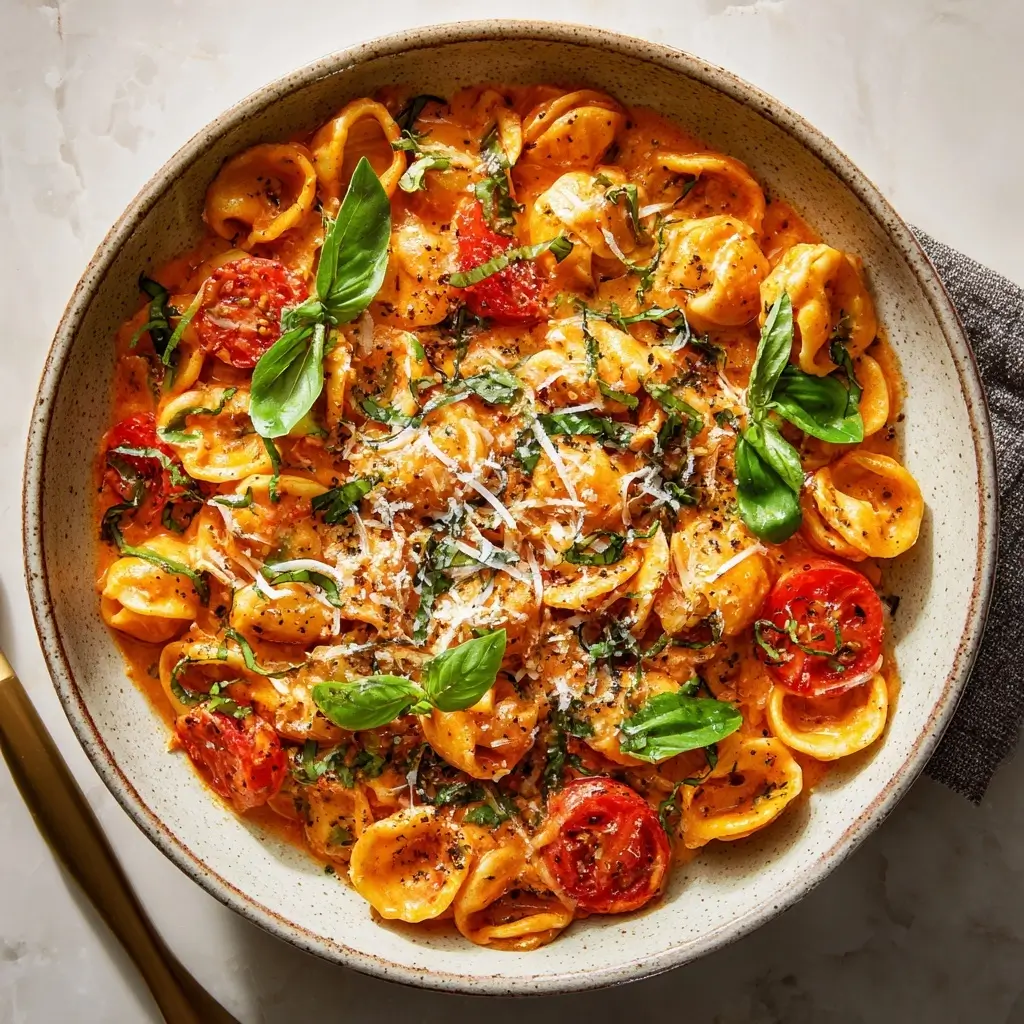
One-Pot Creamy Tomato Basil Pasta
If you’re craving a comforting, restaurant-quality pasta dish that’s both easy to make and packed with rich, savory flavors, then this One-Pot Creamy Tomato Basil Pasta is your new go-to recipe. With its velvety sauce, tender pasta, and fresh herbal notes, it’s a meal that satisfies the soul without requiring hours in the kitchen or dirtying every pot and pan. The magic lies in cooking everything in a single pot—pasta, sauce, and seasonings—all coming together in perfect harmony. Whether you’re a busy parent, a college student with limited cookware, or simply someone who appreciates bold flavor with minimal cleanup, this recipe delivers on all fronts.
The History of Creamy Tomato Basil Pasta
Pasta dishes featuring tomatoes and basil have deep roots in Italian culinary tradition. While modern creamy versions are a more recent evolution, they build upon the timeless simplicity of pomodoro sauce—a staple in Italian homes made from ripe tomatoes, garlic, olive oil, and fresh basil. Traditional Italian cooking emphasizes using fresh, seasonal ingredients and minimizing waste, principles that align perfectly with the one-pot method.
The concept of combining cream with tomato-based sauces likely emerged as regional variations spread across Italy and later influenced global adaptations. In the 20th century, especially in the United States, richer, creamier versions gained popularity, blending Italian authenticity with American comfort food sensibilities. Dishes like vodka sauce (penne alla vodka) paved the way for creamy tomato pasta innovations, where heavy cream or half-and-half mellowed the acidity of tomatoes and added luxurious texture.
The one-pot trend surged in the 2010s as home cooks sought faster, more efficient meals amid increasingly busy lifestyles. Food bloggers and culinary influencers championed recipes that reduced cleanup time while maintaining flavor, and One-Pot Creamy Tomato Basil Pasta quickly became a viral favorite. Its rise reflects not only a shift in cooking habits but also a desire for wholesome, satisfying meals that don’t sacrifice taste for convenience.
Ingredients Breakdown: What Makes This Dish Shine
The beauty of this recipe lies in how each ingredient contributes to the overall balance of richness, acidity, aroma, and texture. Let’s explore them in detail:
- Pasta: Short shapes like penne, rigatoni, or fusilli work best because their nooks trap the creamy sauce. These hold up well during simmering and absorb flavors beautifully.
- Tomatoes: Canned crushed tomatoes provide consistent flavor year-round and form the base of the sauce. Their natural sweetness and tang cut through the cream, creating a well-rounded profile. For extra depth, some chefs add a tablespoon of tomato paste.
- Cream: Heavy cream or full-fat coconut milk (for a dairy-free option) gives the sauce its luxurious mouthfeel. It tempers the acidity of the tomatoes and coats each strand of pasta evenly.
- Garlic and Onion: Sautéed gently at the start, these aromatics lay the foundation for savory complexity. Yellow onion adds mild sweetness, while fresh garlic brings pungency that mellows into warmth.
- Fresh Basil: Added toward the end, fresh basil imparts a bright, slightly peppery note that lifts the entire dish. Dried basil can be used in a pinch, but fresh is irreplaceable for peak flavor.
- Olive Oil: Extra virgin olive oil enhances richness and carries fat-soluble flavor compounds, helping distribute herbs and spices throughout the sauce.
- Vegetable or Chicken Broth: Instead of water, broth adds layers of umami and depth. It also seasons the pasta from within as it absorbs the liquid during cooking.
- Cheese (Parmesan or Pecorino Romano): Grated hard cheese stirred in at the end boosts saltiness and creaminess. It also helps emulsify the sauce, giving it a silky finish.
- Seasonings: Salt, black pepper, red pepper flakes (optional), and dried oregano or Italian seasoning round out the flavor spectrum—earthy, spicy, salty, and aromatic.
Step-by-Step Recipe: How to Make One-Pot Creamy Tomato Basil Pasta
Follow these detailed steps to create a flawless, creamy tomato basil pasta with minimal effort and maximum flavor.
- Gather Your Ingredients: Before starting, measure out all ingredients. Mise en place ensures smooth cooking and prevents burning or overcooking.
- Heat the Pot: Place a large, deep skillet or Dutch oven over medium heat. Add 2 tablespoons of extra virgin olive oil.
- Sauté Aromatics: Add 1 finely diced yellow onion and cook for 4–5 minutes until translucent. Stir in 3–4 minced garlic cloves and cook for another 30 seconds until fragrant—do not let it brown.
- Add Tomatoes and Seasonings: Pour in one 28-ounce can of crushed tomatoes (with juices). Stir in 1 teaspoon dried oregano, ½ teaspoon red pepper flakes (optional), 1 teaspoon salt, and ¼ teaspoon black pepper. For deeper flavor, mix in 1 tablespoon tomato paste and cook for 2 minutes to caramelize slightly.
- Pour in Liquids: Add 2 cups of vegetable or chicken broth and ½ cup of heavy cream (or coconut milk). Stir well to combine.
- Add Pasta: Break 8 ounces of dry pasta (penne recommended) into halves if needed, then stir it into the liquid mixture. Ensure all pasta is submerged. Increase heat to bring the mixture to a gentle boil.
- Simmer Until Tender: Reduce heat to medium-low. Cover and simmer for 15–20 minutes, stirring occasionally to prevent sticking. The pasta will absorb the liquid and cook directly in the sauce. Check after 15 minutes—if the pasta isn’t al dente, continue cooking and add a splash of broth or water if too thick.
- Finish with Cheese and Herbs: Once pasta is cooked and most of the liquid is absorbed, remove from heat. Stir in ½ cup freshly grated Parmesan cheese and ¼ cup chopped fresh basil. Taste and adjust seasoning—add more salt, pepper, or red pepper flakes as desired.
- Rest and Thicken: Let the pasta sit uncovered for 2–3 minutes. The sauce will thicken further as it cools slightly.
- Serve Immediately: Spoon into bowls and garnish with additional Parmesan, a drizzle of olive oil, and a few whole basil leaves for presentation.
Pro Tips for Perfect Results Every Time
- Stir Frequently: Especially during the first 10 minutes, stir often to prevent the starchy pasta from sticking to the bottom of the pot.
- Don’t Rush the Simmer: Low and slow is key. High heat may cause scorching or uneven cooking. Maintain a steady, gentle bubble.
- Use Quality Canned Tomatoes: Opt for San Marzano-style crushed tomatoes for superior sweetness and less bitterness.
- Reserve Pasta Water (Optional): Though not traditional in one-pot recipes, keeping a cup of warm broth or water handy allows you to loosen the sauce if it becomes too thick after resting.
- Add Protein Smartly: If including chicken, sausage, or shrimp, cook separately and fold in at the end to avoid overcooking or releasing excess moisture into the pot.
- Grate Your Own Cheese: Pre-grated cheeses contain anti-caking agents that can make the sauce grainy. Freshly grated melts smoother.
- Boost Umami: Add a splash of balsamic vinegar, a dash of Worcestershire sauce, or a few anchovy fillets when sautéing onions for an umami kick.
Variations and Customizations
This versatile recipe welcomes creativity. Here are delicious ways to personalize it:
Dietary Adaptations
- Dairy-Free: Substitute heavy cream with full-fat coconut milk and use nutritional yeast or vegan Parmesan instead of dairy cheese.
- Gluten-Free: Use gluten-free pasta such as brown rice penne or chickpea rotini. Adjust cooking time according to package instructions.
- Vegan: Combine dairy-free substitutions above and omit any animal-based broths. Use mushroom or miso broth for savory depth.
Protein Additions
- Grilled Chicken: Add sliced, herb-marinated chicken breast chunks at the end.
- Italian Sausage: Brown crumbled sweet or spicy sausage before adding aromatics.
- Shrimp: Sear peeled shrimp in a separate pan and fold in during the final minute.
- White Beans: Stir in a can of rinsed cannellini beans for plant-based protein and fiber.
- Pancetta or Bacon: Render crispy bits and use the fat to sauté onions for a smoky, indulgent twist.
Veggie-Packed Upgrades
- Spinach or Kale: Fold in 2–3 cups of baby spinach or chopped kale during the last 2 minutes of cooking.
- Mushrooms: Sauté sliced cremini mushrooms with the onions for earthy richness.
- Roasted Red Peppers: Add diced jarred or homemade roasted peppers for sweetness and color.
- Zucchini or Eggplant: Dice and sauté before adding tomatoes for a garden-fresh boost.
- Sun-Dried Tomatoes: Chopped sun-dried tomatoes (oil-packed) intensify the tomato flavor and add chewy texture.
Flavor Twists
- Vodka Sauce Version: Add ¼ cup vodka after sautéing garlic, let it reduce by half, then proceed. Finish with cream for a classic penne alla vodka.
- Pesto Swirl: After serving, swirl a spoonful of basil pesto on top for a vibrant herby contrast.
- Lemon Zest: Grate in some lemon zest at the end for brightness that cuts through the richness.
- Spicy Arrabbiata Style: Double the red pepper flakes and skip the cream for a fiery, lighter version.
- Creamy Mushroom & Truffle: Replace half the tomatoes with sautéed wild mushrooms and finish with a drop of truffle oil.
Health Considerations and Nutritional Value
While undeniably indulgent, this dish can be adapted to support various health goals. Let’s break down its nutritional components:
Nutrient Profile (Approximate per Serving, 1/4 of Recipe)
- Calories: 450–550 (depending on cream and cheese amounts)
- Carbohydrates: 60–70g (mostly from pasta)
- Protein: 12–15g
- Fat: 20–25g (saturated fat from cream and cheese)
- Fiber: 5–7g (especially if whole wheat pasta or added vegetables)
- Sodium: 700–900mg (can be reduced with low-sodium broth and tomatoes)
Health Benefits
- Lycopene from Tomatoes: A powerful antioxidant linked to heart health and reduced cancer risk, especially when cooked with oil.
- Heart-Healthy Fats: Olive oil provides monounsaturated fats that support good cholesterol levels.
- Basil’s Anti-Inflammatory Properties: Contains eugenol, which may help reduce inflammation.
- Calcium and Protein from Cheese: Supports bone and muscle health in moderation.
Ways to Lighten It Up
- Use half-and-half or whole milk instead of heavy cream (though texture will be thinner).
- Opt for whole grain or legume-based pasta to increase fiber and lower glycemic impact.
- Reduce cheese quantity or use a sharp variety so less is needed for big flavor.
- Increase vegetable content—up to 50% of the volume can be non-starchy veggies.
- Limit portion size and serve with a side salad for a balanced meal.
Full Ingredient List
- 2 tbsp extra virgin olive oil
- 1 medium yellow onion, finely diced
- 3–4 garlic cloves, minced
- 1 (28 oz) can crushed tomatoes (preferably San Marzano)
- 1 tbsp tomato paste (optional, for depth)
- 2 cups low-sodium vegetable or chicken broth
- ½ cup heavy cream (or full-fat coconut milk)
- 8 oz dry penne, rigatoni, or similar short pasta
- 1 tsp dried oregano
- ½ tsp red pepper flakes (adjust to taste)
- 1 tsp salt (or to taste)
- ¼ tsp black pepper
- ½ cup freshly grated Parmesan cheese (plus extra for serving)
- ¼ cup fresh basil, chopped (plus whole leaves for garnish)
Directions Recap
- Heat olive oil in a large pot over medium heat.
- Add onion and sauté until soft (4–5 min). Add garlic and cook 30 seconds.
- Stir in crushed tomatoes, tomato paste (if using), oregano, red pepper flakes, salt, and pepper. Cook 2 minutes.
- Pour in broth and cream. Stir well.
- Add uncooked pasta, ensuring it’s submerged. Bring to a gentle boil.
- Cover, reduce heat to medium-low, and simmer 15–20 minutes, stirring occasionally, until pasta is tender and liquid is absorbed.
- Remove from heat. Stir in Parmesan and fresh basil.
- Let rest 2–3 minutes to thicken. Adjust seasoning.
- Serve hot with extra cheese and a drizzle of olive oil.
Frequently Asked Questions (FAQ)
Can I make this ahead of time?
Yes, but the pasta continues to absorb liquid as it sits. Reheat gently on the stove with a splash of broth or water to restore creaminess. Avoid microwaving for long periods, as it can make the pasta gummy.
Can I freeze One-Pot Creamy Tomato Basil Pasta?
It can be frozen for up to 2 months, though dairy-based sauces may separate slightly upon thawing. Stir vigorously while reheating and add a bit of cream or butter to rejuvenate the texture.
Why is my sauce too thick or too thin?
If too thick, add warm broth or water 1–2 tablespoons at a time. If too thin, simmer uncovered for a few extra minutes to reduce. Remember, the sauce thickens as it cools.
Can I use fresh tomatoes?
You can, but canned tomatoes are more reliable for consistency and flavor, especially off-season. If using fresh, blanch and peel about 6 large tomatoes, then crush them. You’ll need roughly 3 cups.
Is this recipe safe for kids?
Absolutely! Kids love the creamy, mild tomato flavor. Omit red pepper flakes or reduce to a pinch for sensitive palates. It’s a great way to sneak in veggies like spinach or zucchini.
Can I cook this in an Instant Pot or pressure cooker?
Yes! Use the sauté function for onions and garlic, then add all ingredients except basil and Parmesan. Cook on high pressure for 4 minutes, then quick release. Stir in cheese and herbs afterward.
What pasta should I avoid?
Long, delicate pastas like spaghetti or fettuccine may not cook evenly in a one-pot setup due to crowding. Stick to short, sturdy shapes that submerge easily.
How do I store leftovers?
Cool completely and store in an airtight container in the refrigerator for up to 4 days. Reheat on the stove with a little liquid to refresh the texture.
Summary
One-Pot Creamy Tomato Basil Pasta is a flavorful, fuss-free meal that combines al dente pasta with a luscious sauce of tomatoes, cream, garlic, and fresh basil—all cooked in a single pot for easy cleanup. Rich yet adaptable, it can be customized with proteins, vegetables, or dietary swaps to suit any lifestyle.