Introduction
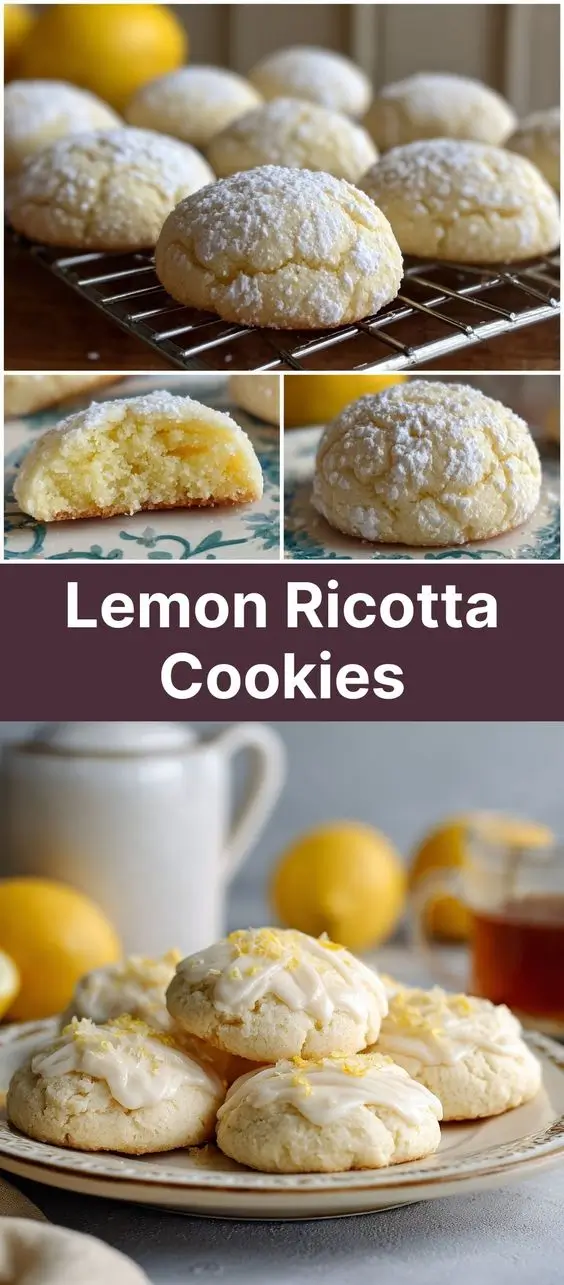
Lemon Ricotta Cookies are a delightful fusion of citrus brightness and creamy richness, offering a soft, melt-in-your-mouth texture that makes them a favorite among cookie lovers. These tender treats balance the tangy zest of fresh lemons with the mild sweetness of ricotta cheese, creating a dessert that’s both refreshing and indulgent. Perfect for spring gatherings, afternoon tea, or as a festive holiday treat, these cookies stand out from traditional butter-based recipes with their moist crumb and subtle sophistication. Whether you’re an experienced baker or just starting out, this recipe is approachable, forgiving, and guaranteed to impress.
The History
The origins of Lemon Ricotta Cookies can be traced back to Italian culinary traditions, where ricotta cheese has long been a staple in both savory and sweet dishes. In regions like Sicily and Campania, ricotta is famously used in cannoli, cheesecakes, and various pastries. The idea of incorporating ricotta into cookies likely evolved from home bakers experimenting with leftover cheese, seeking ways to create soft, cake-like textures without heavy butter or oil. Over time, American bakers adapted these Old World techniques, blending them with New World ingredients like lemon—known for its vibrant acidity—to develop a hybrid dessert that marries Mediterranean flavors with modern tastes. Today, Lemon Ricotta Cookies are celebrated not only for their heritage but also for their versatility, appearing at brunch spreads, bake sales, and gourmet dessert menus across the United States and beyond.
Ingredients Breakdown
Understanding each ingredient helps elevate your baking experience and ensures optimal results:
- All-Purpose Flour: Provides structure and stability. It’s important not to overmix once flour is added to prevent gluten development, which can make cookies tough.
- Baking Powder: Acts as a leavening agent, helping the cookies rise slightly and maintain a light, airy texture.
- Salt: Enhances flavor and balances sweetness. Even a small amount plays a crucial role in bringing out the complexity of other ingredients.
- Unsalted Butter: Adds richness and contributes to a tender mouthfeel. Softened butter blends easily with sugar for a smooth batter.
- Granulated Sugar: Sweetens the dough while also aiding in moisture retention and slight browning during baking.
- Eggs: Bind the ingredients together and add structure. They also contribute to the softness and slight lift of the cookies.
- Ricotta Cheese: The star ingredient—preferably whole milk ricotta—for its creamy texture and mild flavor. It adds moisture and tenderness, resulting in a cake-like consistency.
- Lemon Zest: Packed with essential oils, it delivers intense citrus aroma and flavor without excess liquid. Always use organic lemons when zesting.
- Fresh Lemon Juice: Boosts tartness and brightens the overall taste. Avoid bottled juice for best results.
- Vanilla Extract: Complements the lemon with warm, floral notes, rounding out the flavor profile.
- Powdered Sugar (for glaze): Creates a smooth, sweet-tart icing that enhances both appearance and taste.
- Milk or Cream (for glaze): Thins the glaze to the right consistency for drizzling.
Step-by-Step Recipe
- Preheat Oven & Prepare Baking Sheets: Preheat your oven to 350°F (175°C). Line two large baking sheets with parchment paper or silicone baking mats to prevent sticking.
- Whisk Dry Ingredients: In a medium bowl, whisk together 2 cups all-purpose flour, 1½ teaspoons baking powder, and ¼ teaspoon salt. Set aside.
- Cream Butter and Sugar: In a large mixing bowl, beat ½ cup (1 stick) softened unsalted butter with ¾ cup granulated sugar using an electric mixer on medium speed until light and fluffy—about 2–3 minutes.
- Add Eggs: Add 2 large eggs one at a time, beating well after each addition. Scrape down the sides of the bowl as needed.
- Incorporate Ricotta: Add 1 cup whole-milk ricotta cheese (well-drained if watery) and mix on low speed until fully combined. The mixture may look slightly curdled—that’s normal.
- Combine Wet Ingredients: Mix in 1 tablespoon freshly grated lemon zest, 2 tablespoons fresh lemon juice, and 1 teaspoon vanilla extract. Blend until smooth and fragrant.
- Gradually Add Dry Ingredients: Slowly add the dry ingredient mixture to the wet ingredients, mixing on low speed just until incorporated. Do not overmix; stop as soon as no streaks of flour remain.
- Chill the Dough (Optional but Recommended): Cover the bowl and refrigerate the dough for 30–60 minutes. This firms up the butter, prevents excessive spreading, and allows flavors to meld.
- Portion the Cookies: Use a cookie scoop or spoon to portion rounded tablespoons of dough onto the prepared baking sheets, spacing them about 2 inches apart.
- Bake: Bake for 12–15 minutes, rotating the pans halfway through, until the edges are lightly golden and the centers appear set. A toothpick inserted should come out clean.
- Cool: Let the cookies cool on the baking sheet for 5 minutes before transferring to a wire rack to cool completely.
- Prepare Glaze: While cooling, whisk together 1 cup powdered sugar, 1–2 tablespoons fresh lemon juice, and 1 teaspoon milk or cream until smooth. Adjust thickness by adding more liquid or sugar as needed.
- Glaze the Cookies: Once completely cooled, drizzle the glaze over the tops of the cookies using a spoon or piping bag. Allow the glaze to set for 15–20 minutes before serving or storing.
Tips
- Use Full-Fat Ricotta: Low-fat versions contain more water and can make the dough too wet. Whole milk ricotta gives the best texture and flavor.
- Drain Excess Moisture: If your ricotta seems watery, place it in a fine-mesh strainer lined with cheesecloth or a paper towel over a bowl for 15–30 minutes to remove extra liquid.
- Don’t Skip Chilling: Chilling the dough improves shape retention and deepens the lemon flavor. For best results, chill for at least 30 minutes—or even overnight.
- Zest Before Juicing: Always zest the lemon before juicing it—the peel is easier to handle when the fruit is whole and firm.
- Avoid Overbaking: These cookies continue to set as they cool. Remove them from the oven when the edges are barely golden—they should still look soft in the center.
- Uniform Scooping: Use a #40 or tablespoon-sized cookie scoop to ensure even baking and consistent appearance.
- Double Batch Friendly: This recipe scales well. Just make sure your mixer can handle the volume or mix in batches.
- Storage Tip: Store glazed cookies in an airtight container at room temperature for up to 4 days. Layer between parchment paper to prevent sticking.
Variations and Customizations
- Lemon Blueberry Ricotta Cookies: Fold in ¾ cup fresh or frozen blueberries (tossed in 1 tbsp flour) for bursts of juicy flavor.
- Lime or Orange Version: Substitute lemon zest and juice with lime or orange for a tropical twist. Pair orange with poppy seeds for a citrus-poppy combo.
- Almond Ricotta Cookies: Add ½ teaspoon almond extract and top with sliced almonds before baking for a nutty dimension.
- Gluten-Free Option: Replace all-purpose flour with a high-quality gluten-free flour blend containing xanthan gum. Test one batch first for texture.
- Vegan Adaptation: Use plant-based butter, flax eggs (2 tbsp ground flax + 5 tbsp water), and dairy-free ricotta alternative. Results may vary slightly in texture.
- Mini Cookies: Make smaller portions using a teaspoon scoop and reduce baking time to 8–10 minutes. Ideal for parties or sampling.
- Spiced Version: Add ¼ teaspoon cardamom or ginger to the dry ingredients for warmth and depth.
- No-Glaze Option: Skip the glaze and roll cooled cookies in lemon-infused sugar (mix 1 cup sugar + 1 tbsp lemon zest).
- Chocolate Drizzle: After the lemon glaze sets, drizzle with melted white or dark chocolate for elegance.
- Stuffed Cookies: Place a small cube of lemon curd in the center of each dough ball before baking for a gooey surprise.
Health Considerations and Nutritional Value
While Lemon Ricotta Cookies are a treat meant to be enjoyed in moderation, they do offer some nutritional advantages over traditional cookies:
- Protein Boost: Ricotta cheese adds protein—about 3–4 grams per serving—making these cookies slightly more satiating than standard varieties.
- Lower Fat Options: Though best made with full-fat ricotta, you can experiment with part-skim versions to reduce saturated fat, though texture will be less rich.
- Calcium Content: Ricotta provides calcium and other minerals beneficial for bone health.
- Natural Flavoring: Using real lemon zest and juice instead of artificial flavorings avoids synthetic additives.
- Sugar Awareness: These cookies contain granulated and powdered sugar. For reduced sugar, try using monk fruit-sweetened powdered sugar in the glaze or cutting the sugar by 25% in the dough (note: affects texture and browning).
- Portion Control: Making smaller cookies helps manage calorie intake while satisfying sweet cravings.
- Dietary Modifications: With substitutions, these cookies can be adapted for gluten-free, vegetarian, or lower-dairy diets—though not inherently low-calorie.
Estimated Nutrition (per cookie, yields ~24): Calories: 120 | Fat: 5g | Saturated Fat: 3g | Carbohydrates: 16g | Sugar: 10g | Protein: 3g | Calcium: 20% DV | Vitamin C: 4mg (varies based on size and ingredients).
Ingredients
- 2 cups all-purpose flour (plus extra for dusting if needed)
- 1½ teaspoons baking powder
- ¼ teaspoon salt
- ½ cup (1 stick) unsalted butter, softened
- ¾ cup granulated sugar
- 2 large eggs
- 1 cup whole-milk ricotta cheese (well-drained)
- 1 tablespoon finely grated lemon zest (from about 1–2 large lemons)
- 2 tablespoons fresh lemon juice
- 1 teaspoon pure vanilla extract
- For the Lemon Glaze:
- 1 cup powdered sugar
- 1–2 tablespoons fresh lemon juice
- 1 teaspoon milk or heavy cream
Directions
- Preheat oven to 350°F (175°C). Line baking sheets with parchment paper or silicone mats.
- In a medium bowl, whisk together flour, baking powder, and salt. Set aside.
- In a large bowl, cream softened butter and granulated sugar until light and fluffy (2–3 minutes).
- Add eggs one at a time, beating well after each addition.
- Reduce speed to low and mix in ricotta cheese until incorporated.
- Add lemon zest, lemon juice, and vanilla extract. Mix until smooth and evenly combined.
- Gradually add the dry ingredients, mixing just until the flour disappears. Do not overmix.
- Cover bowl and refrigerate dough for 30–60 minutes.
- Remove dough from fridge. Scoop rounded tablespoons onto baking sheets, spaced 2 inches apart.
- Bake for 12–15 minutes, rotating pans halfway, until edges are lightly golden.
- Cool on baking sheet for 5 minutes, then transfer to wire racks to cool completely.
- While cooling, prepare glaze: Whisk powdered sugar, 1 tablespoon lemon juice, and milk. Add more juice or sugar to reach desired consistency.
- Drizzle glaze over cooled cookies. Let set before serving.
FAQ
Can I freeze Lemon Ricotta Cookie dough?
Yes! Portion the dough into balls and freeze on a tray. Once solid, transfer to a freezer bag. Bake from frozen, adding 1–2 minutes to baking time.
Can I make these ahead of time?
Absolutely. Baked cookies (unglazed) can be stored at room temperature for 2 days or frozen for up to 3 months. Glaze just before serving.
Why are my cookies spreading too much?
Likely causes: warm dough, melted butter, or too much moisture in ricotta. Always chill the dough and drain ricotta well.
Can I omit the glaze?
Yes. The cookies are delicious plain or lightly dusted with powdered sugar.
Can I use cottage cheese instead of ricotta?
You can, but the texture will be grainier. Blend cottage cheese in a food processor until smooth before using.
Are these cookies supposed to be cakey?
Yes! Thanks to the ricotta, they have a soft, cake-like interior—more like a cross between a cookie and a muffin top.
How do I store leftover cookies?
Keep in an airtight container at room temperature for up to 4 days. Refrigeration may dry them out.
Can I double the recipe?
Yes, but mix in batches if your mixer bowl is small. Spread across multiple baking sheets.
What kind of lemons should I use?
Organic Meyer lemons offer a sweeter, floral note, while Eureka or Lisbon lemons provide bold tartness. Choose based on preference.
Can I bake these at high altitude?
At elevations above 3,000 feet, reduce baking powder to 1 teaspoon, increase flour by 1–2 tablespoons, and slightly reduce sugar.
Summary
Lemon Ricotta Cookies combine the bright zing of fresh lemon with the luxurious creaminess of ricotta for a soft, flavorful treat that melts in your mouth. Easy to customize and perfect for any occasion, they’re a must-bake recipe for citrus and cookie enthusiasts alike.