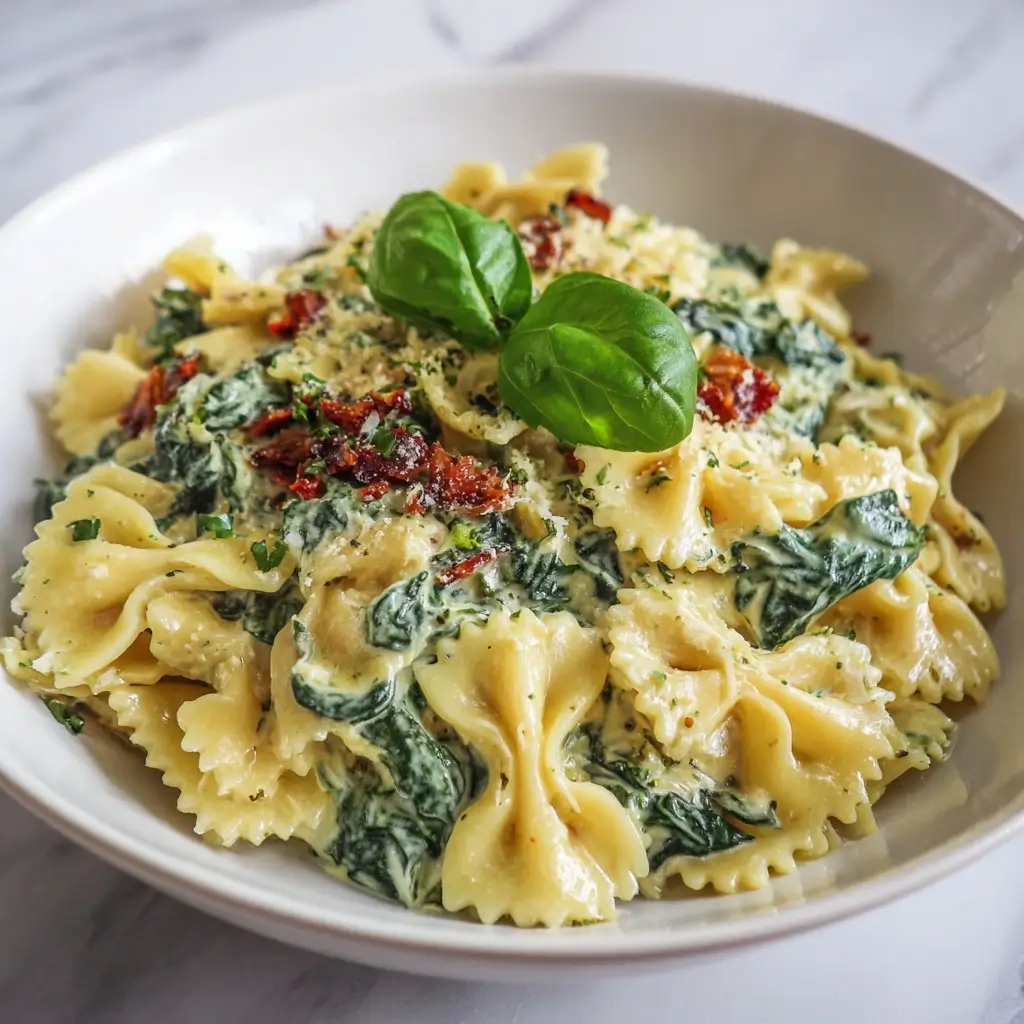
Creamy Spinach Ricotta Pasta
Creamy Spinach Ricotta Pasta: A Luxurious Yet Simple Italian-Inspired Delight
The History
Creamy Spinach Ricotta Pasta is a modern twist on classic Italian comfort cooking, rooted in the culinary traditions of central and southern Italy. While pasta dishes featuring ricotta cheese have long been staples in Italian households—especially in regions like Campania and Sicily—the combination with fresh spinach and a creamy sauce emerged more recently as home cooks and chefs alike sought healthier, lighter alternatives to heavy cream-based sauces. Traditionally, ricotta was used in desserts like cannoli or savory fillings for ravioli, but its soft, slightly sweet profile made it ideal for blending into silky pasta sauces. The addition of spinach pays homage to the Italian reverence for seasonal vegetables, particularly leafy greens that thrive in cooler months. Over time, this dish gained popularity across Europe and North America as a quick weeknight meal that balances indulgence with nutrition. Today, Creamy Spinach Ricotta Pasta stands as a symbol of rustic elegance—a dish that feels gourmet yet remains accessible, requiring minimal ingredients and effort while delivering maximum flavor.
Ingredients Breakdown
The beauty of Creamy Spinach Ricotta Pasta lies in its simplicity and the quality of its core components. Each ingredient plays a crucial role in building the dish’s rich texture and balanced taste:
- Ricotta Cheese: Full-fat ricotta is preferred for its creamy consistency and mild, milky flavor. It melts smoothly into the sauce, creating a luxurious base without the need for heavy cream.
- Fresh Spinach: Adds vibrant color, earthy sweetness, and essential nutrients. Fresh leaves wilt beautifully when heated, integrating seamlessly into the sauce.
- Pasta: Short shapes like penne, fusilli, or rigatoni work best, as their nooks trap the creamy sauce. Whole wheat or gluten-free varieties can be substituted based on dietary needs.
- Garlic: Provides aromatic depth. Sautéed gently to avoid bitterness, it forms the flavor foundation.
- Olive Oil: High-quality extra virgin olive oil enhances richness and adds a fruity note.
- Vegetable or Chicken Broth: Thins the sauce naturally, helping it coat the pasta evenly while adding subtle umami.
- Lemon Zest and Juice: Brightens the dish, cutting through the richness of the cheese and balancing the earthiness of the spinach.
- Grated Parmesan Cheese: Boosts savoriness (umami) and helps thicken the sauce. Pecorino Romano can be used for a sharper kick.
- Nutritional Yeast (optional): A vegan-friendly alternative that adds cheesy flavor and B vitamins.
- Salt and Black Pepper: Essential for seasoning layers throughout the cooking process.
- Red Pepper Flakes (optional): For a touch of heat that complements the creaminess.
- Fresh Herbs: Basil, parsley, or chives add freshness and visual appeal when sprinkled on top before serving.
The synergy between these ingredients creates a harmonious blend where no single flavor dominates, making it a universally appealing dish suitable for various palates and occasions.
Step-by-Step Recipe
- Boil the Pasta: Bring a large pot of salted water to a rolling boil. Add 12 oz (340g) of your chosen pasta and cook according to package instructions until al dente. Reserve 1 cup of pasta water before draining.
- Prepare the Spinach: While the pasta cooks, heat 2 tablespoons of olive oil in a large skillet over medium heat. Add 2 minced garlic cloves and sauté for about 30 seconds until fragrant but not browned. Stir in 5 oz (about 5 cups) of fresh spinach in batches, allowing each batch to wilt before adding more. Cook until all spinach is tender and any excess moisture has evaporated, about 3–4 minutes. Remove from heat.
- Create the Creamy Sauce: In a mixing bowl, combine 1 ½ cups (360g) of whole-milk ricotta cheese, ½ cup (50g) grated Parmesan, zest of 1 lemon, 1 tablespoon lemon juice, ¼ teaspoon black pepper, and a pinch of red pepper flakes (if using). Mix until smooth. Gradually stir in ½ cup of warm vegetable or chicken broth to loosen the mixture into a pourable sauce.
- Combine Everything: Return the cooked spinach to low heat. Add the drained pasta to the skillet and toss to combine. Slowly pour in the ricotta mixture, stirring constantly. Add additional reserved pasta water, 2–3 tablespoons at a time, until the sauce becomes silky and coats each strand or piece of pasta evenly.
- Adjust Seasoning: Taste and adjust salt, pepper, lemon juice, or cheese as needed. If desired, stir in a handful of chopped fresh basil or parsley for added freshness.
- Serve Immediately: Divide among warmed bowls. Top with extra grated Parmesan, a drizzle of olive oil, a sprinkle of lemon zest, and freshly cracked black pepper. Garnish with fresh herbs for a pop of color and aroma.
Tips
- Use Full-Fat Ricotta: Low-fat versions tend to be watery and lack the richness necessary for a creamy texture.
- Don’t Skip Pasta Water: The starchy liquid is key to emulsifying the sauce and helping it cling to the pasta.
- Wilt Spinach Properly: Make sure to cook off excess moisture; too much water can dilute the sauce.
- Season in Layers: Salt the pasta water generously, season the spinach, and taste the final dish—this builds depth of flavor.
- Add Protein: For a heartier meal, incorporate grilled chicken, shrimp, sautéed mushrooms, or white beans.
- Prevent Ricotta Lumps: Whisk the ricotta well before adding liquids, or blend briefly in a food processor for an ultra-smooth sauce.
- Cook Garlic Gently: Burnt garlic turns bitter—keep the heat moderate and monitor closely.
- Finish in the Pan: Always combine the sauce and pasta in the skillet over low heat to ensure even distribution and proper integration.
- Warm Your Bowls: Serving on pre-warmed plates helps maintain the temperature and creaminess of the dish.
- Grate Your Own Cheese: Pre-grated cheeses often contain anti-caking agents that hinder melting. Freshly grated Parmesan melts better and tastes superior.
Variations and Customizations
Creamy Spinach Ricotta Pasta is incredibly versatile, lending itself to endless adaptations based on taste preferences, dietary needs, or what’s available in your kitchen:
- Vegan Version: Substitute ricotta with blended firm tofu or cashew ricotta, use nutritional yeast instead of Parmesan, and opt for plant-based broth and pasta.
- Gluten-Free: Use certified gluten-free pasta such as brown rice, chickpea, or lentil-based options. Adjust cooking time accordingly.
- Keto/Low-Carb: Replace traditional pasta with spiralized zucchini (zoodles), shirataki noodles, or spaghetti squash. Increase healthy fats with avocado or pine nuts.
- Add Mushrooms: Sautéed cremini or wild mushrooms add an earthy umami boost and meaty texture.
- With Sun-Dried Tomatoes: Chopped sun-dried tomatoes introduce a tangy, concentrated tomato flavor that contrasts beautifully with the creamy sauce.
- Nutty Twist: Toasted pine nuts, walnuts, or slivered almonds add crunch and richness.
- Seafood Infusion: Add seared scallops, flaked salmon, or sautéed shrimp for an elegant upgrade.
- Herb Variations: Try tarragon, dill, or marjoram for a different aromatic profile. Mint can offer a surprising, refreshing twist.
- Dairy-Free Creaminess: Blend soaked cashews with lemon juice and garlic for a decadent, non-dairy sauce base.
- Baked Option: Transfer the finished pasta to a greased baking dish, top with breadcrumbs and mozzarella, and bake at 375°F (190°C) for 15–20 minutes for a casserole-style version.
- Breakfast Pasta: Top with a poached or fried egg for a brunch-worthy dish.
- Spicy Kick: Increase red pepper flakes or add harissa paste or sriracha for those who enjoy heat.
Health Considerations and Nutritional Value
Creamy Spinach Ricotta Pasta offers a surprisingly balanced nutritional profile when prepared with wholesome ingredients:
- Protein: Ricotta and Parmesan provide high-quality dairy protein, supporting muscle repair and satiety. One serving (approx. 1.5 cups) contains about 15–20g of protein, especially if enhanced with legumes or lean meats.
- Calcium: Both cheeses contribute to bone health, offering approximately 30% of the daily recommended intake per serving.
- Fiber: Using whole grain or legume-based pasta increases fiber content, aiding digestion and promoting fullness.
- Iron and Vitamins: Spinach is rich in iron, vitamin K, vitamin A (as beta-carotene), and folate—nutrients essential for blood health, vision, and cellular function.
- Healthy Fats: Olive oil provides monounsaturated fats linked to heart health, while ricotta contains conjugated linoleic acid (CLA), which may support metabolism.
- Vitamin C and Antioxidants: Lemon juice boosts vitamin C, enhancing iron absorption from spinach and providing antioxidant protection.
- Lower Sodium Option: Reduce added salt and choose low-sodium broth and cheeses to make the dish heart-health-conscious.
- Calorie Control: A standard serving ranges from 400–550 calories depending on ingredients. To lighten it, reduce cheese quantity, increase spinach, and use less oil.
- Lactose Sensitivity: Ricotta is relatively low in lactose, but lactose-intolerant individuals may prefer aged cheeses or plant-based substitutes.
- Weight Management: This dish can fit into a balanced diet when portion-controlled and paired with a side salad or steamed vegetables.
Overall, this recipe exemplifies how comfort food can be both satisfying and nutritious when built on real, minimally processed ingredients.
Ingredients
- 12 oz (340g) short-cut pasta (penne, fusilli, or rigatoni)
- 2 tablespoons extra virgin olive oil
- 2 cloves garlic, minced
- 5 oz (about 5 cups) fresh spinach, washed and dried
- 1 ½ cups (360g) whole-milk ricotta cheese
- ½ cup (50g) freshly grated Parmesan cheese, plus extra for serving
- Zest and juice of 1 lemon
- ½ cup warm vegetable or chicken broth
- ¼ teaspoon black pepper, or to taste
- Pinch of red pepper flakes (optional)
- Salt, to taste
- ¼ cup chopped fresh basil or parsley (for garnish)
- Reserved pasta water, as needed
Directions
- Bring a large pot of salted water to a boil. Add the pasta and cook until al dente. Before draining, reserve 1 cup of pasta water. Drain and set aside.
- In a large skillet, heat olive oil over medium heat. Add minced garlic and sauté for 30 seconds until fragrant.
- Add spinach in batches, stirring continuously until wilted and most moisture has evaporated, about 3–4 minutes. Remove from heat.
- In a bowl, whisk together ricotta, Parmesan, lemon zest, lemon juice, black pepper, and red pepper flakes. Gradually mix in warm broth until smooth and creamy.
- Return the spinach mixture to low heat. Add the cooked pasta and toss to combine.
- Pour in the ricotta sauce, stirring gently. Add reserved pasta water, 2–3 tablespoons at a time, until the sauce reaches a silky, cohesive consistency.
- Season with salt and additional pepper or lemon juice to taste. Stir in fresh herbs if using.
- Serve immediately in warm bowls, topped with extra Parmesan, a drizzle of olive oil, lemon zest, and cracked black pepper.
FAQ
Can I make this ahead of time?
Yes, though the dish is best served fresh. You can prep the ricotta sauce and cook the spinach up to one day in advance. Reheat gently on the stove with a splash of broth or water to restore creaminess.
Why is my sauce grainy or separating?
This usually happens if the ricotta is cold or the heat is too high. Always bring the ricotta to room temperature and stir the sauce over low heat. Adding starchy pasta water helps stabilize the emulsion.
Can I freeze Creamy Spinach Ricotta Pasta?
Not recommended. Dairy-based creamy sauces tend to separate upon freezing and thawing, resulting in a grainy texture. It’s best enjoyed within 2–3 days refrigerated.
What can I use instead of ricotta?
Cottage cheese (blended until smooth), mascarpone (richer and sweeter), or goat cheese (tangier) can work in a pinch. For vegan, try blended silken tofu or cashew cream.
Is this dish suitable for kids?
Absolutely! The mild flavor and creamy texture are often loved by children. You can sneak in extra pureed spinach or serve it with whole grain pasta for added nutrition.
How do I reheat leftovers?
Reheat gently in a skillet over low heat with a few splashes of broth, milk, or water to revive the creamy texture. Avoid microwaving on high, which can cause separation.
Can I use frozen spinach?
Yes, but thaw completely and squeeze out all excess water using a clean towel. About 10 oz of frozen spinach yields roughly 5 oz cooked. Sauté briefly with garlic to enhance flavor.
Is this dish gluten-free?
Only if you use gluten-free pasta and verify all other ingredients (like broth) are certified gluten-free.
How can I make it more filling?
Add grilled chicken, shrimp, chickpeas, lentils, or tempeh. A side of garlic bread or a crisp green salad also rounds out the meal.
Can I use dried herbs instead of fresh?
Fresh herbs are preferred for brightness, but you can substitute 1 teaspoon dried basil or parsley if needed. Add during cooking rather than at the end.
Summary
Creamy Spinach Ricotta Pasta is a velvety, flavorful dish that combines the richness of ricotta with the freshness of spinach and lemon, all clinging to perfectly cooked pasta. Quick to prepare, endlessly customizable, and both comforting and nutritious, it’s destined to become a beloved staple in your weekly rotation.