Garlic Butter Chicken Bites
Introduction
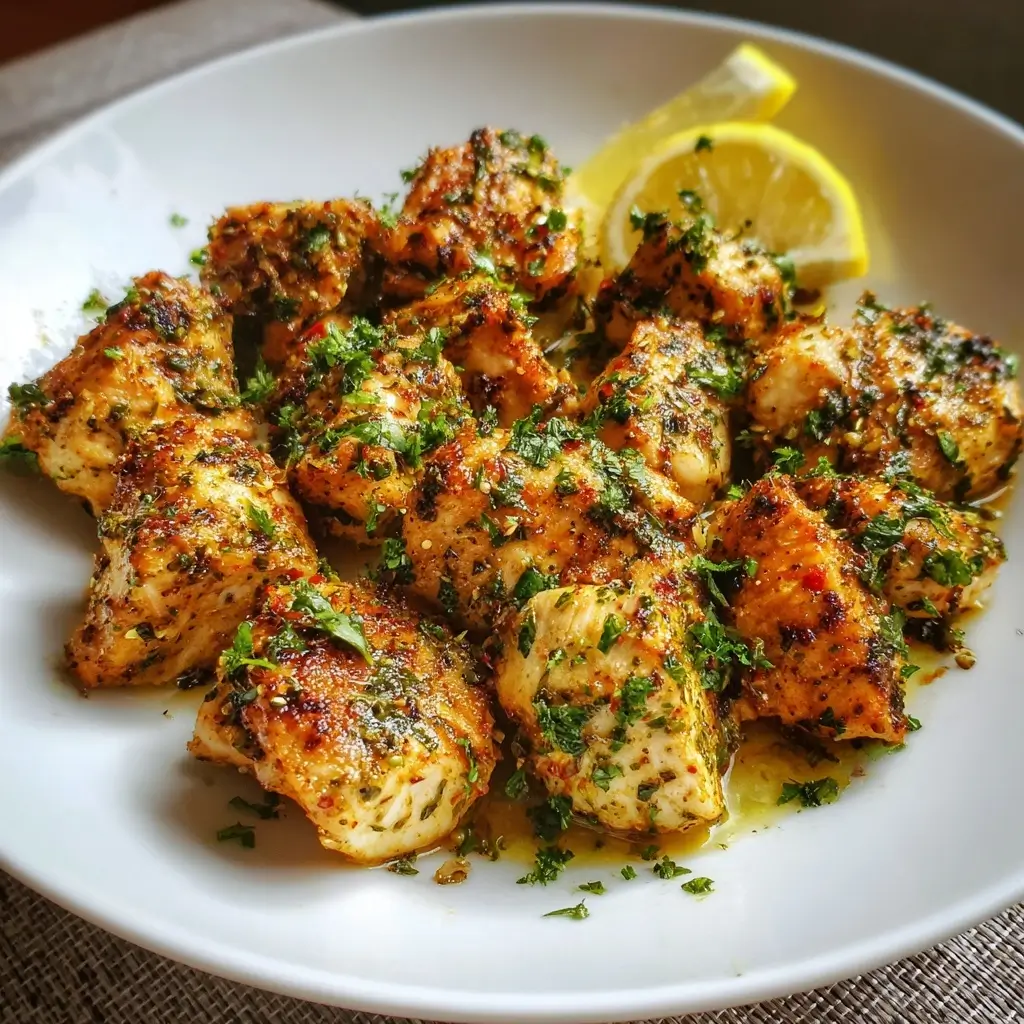
Garlic Butter Chicken Bites are a savory, indulgent dish that combines tender morsels of chicken with the rich, aromatic flavors of garlic and butter. This recipe has gained widespread popularity due to its simplicity, quick preparation time, and mouthwatering taste that satisfies both casual diners and gourmet food lovers alike. Whether served as an appetizer, main course, or part of a larger meal, these golden-brown chicken bites deliver bold flavor in every bite. With their crispy exterior and juicy interior, enhanced by a luxurious garlic butter sauce, this dish is perfect for weeknight dinners, weekend entertaining, or meal prep with a gourmet twist.
The History
The origins of Garlic Butter Chicken can be traced back to classic European cooking traditions, particularly French and Italian cuisines, where garlic and butter have long been cherished as foundational ingredients. In France, dishes like Beurre à l’Ail (garlic butter) were commonly used to enhance meats, vegetables, and seafood. Similarly, Italian cuisine celebrates the combination of garlic, olive oil, and herbs—though butter plays a more prominent role in northern regions. Over time, home cooks in America began adapting these techniques into easy-to-make recipes suited for modern kitchens. The concept of “chicken bites” likely emerged from the growing trend of finger foods and shareable meals in the late 20th century, inspired by bar snacks and tapas culture. Today’s Garlic Butter Chicken Bites reflect a fusion of old-world flavor principles and contemporary convenience, making them a staple on social media, food blogs, and family dinner tables around the world.
Ingredients Breakdown
Understanding each ingredient helps elevate your Garlic Butter Chicken Bites from good to exceptional. Here’s a detailed look at what goes into this delicious dish:
- Chicken Breast or Thighs: Boneless, skinless chicken breasts are most commonly used for their lean texture and mild flavor, but chicken thighs offer a juicier, more flavorful alternative thanks to their higher fat content.
- Butter: Unsalted butter is preferred so you can control the salt level. It forms the base of the sauce, adding richness and helping to brown the chicken evenly. Clarified butter or ghee can be used for higher smoke points if searing at high heat.
- Garlic: Fresh garlic cloves are essential—they release a pungent aroma when sautéed and infuse the entire dish with depth. Minced or thinly sliced works best; avoid pre-minced jarred garlic for optimal freshness.
- Olive Oil: Often combined with butter to prevent burning during cooking, olive oil adds a fruity note and promotes even browning.
- Salt and Black Pepper: Fundamental seasonings that enhance all other flavors. Freshly ground black pepper provides a subtle kick.
- Paprika (optional): Adds a touch of color and mild sweetness or smokiness depending on whether sweet, smoked, or hot paprika is used.
- Dried Herbs: Oregano, thyme, or Italian seasoning blend contribute earthy, aromatic layers. Fresh herbs like parsley or rosemary can also be added toward the end for brightness.
- Lemon Juice: A splash brightens the dish, cutting through the richness of the butter and balancing the overall flavor profile.
- White Wine or Chicken Broth (optional): Used to deglaze the pan, lifting caramelized bits and creating a silky sauce with added complexity.
- Parmesan Cheese (optional): Grated Parmesan stirred into the sauce adds umami and a creamy texture.
- Flour or Cornstarch (optional): For those who prefer a thicker sauce, a light dusting of flour on the chicken or a cornstarch slurry can help achieve desired consistency.
Step-by-Step Recipe
- Prepare the Chicken: Cut 1.5 to 2 pounds of boneless, skinless chicken into 1-inch cubes. Pat dry thoroughly with paper towels—this ensures proper browning rather than steaming.
- Season Generously: In a large bowl, toss the chicken pieces with 1 teaspoon salt, ½ teaspoon black pepper, ½ teaspoon paprika (if using), and 1 teaspoon dried oregano or Italian seasoning. Mix well to coat evenly.
- Heat the Pan: Place a large skillet or sauté pan over medium-high heat. Add 2 tablespoons of olive oil and 1 tablespoon of unsalted butter. Allow it to melt and shimmer, but not burn.
- Sear the Chicken: Working in batches to avoid overcrowding, add the chicken pieces in a single layer. Cook undisturbed for 2–3 minutes until golden brown on one side, then flip and cook another 2–3 minutes until cooked through. Remove and set aside on a plate.
- Sauté the Garlic: Reduce the heat to medium. Add 3–4 tablespoons of butter to the same pan. Once melted, add 4–6 minced garlic cloves. Sauté for about 30–60 seconds, stirring constantly, until fragrant but not browned (burnt garlic turns bitter).
- Build the Sauce: Optional step: Pour in ¼ cup of dry white wine or chicken broth to deglaze the pan, scraping up any browned bits with a wooden spoon. Let it simmer for 1–2 minutes until slightly reduced.
- Return Chicken to Pan: Add the seared chicken back into the skillet, stirring to coat in the garlic butter sauce. Cook for an additional 1–2 minutes to reheat and absorb flavors.
- Finish with Freshness: Stir in 1 tablespoon of fresh lemon juice and 2 tablespoons of chopped fresh parsley. Taste and adjust seasoning as needed.
- Serve Immediately: Plate the chicken bites while hot, drizzling extra garlic butter from the pan over the top for maximum flavor.
Tips
- Don’t Skip Drying the Chicken: Moisture prevents browning. Always pat chicken dry before seasoning.
- Use a Meat Thermometer: Ensure internal temperature reaches 165°F (74°C) for safe consumption without overcooking.
- Avoid Overcrowding the Pan: Crowding lowers the pan temperature and causes steaming instead of searing. Cook in batches if necessary.
- Control Garlic Heat: Garlic burns easily. Keep the heat moderate when sautéing and stir frequently.
- Baste for Extra Flavor: Spoon the hot garlic butter over the chicken as it cooks for deeper infusion.
- Add Cream for Richness: For a creamier version, stir in ¼ to ½ cup of heavy cream or half-and-half after deglazing.
- Rest Before Serving: Let the chicken rest for 2–3 minutes after cooking to retain juices.
- Use Quality Butter: High-fat European-style butter enhances flavor and texture.
Variations and Customizations
One of the greatest strengths of Garlic Butter Chicken Bites is their versatility. You can easily adapt the recipe to suit different tastes, dietary needs, or cultural influences:
- Spicy Kick: Add red pepper flakes (½ tsp) or a diced jalapeño when sautéing the garlic for a fiery twist.
- Honey Garlic Butter Chicken: Stir in 1–2 tablespoons of honey or maple syrup for a sweet-savory glaze.
- Cajun Style: Replace regular seasoning with Cajun spice blend for a bold, zesty flavor.
- Mediterranean Twist: Add sun-dried tomatoes, Kalamata olives, and crumbled feta cheese at the end.
- Asian-Inspired: Swap butter for sesame oil, use soy sauce instead of salt, and finish with green onions and a splash of rice vinegar.
- Dairy-Free Version: Use vegan butter or coconut oil and omit Parmesan for a plant-based adaptation.
- Gluten-Free Option: Naturally gluten-free as written—just ensure all added ingredients (like broth) are certified GF.
- Sheet Pan Bake: Toss seasoned chicken with olive oil and roast at 400°F (200°C) for 20–25 minutes, then toss with prepared garlic butter.
- Air Fryer Method: Coat chicken in oil and air fry at 375°F (190°C) for 10–12 minutes, shaking halfway. Finish with warm garlic butter sauce.
- Skewered Appetizers: Thread cooked chicken onto toothpicks with cherry tomatoes or mozzarella balls for elegant party bites.
Health Considerations and Nutritional Value
While Garlic Butter Chicken Bites are undeniably delicious, understanding their nutritional content allows for mindful enjoyment. A typical serving (about 4 oz of chicken with sauce) contains approximately:
- Calories: 280–350 kcal
- Protein: 25–30g (excellent source for muscle repair and satiety)
- Fat: 18–22g (mostly from butter; includes saturated fat)
- Carbohydrates: 1–3g (very low-carb friendly)
- Sodium: 400–600mg (depending on added salt and broth)
- Vitamins & Minerals: Good source of selenium, phosphorus, niacin (B3), and vitamin B6.
Health Notes:
- To reduce fat content, substitute half the butter with olive oil or use a butter spray for coating.
- Choose organic, antibiotic-free chicken when possible for better quality and sustainability.
- Adding vegetables like spinach, mushrooms, or broccoli increases fiber and nutrients without compromising flavor.
- This dish fits well within ketogenic, low-carb, paleo (with modifications), and gluten-free diets.
- Moderation is key—while butter adds flavor, excessive saturated fat intake should be balanced with heart-healthy fats like avocados, nuts, and fatty fish.
Ingredients
- 1.5 lbs (680g) boneless, skinless chicken breasts or thighs, cut into 1-inch cubes
- 3 tablespoons unsalted butter
- 2 tablespoons olive oil
- 6 garlic cloves, minced
- 1 teaspoon kosher salt (or to taste)
- ½ teaspoon freshly ground black pepper
- ½ teaspoon paprika (smoked or sweet)
- 1 teaspoon dried oregano or Italian seasoning
- ¼ cup chicken broth or dry white wine (optional)
- 1 tablespoon fresh lemon juice
- 2 tablespoons fresh parsley, chopped
- Optional: ¼ cup grated Parmesan cheese, 1 tbsp honey, red pepper flakes
Directions
- In a bowl, combine chicken cubes with salt, pepper, paprika, and oregano. Toss to coat evenly.
- Heat olive oil and 1 tablespoon of butter in a large skillet over medium-high heat.
- Add chicken in a single layer (work in batches if needed). Sear for 2–3 minutes per side until golden and cooked through. Transfer to a plate.
- Reduce heat to medium, add remaining butter, then stir in minced garlic. Cook for 30–60 seconds until fragrant.
- If using, pour in chicken broth or wine to deglaze the pan, scraping up browned bits. Simmer 1–2 minutes.
- Return chicken to the skillet. Stir to coat in the garlic butter sauce and heat through (1–2 minutes).
- Remove from heat. Stir in lemon juice and chopped parsley. Add Parmesan or honey if desired.
- Taste and adjust seasoning. Serve immediately.
FAQ
Can I make Garlic Butter Chicken Bites ahead of time?
Yes, you can prep and cook the chicken in advance. Store in an airtight container in the fridge for up to 3 days. Reheat gently in a skillet with a little butter to refresh the flavor.
Can I freeze Garlic Butter Chicken Bites?
Yes, though texture may change slightly upon thawing. Freeze in portioned containers for up to 2 months. Thaw overnight in the fridge and reheat on stove or microwave.
Why is my chicken rubbery?
Overcooking or using lower-quality meat can cause toughness. Always monitor internal temperature and avoid prolonged cooking times.
Can I use frozen chicken?
It’s best to thaw chicken fully before cooking to ensure even searing and food safety. Cooking from frozen may result in uneven doneness.
What sides go well with Garlic Butter Chicken Bites?
Excellent pairings include mashed potatoes, roasted vegetables, rice pilaf, quinoa, pasta, garlic bread, or a crisp green salad.
Is this recipe kid-friendly?
Absolutely! Kids love the tender chicken and rich buttery taste. Reduce garlic slightly if sensitive to strong flavors.
How do I store leftovers?
Keep in an airtight container in the refrigerator for 3–4 days. Reheat in a pan over low heat to preserve texture.
Can I double the recipe?
Yes, but increase pan size or cook in multiple batches to maintain proper browning. Doubling the sauce ingredients ensures ample flavor.
Summary
Garlic Butter Chicken Bites are a quick, flavorful, and versatile dish that brings restaurant-quality taste to your kitchen with minimal effort. Packed with juicy chicken and a luxurious garlic butter sauce, they’re perfect for busy weeknights or special occasions alike.