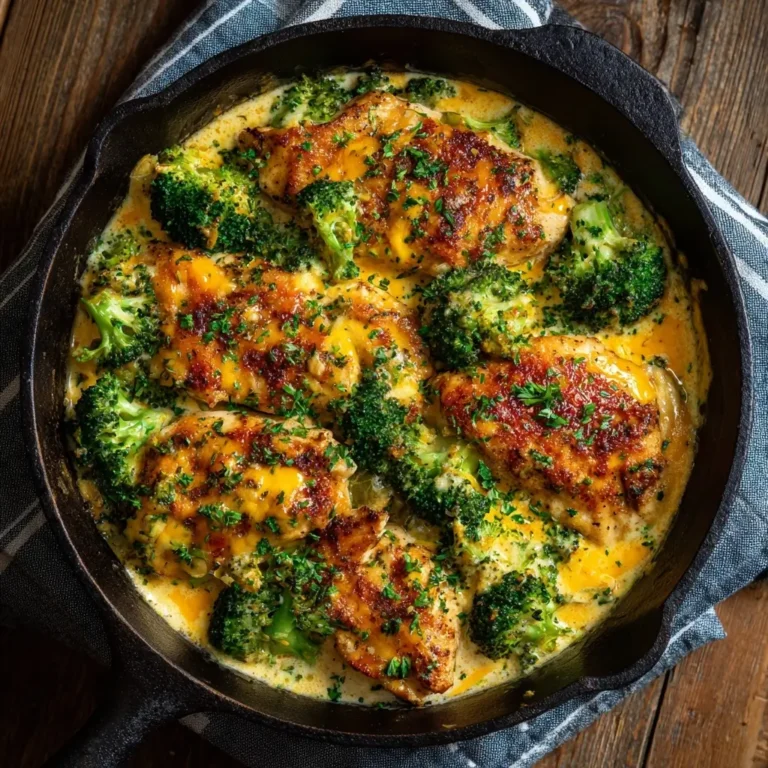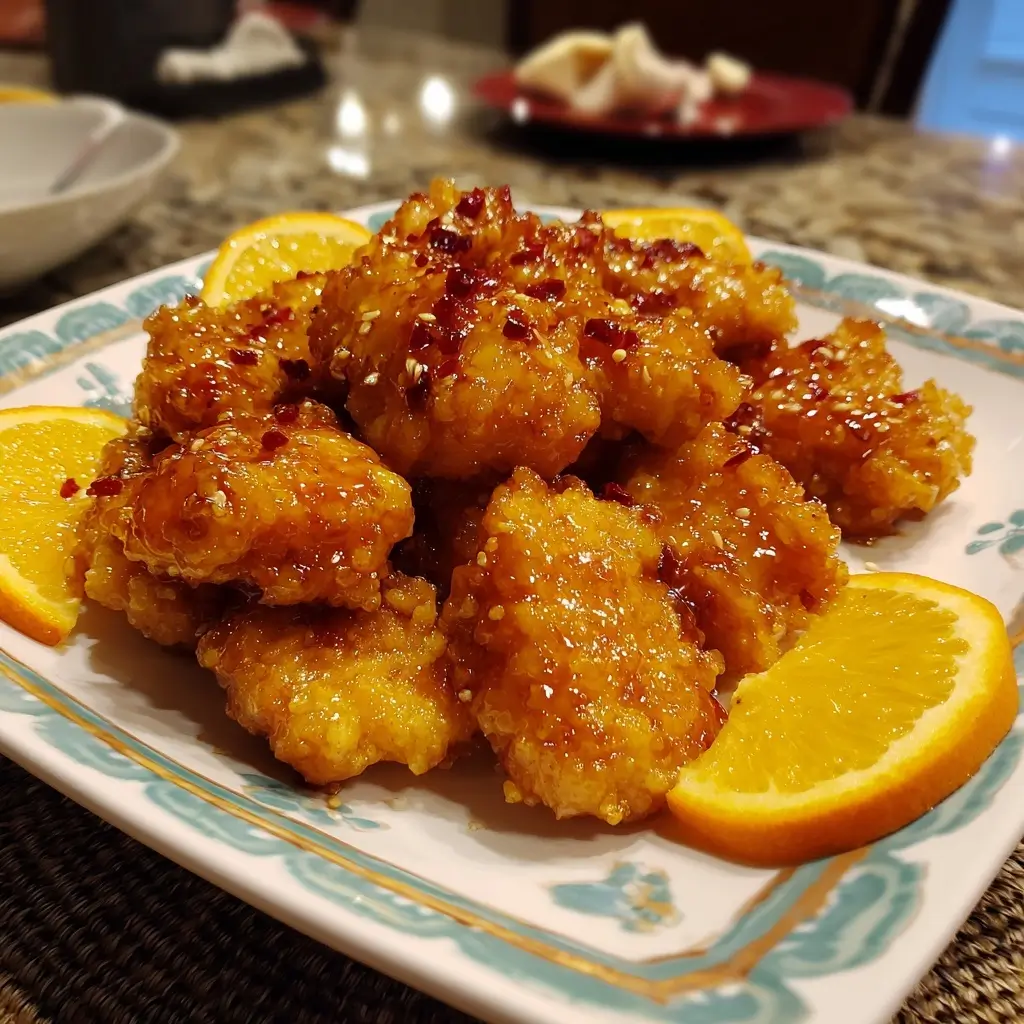
Crispy Orange Chicken
Crispy Orange Chicken: A Flavorful Fusion of Sweet, Tangy, and Crunchy
If you’ve ever visited a Chinese-American restaurant and found yourself drawn to the bright, glossy orange chicken glistening under the lights, you know the magic this dish holds. Crispy Orange Chicken is more than just a takeout favorite—it’s a harmonious blend of crisp, golden-brown chicken pieces bathed in a vibrant, citrus-infused sauce that balances sweet, tangy, and slightly spicy notes. Loved by adults and kids alike, this dish has become a staple on American-Chinese menus and home kitchens across the country.
The History of Crispy Orange Chicken
While traditional Chinese cuisine boasts an array of complex and regionally diverse dishes, Crispy Orange Chicken is actually a product of Chinese-American culinary innovation. It emerged in the late 20th century as part of the broader evolution of Americanized Chinese food, where chefs adapted authentic recipes to suit local palates—favoring bolder flavors, sweeter sauces, and crispy textures.
Though it draws inspiration from Hunan or Sichuan cooking techniques involving bold spices and stir-frying, the orange chicken we know today is largely credited to Panda Express, which popularized the dish in the 1980s. The chain introduced it as a lighter alternative to General Tso’s Chicken, using fresh orange zest and juice to give the sauce its signature citrus kick. Since then, countless variations have popped up in homes and restaurants, each putting a personal twist on the beloved recipe.
Ingredients Breakdown: What Makes This Dish Shine
The beauty of Crispy Orange Chicken lies not only in its taste but also in the thoughtful selection of ingredients that come together to create its distinctive flavor profile. Here’s a detailed breakdown:
- Chicken Breast or Thighs: Boneless, skinless chicken breasts are most commonly used for their lean texture and mild flavor. However, thighs can be substituted for a juicier, more tender result.
- Cornstarch and Flour: A combination of cornstarch and all-purpose flour creates the ultra-crispy exterior when fried. Cornstarch especially helps achieve that restaurant-quality crunch.
- Egg Wash: Dipping the chicken in beaten egg before coating helps the flour mixture adhere better and results in a more even crust.
- Fresh Oranges: The heart of the dish! Freshly squeezed orange juice and grated orange zest deliver intense citrus flavor without the artificial aftertaste of bottled juice.
- Soy Sauce: Adds umami depth and saltiness to balance the sweetness of the sauce.
- Rice Vinegar or Apple Cider Vinegar: Provides acidity that enhances the tangy character and cuts through the richness of the fried chicken.
- Brown Sugar: Gives the sauce its luscious sweetness and helps it caramelize slightly when cooked.
- Garlic and Ginger: These aromatics form the savory base of the sauce, adding warmth and complexity.
- Red Chili Flakes or Fresh Chilies: For a subtle heat that elevates the overall flavor without overpowering the citrus notes.
- Sesame Oil: A few drops at the end enhance fragrance and add a nutty finish.
- Green Onions and Sesame Seeds (optional): Used for garnish, they add color, freshness, and a hint of earthiness.
Step-by-Step Recipe: How to Make Perfect Crispy Orange Chicken at Home
With the right technique, you can recreate restaurant-quality Crispy Orange Chicken in your own kitchen. Follow these detailed steps for best results:
- Prepare the Chicken: Cut 1.5 lbs (about 680g) of boneless chicken into 1-inch cubes. Pat them dry with paper towels to ensure proper breading adhesion.
- Create the Breading Station: Set up three bowls:
- Bowl 1: 2 large eggs, beaten
- Bowl 2: ½ cup all-purpose flour
- Bowl 3: 1 cup cornstarch (you can mix in 2 tbsp flour if desired)
- Bread the Chicken: Dip each piece first into flour (to dry excess moisture), then into the egg wash, and finally coat thoroughly with cornstarch. Shake off any excess and place on a plate. Repeat for all pieces. Let rest for 10 minutes to help coating set.
- Heat the Oil: In a deep skillet or wok, heat 1–2 inches of neutral oil (like vegetable or canola) to 350°F (175°C). Use a thermometer for accuracy.
- Fry the Chicken: Working in batches to avoid crowding, carefully add chicken pieces to hot oil. Fry for 3–4 minutes per batch until golden brown and cooked through. Remove with a slotted spoon and drain on a wire rack or paper towels. For extra crispiness, double-fry: cool slightly, then re-fry for 1–2 minutes.
- Make the Orange Sauce: While chicken fries, prepare the sauce:
- In a small bowl, whisk together: ¾ cup freshly squeezed orange juice, 2 tbsp orange zest, 3 tbsp soy sauce, 2 tbsp rice vinegar, 3 tbsp brown sugar, 1 tsp sesame oil, 1 minced garlic clove, 1 tbsp grated ginger, and ½ tsp red chili flakes.
- In another small bowl, mix 1 tbsp cornstarch with 2 tbsp cold water to make a slurry.
- Cook the Sauce: Pour the sauce mixture into a clean pan over medium heat. Bring to a simmer, then slowly stir in the cornstarch slurry. Cook for 2–3 minutes, stirring constantly, until the sauce thickens to a glossy consistency.
- Toss the Chicken: Add the fried chicken pieces to the sauce and gently toss to coat evenly. Work quickly to maintain crispiness.
- Serve Immediately: Plate the chicken while hot. Garnish with sliced green onions and a sprinkle of toasted sesame seeds.
Pro Tips for Success
- Don’t Skip the Resting Step: Allowing breaded chicken to sit for 10 minutes prevents the coating from falling off during frying.
- Maintain Oil Temperature: If the oil is too cool, the chicken will absorb grease and become soggy. Too hot, and it burns outside before cooking inside. Use a thermometer and adjust heat as needed.
- Fresh Citrus is Key: Bottled orange juice lacks brightness and often contains preservatives that dull the flavor. Always use freshly squeezed juice and zest.
- Avoid Overcrowding: Frying in batches ensures even cooking and maximum crispiness.
- Sauce Consistency: If the sauce becomes too thick, thin it with a splash of water or orange juice. If too thin, add a bit more cornstarch slurry.
- For Oven-Baked Option: To reduce oil usage, spray breaded chicken with cooking spray and bake at 425°F (220°C) for 20–25 minutes, flipping halfway. Finish under the broiler for extra crisp.
Variations and Customizations
Crispy Orange Chicken is highly adaptable to different tastes and dietary preferences:
- Spicy Orange Chicken: Increase chili flakes or add a tablespoon of sambal oelek or sriracha to the sauce for a fiery kick.
- Honey-Orange Glaze: Replace brown sugar with honey for a floral sweetness and deeper glaze effect.
- Pineapple Twist: Add diced pineapple to the sauce for a tropical flair—pairs well with cashews.
- Vegan/Vegetarian Version: Substitute chicken with tofu or cauliflower florets. Press and dry tofu well before breading. Use tamari instead of soy sauce for gluten-free needs.
- Gluten-Free Option: Use gluten-free flour and tamari in place of regular flour and soy sauce.
- Low-Sugar Alternative: Use monk fruit sweetener or erythritol instead of brown sugar, and reduce quantity based on taste.
- Nutty Crunch: Stir in roasted cashews or almonds at the end for added texture.
Health Considerations and Nutritional Value
While undeniably delicious, traditional Crispy Orange Chicken is relatively high in calories, fat, and sugar due to frying and the sweet sauce. Here’s how to enjoy it more mindfully:
- Calorie Content: One serving (approx. 1 cup) can range from 400–600 calories depending on preparation method and portion size.
- Fat Content: Deep-frying increases saturated fat intake. Baking or air-frying reduces fat significantly.
- Sugar Levels: The sauce often contains 15–20g of sugar per serving. Reducing sugar or using natural alternatives helps lower glycemic impact.
- Sodium Awareness: Soy sauce contributes considerable sodium. Opt for low-sodium soy sauce and limit added salt.
- Balanced Meal Pairing: Serve with steamed broccoli, brown rice, or a mixed vegetable stir-fry to boost fiber and nutrients.
- Portion Control: Enjoy moderate servings alongside a side salad or vegetable medley to keep the meal balanced.
Full Ingredient List
- 1.5 lbs (680g) boneless, skinless chicken breast or thighs, cut into 1-inch cubes
- 2 large eggs, beaten
- ½ cup all-purpose flour (or gluten-free flour blend)
- 1 cup cornstarch
- Vegetable or canola oil, for frying (about 2–3 cups)
- ¾ cup freshly squeezed orange juice (from about 2–3 oranges)
- 2 tablespoons fresh orange zest
- 3 tablespoons soy sauce (or tamari for gluten-free)
- 2 tablespoons rice vinegar (or apple cider vinegar)
- 3 tablespoons packed brown sugar (or substitute)
- 1 teaspoon sesame oil
- 1 tablespoon fresh ginger, grated
- 1 clove garlic, minced
- ½ teaspoon red chili flakes (adjust to taste)
- 1 tablespoon cornstarch + 2 tablespoons water (slurry)
- Green onions, sliced (for garnish)
- Toasted sesame seeds (optional, for garnish)
Detailed Directions
- Pat chicken pieces dry and cut into uniform cubes for even cooking.
- Set up a breading station: flour in one bowl, beaten eggs in a second, cornstarch in a third.
- Dredge each chicken piece in flour, dip in egg, then coat with cornstarch. Place on a tray and let rest 10 minutes.
- Heat oil in a heavy-bottomed skillet or wok to 350°F (175°C).
- Fry chicken in batches for 3–4 minutes until golden and internal temperature reaches 165°F (74°C). Drain on a wire rack.
- In a saucepan, combine orange juice, zest, soy sauce, vinegar, brown sugar, sesame oil, ginger, garlic, and chili flakes.
- Bring to a simmer over medium heat. Stir in cornstarch slurry and cook until thickened, about 2–3 minutes.
- Add fried chicken to the sauce and toss gently to coat. Work quickly to preserve crispiness.
- Transfer to a serving platter. Garnish with green onions and sesame seeds.
- Serve immediately with white or brown rice and steamed vegetables.
Frequently Asked Questions (FAQ)
Can I make Crispy Orange Chicken ahead of time?
Yes, but best served fresh. You can prep components separately: cut and bread chicken, make sauce, and store refrigerated. Fry and toss just before serving.
Why isn’t my chicken crispy?
Common causes include wet chicken, incorrect oil temperature, overcrowding the pan, or letting sauced chicken sit too long. Double-frying and immediate saucing help retain crunch.
Can I use frozen orange juice?
Not recommended. Frozen concentrate often contains additives and lacks the fresh, zesty flavor essential to the dish.
How do I reheat leftovers?
Reheat in an oven or air fryer at 375°F (190°C) for 8–10 minutes to restore crispiness. Avoid microwaving, as it makes the coating soggy.
Is Crispy Orange Chicken authentic Chinese food?
It is not found in traditional Chinese cuisine but is a celebrated example of Chinese-American fusion created for Western tastes.
Can I freeze this dish?
Freezing is not ideal due to texture loss. The sauce may become watery and the chicken less crispy upon thawing.
What sides go well with Orange Chicken?
Popular pairings include steamed jasmine rice, brown rice, fried rice, broccoli, snap peas, or a crisp Asian-style slaw.
Summary
Crispy Orange Chicken combines juicy, golden-fried chicken with a vibrant, citrusy sauce that’s both sweet and tangy, delivering a satisfying crunch in every bite. Easy to customize and perfect for weeknight dinners or entertaining, this modern classic brings the takeout experience straight to your kitchen.