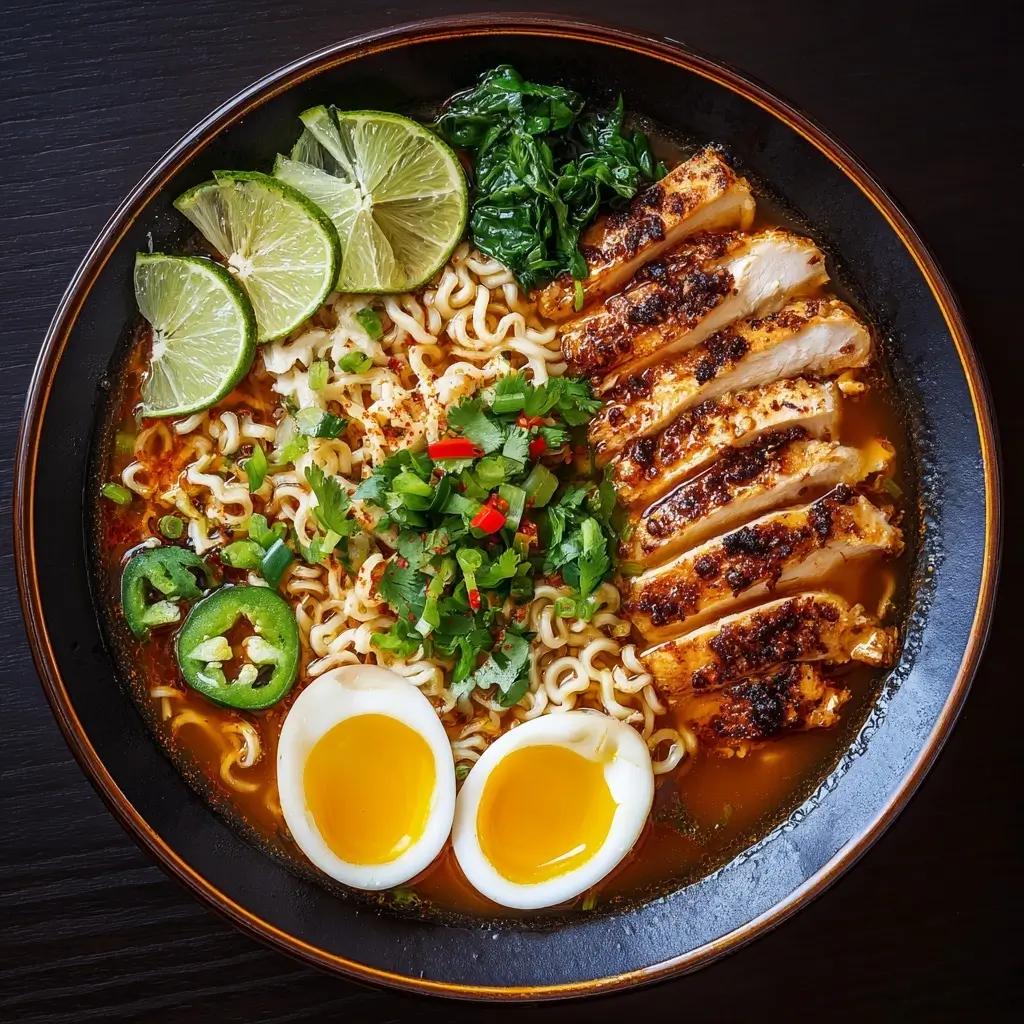
Spicy Chicken Ramen Noodles
Spicy Chicken Ramen Noodles: A Flavorful Journey Through Heat and Comfort
The History of Spicy Chicken Ramen Noodles
Ramen, a beloved Japanese noodle dish with Chinese origins, has evolved over centuries into a global culinary phenomenon. While traditional ramen features wheat noodles in a savory broth—often chicken, pork, or fish-based—the modern interpretation has embraced bold flavors, including spice. Spicy chicken ramen noodles emerged as a fusion of Japanese ramen traditions and Korean and Southeast Asian influences known for their love of heat and chili-infused dishes.
In post-World War II Japan, ramen became a staple of working-class cuisine due to its affordability and satisfying nature. Instant ramen was invented in 1958 by Momofuku Ando, revolutionizing how people consumed this comfort food. Over time, the demand for more adventurous flavors led to the creation of spicy variations, incorporating ingredients like gochujang (Korean chili paste), sriracha, and chili oil. Spicy chicken ramen, specifically, combines tender chicken protein with fiery seasonings, creating a balanced yet intense flavor profile that appeals to heat lovers and comfort food enthusiasts alike.
Today, spicy chicken ramen is enjoyed worldwide in homes, ramen shops, and even gourmet restaurants. It represents not only a delicious meal but also a cultural amalgamation—a testament to how food evolves through migration, innovation, and shared passion for bold taste experiences.
Ingredients Breakdown
To create an authentic and deeply flavorful bowl of spicy chicken ramen noodles, each ingredient plays a vital role in building layers of umami, heat, aroma, and texture. Below is a detailed breakdown:
- Chicken Breast or Thighs: Boneless, skinless chicken breasts are lean and tender, while thighs offer richer flavor and juiciness. Either works well depending on your preference.
- Fresh Ramen Noodles: These alkaline wheat noodles have a springy texture perfect for slurping. If unavailable, substitute with udon, soba, or high-quality dried ramen.
- Chicken Broth: High-quality, low-sodium broth ensures a clean base. Homemade bone broth adds depth and nutrition.
- Soy Sauce: Adds saltiness and umami. Use tamari for gluten-free needs.
- Miso Paste: Fermented soybean paste enhances richness and complexity. White miso is milder; red offers deeper flavor.
- Gochujang (Korean Chili Paste): The heart of the heat. This fermented red pepper paste brings sweetness, spice, and umami in one.
- Sriracha or Chili Garlic Sauce: Complements gochujang with tangy heat. Adjust quantity based on desired spiciness.
- Fresh Ginger and Garlic: Minced or grated, these aromatics form the foundation of flavor.
- Sesame Oil: Toasted sesame oil adds nutty aroma and rounds out the broth’s intensity.
- Green Onions: Sliced thinly for freshness and color contrast.
- Bok Choy or Spinach: Leafy greens add nutrients and balance the richness.
- Soft-Boiled Eggs: Jammy yolks enrich the broth when broken open.
- Sprouts or Kimchi: Optional toppings that introduce crunch and fermentation benefits.
- Sesame Seeds and Nori (Seaweed): For garnish, adding texture and oceanic umami.
- Lime Wedges: A squeeze at the end brightens the entire dish.
Step-by-Step Recipe
- Prepare the Chicken: Cut 1 lb (450g) of boneless chicken into thin strips. Season lightly with salt and pepper. In a non-stick pan over medium-high heat, sear the chicken until golden and cooked through (about 5–6 minutes). Remove and set aside.
- Sauté Aromatics: In the same pan, add 1 tbsp vegetable oil. Sauté 3 minced garlic cloves and 1 tbsp grated fresh ginger for 30 seconds until fragrant. Avoid burning.
- Build the Broth Base: Pour in 4 cups (1 liter) of chicken broth. Stir in 2 tbsp soy sauce, 1 tbsp miso paste (dissolved in a little warm broth first), 2 tbsp gochujang, and 1 tbsp sriracha. Mix well to combine.
- Add Heat and Depth: Bring the broth to a gentle simmer. Let it cook uncovered for 10–12 minutes to meld flavors. Taste and adjust seasoning—add more chili for heat, soy for salt, or a dash of sugar to balance.
- Cook the Noodles: In a separate pot, cook 8 oz (225g) fresh ramen noodles according to package instructions—usually 2–3 minutes in boiling water. Drain and rinse briefly to prevent sticking.
- Blanch Vegetables: Add chopped bok choy or spinach to the simmering broth for the last 2–3 minutes of cooking until just tender.
- Reincorporate Chicken: Return the cooked chicken to the broth and heat through for 1–2 minutes.
- Finish with Oil: Stir in 1 tsp toasted sesame oil off the heat for aromatic richness.
- Assemble Bowls: Divide noodles among serving bowls. Ladle hot broth with chicken and vegetables over the top.
- Top Generously: Garnish each bowl with sliced green onions, soft-boiled eggs (halved), kimchi, sprouts, nori strips, sesame seeds, and a lime wedge.
- Serve Immediately: Encourage diners to mix everything together and enjoy while steaming hot!
Tips for the Perfect Bowl of Spicy Chicken Ramen
- Bloom the Gochujang: For deeper flavor, sauté gochujang with the garlic and ginger before adding liquid. This “blooms” the spices and intensifies their impact.
- Don’t Overcook Noodles: Fresh ramen cooks quickly. Overcooking leads to mushiness. Always undercook slightly if you plan to add them directly to hot broth.
- Use Tongs to Measure Noodles: Professional ramen chefs use tongs to portion noodles evenly. Try this for consistent servings.
- Make Ahead Components: Broth can be made 2–3 days in advance and refrigerated. Chicken can be pre-cooked and reheated. Assemble bowls fresh for best results.
- Control the Heat: Start with less gochujang and sriracha, then build up. You can always add more spice, but you can’t take it away!
- Balance with Acid: A splash of rice vinegar or lemon juice can cut through the richness and elevate the overall flavor.
- Double Yolk Eggs: For extra decadence, use pasture-raised eggs with rich orange yolks. They add both visual appeal and creaminess.
- Keep Toppings Ready: Mise en place is key. Have all toppings prepped and within reach before starting the broth.
Variations and Customizations
One of the greatest strengths of spicy chicken ramen is its versatility. Whether adapting to dietary needs or exploring global flavors, here are some creative twists:
- Vegetarian/Vegan Version: Replace chicken with tofu or tempeh. Use mushroom broth instead of chicken broth. Marinate tofu in soy sauce and cornstarch, then pan-fry for crispness.
- Gluten-Free Option: Use tamari instead of soy sauce and choose gluten-free ramen noodles (rice or buckwheat-based).
- Thai-Inspired Spicy Ramen: Swap gochujang for red curry paste. Add coconut milk for creaminess, and garnish with cilantro, Thai basil, and crushed peanuts.
- Sichuan-Style Heat: Introduce Sichuan peppercorns (toasted and ground) for that signature numbing sensation (málà). Add chili bean paste (doubanjiang) for earthy heat.
- Creamy Spicy Ramen: Stir in 2–3 tablespoons of peanut butter or tahini for a nutty, velvety broth.
- Seafood Twist: Add cooked shrimp, scallops, or imitation crab alongside or instead of chicken.
- Instant Ramen Upgrade: Take store-bought spicy chicken ramen and enhance it with real chicken, fresh veggies, soft-boiled eggs, and a drizzle of sesame oil.
- Low-Carb/Keto Version: Replace noodles with spiralized zucchini (zoodles) or shirataki noodles. Increase healthy fats with avocado slices or extra egg yolks.
- Extra Protein Boost: Add edamame, lentils, or a second egg per bowl for increased satiety.
- Umami Bomb Addition: Stir in a small piece of kombu while simmering broth, or add a sprinkle of bonito flakes on top for intense umami.
Health Considerations and Nutritional Value
Spicy chicken ramen can be both nutritious and indulgent, depending on preparation choices. Here’s a closer look at its health profile:
Nutritional Highlights (Per Serving, Approximate)
| Nutrient | Amount |
|---|---|
| Calories | 450–550 kcal |
| Protein | 28–35g |
| Total Fat | 12–18g |
| Saturated Fat | 3–5g |
| Carbohydrates | 50–60g |
| Dietary Fiber | 4–6g |
| Sodium | 900–1300mg |
| Vitamin A | 70% DV |
| Vitamin C | 45% DV |
| Iron | 18% DV |
| Calcium | 10% DV |
Health Benefits
- Lean Protein Source: Chicken provides high-quality protein essential for muscle repair and immune function.
- Metabolism Boost from Spice: Capsaicin in chili peppers may increase metabolism and promote fat oxidation.
- Gut Health Support: Fermented ingredients like miso and kimchi contain probiotics beneficial for digestion.
- Antioxidant-Rich Ingredients: Garlic, ginger, and leafy greens are packed with antioxidants that combat inflammation.
- Hydration and Warmth: The broth helps maintain hydration and soothes the body during cold seasons or illness.
Considerations and Modifications
- Sodium Content: Traditional soy sauce and instant seasonings can make ramen high in sodium. Opt for low-sodium broth and soy sauce, and limit added salt.
- Refined Carbohydrates: Standard ramen noodles are made from refined wheat flour. Choose whole grain, legume-based, or vegetable noodles for more fiber.
- Fat Quality: Use heart-healthy oils like avocado or sesame oil in moderation. Avoid deep-fried toppings unless occasional.
- Allergens: Contains wheat, eggs, and soy. Modify accordingly for gluten-free, vegan, or allergy-safe versions.
- Balanced Meal: Ensure a good mix of macronutrients—protein, complex carbs, and healthy fats—for sustained energy.
Full Ingredients List
- 1 lb (450g) boneless, skinless chicken breast or thighs, sliced
- 8 oz (225g) fresh ramen noodles (or dried)
- 4 cups (1 liter) low-sodium chicken broth
- 2 tbsp soy sauce (or tamari for gluten-free)
- 1 tbsp white or red miso paste
- 2 tbsp gochujang (Korean chili paste)
- 1 tbsp sriracha (adjust to taste)
- 1 tbsp toasted sesame oil
- 1 tbsp vegetable oil (for cooking)
- 3 cloves garlic, minced
- 1 tbsp fresh ginger, grated
- 2 cups baby bok choy or spinach, chopped
- 4 green onions, sliced
- 4 soft-boiled eggs (6-minute boil)
- ¼ cup kimchi (optional)
- 2 sheets nori (seaweed), cut into strips
- 1 tbsp sesame seeds
- Lime wedges, for serving
- Salt and pepper, to taste
Directions
- Season chicken with salt and pepper. Heat 1 tbsp vegetable oil in a large pot or Dutch oven over medium-high heat. Cook chicken until browned and fully cooked. Remove and set aside.
- In the same pot, add garlic and ginger. Sauté for 30 seconds until aromatic.
- Stir in gochujang and sriracha, cooking for another 30 seconds to bloom the spices.
- Pour in chicken broth gradually, stirring to dissolve the pastes. Add soy sauce and miso (pre-dissolved in a bit of broth).
- Simmer uncovered for 10–12 minutes to develop flavor.
- Meanwhile, cook ramen noodles in a separate pot of boiling water for 2–3 minutes. Drain and set aside.
- Add bok choy or spinach to the broth and cook for 2–3 minutes until wilted.
- Return chicken to the pot. Stir in toasted sesame oil. Adjust seasoning with salt, pepper, or a touch of honey if too spicy.
- Divide noodles among four deep bowls. Ladle hot broth with chicken and greens over each.
- Top each bowl with a halved soft-boiled egg, green onions, kimchi, nori, sesame seeds, and a lime wedge.
- Serve immediately, encouraging guests to mix in the yolk and lime juice for enhanced flavor.
Frequently Asked Questions (FAQ)
- Can I make spicy chicken ramen in advance?
- Yes! The broth and chicken can be prepared 2–3 days ahead and stored separately. Cook noodles fresh when serving for optimal texture.
- Is gochujang the same as sriracha?
- No. Gochujang is a thick, fermented Korean chili paste with sweet, spicy, and umami notes. Sriracha is a thinner, garlicky Thai-inspired hot sauce. They complement each other but aren’t interchangeable.
- How can I make this spicier?
- Add more gochujang, a pinch of cayenne, or a few dashes of chili oil. Fresh sliced red chilies or jalapeños on top also boost heat.
- What can I use instead of miso?
- If unavailable, substitute with a teaspoon of fish sauce or extra soy sauce, though you’ll lose the fermented depth. Miso is worth seeking out!
- Are ramen noodles the same as instant noodles?
- No. Fresh ramen noodles are made from wheat flour, water, salt, and kansui (alkaline mineral water), giving them a chewy texture. Instant noodles are pre-cooked and often contain preservatives.
- Can I freeze spicy chicken ramen?
- Broth freezes well for up to 3 months. However, noodles and eggs don’t freeze well—add them fresh when reheating.
- Why is my broth too salty?
- This often happens with commercial broths or excessive soy sauce. Dilute with a bit of water or unsalted broth. Adding a peeled potato while simmering can help absorb excess salt.
- Can I use frozen vegetables?
- Yes, but they may release more water. Thaw and pat dry before adding to avoid diluting the broth.
- Is spicy ramen good for colds?
- Many believe so! The hot broth hydrates, capsaicin clears sinuses, and ingredients like garlic and ginger support immunity. It’s a comforting remedy.
- How do I store leftovers?
- Store broth and chicken separately from noodles. Reheat broth, add fresh noodles, and top with reserved ingredients. Best consumed within 2 days.
Summary
Spicy chicken ramen noodles deliver a powerful punch of heat, umami, and comfort in every steaming bowl, blending Japanese tradition with global spice influences. Packed with protein, vibrant vegetables, and customizable ingredients, it’s a satisfying meal that warms the soul and excites the palate.