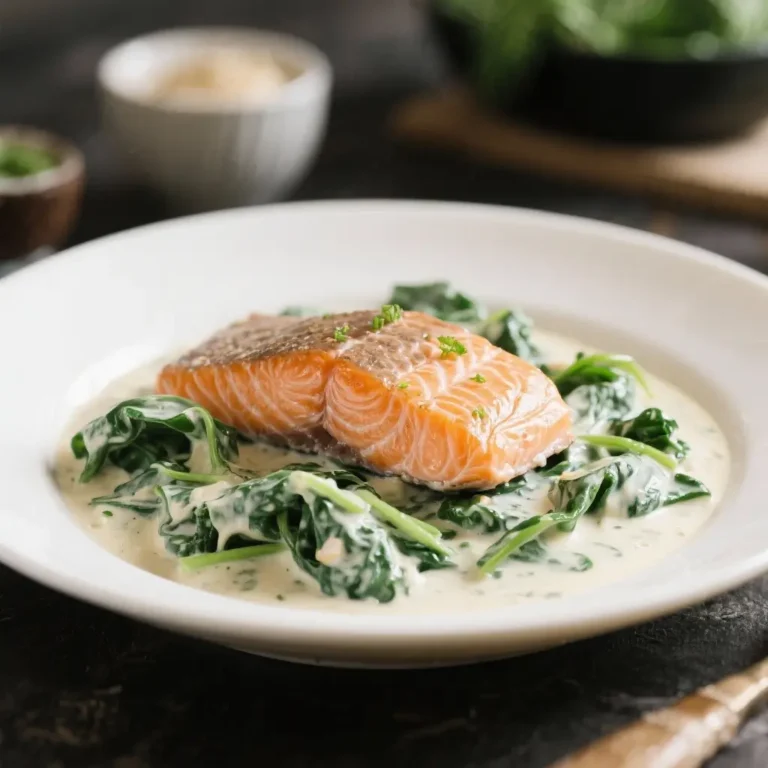
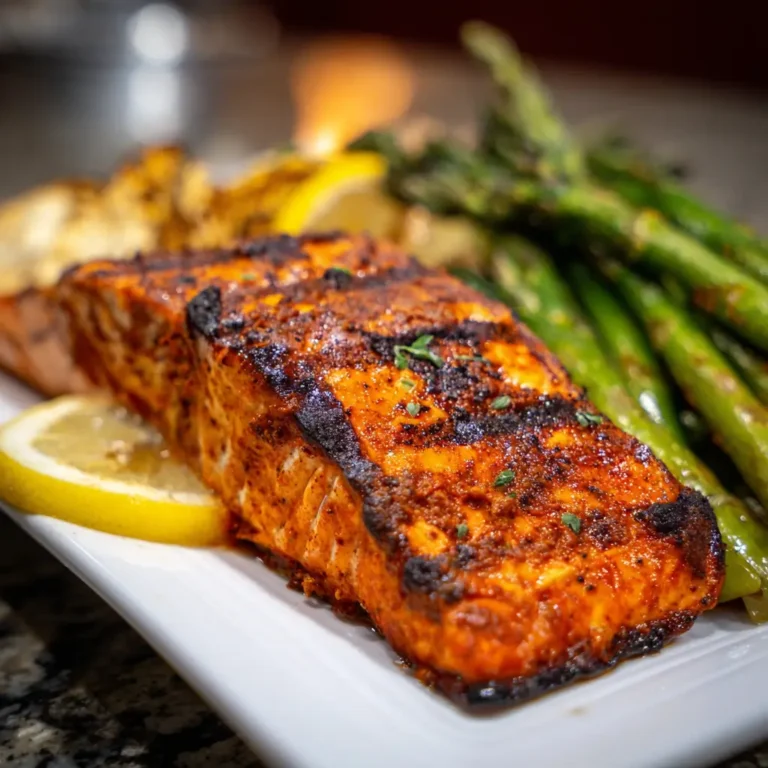
Butter Chicken with Basmati Rice
Butter Chicken with Basmati Rice: A Rich and Creamy Indian Classic
Introduction
Butter Chicken, known as Murgh Makhani in Hindi, is one of the most beloved Indian dishes around the world. Its rich, velvety tomato-based gravy, tender pieces of marinated chicken, and aromatic spices make it a favorite among food lovers across cultures. Paired perfectly with fragrant basmati rice, this dish embodies comfort, warmth, and culinary sophistication. Whether you’re cooking for a special occasion or simply craving a hearty meal, butter chicken delivers an explosion of flavor in every bite. In this comprehensive guide, we’ll dive deep into the origins of the dish, break down each ingredient, provide a detailed step-by-step recipe, offer expert tips, explore variations, and even touch on nutritional aspects—so you can master this iconic meal in your own kitchen.
The History
Butter Chicken was invented in the 1950s at the legendary Moti Mahal restaurant in Delhi, India. The story goes that chef Kundan Lal Gujral, the founder of the restaurant, wanted to prevent food waste by repurposing leftover tandoori chicken. He simmered the cooked chicken in a rich tomato sauce enriched with butter, cream, and aromatic spices, creating what would become a global phenomenon. Over time, the dish evolved from a clever kitchen innovation into a staple of Indian cuisine served in restaurants worldwide. Today, butter chicken is celebrated not only in India but also in countries like the UK, Canada, the USA, and Australia, where it’s often considered the gateway dish to Indian food for many newcomers. Its universal appeal lies in its balance of richness and mild spice, making it accessible yet deeply flavorful.
Ingredients Breakdown
To create authentic butter chicken with basmati rice, you’ll need two main components: the butter chicken itself and the rice. Let’s take a close look at each ingredient and its role in building flavor.
For the Butter Chicken:
- Chicken (boneless, skinless thighs or breast): Thighs are preferred for their tenderness and ability to hold up well during marination and cooking.
- Yogurt (plain, full-fat): Acts as a tenderizer and helps the spices adhere to the chicken. It also adds a subtle tanginess.
- Lemon juice: Enhances flavor and helps in tenderizing the meat.
- Ginger-garlic paste: The aromatic base of most Indian curries; essential for depth of flavor.
- Kashmiri red chili powder: Provides vibrant color and mild heat without overwhelming spiciness.
- Garam masala: A warm, complex spice blend typically containing cinnamon, cardamom, cloves, cumin, and black pepper.
- Turmeric powder: Adds earthy flavor and a golden hue.
- Tomatoes (ripe or canned crushed tomatoes): Form the base of the sauce, providing acidity and body.
- Butter (unsalted): Essential for richness and that signature “buttery” texture.
- Cream (heavy or whipping cream): Gives the sauce its luxurious silkiness.
- Sugar (optional): Balances the acidity of the tomatoes.
- Fresh cilantro (coriander leaves): Used for garnish and freshness.
- Onion (finely chopped or pureed): Adds sweetness and body to the sauce.
- Green chilies (optional): For those who prefer extra heat.
- Oil (ghee or neutral oil): Used for sautéing and enhancing flavor.
For the Basmati Rice:
- Basmati rice: Long-grain rice known for its floral aroma, fluffy texture, and elongated grains when cooked.
- Water or broth: Used for boiling the rice; broth enhances flavor.
- Butter or ghee: Adds richness and prevents sticking.
- Whole spices (cinnamon stick, cardamom pods, cloves, bay leaf): Infuse the rice with subtle aromatics.
- Salt: To taste.
Step-by-Step Recipe
Part 1: Marinating and Cooking the Chicken
- Marinate the Chicken: In a large bowl, combine 500g boneless chicken (cut into bite-sized pieces), ½ cup plain yogurt, 1 tbsp lemon juice, 1 tbsp ginger-garlic paste, 1 tsp Kashmiri red chili powder, ½ tsp turmeric, 1 tsp garam masala, and salt to taste. Mix well until the chicken is fully coated. Cover and refrigerate for at least 2 hours, preferably overnight for maximum flavor absorption.
- Cook the Chicken: Preheat oven to 400°F (200°C). Place the marinated chicken on a baking sheet lined with parchment paper or in a greased tray. Bake for 20–25 minutes, turning halfway through, until the chicken is fully cooked and slightly charred at the edges. Alternatively, grill or pan-sear the chicken for a smokier flavor.
Part 2: Preparing the Butter Chicken Sauce
- Sauté Aromatics: In a heavy-bottomed pan or Dutch oven, heat 2 tbsp butter and 1 tbsp oil over medium heat. Add 1 finely chopped onion and sauté until golden brown (about 8–10 minutes).
- Add Spices: Stir in 1 tbsp ginger-garlic paste and cook for 1 minute until fragrant. Add ½ tsp turmeric, 1 tsp Kashmiri chili powder, and 1 tsp garam masala. Sauté for 30 seconds to toast the spices.
- Add Tomatoes: Pour in 1 can (400g) of crushed tomatoes or 3–4 fresh ripe tomatoes, puréed. Cook for 10–12 minutes, stirring occasionally, until the sauce thickens and oil begins to separate from the mixture.
- Puree the Sauce: Use an immersion blender or transfer the mixture to a regular blender to puree until smooth. Return the sauce to the pan.
- Enrich the Sauce: Stir in 2 tbsp butter, ¼ cup heavy cream, and 1 tsp sugar (optional). Simmer gently for 5 minutes to meld the flavors.
- Add the Chicken: Add the cooked chicken pieces to the sauce. Simmer for 10–15 minutes on low heat, allowing the chicken to absorb the flavors. Adjust seasoning with salt and additional spices if needed.
- Garnish and Serve: Stir in a handful of chopped fresh cilantro. For extra richness, add a splash more cream before serving.
Part 3: Cooking the Basmati Rice
- Rinse the Rice: Rinse 1½ cups basmati rice under cold water until the water runs clear. This removes excess starch and prevents stickiness.
- Soak (Optional): Soak the rice for 20–30 minutes, then drain. This helps the grains elongate during cooking.
- Boil the Rice: In a medium pot, bring 3 cups of water or chicken broth to a boil. Add the rinsed rice, 1 cinnamon stick, 3 green cardamom pods, 2 cloves, 1 bay leaf, 1 tbsp butter or ghee, and salt to taste.
- Cook Until Tender: Reduce heat to low, cover, and simmer for 15–18 minutes, or until the rice is tender and water is absorbed. Avoid stirring.
- Rest and Fluff: Remove from heat and let it sit, covered, for 10 minutes. Then fluff gently with a fork and discard whole spices before serving.
Tips
- Use full-fat yogurt and cream: They provide the necessary richness and help balance the spices.
- Don’t skip marination: At least 2 hours is crucial for tender, flavorful chicken.
- Toast spices carefully: Burnt spices can turn bitter—keep the heat moderate when adding powders.
- Simmer slowly: Allowing the sauce to simmer gently develops deeper flavors and better consistency.
- Baste with butter: For restaurant-style shine, drizzle melted butter on top before serving.
- Adjust spice level: Start with less chili and add more later if desired.
- Use cast iron or heavy pot: Ensures even heat distribution and prevents scorching.
- Refrigerate leftovers properly: Butter chicken tastes even better the next day as flavors deepen.
Variations and Customizations
- Creamy Coconut Version: Replace dairy cream with coconut milk for a vegan or lactose-free alternative. Pairs beautifully with naan or roti.
- Smoky Flavor (Dum Style): After assembling the curry, place a hot charcoal piece in a small bowl inside the pot, drizzle with oil, and cover for 5 minutes for a traditional smoky taste (dhungar method).
- Vegetarian Butter Paneer: Substitute chicken with paneer (Indian cottage cheese) cubes for a vegetarian twist.
- Gluten-Free Option: Naturally gluten-free—just ensure all spice blends are certified GF.
- Extra Protein: Add chickpeas or lentils to make it heartier.
- Low-Fat Version: Use Greek yogurt instead of cream and reduce butter quantity. While less indulgent, it’s still flavorful.
- Spicy Kick: Add chopped green chilies or a dash of cayenne for heat lovers.
- Herb Infusion: Stir in kasuri methi (dried fenugreek leaves) for an earthy, aromatic note typical in Punjabi cuisine.
Health Considerations and Nutritional Value
While butter chicken is undeniably rich and delicious, it’s important to consider its nutritional profile, especially if consumed regularly.
Nutritional Breakdown (Per Serving, Approximate):
- Calories: 450–600 kcal (depending on cream and butter used)
- Protein: 25–30g (from chicken and yogurt)
- Fat: 25–35g (mostly saturated from butter and cream)
- Carbohydrates: 30–40g (primarily from rice and tomatoes)
- Fiber: 3–5g
- Sodium: 600–900mg (can be reduced by using less salt)
Health Tips:
- Moderation is key: Enjoy as part of a balanced diet; pair with steamed vegetables or a fresh salad.
- Heart-healthy swaps: Use olive oil instead of butter and low-fat cream alternatives.
- Increase fiber: Serve with brown basmati rice or quinoa for added nutrients.
- Watch portion sizes: A ¾-cup serving of rice with a moderate amount of curry is satisfying without being excessive.
- Diabetic considerations: Monitor carbohydrate intake and opt for lower-glycemic sides.
Despite its richness, butter chicken contains beneficial ingredients such as protein-rich chicken, lycopene from tomatoes, probiotics from yogurt, and anti-inflammatory spices like turmeric and ginger. When prepared mindfully, it can be part of a nutritious and enjoyable meal.
Ingredients
For Butter Chicken:
- 500g boneless, skinless chicken thighs, cut into cubes
- ½ cup plain full-fat yogurt
- 1 tbsp lemon juice
- 1 tbsp ginger-garlic paste
- 1 tsp Kashmiri red chili powder
- ½ tsp turmeric powder
- 1 tsp garam masala
- Salt to taste
- 1 large onion, finely chopped
- 2 tbsp butter
- 1 tbsp neutral oil (like canola or sunflower)
- 1 can (400g) crushed tomatoes or 3–4 fresh tomatoes, blended
- ¼ cup heavy cream
- 1 tsp sugar (optional)
- Fresh cilantro, chopped (for garnish)
- 1–2 green chilies, sliced (optional)
For Basmati Rice:
- 1½ cups basmati rice
- 3 cups water or chicken broth
- 1 tbsp butter or ghee
- 1 cinnamon stick
- 3 green cardamom pods
- 2 cloves
- 1 bay leaf
- Salt to taste
Directions
- In a bowl, mix chicken with yogurt, lemon juice, ginger-garlic paste, chili powder, turmeric, garam masala, and salt. Marinate for 2+ hours (or overnight) in the refrigerator.
- Preheat oven to 400°F (200°C). Arrange marinated chicken on a baking tray and bake for 20–25 minutes until cooked through and slightly charred. Set aside.
- In a large pan, heat butter and oil. Sauté onions until golden brown (8–10 minutes).
- Add ginger-garlic paste and sauté for 1 minute. Stir in turmeric, chili powder, and garam masala; cook for 30 seconds.
- Add crushed tomatoes and cook for 10–12 minutes until oil separates and sauce thickens.
- Puree the sauce using an immersion blender or regular blender. Return to pan.
- Stir in butter, cream, and sugar. Simmer for 5 minutes.
- Add cooked chicken pieces. Simmer for 10–15 minutes on low heat.
- Garnish with cilantro and serve hot.
- Rinse basmati rice until water runs clear. Soak for 20–30 minutes, then drain.
- Bring 3 cups water or broth to a boil in a pot. Add rice, butter, whole spices, and salt.
- Reduce heat, cover, and simmer for 15–18 minutes.
- Remove from heat and let rest, covered, for 10 minutes. Fluff with a fork and remove whole spices.
- Serve butter chicken over a bed of hot basmati rice.
FAQ
Q: Can I make butter chicken without a tandoor or oven?
A: Absolutely! You can pan-sear the marinated chicken on the stovetop until fully cooked. The flavor will still be excellent.
Q: How long does butter chicken last in the fridge?
A: It keeps well for 3–4 days in an airtight container. The flavor often improves after a day.
Q: Can I freeze butter chicken?
A: Yes, it freezes well for up to 3 months. Store without cream, then add fresh cream when reheating.
Q: What can I serve with butter chicken besides rice?
A: Naan, roti, paratha, or even quinoa work wonderfully. A cucumber raita or kachumber salad balances the richness.
Q: Why is my sauce too thin or too thick?
A: If too thin, simmer longer to reduce. If too thick, add a splash of water, broth, or cream to adjust consistency.
Q: Is butter chicken spicy?
A: Traditionally, it’s mildly spiced. The heat comes mostly from chili powder, which you can adjust to taste.
Q: Can I use frozen chicken?
A: Yes, but ensure it’s fully thawed and patted dry before marinating for best results.
Q: What makes butter chicken different from tikka masala?
A: Butter chicken is milder, creamier, and uses pre-cooked tandoori chicken. Tikka masala has a tangier, spicier sauce and often includes more robust spices like paprika and cumin.
Summary
Butter chicken with basmati rice is a luxurious, comforting dish that combines tender marinated chicken in a creamy tomato sauce with fragrant, fluffy rice. Originating in Delhi, it has become a global favorite for its rich flavor and approachable spice level.