Baked Creamy Mac and Cheese Dinner
Baked Creamy Mac and Cheese Dinner
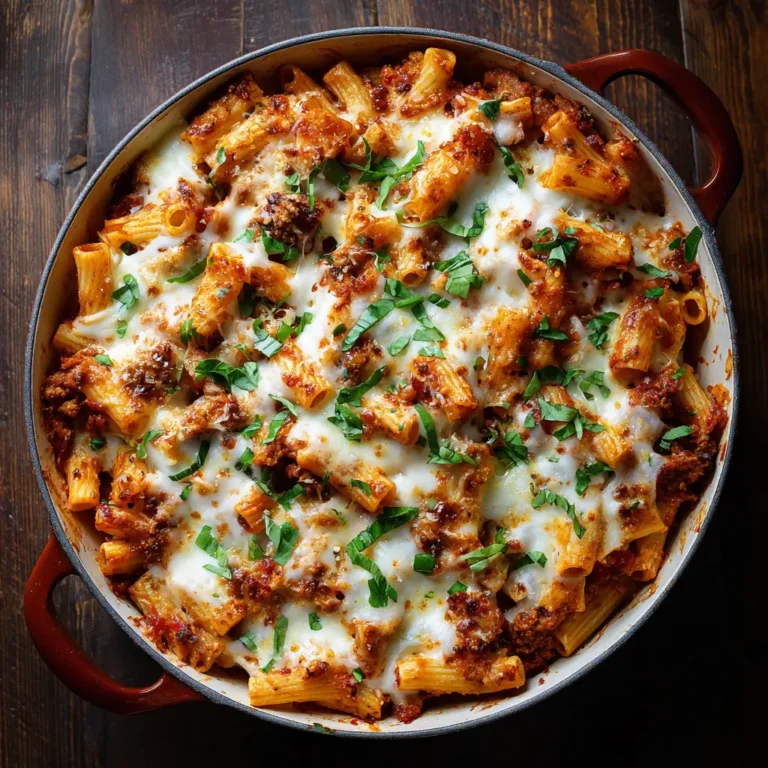
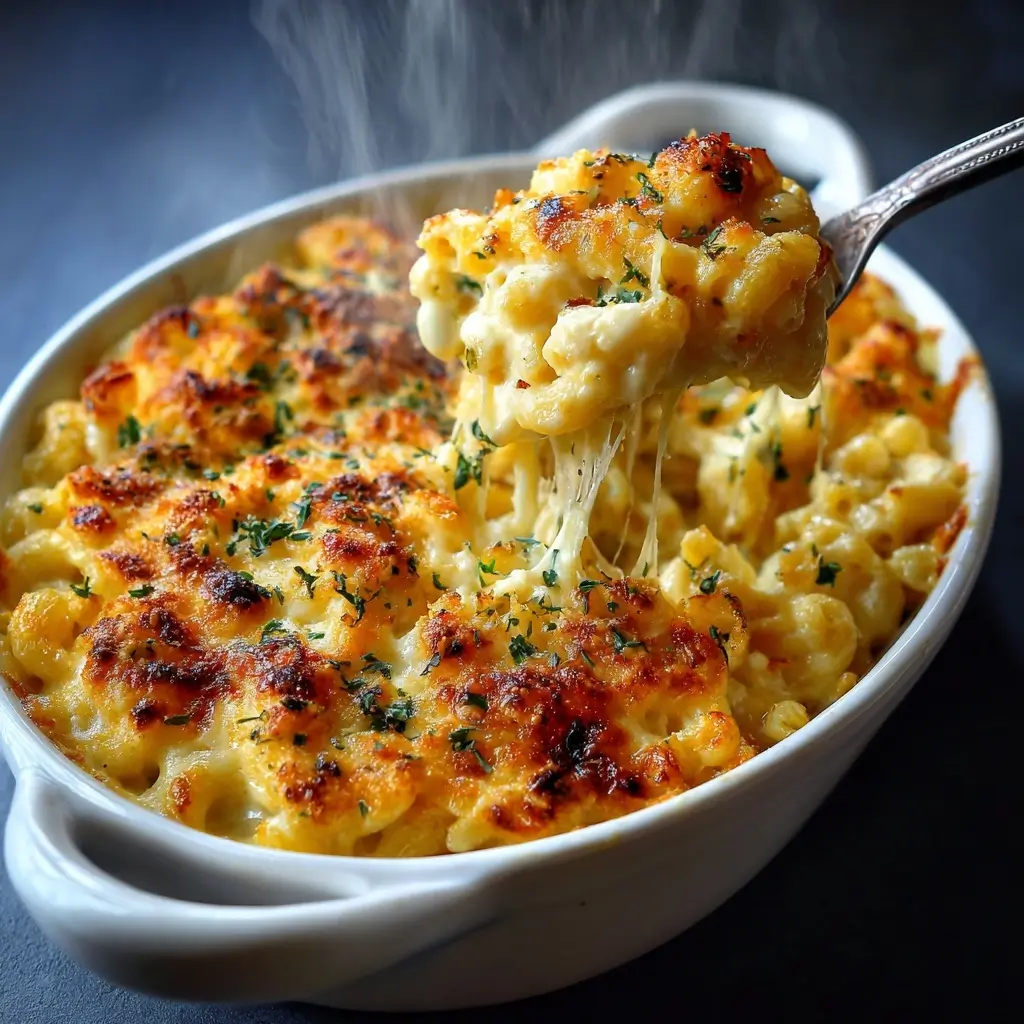
If you’re craving comfort food at its finest, look no further than this indulgent Baked Creamy Mac and Cheese Dinner. A beloved classic that has warmed hearts and filled bellies for generations, this dish combines tender elbow macaroni with a luxuriously smooth, velvety cheese sauce, all baked to golden perfection under a bubbling, crispy breadcrumb topping. Whether served as a main course on a cozy night in or as the star of your holiday table, this mac and cheese recipe delivers rich flavor, creamy texture, and just the right amount of crunch. From family dinners to potlucks and weeknight meals, it’s a universally loved dish that never fails to satisfy.
The History of Mac and Cheese
Macaroni and cheese has a surprisingly long and storied history that stretches back centuries. While often thought of as an American staple, its roots can be traced to 13th-century Italy, where pasta dishes were already being enjoyed with cheese. The earliest known recipe resembling mac and cheese appears in the Italian text Liber de Coquina, written around 1300, which mentions a dish of boiled pasta mixed with grated cheese—likely Parmesan.
The dish made its way across Europe and eventually into British cuisine. By the 18th century, recipes for “macaroni cheese” began appearing in English cookbooks, such as Elizabeth Raffald’s The Experienced English Housekeeper (1769), which described a baked casserole of macaroni layered with cheddar cheese and cream.
In America, mac and cheese gained widespread popularity thanks in part to Thomas Jefferson. After encountering the dish during his time in France and Italy, Jefferson brought back a macaroni machine and served a version of mac and cheese at a state dinner in 1802. This helped introduce the dish to American high society.
It wasn’t until the 20th century, however, that mac and cheese became a household staple. In 1937, the Kraft Foods Company introduced Kraft Macaroni & Cheese, a boxed version that could be prepared quickly and inexpensively. During World War II, it became a popular meal due to its low cost and ration-friendly ingredients. Since then, homemade versions have evolved into gourmet interpretations, with bakers adding everything from bacon and lobster to truffle oil and exotic cheeses. Today, baked mac and cheese remains a symbol of comfort, creativity, and culinary nostalgia.
Ingredients Breakdown
Every great baked mac and cheese starts with quality ingredients. Here’s a detailed breakdown of what goes into this creamy, decadent casserole:
- Elbow Macaroni: The classic choice for mac and cheese due to its curved shape, which holds sauce beautifully. You can use regular, whole wheat, or gluten-free pasta depending on dietary needs.
- Butter: Adds richness and helps create the roux base for the cheese sauce. Unsalted butter is preferred so you can control the salt level.
- All-Purpose Flour: Used to thicken the milk into a smooth béchamel sauce, forming the foundation of the creamy texture.
- Milk: Whole milk is recommended for maximum creaminess, though half-and-half or even heavy cream can be used for extra richness.
- Garlic Powder and Onion Powder: Subtle seasonings that enhance the savory depth without overpowering the cheese.
- Dijon Mustard: A small amount adds tang and helps emulsify the sauce, preventing the cheese from separating.
- Worcestershire Sauce: A few dashes contribute umami and complexity to the overall flavor profile.
- Nutmeg: Just a pinch enhances the warmth and richness of the cheese sauce—a secret ingredient in many gourmet versions.
- Salt and Black Pepper: Essential for balancing and seasoning the sauce properly.
- Sharp Cheddar Cheese: The star of the show. Sharp cheddar provides bold flavor and melts well. Use freshly grated cheese for best results—pre-shredded contains anti-caking agents that can affect texture.
- Mozzarella Cheese: Adds stretch and creaminess, helping achieve that desirable gooey texture.
- Gruyère or Fontina: These semi-soft, nutty cheeses melt smoothly and add sophistication to the flavor profile.
- Parmesan Cheese: Grated Parmesan adds a salty, umami kick and enhances browning on top.
- Breadcrumbs: For the crunchy topping. Panko breadcrumbs give the lightest, crispiest crust, but regular fine breadcrumbs work too.
- Extra Butter (for topping): Tossed with the breadcrumbs to help them toast evenly and develop a golden color.
- Fresh Herbs (optional): Parsley, chives, or thyme can be sprinkled on top before baking for added freshness and aroma.
Step-by-Step Recipe
- Preheat the Oven: Begin by preheating your oven to 375°F (190°C). Lightly grease a 9×13-inch baking dish with non-stick spray or softened butter to prevent sticking.
- Cook the Pasta: Bring a large pot of salted water to a boil. Add 1 pound (about 450g) of elbow macaroni and cook according to package instructions until al dente—usually about 7–8 minutes. Drain and set aside. Do not overcook, as the pasta will continue to absorb liquid during baking.
- Make the Roux: In a large saucepan or Dutch oven, melt ½ cup (1 stick / 113g) of unsalted butter over medium heat. Once melted and slightly foamy, whisk in ½ cup (60g) all-purpose flour. Cook for 2–3 minutes, stirring constantly, to eliminate the raw flour taste. The mixture should form a smooth paste known as a roux.
- Create the Béchamel: Gradually pour in 4 cups (950ml) of whole milk, whisking continuously to prevent lumps. Continue cooking and stirring until the mixture thickens enough to coat the back of a spoon—about 8–10 minutes. It should be smooth and silky.
- Season the Sauce: Stir in 1 teaspoon garlic powder, 1 teaspoon onion powder, 1 tablespoon Dijon mustard, 1 teaspoon Worcestershire sauce, ¼ teaspoon ground nutmeg, 1 teaspoon salt, and ½ teaspoon black pepper. Mix well to combine.
- Add the Cheeses: Reduce the heat to low. Gradually add 3 cups (about 340g) shredded sharp cheddar, 1 cup (115g) shredded mozzarella, 1 cup (115g) shredded Gruyère or Fontina, and ½ cup (50g) grated Parmesan. Stir after each addition until fully melted and smooth. Avoid boiling the sauce once cheese is added, as high heat can cause separation.
- Combine Pasta and Sauce: Pour the cooked macaroni into the cheese sauce. Gently fold together until every noodle is evenly coated. Taste and adjust seasoning if needed.
- Transfer to Baking Dish: Pour the mac and cheese mixture into the prepared baking dish, spreading it out evenly with a spatula.
- Prepare the Topping: In a small bowl, combine 1 cup (50g) panko breadcrumbs with 2 tablespoons melted butter, 2 tablespoons grated Parmesan, and a pinch of paprika (optional for color). Mix until the crumbs are moistened.
- Add the Crust: Sprinkle the breadcrumb mixture evenly over the top of the mac and cheese, covering the surface completely for an even bake.
- Bake: Place the dish in the preheated oven and bake for 25–30 minutes, or until the top is golden brown and the edges are bubbling. For an extra-browned crust, switch the oven to broil for the last 2–3 minutes—but watch closely to avoid burning.
- Rest Before Serving: Remove from the oven and let it rest for 5–10 minutes. This allows the sauce to settle, making it easier to scoop and serve without being too runny.
Pro Tips for the Best Baked Mac and Cheese
- Grate Your Own Cheese: Pre-shredded cheese contains cellulose and other anti-caking agents that can make your sauce grainy or oily. Freshly grated cheese melts more smoothly.
- Don’t Overbake the Pasta: Cook the macaroni just until al dente. It will absorb more sauce in the oven, so starting with slightly firm noodles prevents mushiness.
- Use Room-Temperature Milk: Adding cold milk to a hot roux can cause lumps. Warm the milk slightly before incorporating it.
- Stir Constantly When Making the Sauce: This prevents scorching and ensures a lump-free béchamel.
- Balance the Cheeses: Combine a strong-flavored cheese (cheddar) with a creamy melter (mozzarella) and a nutty, aromatic variety (Gruyère) for optimal taste and texture.
- Let It Rest: Allowing the dish to sit for 10 minutes after baking improves consistency and makes serving cleaner.
- Double the Batch: This dish reheats beautifully and freezes well. Make ahead and store in individual portions for quick meals.
- Avoid Foil Covers Unless Necessary: If you cover with foil during baking, moisture can get trapped and soften the topping. Only cover if the top browns too quickly.
Variations and Customizations
This baked mac and cheese recipe is incredibly versatile. Here are some delicious ways to customize it:
- Bacon Mac and Cheese: Add 6–8 slices of cooked, crumbled bacon into the mix before baking. Top with extra bacon bits for crunch.
- Lobster Mac and Cheese: Fold in 1–2 cups of cooked lobster meat for a luxurious twist perfect for special occasions.
- Buffalo Chicken Mac and Cheese: Mix in shredded rotisserie chicken tossed in buffalo sauce and top with blue cheese crumbles.
- Veggie-Packed Mac: Stir in sautéed mushrooms, spinach, roasted broccoli, or caramelized onions for added nutrition and flavor.
- Spicy Kick: Add diced jalapeños, a dash of cayenne pepper, or a spoonful of chipotle in adobo sauce for heat.
- Truffle Mac and Cheese: Drizzle with truffle oil or mix in truffle salt before serving for an earthy, gourmet flair.
- Smoked Gouda Version: Replace cheddar with smoked Gouda for a deeper, smoky flavor profile.
- Gluten-Free Option: Use gluten-free pasta and substitute the all-purpose flour with cornstarch or a GF flour blend.
- Dairy-Free/Vegan Mac: Use plant-based butter, unsweetened almond or oat milk, and vegan cheeses like cashew-based cheddar and mozzarella.
- Breakfast Mac: Add scrambled eggs and breakfast sausage for a brunch-ready casserole.
Health Considerations and Nutritional Value
While baked mac and cheese is undeniably rich and comforting, it’s important to enjoy it in moderation, especially if you’re watching your calorie, fat, or sodium intake. Here’s a general nutritional breakdown per serving (based on 6 servings):
- Calories: ~550–650 kcal
- Total Fat: ~30–40g (mostly from cheese, butter, and milk)
- Saturated Fat: ~18–22g
- Cholesterol: ~90–110mg
- Sodium: ~700–900mg (can vary based on cheese and added salt)
- Carbohydrates: ~50–55g
- Fiber: ~2–3g
- Protein: ~20–25g
To make a healthier version:
- Use reduced-fat cheese and milk (though this may affect creaminess).
- Boost fiber by using whole grain or legume-based pasta.
- Add vegetables like steamed cauliflower, peas, or kale to increase nutrients and volume without excess calories.
- Reduce butter and breadcrumbs or use olive oil spray for the topping.
- Portion control: Serve smaller portions alongside a fresh salad or roasted vegetables.
Full Ingredient List
- 1 pound (450g) elbow macaroni
- ½ cup (1 stick / 113g) unsalted butter
- ½ cup (60g) all-purpose flour
- 4 cups (950ml) whole milk
- 1 teaspoon garlic powder
- 1 teaspoon onion powder
- 1 tablespoon Dijon mustard
- 1 teaspoon Worcestershire sauce
- ¼ teaspoon ground nutmeg
- 1 teaspoon salt (or to taste)
- ½ teaspoon black pepper
- 3 cups (340g) shredded sharp cheddar cheese
- 1 cup (115g) shredded mozzarella cheese
- 1 cup (115g) shredded Gruyère or Fontina cheese
- ½ cup (50g) grated Parmesan cheese, plus extra for topping
- 1 cup (50g) panko breadcrumbs
- 2 tablespoons melted butter (for topping)
- Pinch of paprika (optional, for color)
- Fresh parsley or chives, chopped (optional garnish)
Detailed Directions
- Preheat and Prep: Preheat oven to 375°F (190°C). Grease a 9×13-inch casserole dish with butter or non-stick spray.
- Cook Pasta: Boil macaroni in salted water until al dente. Drain, rinse briefly with cool water to stop cooking, and set aside.
- Make Roux: In a large saucepan, melt ½ cup butter over medium heat. Whisk in flour and cook for 2–3 minutes until golden and fragrant.
- Add Milk: Slowly pour in milk while whisking constantly. Continue cooking 8–10 minutes until sauce coats the back of a spoon.
- Season: Stir in garlic powder, onion powder, Dijon mustard, Worcestershire sauce, nutmeg, salt, and pepper.
- Melt Cheeses: Reduce heat to low. Gradually add cheddar, mozzarella, Gruyère, and Parmesan, stirring until smooth and fully incorporated.
- Combine: Add cooked macaroni to the cheese sauce. Stir gently until evenly coated.
- Transfer: Pour mixture into the greased baking dish and spread evenly.
- Top with Crumbs: Mix panko, 2 tbsp melted butter, 2 tbsp Parmesan, and paprika. Sprinkle over mac and cheese.
- Bake: Bake 25–30 minutes until bubbly and golden on top. Broil 2–3 minutes for extra crispness (optional).
- Rest and Serve: Let stand 5–10 minutes. Garnish with fresh herbs and serve warm.
Frequently Asked Questions (FAQ)
Can I make mac and cheese ahead of time?
Yes! Assemble the dish up to 24 hours in advance, cover, and refrigerate. Add 5–10 minutes to baking time if going straight from fridge to oven.
How do I reheat baked mac and cheese?
Reheat in the oven at 350°F (175°C) for 20–25 minutes, covered with foil. Add a splash of milk if it seems dry. Microwave individual portions for 2–3 minutes, stirring halfway.
Why is my mac and cheese grainy?
This usually happens when cheese is overheated or when pre-shredded cheese with additives is used. Always melt cheese over low heat and use freshly grated varieties.
Can I freeze baked mac and cheese?
Yes. Cool completely, wrap tightly, and freeze for up to 3 months. Thaw overnight in the fridge before reheating.
How can I make it creamier after baking?
Stir in a little warm milk or cream before reheating. You can also add a spoonful of sour cream or cream cheese to the sauce before baking.
What pasta works best?
Elbow macaroni is traditional, but shells, cavatappi, penne, or fusilli also hold sauce well.
Can I use evaporated milk?
Yes—evaporated milk creates a richer, creamier texture without curdling and is a common trick in Southern-style mac and cheese.
Is this kid-friendly?
Absolutely! Kids love the cheesy, mild flavor. You can reduce spices and use milder cheeses like Colby Jack if desired.
Summary
Baked Creamy Mac and Cheese Dinner is the ultimate comfort dish—rich, cheesy, and satisfying, with a golden crust and velvety interior. Perfect for family meals, holidays, or whenever you need a hearty, soul-warming treat.