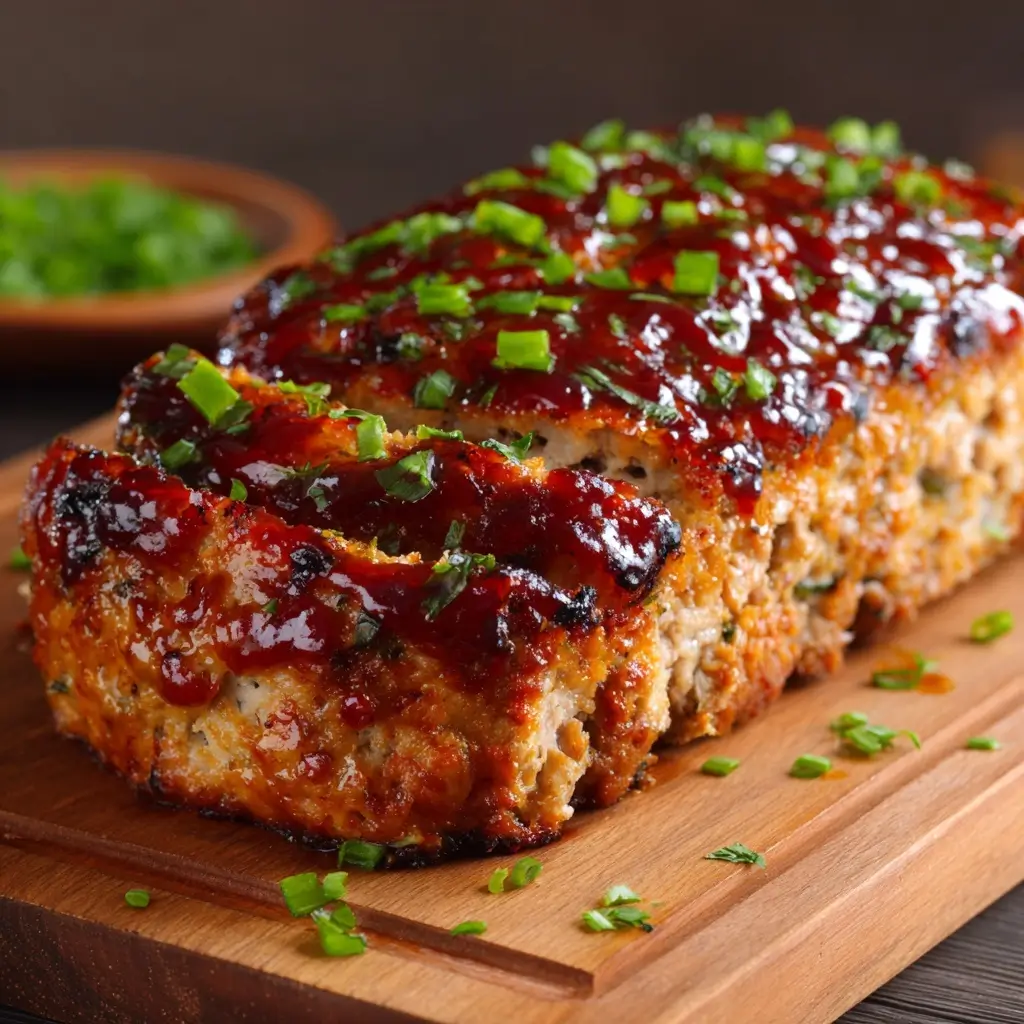
Baked Turkey Meatloaf with Glaze
Baked Turkey Meatloaf with Glaze: A Flavorful, Healthier Twist on a Classic Comfort Dish
There’s something undeniably comforting about a warm slice of meatloaf fresh from the oven—tender, savory, and rich with flavor. Traditionally made with beef, meatloaf has been a staple in American households for generations. But today’s health-conscious cooks are turning to leaner proteins without sacrificing taste. Enter the Baked Turkey Meatloaf with Glaze: a moist, flavorful alternative that satisfies cravings while being lighter on calories and fat. This version combines ground turkey with aromatic vegetables, herbs, and a sweet-tangy glaze that caramelizes beautifully during baking. Whether you’re feeding a family, meal prepping for the week, or hosting a cozy dinner, this recipe delivers comfort food with a nutritious upgrade.
The History of Meatloaf: From Humble Beginnings to Modern Twists
Meatloaf has roots stretching back centuries, long before it became an American classic. In ancient Rome, minced meat was mixed with bread, spices, and wine, then formed into loaves and baked—a practice recorded by the Roman gourmet Apicius. During the 18th century in Europe, various cultures developed their own versions, often using leftover meats combined with fillers like breadcrumbs or grains to stretch meals further.
It wasn’t until the late 19th and early 20th centuries that meatloaf gained popularity in the United States. With the rise of industrialized meat processing and the availability of affordable ground beef, American home cooks began incorporating meatloaf into weekly menus. The Great Depression and World War II further cemented its place in American cuisine as a way to make inexpensive cuts of meat go further using extenders like oats, crackers, and vegetables.
By the mid-20th century, meatloaf had become a symbol of home cooking, often served alongside mashed potatoes and green beans. Over time, regional variations emerged, including Southern-style meatloaf with a ketchup-based glaze and Midwestern recipes featuring cheese or bacon toppings.
Today, the dish continues to evolve. As dietary preferences shift toward leaner proteins and whole foods, turkey meatloaf has surged in popularity. Ground turkey offers a lighter alternative to beef while still providing enough fat and texture to create a juicy loaf. Combined with modern flavor profiles and healthier ingredients, the Baked Turkey Meatloaf with Glaze represents the next chapter in this beloved dish’s story—honoring tradition while embracing innovation.
Ingredients Breakdown: What Goes Into a Perfect Turkey Meatloaf?
The magic of a great turkey meatloaf lies not just in technique but in the thoughtful selection of ingredients. Each component plays a vital role in building flavor, texture, moisture, and structure. Here’s a detailed look at what goes into this recipe—and why each ingredient matters:
- Ground Turkey (93% lean): The star of the show. Using ground turkey breast ensures a lean, light base, but mixing in a bit of dark meat (or opting for 85/15) can boost juiciness. Avoid overly lean turkey (like 99%) as it may result in a dry loaf.
- Yellow Onion & Garlic: Finely diced onion adds sweetness when sautéed, while fresh garlic brings depth and aroma. Sautéing them first softens their bite and enhances flavor integration.
- Carrot and Celery: Often referred to as “mirepoix” in French cooking, these vegetables contribute subtle earthiness and moisture. Grating them finely ensures they blend seamlessly into the loaf.
- Fresh Parsley: Adds brightness and balances richness. Flat-leaf parsley is preferred for its robust flavor.
- Whole Wheat Breadcrumbs or Panko: These act as binders and help retain moisture. Whole wheat adds fiber; panko gives a lighter texture. For gluten-free diets, use certified GF breadcrumbs or crushed gluten-free crackers.
- Old-Fashioned Oats: Another binder that also adds heart-healthy fiber and helps absorb excess liquid. Quick oats work too, but old-fashioned give better structure.
- Large Egg: Essential for binding the ingredients together so the loaf holds its shape during baking.
- Worcestershire Sauce: A umami powerhouse. Just a tablespoon deepens the savory notes and mimics the complexity usually found in beef-based recipes.
- Dijon Mustard: Adds tang and helps emulsify the mixture, contributing both flavor and moisture.
- Tomato Paste: Concentrated tomato flavor that enriches the base and helps prevent dryness.
- Extra Virgin Olive Oil: Used to sauté veggies and add healthy fats that carry flavor throughout the loaf.
- Salt and Black Pepper: Fundamental seasonings. Don’t underestimate their importance—even small adjustments can elevate the entire dish.
- Smoked Paprika (optional): Adds a gentle warmth and smoky nuance, enhancing the overall savoriness.
For the Glaze:
- Unsweetened Applesauce: Natural sweetness without refined sugar. Also contributes moisture and helps the glaze adhere.
- Low-Sodium Ketchup: Provides the classic tangy-sweet profile with less salt. Organic or homemade ketchup works well if available.
- Balsamic Vinegar: Deepens flavor with a fruity acidity that balances the sweetness and enhances caramelization.
- Garlic Powder: Reinforces the garlic notes without adding raw sharpness.
- Maple Syrup or Honey: Natural sweeteners that promote browning and add a rich finish. Maple syrup pairs especially well with turkey.
- Mustard (Dijon or yellow): Ties the glaze to the loaf, creating continuity in flavor.
Step-by-Step Recipe: How to Make Baked Turkey Meatloaf with Glaze
Follow this easy, foolproof method to create a tender, juicy turkey meatloaf crowned with a glossy, flavorful glaze.
- Preheat Oven and Prepare Pan: Preheat your oven to 375°F (190°C). Line a large baking sheet with parchment paper or lightly grease a loaf pan (if using).
- Sauté the Vegetables: In a medium skillet over medium heat, warm 1 tablespoon of olive oil. Add the diced onion, carrot, and celery. Cook for 6–8 minutes, stirring occasionally, until softened and slightly golden. Stir in the minced garlic and cook for 30 seconds more until fragrant. Remove from heat and let cool slightly.
- Mix the Meatloaf Base: In a large mixing bowl, combine the ground turkey, sautéed vegetables, grated carrot, fresh parsley, breadcrumbs, oats, egg, Worcestershire sauce, Dijon mustard, tomato paste, 1 teaspoon salt, ½ teaspoon black pepper, and smoked paprika (if using). Use clean hands or a spoon to gently mix until just combined. Do not overmix—this can lead to a tough texture.
- Shape the Loaf: Transfer the mixture to the prepared baking sheet. Shape into a loaf approximately 9 inches long, 5 inches wide, and 2 inches high. If using a loaf pan, press the mixture evenly into the pan, leaving about ½ inch at the top.
- Prepare the Glaze: In a small bowl, whisk together ¼ cup unsweetened applesauce, 3 tablespoons low-sodium ketchup, 1 tablespoon balsamic vinegar, 1 teaspoon maple syrup, ½ teaspoon garlic powder, and 1 teaspoon Dijon mustard until smooth.
- Apply the First Coat: Brush half of the glaze evenly over the top and sides of the loaf. Reserve the remaining glaze for later.
- Bake: Place the meatloaf in the center rack of the oven. Bake for 40 minutes.
- Add Second Glaze Layer: After 40 minutes, carefully remove the meatloaf from the oven. Gently brush the remaining glaze over the top. This double-glazing technique builds flavor and creates a beautiful, sticky crust.
- Continue Baking: Return to the oven and bake for another 15–25 minutes, or until the internal temperature reaches 165°F (74°C) when measured with a meat thermometer inserted into the thickest part.
- Rest Before Slicing: Once done, remove the meatloaf from the oven and let it rest for 10–15 minutes. This allows the juices to redistribute, ensuring slices hold together and remain moist.
- Serve: Slice into 8 portions using a sharp knife. Serve warm with your favorite sides.
Tips for the Best Baked Turkey Meatloaf
- Don’t Overmix: Overworking the meat mixture can lead to a dense, rubbery texture. Mix only until ingredients are incorporated.
- Sauté Veggies First: Cooking onions, carrots, and celery before adding them removes excess moisture and concentrates flavor.
- Use a Thermometer: Turkey must reach 165°F internally to be safe to eat. Relying on time alone can lead to undercooking or drying out.
- Cool Veggies Before Mixing: Adding hot vegetables directly to the raw turkey can start cooking the egg prematurely, leading to uneven texture.
- Let It Rest: Skipping the resting step causes juices to spill out when sliced, resulting in drier pieces.
- Double the Glaze: Want extra shine and flavor? Double the glaze and reserve some to serve on the side as a dipping sauce.
- Line the Pan: Parchment paper makes cleanup effortless and prevents sticking without needing excess oil.
- Try Free-Form vs. Loaf Pan: Baking free-form on a sheet pan allows airflow around the loaf, promoting even browning. A loaf pan yields a denser, more traditional shape but may steam slightly.
- Add Moisture Boosters: For extra juiciness, consider adding 2 tablespoons of Greek yogurt, grated zucchini (squeezed dry), or a splash of chicken broth to the mix.
Variations and Customizations
This recipe is highly adaptable to suit different tastes, dietary needs, and pantry inventories. Here are some creative ways to personalize your turkey meatloaf:
- Italian-Inspired: Add ¼ cup grated Parmesan, 2 teaspoons dried oregano, 1 teaspoon basil, and ½ cup chopped sun-dried tomatoes. Swap the glaze for marinara sauce brushed on top.
- Mediterranean Style: Mix in crumbled feta, chopped spinach, Kalamata olives, and a pinch of lemon zest. Glaze with a mix of honey and Greek yogurt.
- Southwest Kick: Add cumin, chili powder, diced green chiles, corn, and black beans. Top with a chipotle-ketchup glaze.
- Gluten-Free: Replace breadcrumbs with gluten-free oats or certified GF breadcrumbs. Ensure all other ingredients (like Worcestershire) are labeled gluten-free.
- Dairy-Free: This recipe is naturally dairy-free—just confirm your Worcestershire sauce doesn’t contain anchovies (some do) if following a strict diet.
- Keto/Low-Carb: Substitute breadcrumbs with almond flour or crushed pork rinds. Replace ketchup in the glaze with sugar-free tomato sauce and use erythritol instead of maple syrup.
- Veggie-Packed: Grate additional zucchini, mushrooms, or bell peppers and squeeze dry before adding to boost nutrition and moisture.
- Bacon-Wrapped: Lay strips of bacon across the top before baking for added richness and crisp edges (use turkey bacon for a leaner option).
- Mini Meatloaves: Divide the mixture into muffin tins for individual servings—bake for 20–25 minutes. Great for portion control and kids!
- Slow Cooker Version: Form the loaf and place in a slow cooker lined with parchment. Cook on low for 4–5 hours. Glaze during the last hour.
Health Considerations and Nutritional Value
One of the biggest advantages of turkey meatloaf over traditional beef versions is its improved nutritional profile. Let’s break down the health aspects:
- Lower in Fat and Calories: Ground turkey (especially breast meat) contains significantly less saturated fat than ground beef, making it heart-healthier and ideal for those managing cholesterol or weight.
- High-Quality Protein: A single serving provides about 25–30 grams of complete protein, essential for muscle repair, satiety, and metabolic function.
- Fiber-Rich Ingredients: By using whole wheat breadcrumbs, oats, and plenty of vegetables, this recipe delivers 3–5 grams of fiber per serving—supporting digestion and blood sugar balance.
- No Artificial Preservatives: When made at home, you control the ingredients—no hidden MSG, nitrates, or excessive sodium.
- Reduced Sodium Option: Using low-sodium ketchup, limiting added salt, and choosing no-salt-added tomato paste keeps sodium levels in check—ideal for those with hypertension.
- Balanced Carbohydrates: The glaze uses natural sweeteners like applesauce and maple syrup in moderation, avoiding refined sugars commonly found in store-bought glazes.
- Packed with Vitamins and Antioxidants: Carrots provide beta-carotene (vitamin A), tomatoes offer lycopene, and garlic contains allicin—all linked to immune support and disease prevention.
- Diabetes-Friendly Adjustments: To lower glycemic impact, reduce the glaze amount, use sugar-free ketchup, and pair with non-starchy vegetables instead of potatoes.
Nutritional Estimate (per serving, based on 8 servings):
- Calories: ~220–250
- Protein: 28g
- Fat: 9g (Saturated Fat: 2.5g)
- Carbohydrates: 10g
- Fiber: 2–3g
- Sugar: 6g (mostly natural from glaze)
- Sodium: 400–500mg (adjustable)
Ingredients
- 1 ½ pounds (680g) ground turkey (preferably 93% lean)
- 1 tablespoon extra virgin olive oil
- 1 medium yellow onion, finely diced
- 1 medium carrot, grated
- 1 celery stalk, finely diced
- 2 cloves garlic, minced
- ¼ cup fresh parsley, chopped
- ½ cup whole wheat breadcrumbs or panko
- ⅓ cup old-fashioned oats
- 1 large egg
- 1 tablespoon Worcestershire sauce
- 1 tablespoon Dijon mustard
- 1 tablespoon tomato paste
- 1 teaspoon kosher salt
- ½ teaspoon black pepper
- ½ teaspoon smoked paprika (optional)
For the Glaze:
- ¼ cup unsweetened applesauce
- 3 tablespoons low-sodium ketchup
- 1 tablespoon balsamic vinegar
- 1 teaspoon pure maple syrup or honey
- ½ teaspoon garlic powder
- 1 teaspoon Dijon or yellow mustard
Directions
- Preheat oven to 375°F (190°C). Line a large baking sheet with parchment paper or lightly grease a 9×5-inch loaf pan.
- In a skillet over medium heat, warm olive oil. Add onion, carrot, and celery. Cook for 6–8 minutes until soft. Stir in garlic and cook 30 seconds. Remove from heat and cool slightly.
- In a large bowl, combine ground turkey, cooled vegetables, parsley, breadcrumbs, oats, egg, Worcestershire sauce, Dijon mustard, tomato paste, salt, pepper, and smoked paprika. Mix gently with hands or a spoon until just combined.
- Transfer mixture to baking sheet. Shape into a 9×5-inch loaf or press into loaf pan.
- In a small bowl, whisk together all glaze ingredients. Brush half over the top and sides of the loaf.
- Bake for 40 minutes. Remove from oven and brush with remaining glaze.
- Return to oven and bake 15–25 minutes more, until internal temperature reaches 165°F.
- Let rest 10–15 minutes before slicing. Serve warm.
FAQ
Can I make turkey meatloaf ahead of time?
Yes! Assemble the meatloaf (unglazed) up to 24 hours in advance, cover, and refrigerate. Add glaze and bake as directed, adding 5–10 minutes to the cook time if starting cold.
Can I freeze turkey meatloaf?
Absolutely. Cool completely, wrap tightly in plastic and foil, and freeze for up to 3 months. Thaw overnight in the fridge before reheating.
Why is my turkey meatloaf dry?
Overcooking, using ultra-lean turkey, or skipping moisture-rich ingredients (like veggies or tomato paste) can cause dryness. Always use a thermometer and avoid exceeding 165°F.
How do I reheat meatloaf without drying it out?
Reheat in the oven at 325°F for 15–20 minutes, covered with foil. Add a splash of broth or water to the dish to retain moisture. Microwaving works too—cover and heat in 30-second intervals.
Can I use frozen vegetables?
You can, but thaw and drain them thoroughly first. Frozen veggies contain more water, which can make the loaf soggy.
Is turkey meatloaf safe for kids and pregnant women?
Yes, as long as it’s cooked to 165°F and handled safely. Ground turkey should be used within 1–2 days of purchase or frozen promptly.
What sides pair well with turkey meatloaf?
Try roasted Brussels sprouts, garlic mashed cauliflower, quinoa salad, steamed green beans, or a crisp garden salad. For a comfort twist, serve with sweet potato mash.
Summary
The Baked Turkey Meatloaf with Glaze is a modern, nutritious take on a timeless comfort dish—juicy, flavorful, and easy to customize. Packed with lean protein, fiber-rich ingredients, and a sweet-tangy glaze, it’s perfect for weeknight dinners or meal prep.