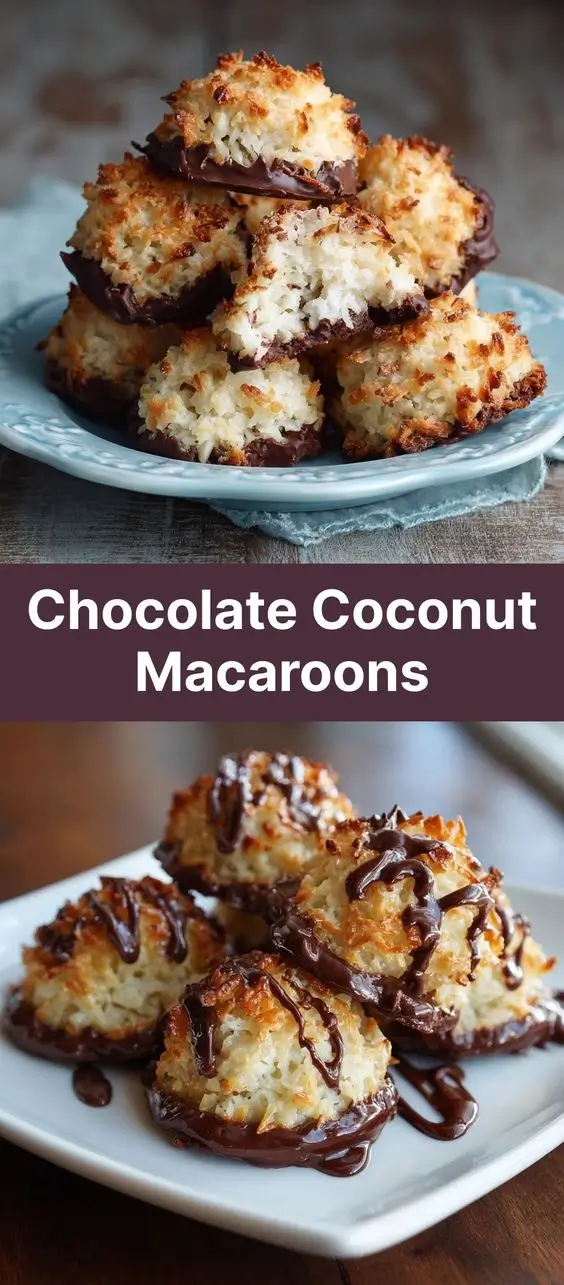
Chocolate Coconut Macaroons: A Decadent Twist on a Classic Treat
The History of Chocolate Coconut Macaroons
The story of macaroons begins centuries ago, rooted in the culinary traditions of Europe and the Middle East. Originally derived from meringue-based confections made with ground almonds, egg whites, and sugar, the word “macaroon” is believed to come from the Italian “maccherone” or the French “macaron,” both referring to small, sweet cakes. These early versions were popular among monks and nobility alike during the medieval period.
Over time, as trade routes expanded and ingredients became more accessible, coconut began to emerge as a popular alternative to almonds—especially in regions where coconuts were abundant. By the late 19th and early 20th centuries, American Jewish communities adopted coconut macaroons as a Passover-friendly dessert since they are naturally unleavened and free of wheat. The traditional recipe typically consisted of shredded coconut, sugar, egg whites, and vanilla extract, baked into soft, chewy treats.
The addition of chocolate to this beloved classic came later, likely influenced by America’s growing love affair with cocoa in the 20th century. Chocolate chips were introduced commercially in the 1930s, and their integration into cookies and other baked goods revolutionized home baking. It was only natural that bakers would begin folding chocolate into coconut macaroons, creating a rich, indulgent hybrid that marries tropical sweetness with deep cocoa flavor. Today, chocolate coconut macaroons are enjoyed around the world—not just during holidays but as year-round delights found in bakeries, gourmet shops, and family kitchens.
Ingredients Breakdown: What Makes Chocolate Coconut Macaroons Irresistible?
The magic of chocolate coconut macaroons lies in the harmony of simple yet flavorful ingredients. Each component plays a crucial role in achieving the perfect texture and taste:
- Shredded Coconut (Unsweetened or Sweetened): This is the star of the show. Unsweetened coconut offers a more natural, nutty flavor and allows you to control the overall sweetness, while sweetened coconut adds moisture and richness. Many bakers use a blend of both for balanced flavor and texture.
- Sweetened Condensed Milk: Acts as the binding agent, replacing eggs in many modern recipes. It adds creaminess, helps hold the macaroons together, and contributes to their signature chewy interior. Its high sugar content also promotes gentle browning during baking.
- Cocoa Powder (or Melted Chocolate): For the chocolate element, unsweetened cocoa powder can be mixed directly into the batter, or melted dark, semi-sweet, or milk chocolate can be folded in. Cocoa powder gives a more intense chocolate flavor without altering texture too much, while melted chocolate adds richness and fudge-like depth.
- Chocolate Chips or Chunks: Folded into the mixture or pressed on top before baking, these create melty pockets of chocolate in every bite. Semi-sweet is most common, but adventurous bakers might try white chocolate, dark chocolate, or even flavored chips like mint or orange.
- Vanilla Extract: Enhances the overall flavor profile, rounding out the sweetness and bringing warmth to the coconut and chocolate notes.
- Salt: A pinch of sea salt or kosher salt balances the sweetness and enhances all other flavors.
- Eggs (Optional in Some Recipes): While some traditional macaroon recipes rely solely on condensed milk, others include egg whites or whole eggs to help with structure and lift. If using eggs, pasteurized or properly handled eggs are recommended for food safety, especially if serving vulnerable individuals.
- Coconut Oil (Optional): Adds extra moisture and helps the macaroons hold their shape. It also reinforces the coconut essence.
Step-by-Step Recipe: How to Make Perfect Chocolate Coconut Macaroons at Home
Making chocolate coconut macaroons is surprisingly easy and requires no special equipment beyond a mixing bowl, spatula, and baking sheet. Follow these detailed steps for foolproof results every time.
Ingredients You’ll Need:
- 3 cups (270g) shredded coconut (sweetened or a mix of sweetened and unsweetened)
- 1 cup (240ml) sweetened condensed milk
- 1/3 cup (30g) unsweetened cocoa powder (preferably Dutch-processed for richer flavor)
- 1/2 cup (90g) semi-sweet chocolate chips, plus extra for topping
- 1 teaspoon pure vanilla extract
- Pinch of salt (about 1/8 teaspoon)
- 1 tablespoon coconut oil (optional, for added richness)
- Optional: 1 large egg white (for crispier exterior)
Directions:
- Preheat Oven & Prepare Baking Sheet: Preheat your oven to 325°F (165°C). Line a large baking sheet with parchment paper or a silicone baking mat. This prevents sticking and ensures easy cleanup.
- Mix Dry Ingredients: In a large mixing bowl, combine the shredded coconut, cocoa powder, salt, and chocolate chips. Stir thoroughly so the cocoa is evenly distributed and no clumps remain.
- Add Wet Ingredients: Pour in the sweetened condensed milk, vanilla extract, and coconut oil (if using). If you’re including an egg white for a crisper texture, add it now.
- Combine Until Uniform: Using a sturdy spatula or wooden spoon, mix everything together until fully incorporated. The mixture will be thick, sticky, and resemble wet sand. Use your hands (lightly oiled or gloved) if needed to ensure even blending.
- Rest the Batter (Optional but Recommended): Let the mixture sit for 10–15 minutes. This allows the coconut to absorb the liquids, resulting in better cohesion when shaping.
- Shape the Macaroons: Scoop about 1½ tablespoons of the mixture and roll gently between your palms into a compact ball. Alternatively, use a cookie scoop for uniform size. Place each ball onto the prepared baking sheet, spacing them about 1 inch apart.
- Flatten Slightly & Add Toppings: Gently press down on each mound to flatten slightly—macaroons don’t spread much during baking. Press 1–2 extra chocolate chips into the top of each for visual appeal and extra chocolate burst.
- Bake: Transfer the baking sheet to the preheated oven and bake for 18–22 minutes, or until the edges are golden brown and the tops are set. They should spring back lightly when touched.
- Cool Completely: Allow the macaroons to cool on the baking sheet for 5 minutes before transferring to a wire rack. Cooling helps them firm up and hold their shape.
- Serve or Store: Once cooled, enjoy immediately or store in an airtight container. For a glossy finish, drizzle with melted chocolate after cooling.
Expert Tips for the Best Chocolate Coconut Macaroons
- Don’t Overbake: These macaroons go from perfectly chewy to dry quickly. Keep a close eye starting at 18 minutes. They may look soft but will firm up as they cool.
- Use High-Quality Cocoa: Since cocoa powder is a primary flavor, opt for premium brands like Ghirardelli, Valrhona, or Droste for deeper, less acidic chocolate notes.
- Chill the Dough for Neater Shapes: If the mixture feels too sticky to handle, refrigerate it for 20–30 minutes before rolling. This makes shaping easier and reduces flattening during baking.
- Uniform Size = Even Baking: Use a cookie scoop (like a #40 or 1.5 tbsp size) to ensure all macaroons bake evenly.
- Rotate the Pan: For consistent browning, rotate the baking sheet halfway through baking, especially if your oven has hot spots.
- Double Batch Friendly: This recipe scales well. Just make sure not to overcrowd your bowls or pans. Bake in batches if needed.
- Freeze for Later: Unbaked dough balls can be frozen on a tray, then transferred to a freezer bag. Bake straight from frozen—add 2–3 minutes to baking time.
Variations and Customizations: Make It Your Own!
One of the joys of baking chocolate coconut macaroons is how easily they adapt to personal tastes and dietary needs. Here are some creative twists to inspire your next batch:
- Dark Chocolate Macaroons: Replace semi-sweet chips with 70% dark chocolate and increase cocoa powder to 1/2 cup for a more intense, adult-friendly version.
- White Chocolate & Macadamia: Swap in white chocolate chips and add 1/2 cup chopped macadamia nuts for a tropical twist reminiscent of Hawaiian flavors.
- Mint Chocolate Macaroons: Add 1/4 teaspoon peppermint extract along with the vanilla, and use mint chocolate chips for a refreshing holiday treat.
- Peanut Butter Swirl: Mix 1/4 cup creamy peanut butter into the batter or swirl a small dollop into each macaroon before baking.
- Gluten-Free & Grain-Free: Naturally gluten-free, these macaroons are ideal for those avoiding grains. Ensure all ingredients (especially chocolate chips) are certified GF if needed.
- Vegan Version: Use full-fat coconut milk condensed at home (simmer 1 can coconut milk + 1/2 cup sugar until reduced), flax egg (1 tbsp ground flax + 3 tbsp water), and dairy-free chocolate.
- Orange Zest Infusion: Add 1 tablespoon finely grated orange zest for a bright, citrusy contrast to the chocolate.
- Spiced Macaroons: Add 1/2 teaspoon cinnamon, a pinch of nutmeg, and a dash of cayenne for a warm, complex flavor profile.
- Dipped in Chocolate: After cooling, dip half of each macaroon in melted tempered chocolate and let harden on parchment for a professional finish.
- Mini Macaroons: Make bite-sized versions using a teaspoon-sized scoop—perfect for parties or sampling multiple variations.
Health Considerations and Nutritional Value
While chocolate coconut macaroons are undeniably delicious, it’s helpful to understand their nutritional makeup—especially if you’re mindful of sugar, fat, or calorie intake.
Nutritional Highlights (Per Macaroon, Approximate – based on 18 servings):
- Calories: ~180–200 kcal
- Total Fat: 12–14g (mostly healthy saturated fats from coconut)
- Saturated Fat: 9–10g
- Carbohydrates: 18–20g
- Sugars: 14–16g (primarily from condensed milk and sweetened coconut)
- Protein: 2–3g
- Fiber: 2g (from coconut)
- Sodium: ~40–60mg
What’s Good About Them?
- Coconut Benefits: Rich in medium-chain triglycerides (MCTs), which are metabolized differently than other fats and may support energy and brain health.
- No Grains: Naturally gluten-free and grain-free, making them suitable for paleo and gluten-sensitive diets (when using compliant ingredients).
- Satisfying in Small Portions: Due to high fat and sugar content, a few macaroons can curb sweet cravings effectively.
What to Watch For?
- High Sugar Content: Sweetened condensed milk and sweetened coconut contribute significant added sugars. Opt for unsweetened coconut and reduce condensed milk slightly (add a bit more egg or binder) if lowering sugar.
- Saturated Fat: While coconut fat is controversial, moderation is key—especially for those managing cholesterol.
- Portion Control: Their small size can be deceiving; it’s easy to eat several without realizing the cumulative calories.
Dietary Modifications:
- Lower Sugar Option: Use unsweetened shredded coconut and substitute condensed milk with a sugar-free version (like sweetened with monk fruit or erythritol).
- Keto-Friendly Attempt: More challenging due to condensed milk, but possible with homemade keto condensed milk (heavy cream + low-carb sweetener) and unsweetened coconut.
- Allergy-Friendly: Naturally nut-free (unless adding nuts), but always check labels on chocolate and coconut products for cross-contamination warnings.
Frequently Asked Questions (FAQ)
1. Are chocolate coconut macaroons the same as macarons?
No. Despite the similar name, macaroons and macarons are entirely different. Macaroons are dense, chewy coconut-based drops, while macarons are delicate French almond meringue cookies with filling. The names are often confused!
2. Why are my macaroons spreading too much or turning flat?
This usually happens if there’s too much moisture. Ensure you’re not over-measuring condensed milk, and consider adding an egg white for structure. Also, avoid greasing the pan unless specified—parchment paper is best.
3. Can I make these without sweetened condensed milk?
Yes, but it changes the texture. Alternatives include a blend of heavy cream and sugar reduced down, coconut cream with sweetener, or commercial substitutes. Results may vary in binding and sweetness.
4. How long do chocolate coconut macaroons last?
Stored in an airtight container at room temperature, they stay fresh for up to 5 days. In the refrigerator, they last up to 2 weeks. Freeze for up to 3 months.
5. Can I use desiccated coconut instead of shredded?
Yes, but note that desiccated coconut is drier and finer. You may need to adjust the amount of condensed milk slightly to achieve the right consistency.
6. Are these safe to eat during pregnancy?
Yes, if using pasteurized ingredients. Most sweetened condensed milk is pasteurized, but if using raw eggs (in some recipes), ensure they are pasteurized or avoid altogether.
7. Can I bake them at a higher temperature for less time?
Not recommended. Lower heat allows gradual setting and prevents burning. High heat may cause cracked tops or burnt edges while the center remains underdone.
8. Why did my macaroons turn out dry?
Overbaking is the most common culprit. Remove them when the edges are golden but centers still look soft—they firm up as they cool.
9. Can I add flour to make them less crumbly?
Traditionally, no flour is used. Adding even a small amount can alter texture significantly. Instead, ensure proper ratio of binder (condensed milk) to coconut.
10. Do they freeze well?
Excellent candidates for freezing! Freeze unbaked balls on a tray, then transfer to bags. Bake from frozen. Or freeze baked ones—thaw at room temperature.
Summary
Chocolate coconut macaroons are a luscious fusion of chewy coconut, rich cocoa, and melty chocolate—a simple yet decadent treat that’s easy to make and endlessly customizable. Whether enjoyed as a holiday favorite, allergy-friendly dessert, or afternoon indulgence, these little gems deliver big flavor in every bite.