Banana Bread
Introduction
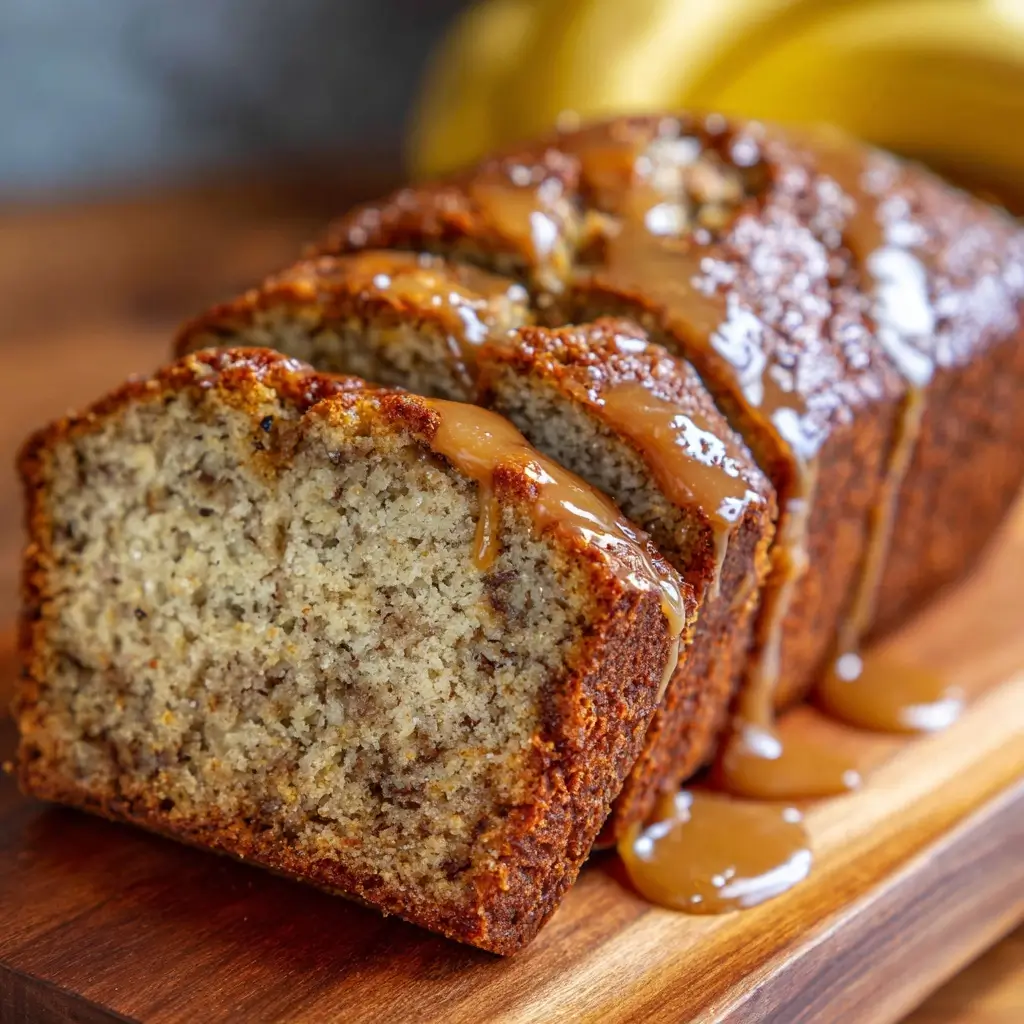
Banana bread is a beloved classic that has warmed kitchens and homes for generations. Its moist, tender crumb and naturally sweet banana flavor make it not only a delicious treat but also an ingenious way to use overripe bananas before they go to waste. Whether enjoyed warm with a pat of butter, toasted for breakfast, or packed into lunchboxes as a wholesome snack, banana bread holds a special place in the hearts of bakers and eaters alike. This humble loaf transcends cultural boundaries and family traditions, appearing in variations from American farmhouse kitchens to Caribbean-inspired spice-laden versions. In this comprehensive guide, we’ll explore everything you need to know about banana bread—from its fascinating history and essential ingredients to foolproof recipes, expert tips, health considerations, and creative customizations.
The History
The origins of banana bread trace back to the early 20th century, particularly during the 1930s in the United States, when baking soda and baking powder became widely available household staples. Prior to this, leavened quick breads were difficult to produce without yeast, but the advent of chemical leaveners opened doors for easy, fast bread recipes. Banana bread likely evolved from Southern American “quick bread” traditions, where cooks used simple pantry ingredients to create satisfying baked goods without the need for lengthy rising times.
The Great Depression also played a role in popularizing banana bread, as families sought economical ways to stretch ingredients and reduce food waste. Overripe bananas—often considered unsuitable for eating raw—found new life in baked form. As global trade expanded and bananas became more accessible in North America and Europe due to improved shipping from Central and South America, their presence in American pantries grew, further cementing banana bread’s status as a kitchen staple.
By the mid-20th century, banana bread had made its way into mainstream cookbooks and community recipe collections. It gained renewed popularity during wartime rationing efforts and again in the 1960s and 70s with the rise of home baking culture. Today, banana bread is celebrated around the world, adapted with local flavors such as coconut in the Philippines, cardamom in India, rum in the Caribbean, and chocolate chips in American diners. It even saw a viral resurgence during the 2020 pandemic, as millions turned to baking for comfort and connection—earning it the nickname “quarantine bread.”
Ingredients Breakdown
The magic of banana bread lies in its simplicity and balance of ingredients. Each component plays a vital role in texture, flavor, moisture, and structure. Here’s a detailed breakdown:
- Ripe Bananas: The star ingredient. Ripe bananas (with brown speckles or fully brown peels) provide natural sweetness, moisture, and a distinct fruity aroma. Mashing them thoroughly ensures even distribution throughout the batter.
- All-Purpose Flour: Provides the structural foundation. It contains gluten-forming proteins that give the bread its soft yet cohesive crumb. For a lighter texture, some bakers use cake flour; others opt for whole wheat or gluten-free blends for dietary needs.
- Butter (or Oil): Adds richness and tenderness. Unsalted butter contributes flavor and a slightly flaky texture, while oils like canola, vegetable, or coconut oil yield a moister, more uniform crumb since they remain liquid at room temperature.
- Sugar: Typically granulated white sugar or brown sugar. Brown sugar adds moisture and a hint of molasses flavor, enhancing the caramel notes in the bananas. Some recipes use honey, maple syrup, or coconut sugar for natural alternatives.
- Eggs: Bind the ingredients together, add structure, and contribute to leavening and color. Room-temperature eggs blend more smoothly into the batter.
- Baking Soda: The primary leavener, activated by the acidity in bananas and any added yogurt or buttermilk. It helps the bread rise and creates a light, airy texture.
- Sea Salt: Enhances all other flavors and balances sweetness. Even a small amount makes a noticeable difference.
- Vanilla Extract: Deepens the flavor profile with warm, floral notes that complement the bananas beautifully.
- Mix-ins (Optional): Chocolate chips, chopped walnuts, pecans, dried fruit, cinnamon, nutmeg, oats, coconut flakes, or even peanut butter swirls are common enhancements that elevate the basic loaf into something extraordinary.
Step-by-Step Recipe
Follow this tried-and-true method for a perfectly moist, golden-brown banana bread every time.
- Preheat Oven & Prepare Pan: Preheat your oven to 350°F (175°C). Grease a 9×5-inch loaf pan with butter or non-stick spray, then line it with parchment paper for easy removal.
- Mash Bananas: In a large mixing bowl, peel and mash 3–4 ripe bananas (about 1½ cups) using a fork or potato masher until mostly smooth with a few small lumps remaining.
- Cream Butter and Sugar: In a separate bowl, beat ½ cup (1 stick) softened unsalted butter with ¾ cup granulated sugar (or brown sugar) using a hand mixer or whisk until light and fluffy, about 2–3 minutes.
- Add Wet Ingredients: Beat in 2 large eggs, one at a time, followed by 1 teaspoon vanilla extract. Mix until fully incorporated.
- Combine Wet Mixtures: Stir the mashed bananas into the butter-sugar mixture. The batter will look creamy and well-blended.
- Whisk Dry Ingredients: In another bowl, whisk together 1¾ cups all-purpose flour, 1 teaspoon baking soda, ½ teaspoon salt, and optionally 1 teaspoon ground cinnamon or nutmeg.
- Combine Wet and Dry: Gradually add the dry ingredients to the wet mixture, folding gently with a spatula just until no flour streaks remain. Do not overmix, as this can lead to a tough loaf.
- Fold in Add-ins: Gently stir in ½–1 cup of chocolate chips, chopped nuts, or other desired mix-ins.
- Pour into Pan: Transfer the batter into the prepared loaf pan, smoothing the top with the spatula. Optionally, sprinkle a few extra chocolate chips or chopped nuts on top for visual appeal.
- Bake: Place in the center rack of the oven and bake for 55 to 65 minutes, or until a toothpick inserted into the center comes out clean or with a few moist crumbs (not wet batter).
- Cool: Let the bread cool in the pan for 10–15 minutes, then carefully lift it out using the parchment paper and transfer to a wire rack to cool completely before slicing.
Tips
- Use Very Ripe Bananas: The darker the peel, the sweeter and more flavorful the bananas. If your bananas aren’t ripe enough, speed up ripening by placing them in a brown paper bag for a day or roasting them at 300°F for 15–20 minutes until blackened.
- Don’t Overmix: Once flour is added, stir only until combined. Overmixing develops gluten, leading to a dense, rubbery texture.
- Check Oven Temperature: Use an oven thermometer to ensure accuracy. An oven running too hot or too cold can affect rise and browning.
- Test for Doneness Properly: Insert a toothpick near the center—not touching the bottom of the pan. If it comes out clean or with dry crumbs, it’s done. If wet, continue baking in 5-minute increments.
- Cool Before Slicing: Cutting too soon can cause the bread to collapse or become gummy. Wait at least 30–60 minutes for optimal texture.
- Store Correctly: Keep cooled banana bread in an airtight container at room temperature for up to 4 days, refrigerate for up to 1 week, or freeze slices for up to 3 months.
- Boost Moisture: For extra moisture, add ¼ cup sour cream, Greek yogurt, or applesauce to the wet ingredients.
- Enhance Flavor: Toast nuts before adding them, or bloom spices like cinnamon in melted butter before mixing.
Variations and Customizations
Banana bread is incredibly versatile. With a few tweaks, you can transform it into dozens of unique creations:
- Chocolate Chip Banana Bread: Fold in 1 cup semi-sweet or dark chocolate chips for a decadent twist.
- Nutty Banana Bread: Add ½ cup chopped walnuts, pecans, or almonds for crunch and earthy flavor.
- Double Chocolate Banana Bread: Replace ¼ cup flour with cocoa powder and add chocolate chips for a rich, fudgy version.
- Gluten-Free Banana Bread: Substitute all-purpose flour with a gluten-free flour blend containing xanthan gum, or use almond flour for a grain-free option.
- Vegan Banana Bread: Replace eggs with flax eggs (1 tbsp ground flaxseed + 3 tbsp water per egg), use plant-based butter or oil, and ensure sugar is vegan.
- Whole Wheat Banana Bread: Replace half or all of the all-purpose flour with whole wheat flour for a heartier texture and added fiber.
- Tropical Banana Bread: Add shredded coconut, diced pineapple, and macadamia nuts for a vacation-inspired loaf.
- Spiced Banana Bread: Incorporate pumpkin pie spice, ginger, cardamom, or cloves for warmth and depth.
- Peanut Butter Swirl Banana Bread: Drop spoonfuls of peanut butter onto the batter and swirl with a knife before baking.
- Blueberry Banana Bread: Gently fold in fresh or frozen blueberries for a fruity burst.
- Lemon Zest Banana Bread: Add 1 tablespoon lemon zest to brighten the flavor and cut through sweetness.
- Muffin Version: Divide the batter into a lined muffin tin and bake at 350°F for 18–22 minutes for portable banana muffins.
Health Considerations and Nutritional Value
While banana bread is often viewed as a dessert or indulgence, it can be adapted to fit various dietary goals and health needs.
Nutritional Highlights:
A typical slice (1/12th of a standard loaf) contains approximately:
- Calories: 180–220
- Fat: 7–10g (mostly from butter/oil)
- Carbohydrates: 30–35g (including natural sugars from bananas)
- Protein: 3–4g
- Fiber: 1–2g (more if using whole grains or added flax)
- Potassium: High from bananas (supports heart and muscle function)
- Vitamin B6, Vitamin C, and Manganese: Present in moderate amounts
Healthy Modifications:
- Reduce Sugar: Cut sugar by 25–50% or use mashed dates, ripe bananas, or pure maple syrup for natural sweetness.
- Lower Fat: Replace half the butter with unsweetened applesauce or prune puree to reduce saturated fat.
- Increase Fiber: Use whole wheat pastry flour, oat flour, or add ground flaxseed or chia seeds.
- Dairy-Free: Use plant-based butter or oil and non-dairy milk if needed.
- Low-Sodium: Omit added salt or use a salt substitute if necessary.
- Portion Control: Slice into smaller pieces and pair with protein (like Greek yogurt or nut butter) to balance blood sugar.
Caution: Traditional banana bread can be high in sugar and refined carbs, so those managing diabetes or watching calorie intake should enjoy it in moderation or choose healthier adaptations.
Ingredients
- 3–4 ripe bananas (about 1½ cups mashed)
- ½ cup (1 stick / 113g) unsalted butter, softened
- ¾ cup (150g) granulated sugar or brown sugar
- 2 large eggs, room temperature
- 1 teaspoon pure vanilla extract
- 1¾ cups (220g) all-purpose flour
- 1 teaspoon baking soda
- ½ teaspoon salt
- 1 teaspoon ground cinnamon (optional)
- ½–1 cup add-ins (chocolate chips, chopped nuts, etc.)
Directions
- Preheat oven to 350°F (175°C). Grease and line a 9×5-inch loaf pan.
- In a bowl, mash bananas until smooth. Set aside.
- In a large bowl, cream butter and sugar until light and fluffy.
- Beat in eggs one at a time, then mix in vanilla and mashed bananas.
- In a separate bowl, whisk flour, baking soda, salt, and cinnamon.
- Gently fold dry ingredients into wet mixture until just combined.
- Stir in chocolate chips, nuts, or other mix-ins.
- Pour batter into the loaf pan and smooth the top.
- Bake for 55–65 minutes, or until a toothpick comes out clean.
- Cool in pan for 10–15 minutes, then transfer to a wire rack to cool completely.
- Slice and serve. Store leftovers in an airtight container.
FAQ
Can I use unripe bananas?
No, unripe bananas lack sweetness and moisture. Always use yellow bananas with brown spots or fully brown ones for best results.
Why is my banana bread dense?
Overmixing, expired baking soda, underbaking, or using too much flour can cause density. Measure flour correctly (spoon and level), avoid over-stirring, and check leavener freshness.
Can I freeze banana bread?
Yes! Wrap tightly in plastic wrap and foil, or store in a freezer-safe bag for up to 3 months. Thaw at room temperature or toast directly from frozen.
Can I make banana bread without eggs?
Yes. Use flax eggs (1 tbsp ground flax + 3 tbsp water per egg), applesauce, or commercial egg replacers. Texture may be slightly softer.
How do I keep banana bread moist?
Avoid overbaking, store in an airtight container, and consider adding yogurt, sour cream, or extra banana. Wrapping it overnight allows moisture to redistribute.
Can I double the recipe?
Yes, but bake in two loaf pans rather than one deep pan to ensure even cooking. Adjust baking time accordingly.
Why did my banana bread sink in the middle?
Possible causes include underbaking, too much leavener, opening the oven too early, or excessive moisture. Ensure accurate measurements and don’t open the oven during the first 40 minutes.
Can I use frozen bananas?
Absolutely! Freeze overripe bananas, then thaw and drain excess liquid before mashing. They’re often even more flavorful and easier to mash.
Summary
Banana bread is a timeless, adaptable treat that turns simple pantry staples and overripe fruit into a moist, aromatic loaf cherished across cultures. With endless variations and health-conscious options, it remains a favorite for bakers of all skill levels.