Old-Fashioned Pecan Pie
Old-Fashioned Pecan Pie: A Timeless Southern Classic
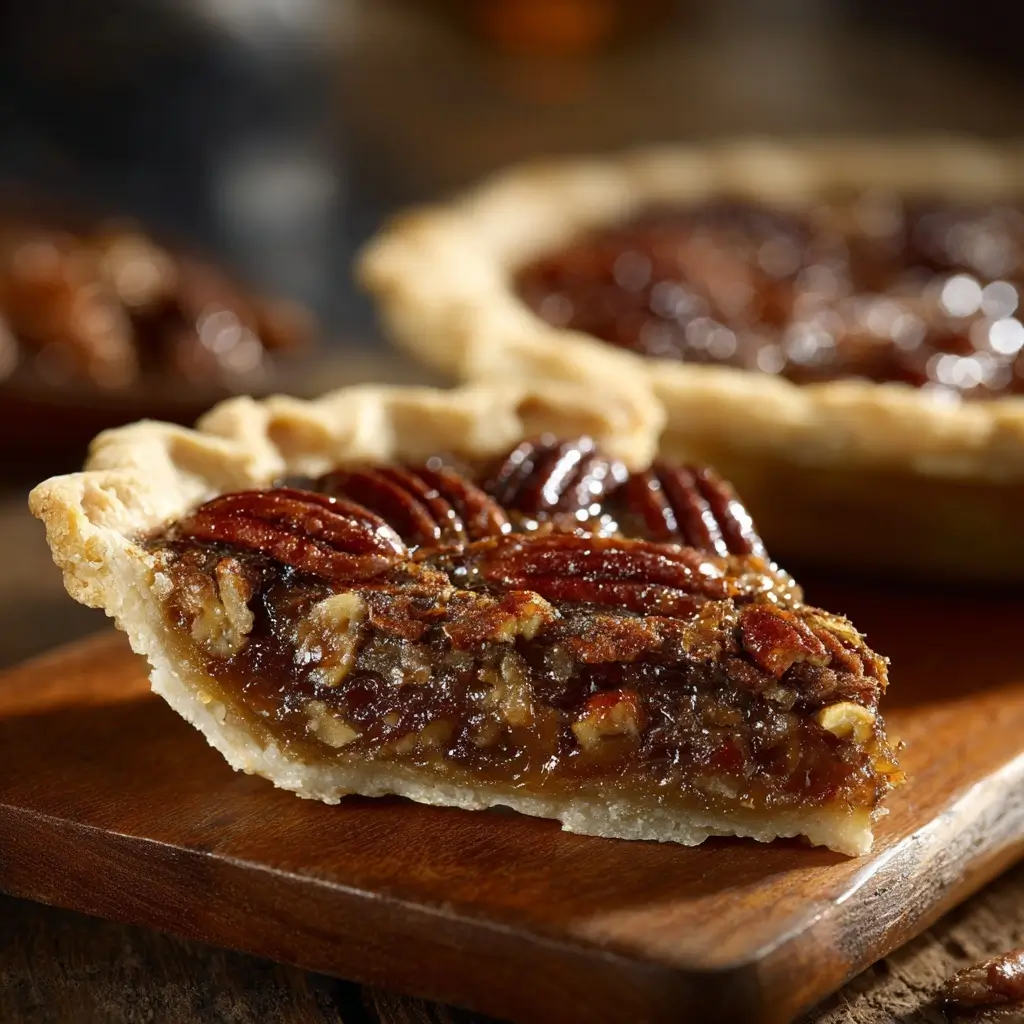
There’s something undeniably comforting about the rich, buttery aroma of a pecan pie fresh from the oven. The deep amber glaze glistening on top, the tender crunch of toasted pecans, and the velvety custard beneath—this dessert is more than just a treat; it’s a piece of American culinary heritage. Revered during Thanksgiving, cherished at family gatherings, and passed down through generations, Old-Fashioned Pecan Pie remains one of the most beloved desserts in Southern cooking. In this comprehensive guide, we’ll explore every aspect of this iconic pie—from its fascinating history to the science behind its ingredients, a detailed step-by-step recipe, expert tips, variations, health considerations, and answers to your most common questions.
The History of Pecan Pie
The origins of pecan pie trace back to the late 19th century in the American South, particularly in regions where pecan trees (Carya illinoinensis) naturally thrive—Texas, Louisiana, and Georgia among them. While Native Americans had long harvested and eaten pecans, the first known recipe resembling modern pecan pie appeared in the 1886 “Texas Cook Book” by Aunt Babette. It called for molasses, sugar, eggs, butter, and pecans—a simple yet revolutionary combination.
The pie gained national popularity in the early 20th century, especially after Karo syrup began marketing recipes using their corn syrup as a key ingredient. By the 1930s, pecan pie was featured in countless community cookbooks and became a staple at holiday tables. Texas even declared it the official state pie in 2013. Over time, bakers have refined the recipe, balancing sweetness, texture, and flavor, but the essence of the old-fashioned version remains unchanged: a luscious, gooey filling packed with toasted pecans encased in a flaky, buttery crust.
Ingredients Breakdown: What Makes Pecan Pie So Special?
The magic of Old-Fashioned Pecan Pie lies in its simplicity and the harmony of a few core ingredients. Let’s take a closer look at each component and understand its role:
- Pecans: The star of the show. These native North American nuts bring a buttery, slightly sweet flavor and a satisfying crunch. Toasting them beforehand enhances their depth and prevents sogginess.
- Granulated Sugar: Provides sweetness and helps caramelize the filling as it bakes, contributing to that glossy finish.
- Brown Sugar: Adds molasses notes and moisture, enriching the overall flavor profile with a deeper, caramel-like complexity.
- Eggs: Act as a binding agent and help set the custard-like filling. They give structure without making the pie dense.
- Butter: Imparts richness and a luxurious mouthfeel. Unsalted butter allows better control over salt levels.
- Corn Syrup (Light or Dark): This is what gives the pie its signature gooey texture. Light corn syrup offers mild sweetness, while dark adds a richer, more robust flavor. Some purists use only maple syrup or honey, though this alters the texture and baking time.
- Vanilla Extract: Enhances the overall aroma and balances the sweetness with warm, floral notes.
- Salt: A pinch elevates all the other flavors, preventing the pie from tasting flat or overly sweet.
- Pie Crust: A homemade, all-butter crust is ideal—flaky, golden, and crisp. Store-bought works in a pinch, but nothing compares to the taste and texture of a hand-rolled crust.
Step-by-Step Recipe: How to Make the Perfect Old-Fashioned Pecan Pie
Yield: One 9-inch pie (8–10 servings)
Prep Time: 20 minutes
Bake Time: 50–60 minutes
Cooling Time: At least 2 hours
Total Time: ~3 hours
Ingredients
- 1 unbaked 9-inch pie crust (homemade or store-bought)
- 1 cup (100g) pecan halves, plus ½ cup chopped pecans
- ¾ cup (150g) granulated sugar
- ½ cup (100g) packed light brown sugar
- ¼ teaspoon salt
- 1 cup (240ml) light corn syrup
- 3 large eggs, lightly beaten
- 2 tablespoons (30g) unsalted butter, melted
- 1½ teaspoons pure vanilla extract
- 1 tablespoon bourbon or whiskey (optional, but highly recommended for depth)
Directions
- Preheat Oven & Prepare Crust: Preheat your oven to 350°F (175°C). Place your unbaked pie crust into a 9-inch pie dish. Crimp the edges decoratively and set aside. For best results, chill the crust for 15 minutes before baking.
- Blind Bake (Optional but Recommended): To prevent a soggy bottom, blind bake the crust for 10–12 minutes. Line the crust with parchment paper or foil and fill with pie weights or dried beans. Bake until the edges are just beginning to turn golden. Remove weights and let cool slightly.
- Toast the Pecans: Spread the pecan halves and chopped pecans on a baking sheet. Toast in the preheated oven for 8–10 minutes, stirring once, until fragrant and lightly golden. Cool completely.
- Prepare the Filling: In a large bowl, whisk together the granulated sugar, brown sugar, and salt. Add the corn syrup, beaten eggs, melted butter, vanilla extract, and bourbon (if using). Whisk vigorously until smooth and well combined.
- Add Pecans: Gently stir in ¾ cup of the toasted pecan halves. Reserve the rest for arranging on top.
- Assemble the Pie: Pour the filling into the prepared pie crust. Use a spoon or spatula to spread evenly. Arrange the remaining pecan halves in a circular pattern on top for an elegant presentation.
- Bake: Place the pie on the center rack of the oven. Bake for 50 to 60 minutes, or until the filling is set around the edges but still slightly jiggly in the center (like gelatin). A knife inserted near the center should come out mostly clean.
- Cool Completely: Remove the pie from the oven and place it on a wire rack. Allow it to cool for at least 2 hours. This cooling period is crucial—the filling will continue to set as it cools. Cutting too soon will result in a runny slice.
- Serve: Slice with a sharp knife and serve at room temperature or slightly warmed. Pair with whipped cream, vanilla ice cream, or a dollop of bourbon whipped cream for an indulgent finish.
Tips for the Best Pecan Pie Every Time
- Don’t Skip Toasting the Pecans: This step intensifies their flavor and ensures they don’t taste raw or bland.
- Use Room-Temperature Eggs: Cold eggs can cause the butter to seize and create lumps in the filling.
- Avoid Overbaking: The pie should wobble slightly in the center when removed from the oven—it will firm up as it cools.
- Prevent Overflow: Place a baking sheet under the pie dish to catch any drips and avoid sticky messes in your oven.
- Chill Before Slicing: For clean cuts, refrigerate the pie for 30 minutes before serving.
- Store Properly: Keep covered at room temperature for up to 2 days, or refrigerate for up to 5 days. Reheat gently in the oven at 300°F for 10 minutes if desired.
Variations and Customizations
While the classic version is timeless, there are many delicious ways to personalize your pecan pie:
- Chocolate Pecan Pie: Add ½ cup of chocolate chips or swirl melted chocolate into the filling before baking.
- Bourbon Pecan Pie: Increase bourbon to 2–3 tablespoons for a richer, adult-friendly flavor.
- Maple Pecan Pie: Replace corn syrup with pure maple syrup for a more rustic, earthy sweetness.
- Spiced Pecan Pie: Add ½ teaspoon cinnamon, ¼ teaspoon nutmeg, and a pinch of cloves for a warm, spiced twist.
- Mini Pecan Pies: Use a muffin tin to make individual-sized pies—perfect for parties or gifts.
- Gluten-Free: Use a gluten-free pie crust and ensure all other ingredients are certified GF.
- Lower-Sugar Version: Substitute half the sugars with a sugar alternative like erythritol and reduce corn syrup slightly. Note: texture may vary.
- Sea Salt Topper: Sprinkle flaky sea salt on top after baking for a sweet-and-salty contrast.
Health Considerations and Nutritional Value
Pecan pie is undeniably rich and should be enjoyed in moderation, especially for those managing blood sugar, weight, or heart health. Here’s a general nutritional breakdown per slice (1/8 of a 9-inch pie):
- Calories: ~450–500
- Total Fat: 25–30g (mostly healthy monounsaturated fats from pecans and butter)
- Saturated Fat: 7–9g
- Carbohydrates: 55–60g (primarily from sugars)
- Sugars: 40–45g
- Protein: 4–5g
- Fiber: 2–3g (from pecans and crust)
- Sodium: ~200–300mg
Health Notes:
- Pecans are rich in heart-healthy fats, antioxidants, vitamin E, and magnesium, which support brain and cardiovascular health.
- The high sugar and corn syrup content can spike blood glucose, so diabetics should consume sparingly or opt for modified versions.
- Using organic, grass-fed butter and pure maple syrup instead of processed corn syrup can improve the nutritional profile.
- To reduce calories, consider using egg whites only and cutting back on added sugars gradually.
Frequently Asked Questions (FAQ)
Why did my pecan pie crack?
Cracking usually results from overbaking or rapid cooling. Remove the pie when the center still has a slight jiggle, and cool it slowly at room temperature.
Can I make pecan pie ahead of time?
Yes! Bake it 1–2 days in advance and store covered at room temperature. Reheat briefly before serving if desired.
Can I freeze pecan pie?
Absolutely. Wrap tightly in plastic and foil, then freeze for up to 3 months. Thaw overnight in the refrigerator and bring to room temperature before serving.
What kind of corn syrup should I use?
Light corn syrup is traditional, but dark corn syrup adds a deeper flavor. Avoid “high-fructose” syrups if possible—opt for pure corn syrup.
Can I use honey or maple syrup instead?
Yes, but expect a different texture—more delicate and less stable. Maple syrup is excellent for a fall-inspired twist.
Why is my pie runny?
Underbaking is the most common cause. Ensure the internal temperature reaches at least 200°F (93°C), and allow ample cooling time.
Can I use walnuts instead of pecans?
Yes, though the flavor will be different. Walnuts are more bitter and less buttery, but they work in a pinch.
Do I need to refrigerate pecan pie?
After two days, yes—especially if your kitchen is warm. The high egg and sugar content makes it perishable over time.
Summary
Old-Fashioned Pecan Pie is a decadent, soul-warming dessert that combines a buttery crust with a luxuriously gooey filling studded with toasted pecans—a true Southern masterpiece. With its rich history, simple ingredients, and endless customization options, it remains a cherished favorite for holidays and everyday indulgence alike.