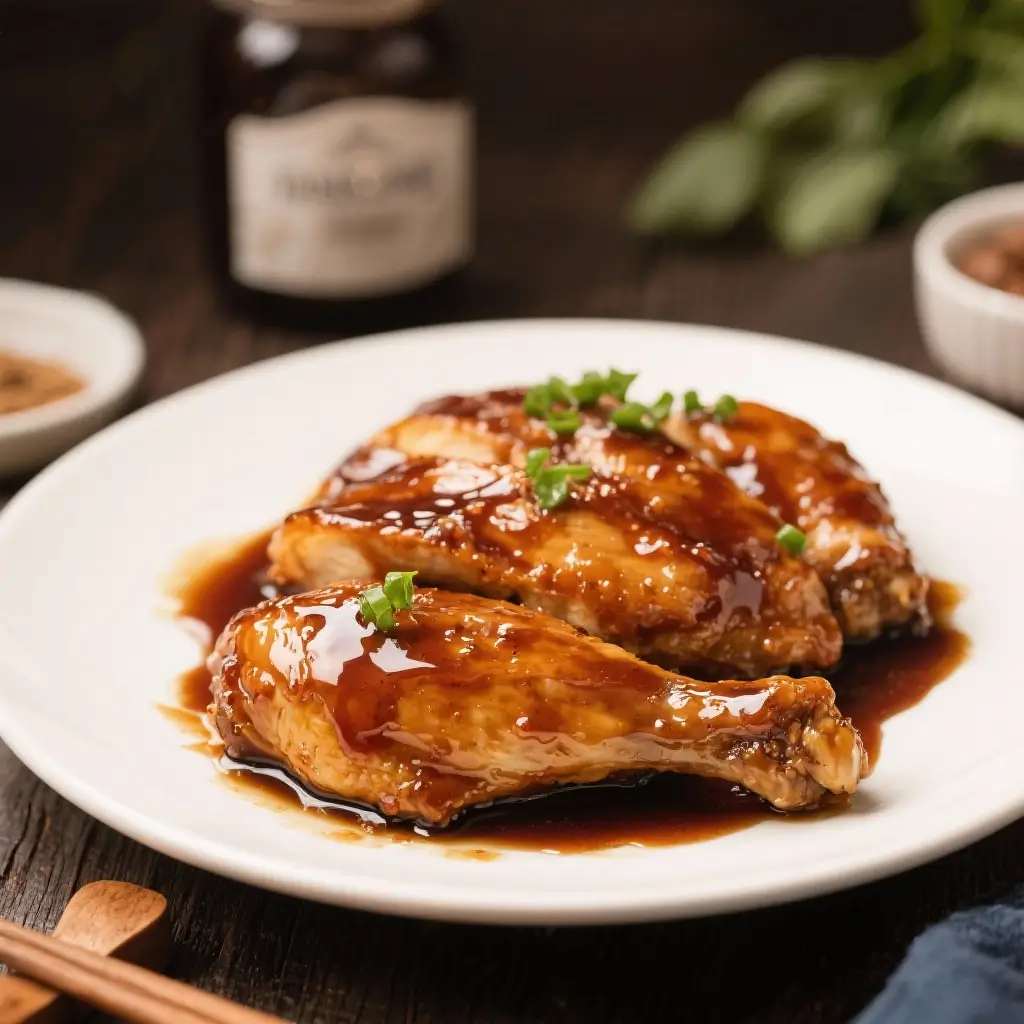
Maple Soy Glazed Chicken
Maple Soy Glazed Chicken: A Sweet and Savory Delight
When it comes to comfort food with a gourmet twist, few dishes strike the perfect balance between sweet and savory quite like Maple Soy Glazed Chicken. This delectable recipe combines the rich umami depth of soy sauce with the natural sweetness of pure maple syrup, creating a luscious glaze that caramelizes beautifully over tender chicken pieces. Whether you’re cooking for a family dinner, preparing a weeknight meal, or hosting guests, this dish delivers bold flavors with minimal effort. Its elegant taste belies its simplicity, making it a favorite among home cooks and professional chefs alike.
The History Behind the Flavor Fusion
The origins of Maple Soy Glazed Chicken are rooted in the cross-cultural exchange between Eastern and Western culinary traditions. Soy sauce has been a cornerstone of East Asian cuisine for centuries—originating in China over 2,000 years ago—and later spreading throughout Japan, Korea, and beyond as a fundamental seasoning agent. On the other hand, maple syrup is deeply tied to North American heritage, particularly Indigenous peoples of northeastern North America who first discovered how to tap maple trees and boil the sap into syrup. Early European settlers adopted this practice, eventually turning maple syrup into a beloved regional sweetener.
The fusion of these two ingredients reflects the growing trend in modern gastronomy toward blending global flavors. As palates became more adventurous in the late 20th century, combinations like soy and maple began appearing in mainstream recipes. Chefs appreciated how the saltiness of soy sauce enhanced the sweetness of maple, creating a complex flavor profile reminiscent of teriyaki but with a uniquely North American twist. Today, Maple Soy Glazed Chicken stands as a symbol of culinary innovation—a harmonious marriage of tradition and creativity that celebrates both heritage and experimentation.
Ingredients Breakdown: What Makes This Dish Shine?
The magic of Maple Soy Glazed Chicken lies in its carefully balanced ingredients, each contributing essential elements to the overall taste, texture, and aroma. Here’s a detailed look at what goes into this flavorful dish:
- Chicken (boneless, skin-on thighs or breasts): Thighs are preferred for their juiciness and ability to withstand high-heat cooking without drying out. The skin crisps beautifully under heat, adding richness and texture.
- Maple syrup (100% pure): Not pancake syrup! Pure maple syrup provides a deep, woody sweetness with subtle caramel and vanilla notes. It also helps create a glossy finish when reduced.
- Soy sauce (low-sodium preferred): Adds umami depth and saltiness. Using low-sodium allows better control over the final salt content, especially since the glaze reduces and concentrates.
- Fresh garlic (minced): Brings aromatic pungency that mellows during cooking, enhancing the overall savoriness.
- Ginger (freshly grated): Offers a warm, slightly spicy kick that complements both sweet and salty components.
- Rice vinegar or apple cider vinegar: A touch of acidity brightens the glaze, cutting through the richness and balancing the sweetness.
- Sesame oil: Just a drizzle adds nutty complexity and enhances the fragrance of the finished dish.
- Green onions and sesame seeds (for garnish): Add freshness, color contrast, and a mild crunch.
- Cornstarch (optional): Used to thicken the glaze if a syrupy consistency is desired, especially for drizzling.
Each ingredient plays a vital role in building layers of flavor, ensuring no single component overwhelms the others. The synergy between sweet maple and salty soy forms the backbone, while aromatics and acids elevate the dish from simple to sophisticated.
Step-by-Step Recipe: How to Make Perfect Maple Soy Glazed Chicken
Follow this easy-to-follow guide to prepare restaurant-quality Maple Soy Glazed Chicken right in your own kitchen. With just a few basic tools and about 40 minutes of time, you’ll have a stunning main course ready to serve.
- Prep the Chicken: Start with 4 bone-in, skin-on chicken thighs (or boneless if preferred). Pat them dry with paper towels—this ensures proper browning. Season lightly with salt and pepper on both sides.
- Prepare the Glaze: In a small bowl, whisk together ¼ cup pure maple syrup, 3 tablespoons low-sodium soy sauce, 2 tablespoons rice vinegar, 2 cloves minced garlic, 1 tablespoon freshly grated ginger, and 1 teaspoon toasted sesame oil. Optional: mix 1 teaspoon cornstarch with 1 tablespoon water and set aside for later thickening.
- Sear the Chicken: Heat 1 tablespoon of neutral oil (like avocado or canola) in a large oven-safe skillet over medium-high heat. Place chicken skin-side down and cook undisturbed for 5–6 minutes until golden brown and crispy. Flip and sear the other side for 3 minutes. Remove chicken temporarily and set aside.
- Build the Sauce: Reduce heat to medium. Pour off excess fat, leaving about 1 teaspoon in the pan. Add the prepared glaze mixture and bring to a simmer, stirring frequently. Let it reduce slightly for 2–3 minutes to concentrate flavors.
- Glaze and Roast: Return chicken to the skillet, skin-side up. Spoon some of the glaze over the top. Transfer the skillet to a preheated oven at 375°F (190°C) and roast for 20–25 minutes, or until internal temperature reaches 165°F (74°C).
- Final Glaze: Remove from oven. If using cornstarch slurry, stir it into the simmering sauce and cook for another 1–2 minutes until thickened. Brush additional warm glaze over the chicken for extra shine.
- Rest and Serve: Let the chicken rest for 5 minutes before serving. Garnish generously with sliced green onions and a sprinkle of toasted sesame seeds.
Serve hot alongside steamed jasmine rice, quinoa, or roasted vegetables for a complete meal.
Tips for Mastering Maple Soy Glazed Chicken
- Use real maple syrup: Imitation syrups contain artificial flavors and corn syrup, which can burn easily and lack the nuanced taste of genuine maple syrup.
- Don’t skip searing: Searing creates a flavorful crust and locks in moisture. Make sure the pan is hot before adding the chicken.
- Avoid overcrowding the pan: Cook in batches if necessary to ensure even browning and prevent steaming.
- Watch the glaze closely: Sugar-rich sauces like maple can go from perfectly caramelized to burnt quickly. Stir often and keep the heat moderate when reducing.
- Baste during roasting: For deeper flavor, baste the chicken halfway through baking with the bubbling sauce.
- Let it rest: Allowing the chicken to rest after cooking helps redistribute juices, resulting in more tender meat.
- Double the glaze: If you love extra sauce for drizzling or dipping, consider doubling the glaze portion. Store leftovers separately to prevent sogginess.
Variations and Customizations
One of the greatest strengths of Maple Soy Glazed Chicken is its versatility. Feel free to adapt it based on dietary preferences, seasonal ingredients, or cultural influences. Here are several delicious variations:
- Grilled Version: Instead of roasting, grill the chicken over indirect heat. Baste with glaze during the last few minutes to avoid flare-ups from the sugar content.
- Stovetop-Only Method: If you don’t want to use the oven, continue cooking the chicken on the stovetop after searing. Lower the heat, cover, and simmer in the glaze for 15–20 minutes, turning occasionally.
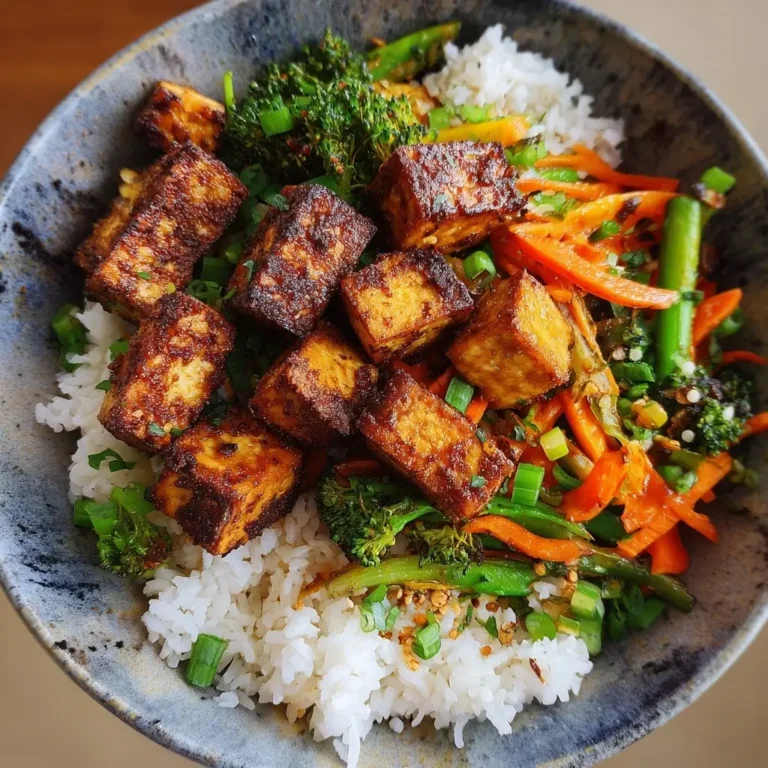
- Vegetarian Option: Replace chicken with firm tofu, tempeh, or portobello mushrooms. Press tofu well to remove moisture and pan-sear before glazing.
- Spicy Kick: Add ½–1 teaspoon of red pepper flakes, sriracha, or gochujang to the glaze for a fiery twist.
- Citrus Twist: Incorporate 1 tablespoon of orange or yuzu juice into the glaze for a brighter, fruitier note.
- Coconut Milk Addition: Stir in ¼ cup coconut milk for a creamy, tropical variation that pairs wonderfully with jasmine rice.
- Herb Infusion: Add fresh thyme, rosemary, or cilantro sprigs while simmering the glaze for an aromatic boost.
- Keto-Friendly Adaptation: Substitute maple syrup with a sugar-free maple-flavored syrup or monk fruit-based alternative, though results may vary in terms of caramelization.
Health Considerations and Nutritional Value
While undeniably delicious, it’s important to enjoy Maple Soy Glazed Chicken in moderation, especially for those monitoring sodium, sugar, or calorie intake. However, with mindful preparation, it can be part of a balanced diet.
Nutritional Highlights (per serving, approx. 1 thigh with sauce):
- Calories: ~320–380 kcal
- Protein: ~25–30g (excellent source)
- Fat: ~15–20g (mostly from chicken skin and oils)
- Carbohydrates: ~15–20g (primarily from maple syrup)
- Sodium: ~600–900mg (depends on soy sauce used)
Positive Aspects:
Chicken is a lean protein rich in essential amino acids, supporting muscle repair and satiety. Garlic and ginger offer anti-inflammatory and immune-boosting properties. Pure maple syrup contains trace minerals like manganese and zinc and has a lower glycemic index than refined sugar.
Considerations:
Soy sauce is naturally high in sodium, which may be problematic for individuals with hypertension. Opting for low-sodium versions and controlling portion sizes can help mitigate this. Maple syrup, while natural, still contributes significant sugars—diabetics should monitor intake accordingly. To make the dish heart-healthier, remove the skin before eating or use skinless chicken breasts.
To increase fiber and nutrient density, pair the chicken with whole grains (brown rice, farro) and plenty of colorful vegetables such as broccoli, bell peppers, or bok choy.
Full Ingredient List
- 4 bone-in, skin-on chicken thighs (about 6 oz each), or substitute with breasts
- Salt and freshly ground black pepper, to taste
- 1 tablespoon neutral oil (avocado, canola, or vegetable)
- ¼ cup 100% pure maple syrup
- 3 tablespoons low-sodium soy sauce
- 2 tablespoons rice vinegar (or apple cider vinegar)
- 2 cloves garlic, finely minced
- 1 tablespoon fresh ginger, grated
- 1 teaspoon toasted sesame oil
- 1 teaspoon cornstarch (optional, for thickening)
- 1 tablespoon water (only if using cornstarch)
- 2 green onions, thinly sliced (for garnish)
- 1 teaspoon sesame seeds, toasted (for garnish)
Detailed Directions
- Season the Chicken: Pat the chicken thighs dry with paper towels. Season both sides with salt and pepper. Set aside.
- Make the Glaze: In a small mixing bowl, combine maple syrup, soy sauce, rice vinegar, minced garlic, grated ginger, and sesame oil. Whisk until fully blended. Taste and adjust sweetness or saltiness if needed. If thickening the glaze later, mix cornstarch with 1 tablespoon water in a separate small bowl and reserve.
- Sear the Chicken: Heat a large oven-safe skillet (cast iron works best) over medium-high heat. Add the neutral oil and swirl to coat. Once shimmering, place chicken thighs skin-side down. Do not move them for 5–6 minutes to allow a deep golden crust to form. Flip and sear the other side for 3 minutes. Transfer chicken to a plate.
- Reduce the Glaze: Drain off all but 1 teaspoon of fat from the skillet. Pour in the glaze mixture. Bring to a gentle simmer, scraping up any browned bits from the bottom of the pan (these add immense flavor). Simmer uncovered for 2–3 minutes to slightly reduce and meld the flavors.
- Roast the Chicken: Preheat your oven to 375°F (190°C). Return the chicken to the skillet, skin-side up, nesting them into the sauce. Spoon some glaze over the tops. Transfer the entire skillet to the oven.
- Cook Until Done: Roast for 20–25 minutes, or until the chicken reaches an internal temperature of 165°F (74°C) when measured with a meat thermometer inserted near the bone.
- Thicken the Sauce (Optional): Remove the skillet from the oven. Transfer chicken to a serving platter. Place the skillet back on the stove over medium heat. Stir the cornstarch slurry and add it to the sauce. Simmer for 1–2 minutes, stirring constantly, until the sauce thickens to a syrupy consistency.
- Glaze and Finish: Brush or spoon the warm, thickened sauce over the chicken. Sprinkle with sliced green onions and toasted sesame seeds.
- Serve Immediately: Plate the chicken with a generous drizzle of extra sauce on the side. Accompany with rice, noodles, or a crisp salad.
Frequently Asked Questions (FAQ)
Can I make this recipe ahead of time?
Yes! You can marinate the chicken in the glaze (without cornstarch) for up to 24 hours in the refrigerator. Alternatively, cook the dish fully, store it in an airtight container, and reheat gently in the oven or microwave. Add fresh garnishes before serving.
Can I freeze Maple Soy Glazed Chicken?
Absolutely. Freeze cooked chicken and sauce in a sealed container for up to 3 months. Thaw overnight in the fridge and reheat in a 325°F oven until warmed through. Avoid freezing if you’ve added cornstarch, as it may separate upon thawing.
Why did my glaze burn?
Maple syrup has a relatively low smoke point and can caramelize quickly. Ensure you’re cooking over medium or medium-low heat when reducing the sauce, and never leave it unattended.
Can I use chicken breasts instead of thighs?
Yes, but breasts cook faster and are prone to drying out. Reduce roasting time to 15–18 minutes and check temperature early. Consider pounding them to even thickness for uniform cooking.
Is this recipe gluten-free?
Only if you use gluten-free tamari or a certified gluten-free soy sauce. Traditional soy sauce contains wheat.
How do I get a shinier glaze?
A glossy finish comes from reduction and fat content. Simmer the sauce longer for concentration, and include sesame oil for sheen. Straining the sauce after cooking can also improve clarity and smoothness.
What sides go well with this dish?
Excellent pairings include steamed white or brown rice, wild rice pilaf, quinoa, stir-fried vegetables, roasted Brussels sprouts, grilled asparagus, or a cucumber sesame salad.
Summary
Maple Soy Glazed Chicken is a harmonious blend of sweet maple syrup and savory soy sauce, creating a rich, glossy coating over tender, juicy chicken. Easy to prepare yet impressive enough for guests, it’s a versatile dish that brings global flavors to your table.