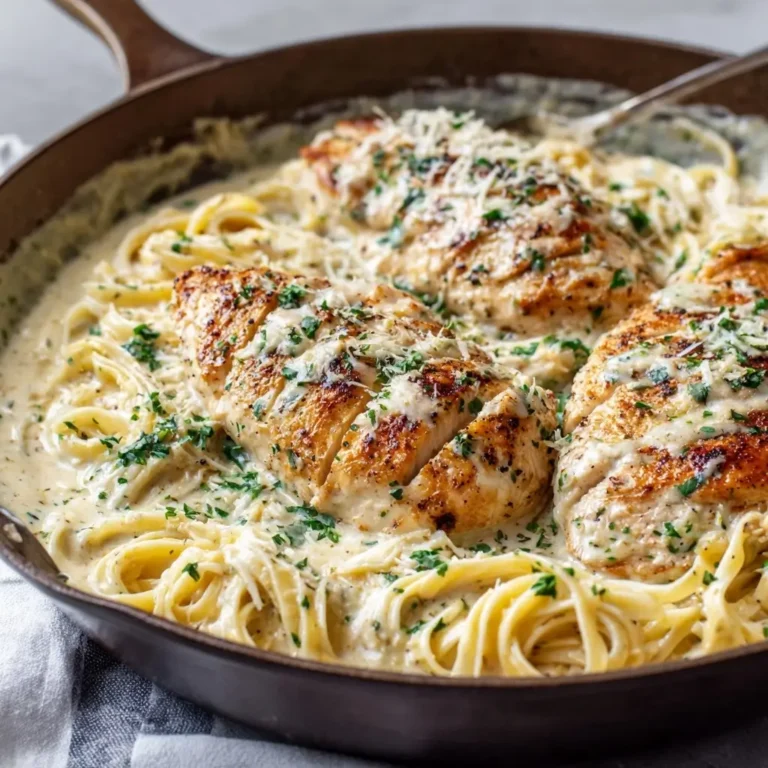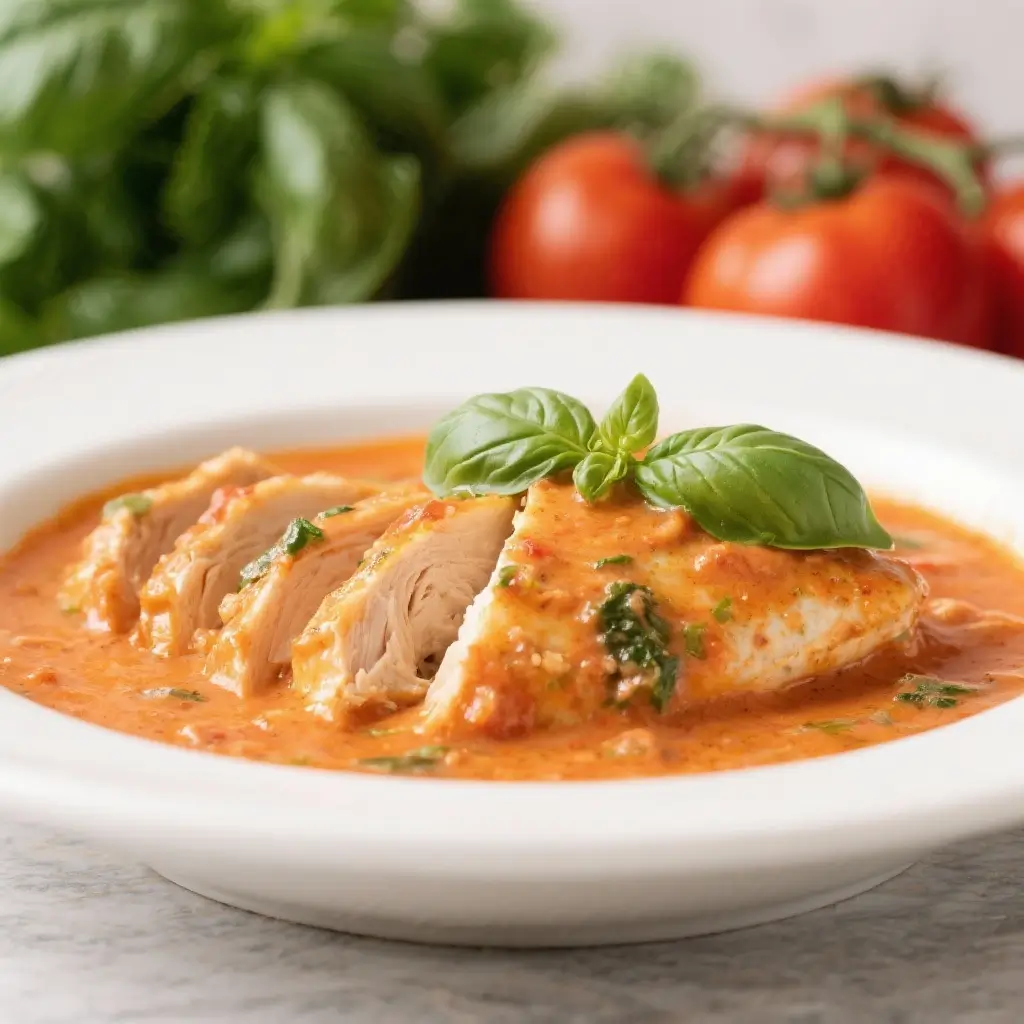
Creamy Tomato Basil Chicken
Creamy Tomato Basil Chicken: A Comforting Culinary Delight
There’s something undeniably comforting about the rich, velvety blend of tomatoes, fresh basil, and tender chicken in a creamy sauce. Creamy Tomato Basil Chicken is more than just a meal—it’s a celebration of flavors that bring warmth to the table and satisfaction to the soul. Whether you’re cooking for a family dinner or impressing guests at a weekend gathering, this dish delivers elegance without complexity. In this comprehensive guide, we’ll explore everything from the origins of the dish to detailed ingredient breakdowns, step-by-step preparation methods, expert tips, variations, health considerations, nutritional insights, and answers to frequently asked questions. Let’s dive into the luscious world of Creamy Tomato Basil Chicken.
The History
While Creamy Tomato Basil Chicken as we know it today may not have ancient roots, its components trace back centuries through Italian and Mediterranean culinary traditions. The use of tomatoes in European cuisine began after their introduction from the Americas in the 16th century. Initially met with suspicion, tomatoes eventually became central to Southern Italian cooking, especially in regions like Naples and Sicily. Basil, a fragrant herb native to India but widely cultivated in the Mediterranean, has long been paired with tomatoes—a combination immortalized in dishes like Caprese salad and classic marinara sauce.
Cream-based sauces gained popularity in French and Italian haute cuisine during the 18th and 19th centuries, particularly with the rise of techniques involving roux, reductions, and dairy enrichment. The fusion of Italian tomato-basil flavor profiles with creamy French-inspired sauces likely emerged in mid-20th century American-Italian kitchens, where home cooks sought richer, heartier versions of traditional pasta sauces. Over time, proteins like chicken were incorporated to create balanced one-dish meals. Today, Creamy Tomato Basil Chicken stands as a beloved staple in modern comfort food culture—often served over pasta, rice, or mashed potatoes—and continues evolving with global influences and dietary preferences.
Ingredients Breakdown
The magic of Creamy Tomato Basil Chicken lies in its harmonious blend of simple yet flavorful ingredients. Each component plays a crucial role in building depth, texture, and aroma:
- Chicken Breast or Thighs: Boneless, skin-on or skinless chicken breasts are most commonly used for their mild flavor and tender texture when cooked properly. Chicken thighs offer more moisture and richness due to higher fat content and can be an excellent alternative for those seeking juicier results.
- Olive Oil: Used for searing the chicken, olive oil adds a fruity note and helps develop a golden crust essential for flavor development.
- Garlic: Fresh minced garlic provides a pungent, aromatic backbone that enhances the entire dish. It should be added carefully to avoid burning.
- Onion: Yellow or white onions contribute sweetness and body when sautéed until translucent. They form the aromatic base (soffritto) typical in many Mediterranean recipes.
- Canned Crushed Tomatoes: High-quality crushed tomatoes (preferably San Marzano) deliver consistent acidity, color, and thickness. Avoid pre-seasoned varieties to maintain control over salt and spice levels.
- Fresh Basil: This herb is non-negotiable for authentic flavor. Its sweet, slightly peppery notes elevate the sauce far beyond what dried basil can achieve. Added both during cooking and at the end for freshness.
- Heavy Cream: Adds luxurious creaminess and balances the acidity of the tomatoes. Can be substituted with half-and-half, coconut milk, or plant-based creams depending on dietary needs.
- Chicken Broth: Enhances moisture and layers umami depth into the sauce. Low-sodium versions allow better control over seasoning.
- Butter: Often stirred in at the end (a technique known as monter au beurre) to enrich the sauce with silkiness and gloss.
- Seasonings: Salt, black pepper, red pepper flakes (for subtle heat), dried oregano, and sometimes a pinch of sugar to counteract tomato tartness.
- Optional Add-ins: Grated Parmesan cheese, sun-dried tomatoes, mushrooms, spinach, or olives can enhance complexity.
Step-by-Step Recipe
- Prepare Ingredients: Pat 4 boneless, skinless chicken breasts dry with paper towels to ensure proper browning. Season both sides generously with salt and freshly ground black pepper. Mince 3–4 garlic cloves, dice 1 medium onion, chop ½ cup fresh basil (divided), and measure out all other ingredients.
- Sear the Chicken: Heat 2 tablespoons of olive oil in a large skillet or Dutch oven over medium-high heat. Once shimmering, add chicken breasts and cook for 5–6 minutes per side until golden brown and internal temperature reaches 165°F (74°C). Remove and set aside on a plate, covering loosely with foil.
- Sauté Aromatics: In the same pan, reduce heat to medium and add 1 tablespoon butter if needed. Add diced onions and cook for 4–5 minutes until soft and translucent. Stir in minced garlic and red pepper flakes; cook for 30 seconds until fragrant (do not burn).
- Build the Sauce: Pour in 1 can (28 oz) crushed tomatoes, scraping up any browned bits (fond) from the bottom of the pan—this adds immense flavor. Stir in ½ teaspoon dried oregano, a pinch of sugar, and season with additional salt and pepper to taste.
- Add Liquids: Pour in ½ cup chicken broth to loosen the sauce and help deglaze the pan. Simmer uncovered for 8–10 minutes, allowing the sauce to thicken slightly and flavors to meld.
- Incorporate Cream: Reduce heat to low and slowly stir in ¾ cup heavy cream. Mix gently to combine. Do not boil vigorously after adding cream to prevent curdling.
- Return Chicken to Pan: Place seared chicken breasts back into the skillet, nestling them into the sauce. Spoon some sauce over the top. Cover and simmer on low for 8–10 minutes to allow chicken to absorb flavors and finish cooking evenly (if not already done).
- Finish with Butter and Basil: Remove from heat. Stir in 1 tablespoon cold butter for shine and richness. Fold in most of the chopped fresh basil, reserving a small amount for garnish.
- Serve: Plate the chicken and generously spoon sauce over each piece. Garnish with remaining basil and optional grated Parmesan. Serve immediately with your choice of side.
Tips
- Don’t Skip the Sear: Browning the chicken creates fond (those caramelized bits on the pan), which forms the flavor foundation of the sauce.
- Use Fresh Basil: Dried basil lacks the vibrant, floral quality of fresh leaves. If absolutely necessary, substitute 1 teaspoon dried basil during cooking—but still finish with fresh for brightness.
- Prevent Cream from Curdling: Keep heat low when adding cream and avoid boiling. For extra stability, temper the cream by warming it slightly before stirring into the sauce.
- Thicken the Sauce: If the sauce is too thin, simmer uncovered for a few more minutes. Alternatively, mix 1 teaspoon cornstarch with 1 tablespoon cold water and whisk into the sauce to thicken.
- Enhance Flavor Depth: Deglaze the pan with a splash of white wine after sautéing onions and before adding tomatoes. Allow alcohol to evaporate before proceeding.
- Rest Before Serving: Letting the dish sit for 5 minutes after cooking allows flavors to settle and sauce to thicken slightly.
- Batch Cooking Tip: This dish reheats beautifully and often tastes even better the next day as flavors deepen.
Variations and Customizations
Creamy Tomato Basil Chicken is wonderfully adaptable to various tastes, dietary restrictions, and cultural interpretations. Here are some popular twists:
- Low-Carb/Keto Version: Serve over zucchini noodles (zoodles), cauliflower mash, or roasted spaghetti squash. Use full-fat cream and check labels for hidden sugars in canned tomatoes.
- Dairy-Free/Vegan Option: Substitute heavy cream with coconut cream or cashew cream. Use vegan butter and omit cheese. Choose plant-based protein like marinated tofu or tempeh instead of chicken.
- Pasta Integration: Toss the finished sauce with fettuccine, penne, or rigatoni for a creamy pasta bake. Sprinkle with mozzarella and broil for a baked twist.
- Spicy Kick: Increase red pepper flakes or add a dash of hot sauce. Some enjoy adding sliced jalapeños or Calabrian chili paste for deeper heat.
- Mediterranean Twist: Add kalamata olives, artichoke hearts, and capers for a briny, tangy profile. Top with crumbled feta before serving.
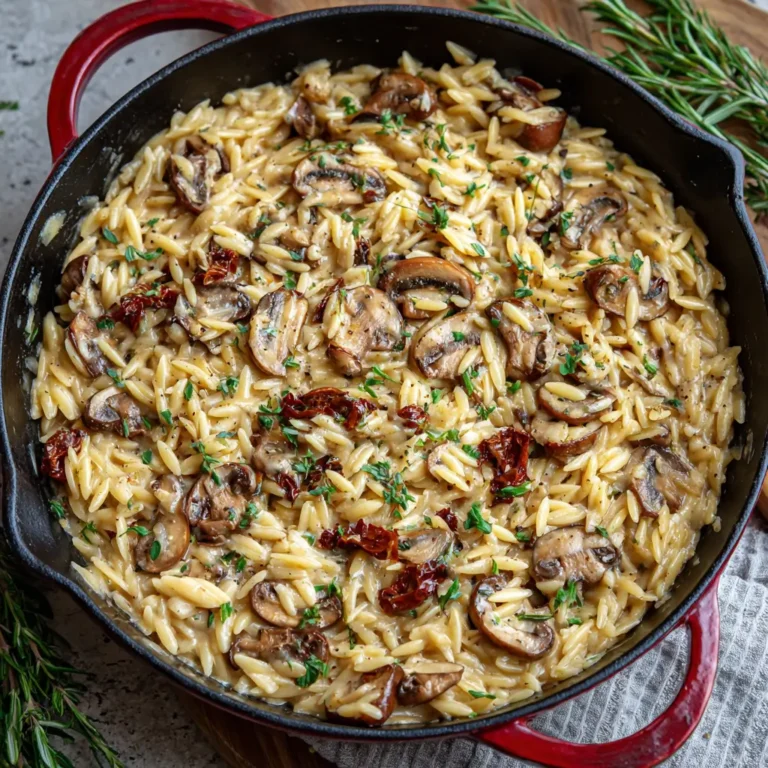
- Creamy Mushroom Tomato Basil Chicken: Sauté sliced cremini or shiitake mushrooms along with onions for earthy depth.
- One-Pan Baked Version: Arrange seasoned chicken in a baking dish, surround with sauce ingredients, cover, and bake at 375°F (190°C) for 30–35 minutes. Finish under broiler for browning.
- Air Fryer Method: Cook chicken in the air fryer first, then prepare sauce on stove. Combine and warm together briefly.
- Freezer-Friendly Make-Ahead: Assemble the sauce (without cream and basil), cool, and freeze for up to 3 months. Thaw, reheat, add cream and chicken, and finish as usual.
Health Considerations and Nutritional Value
Creamy Tomato Basil Chicken can be part of a balanced diet when prepared mindfully. While traditionally rich due to heavy cream and butter, there are several ways to make it healthier without sacrificing flavor.
Nutritional Highlights (per serving, approx. 1 chicken breast + ¾ cup sauce):
- Calories: ~450–550 (varies based on cream type and portion size)
- Protein: ~35–40g (excellent source from lean chicken)
- Fat: ~25–35g (mostly saturated from dairy; reduced with substitutions)
- Carbohydrates: ~10–15g (primarily from tomatoes and onions)
- Fiber: ~2–3g (from vegetables)
- Vitamin C & A: Abundant from tomatoes and fresh basil
- Lycopene: A powerful antioxidant found in cooked tomatoes, linked to heart health and cancer prevention
- Calcium & Vitamin D: Present when using dairy products
Health Tips:
- Choose skinless chicken breasts to reduce saturated fat.
- Use low-fat or light cream alternatives such as half-and-half, Greek yogurt (tempered to avoid curdling), or unsweetened almond/coconut milk.
- Limit added salt by using low-sodium broth and enhancing flavor with herbs, lemon zest, or nutritional yeast.
- Add leafy greens like spinach or kale during the last few minutes of cooking to boost fiber and micronutrients.
- Pair with whole grains or legumes for sustained energy and improved glycemic response.
Note: Individuals with lactose intolerance, dairy allergies, or following ketogenic, paleo, or plant-based diets should modify accordingly using suitable substitutes.
Ingredients
- 4 boneless, skinless chicken breasts (about 6 oz each)
- Salt and freshly ground black pepper (to taste)
- 2 tablespoons olive oil (divided)
- 1 tablespoon unsalted butter (plus 1 tbsp for finishing)
- 1 medium yellow onion, finely diced
- 4 garlic cloves, minced
- ¼ teaspoon red pepper flakes (adjust to taste)
- 1 (28-ounce) can crushed tomatoes (preferably San Marzano)
- ½ cup low-sodium chicken broth
- ¾ cup heavy cream (or substitute)
- ½ cup fresh basil, chopped (divided)
- ½ teaspoon dried oregano
- 1 teaspoon sugar (optional, to balance acidity)
- Grated Parmesan cheese (optional, for serving)
Directions
- Season chicken breasts with salt and pepper on both sides. Heat 1 tablespoon olive oil in a large deep skillet or Dutch oven over medium-high heat.
- Add chicken and sear for 5–6 minutes per side until golden brown and cooked through (internal temp 165°F). Transfer to a plate and cover.
- In the same pan, reduce heat to medium. Add remaining olive oil and 1 tablespoon butter. Sauté onions for 4–5 minutes until soft.
- Add garlic and red pepper flakes; cook 30 seconds until fragrant.
- Pour in crushed tomatoes, chicken broth, oregano, and sugar. Stir well, scraping up browned bits. Simmer uncovered for 8–10 minutes.
- Reduce heat to low. Stir in heavy cream gradually until smooth.
- Return chicken to the pan, submerge in sauce, cover, and simmer on low for 8–10 minutes.
- Remove from heat. Stir in final tablespoon of butter and most of the chopped basil.
- Taste and adjust seasoning. Garnish with remaining basil and Parmesan if desired.
- Serve warm with pasta, rice, mashed potatoes, or crusty bread.
FAQ
Can I use frozen chicken?
It’s best to thaw chicken completely before cooking to ensure even browning and food safety. Cooking from frozen may result in uneven doneness and excess moisture.
How do I store leftovers?
Store in an airtight container in the refrigerator for up to 4 days. Reheat gently on the stove over low heat to prevent cream separation.
Can I freeze Creamy Tomato Basil Chicken?
Yes, though dairy-based sauces may separate slightly upon thawing. Freeze without cream, then add fresh cream when reheating. Alternatively, freeze fully prepared and stir well after reheating.
Why did my sauce curdle?
This usually happens due to high heat after adding cream. Always keep the heat low and avoid boiling. Tempering the cream can also help.
What can I serve with this dish?
Excellent pairings include garlic butter pasta, risotto, quinoa, steamed vegetables, roasted asparagus, or a crisp green salad.
Can I make this in a slow cooker?
Absolutely! Sear chicken first, then place in slow cooker with sauce ingredients (except cream and basil). Cook on low for 4–6 hours. Stir in cream and basil before serving.
Is this recipe gluten-free?
Yes, as written, provided all ingredients (especially broth and canned tomatoes) are certified gluten-free.
Can I use dried basil instead of fresh?
You can use 1–2 teaspoons dried basil during cooking, but always finish with fresh basil for optimal aroma and freshness.
How can I make it spicier?
Add more red pepper flakes, a dash of cayenne, or a few drops of hot sauce. You can also include chopped fresh chili peppers while sautéing onions.
Can I use chicken thighs?
Yes! Boneless, skinless chicken thighs work beautifully and stay juicier during longer cooking times. Adjust searing time as needed.
Summary
Creamy Tomato Basil Chicken combines succulent chicken with a luscious sauce of ripe tomatoes, fragrant basil, and rich cream for a satisfying, restaurant-quality meal you can make at home. Easy to customize and packed with flavor, it’s a timeless dish that brings comfort and joy to every bite.