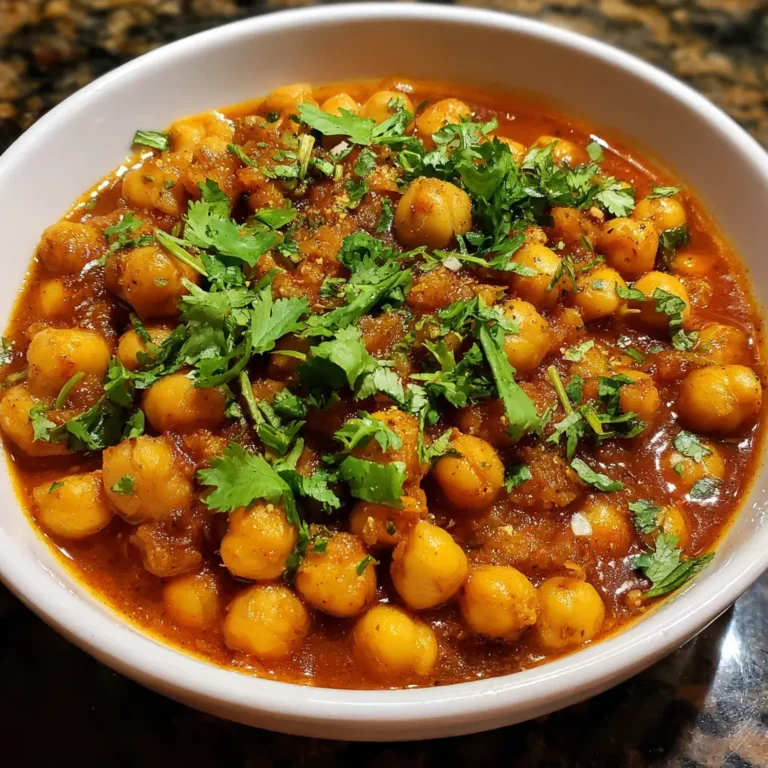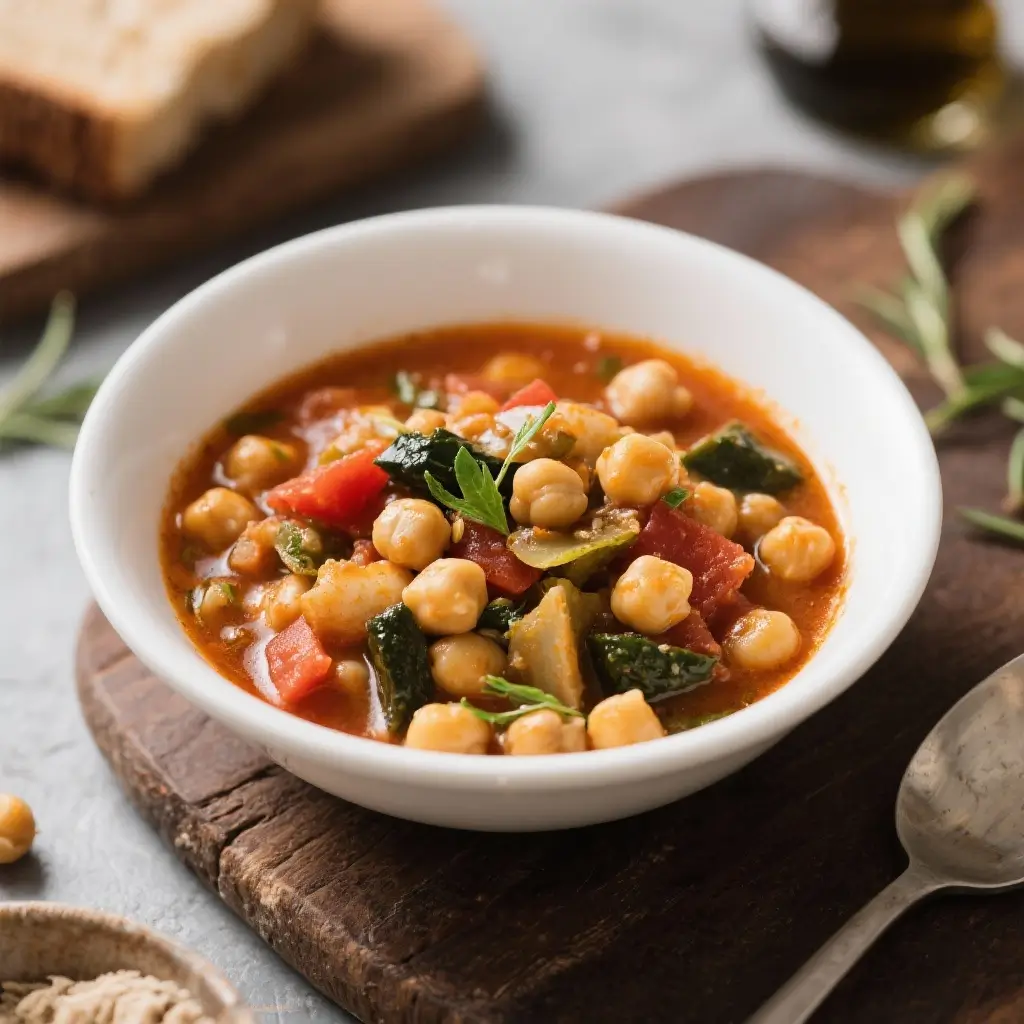
Mediterranean Chickpea Stew
Mediterranean Chickpea Stew: A Flavorful Journey Through Tradition and Nutrition
The Mediterranean diet is celebrated globally not only for its delicious flavors but also for its numerous health benefits. Among the many culinary treasures of this region, chickpeas stand out as a staple ingredient—nutritious, versatile, and deeply rooted in tradition. One dish that beautifully encapsulates the essence of Mediterranean cooking is the Mediterranean Chickpea Stew. This hearty, plant-based stew combines earthy legumes with vibrant vegetables, aromatic herbs, and olive oil, creating a satisfying meal that warms both body and soul. Whether you’re a long-time vegetarian or simply looking to incorporate more plant-powered meals into your diet, this stew offers a delicious gateway into the heart of Mediterranean cuisine.
The History of Mediterranean Chickpea Stew
Chickpeas have been a dietary cornerstone across the Mediterranean basin for thousands of years. Archaeological evidence traces their cultivation back to the Neolithic period in regions such as modern-day Turkey, Syria, and Lebanon. In ancient Greece and Rome, chickpeas were commonly consumed by both commoners and soldiers due to their high protein content and long shelf life. Over time, various cultures adapted chickpea dishes to local tastes—giving rise to classics like Greek revithia, Turkish nohut yahnisi, Moroccan chakchouka, and Spanish potaje de garbanzos.
The concept of a slow-simmered chickpea stew evolved from practicality: legumes were dried and stored for months, then rehydrated and cooked with seasonal vegetables, herbs, and spices. Olive oil—another hallmark of the Mediterranean pantry—was used liberally to enrich flavor and provide healthy fats. As trade routes expanded, ingredients like tomatoes, garlic, cumin, and paprika found their way into these stews, further enhancing their complexity. Today’s Mediterranean Chickpea Stew is a harmonious blend of ancient tradition and modern wellness, reflecting centuries of culinary evolution while remaining accessible and nourishing for contemporary palates.
Ingredients Breakdown: What Makes This Stew So Special?
The magic of Mediterranean Chickpea Stew lies in its balance of texture, flavor, and nutrition—all derived from simple, wholesome ingredients. Let’s explore each component and understand how they contribute to the overall experience:
- Chickpeas (Garbanzo Beans): The star of the dish, chickpeas are packed with plant-based protein, fiber, iron, and complex carbohydrates. They offer a creamy yet slightly firm texture when cooked, making them ideal for stews.
- Olive Oil: Extra virgin olive oil is a hallmark of Mediterranean cooking. It adds richness, depth, and heart-healthy monounsaturated fats. Its fruity aroma enhances the overall profile of the stew.
- Onions and Garlic: These aromatics form the flavor base. Onions bring sweetness when sautéed, while garlic contributes pungency and umami depth.
- Carrots and Celery: Part of the classic “mirepoix” vegetable trio (along with onions), they add natural sweetness, color, and essential nutrients like beta-carotene and antioxidants.
- Tomatoes (Fresh or Canned): Provide acidity, moisture, and lycopene—a powerful antioxidant. Canned diced tomatoes are often preferred for their consistent texture and concentrated flavor.
- Vegetable Broth: Enhances savoriness without overpowering; ensures the stew remains fully plant-based. Homemade broth adds extra depth, but store-bought low-sodium versions work well too.
- Spinach or Kale: Leafy greens boost the vitamin and mineral content significantly. They wilt beautifully into the stew, adding color and freshness.
- Herbs and Spices: Dried oregano, thyme, and bay leaves evoke the sun-drenched hills of Greece and southern Italy. A pinch of red pepper flakes brings gentle heat, while smoked paprika adds a subtle smokiness.
- Lemon Juice: Added at the end, it brightens the entire dish, cutting through richness and balancing flavors.
- Salt and Black Pepper: Essential seasonings that elevate all other ingredients.
Optional garnishes include crumbled feta cheese (for non-vegan versions), fresh parsley, chopped olives, or a drizzle of tahini for added creaminess.
Step-by-Step Recipe: How to Make Authentic Mediterranean Chickpea Stew
Follow this detailed guide to create a rich, flavorful, and nutritious Mediterranean Chickpea Stew right in your own kitchen. This recipe serves 4–6 people and takes approximately 45 minutes from start to finish (including prep).
Ingredients
- 2 tablespoons extra virgin olive oil
- 1 large yellow onion, finely chopped
- 3 cloves garlic, minced
- 2 medium carrots, peeled and diced
- 2 celery stalks, diced
- 1 teaspoon ground cumin
- 1 teaspoon smoked paprika
- ½ teaspoon dried oregano
- ¼ teaspoon red pepper flakes (optional)
- 1 can (15 oz / 400g) diced tomatoes (preferably fire-roasted)
- 3 cups (720ml) low-sodium vegetable broth
- 2 cans (15 oz / 400g each) chickpeas, drained and rinsed
- 1 bay leaf
- 3 cups fresh baby spinach or chopped kale
- 2 tablespoons freshly squeezed lemon juice
- Salt and freshly ground black pepper, to taste
- Fresh parsley, chopped (for garnish)
- Crumbled feta cheese (optional, for serving)
Directions
- Sauté the Aromatics: Heat the olive oil in a large, heavy-bottomed pot or Dutch oven over medium heat. Add the chopped onion and cook for 5–7 minutes until translucent and lightly golden, stirring occasionally to prevent burning.
- Add Garlic and Vegetables: Stir in the garlic, carrots, and celery. Cook for another 5 minutes, allowing the vegetables to soften slightly and absorb the oil and onion flavors.
- Bloom the Spices: Add the cumin, smoked paprika, oregano, and red pepper flakes. Stir constantly for about 1 minute to toast the spices—this step unlocks their essential oils and intensifies their flavor.
- Incorporate Tomatoes: Pour in the canned diced tomatoes (with their juices). Stir well and let the mixture simmer for 3–4 minutes, allowing the liquid to reduce slightly and the flavors to meld.
- Add Liquids and Chickpeas: Pour in the vegetable broth, then add the drained chickpeas and the bay leaf. Stir thoroughly to combine.
- Simmer the Stew: Bring the mixture to a gentle boil, then reduce the heat to low. Cover the pot partially and let the stew simmer for 25–30 minutes, stirring occasionally. This allows the flavors to deepen and the chickpeas to absorb the surrounding seasonings.
- Wilt in Greens: Remove the bay leaf, then stir in the fresh spinach or kale. Cook for an additional 3–5 minutes until the greens are just wilted and vibrant green.
- Finish with Lemon and Seasoning: Turn off the heat. Stir in the lemon juice. Taste the stew and adjust seasoning with salt and black pepper as needed. Remember—lemon brightens the dish, so don’t skip it!
- Serve Warm: Ladle the stew into bowls. Garnish with chopped fresh parsley and, if desired, a sprinkle of crumbled feta cheese or Kalamata olives.
This stew pairs beautifully with crusty whole-grain bread, couscous, quinoa, or even a simple green salad. For extra richness, serve with a dollop of plain yogurt or a swirl of tahini sauce.
Tips for Perfect Mediterranean Chickpea Stew Every Time
- Use Quality Olive Oil: Since olive oil is a key flavor component, opt for a good-quality extra virgin variety with a fruity or peppery note.
- Don’t Rush the Sauté: Taking time to properly cook the onions, carrots, and celery builds a strong flavor foundation. Low and slow wins here.
- Toast Your Spices: Blooming spices in oil for just 30–60 seconds dramatically enhances their aroma and taste. Be careful not to burn them.
- Choose Fire-Roasted Tomatoes: These add a subtle caramelized depth that regular diced tomatoes lack.
- Rinse Chickpeas Well: Draining and rinsing canned chickpeas removes excess sodium and the starchy liquid that can make the stew cloudy.
- Simmer, Don’t Boil: A gentle simmer helps the ingredients absorb flavors without breaking down the chickpeas.
- Add Acid at the End: Lemon juice should be added after cooking to preserve its bright, fresh character.
- Let It Rest: Like most stews, this dish tastes even better the next day as the flavors continue to meld in the refrigerator.
- Freeze for Later: This stew freezes exceptionally well. Store in airtight containers for up to 3 months.
Variations and Customizations
One of the greatest strengths of Mediterranean Chickpea Stew is its adaptability. Here are several creative ways to customize it based on dietary preferences, seasonal availability, or cultural inspiration:
- Vegan & Gluten-Free: The base recipe is already vegan and gluten-free. Just ensure your vegetable broth is certified GF if needed.
- Protein Boost: Add cooked lentils, white beans, or tofu cubes for extra plant protein. For non-vegetarian options, shredded chicken or turkey sausage can be stirred in.
- Spicier Version: Increase red pepper flakes or add a dash of harissa paste or sriracha for North African flair.
- Creamier Texture: Blend ½ cup of the stew before adding greens, then mix back in for a thicker consistency. Alternatively, stir in 2–3 tablespoons of tahini or coconut milk.
- Roasted Vegetable Twist: Roast the carrots, onions, and tomatoes beforehand for a deeper, caramelized flavor profile.
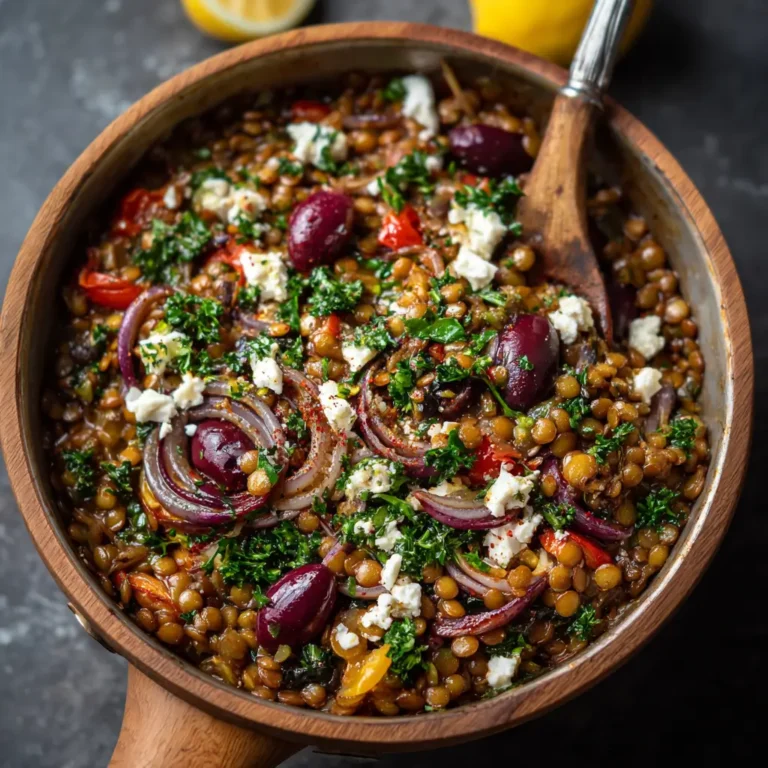
- Greek-Inspired: Add diced zucchini, bell peppers, and a handful of kalamata olives. Finish with oregano and feta.
- Moroccan-Inspired: Use sweet potatoes instead of carrots, add apricots or raisins, and include warming spices like cinnamon and ginger.
- Italian-Inspired: Add a splash of balsamic vinegar, chopped sun-dried tomatoes, and fresh basil. Serve over polenta.
- One-Pot Meal: Toss in uncooked rice or small pasta (like ditalini) during the last 15 minutes of cooking for a complete meal in one pot (adjust broth accordingly).
Health Considerations and Nutritional Value
Mediterranean Chickpea Stew isn’t just delicious—it’s a powerhouse of nutrition. Here’s why it’s considered one of the healthiest comfort foods:
- High in Fiber: Chickpeas and vegetables provide ample dietary fiber, which supports digestive health, regulates blood sugar, and promotes satiety.
- Plant-Based Protein: With around 10–12 grams of protein per serving, this stew is excellent for vegetarians, vegans, or anyone reducing meat intake.
- Heart-Healthy Fats: Olive oil contains monounsaturated fats linked to reduced inflammation and lower risk of cardiovascular disease.
- Rich in Vitamins and Minerals: Carrots supply vitamin A, spinach offers iron and folate, tomatoes deliver vitamin C and lycopene, and garlic has allicin—known for immune support.
- Low Glycemic Index: Thanks to fiber and complex carbs, this stew releases energy slowly, helping maintain stable blood sugar levels.
- Antioxidant-Rich: Herbs like oregano and spices like cumin and paprika are loaded with antioxidants that combat oxidative stress.
- Supports Weight Management: High volume, low calorie density, and high fiber content make this stew ideal for those managing weight.
Nutritional estimate per serving (based on 6 servings):
- Calories: ~280 kcal
- Protein: 11g
- Fat: 9g (mostly unsaturated)
- Carbohydrates: 40g
- Fiber: 10g
- Sugar: 8g (naturally occurring)
- Sodium: ~400mg (varies based on broth and canned ingredients)
- Iron: 25% DV
- Vitamin A: 120% DV
- Vitamin C: 45% DV
Note: Values may vary depending on specific ingredients and brands used. To reduce sodium, use no-salt-added tomatoes and low-sodium broth.
Frequently Asked Questions (FAQ)
Can I make this stew in a slow cooker or Instant Pot?
Yes! For a slow cooker: Sauté aromatics first, then transfer to the crockpot with all other ingredients (except greens and lemon). Cook on low for 6–8 hours or high for 3–4 hours. Stir in greens and lemon before serving.
For an Instant Pot: Use the “Sauté” function for onions and spices, then add remaining ingredients (except greens and lemon). Pressure cook on high for 10 minutes, natural release for 10 minutes. Stir in greens and lemon.
Can I use dried chickpeas instead of canned?
Absolutely. Soak 1 cup dried chickpeas overnight, then boil until tender (about 1–1.5 hours). Use 3 cups cooked chickpeas in place of canned. Note: Cooking time may extend slightly.
How long does the stew keep in the fridge?
Stored in an airtight container, it lasts 4–5 days in the refrigerator. Flavors deepen over time, making leftovers even tastier.
Is this stew suitable for freezing?
Yes, it freezes very well for up to 3 months. Thaw overnight in the fridge and reheat gently on the stove with a splash of broth if needed.
Can I omit the greens?
While spinach or kale adds valuable nutrients, you can leave them out or substitute with Swiss chard or collard greens.
Why did my stew turn out too watery or too thick?
If too watery, simmer uncovered for 5–10 minutes to reduce. If too thick, stir in additional broth or water, ¼ cup at a time, until desired consistency is reached.
What can I serve with Mediterranean Chickpea Stew?
Excellent pairings include warm pita bread, brown rice, bulgur, farro, couscous, roasted potatoes, or a simple arugula salad with lemon vinaigrette.
Summary
Mediterranean Chickpea Stew is a nourishing, flavorful dish that blends ancient traditions with modern nutritional wisdom. Packed with plant-based protein, fiber, and vibrant vegetables, it’s a celebration of simplicity and health.
Easy to customize, budget-friendly, and perfect for meal prep, this stew brings the sunshine of the Mediterranean straight to your table—one comforting spoonful at a time.