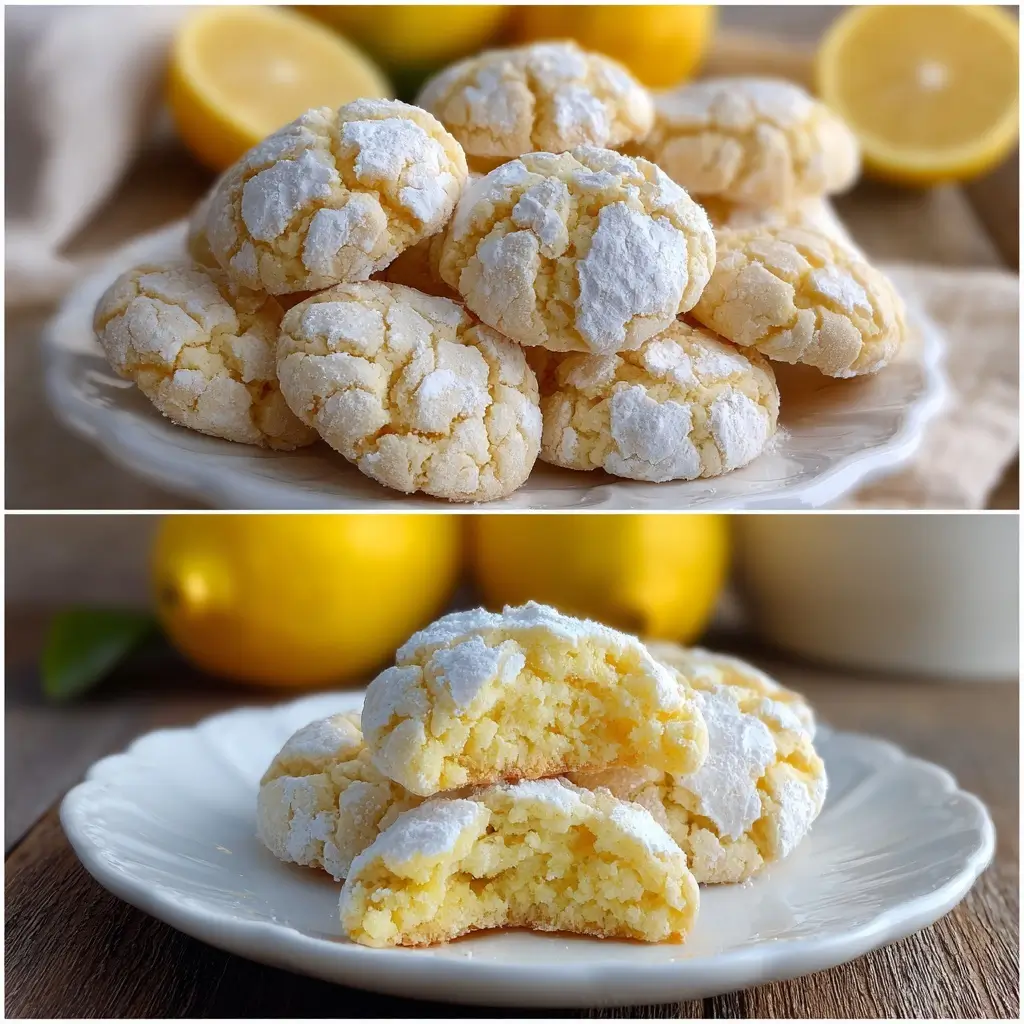
Lemon Sugar Crinkle Cookies: A Zesty Twist on a Classic Favorite
There’s something undeniably magical about the aroma of freshly baked cookies wafting through the kitchen—warm, sweet, and comforting. Among the many beloved cookie varieties, crinkle cookies stand out with their signature cracked tops and soft, fudgy centers. While chocolate crinkles are a holiday staple, lemon sugar crinkle cookies bring a bright, citrusy twist that’s perfect for spring gatherings, summer picnics, or anytime you need a burst of sunshine in dessert form. These vibrant cookies combine the tangy zing of fresh lemons with the sweet richness of powdered sugar, resulting in a tender treat that’s both refreshing and indulgent.
The History of Crinkle Cookies
Crinkle cookies have roots tracing back to mid-20th century American baking traditions. Their origins are often linked to German or Eastern European immigrant communities who brought with them various rolled and dusted cookie recipes. The modern chocolate crinkle cookie gained popularity in the United States during the 1950s, appearing frequently in community cookbooks and women’s magazines. Its distinctive look—deep cracks dusted generously with powdered sugar—resembles tree bark or dried riverbeds, making it as visually striking as it is delicious.
Over time, bakers began experimenting with flavors beyond chocolate, leading to variations like red velvet, pumpkin, and, more recently, citrus-based crinkles. Lemon sugar crinkle cookies emerged as a delightful alternative, offering a lighter, fruit-forward profile ideal for those seeking a less heavy dessert. By replacing cocoa powder with lemon zest and juice, bakers transformed a wintertime favorite into a year-round sensation that captures the essence of fresh-squeezed lemonade in cookie form.
Ingredients Breakdown: What Makes These Cookies Shine?
The success of lemon sugar crinkle cookies lies in the careful balance of ingredients that create their unique texture and flavor. Let’s take a closer look at each component and its role in this delightful recipe:
- Butter (unsalted): Provides richness and tenderness. Using unsalted butter allows better control over the salt content. It should be softened to room temperature for smooth creaming with sugar.
- Granulated sugar: Sweetens the dough and helps create a slightly crisp exterior while keeping the inside soft.
- Eggs: Act as a binder and add moisture and structure. Large eggs at room temperature blend more easily into the batter.
- Vanilla extract: Enhances overall flavor depth and complements the lemon’s brightness.
- Lemon zest: The essential ingredient for intense lemon flavor. Only the outer yellow part of the peel should be used—it contains aromatic oils without the bitterness of the white pith.
- Fresh lemon juice: Adds tartness and moisture. Bottled juice can work in a pinch, but fresh delivers superior taste.
- All-purpose flour: Gives structure to the cookies. Too much can make them dry; too little causes spreading.
- Baking powder: A leavening agent that helps the cookies rise slightly and develop their characteristic cracks.
- Salt: Balances sweetness and enhances other flavors.
- Powdered sugar (for rolling): Coating the dough balls in powdered sugar before baking creates the snowy, crinkled appearance and adds a subtle sweetness to the crust.
Each ingredient plays a vital role—not just in taste, but in texture, spread, and visual appeal. The interplay between fat, sugar, flour, and liquid ensures a cookie that’s soft-centered, lightly chewy, and bursting with lemony freshness.
Step-by-Step Recipe: How to Make Perfect Lemon Sugar Crinkle Cookies
Ingredients
- ¾ cup (170g) unsalted butter, softened
- 1 cup (200g) granulated sugar
- 2 large eggs, room temperature
- 1 tablespoon pure vanilla extract
- Zest of 2 medium lemons (about 2 tablespoons)
- ¼ cup (60ml) fresh lemon juice
- 2 cups (250g) all-purpose flour
- 1½ teaspoons baking powder
- ¼ teaspoon salt
- 1 to 1½ cups (120–180g) powdered sugar, for rolling
Directions
- Cream the butter and sugar: In a large mixing bowl, using a hand mixer or stand mixer fitted with the paddle attachment, beat the softened butter and granulated sugar together on medium speed until light and fluffy—about 3 to 4 minutes. Scrape down the sides of the bowl as needed.
- Add wet ingredients: Add the eggs one at a time, beating well after each addition. Mix in the vanilla extract, lemon zest, and fresh lemon juice until fully incorporated. The mixture may look slightly curdled due to the acid in the lemon juice reacting with the butter—this is normal and will resolve when dry ingredients are added.
- Combine dry ingredients: In a separate bowl, whisk together the all-purpose flour, baking powder, and salt. Ensure even distribution to avoid clumps.
- Mix dry into wet: Gradually add the dry ingredients to the wet mixture, mixing on low speed until just combined. Do not overmix—stop as soon as no streaks of flour remain. Overmixing can lead to tough cookies.
- Chill the dough: Cover the bowl with plastic wrap and refrigerate the dough for at least 2 hours, or up to 48 hours. Chilling is crucial—it firms the butter, prevents excessive spreading, and allows flavors to meld.
- Preheat oven and prepare baking sheets: Preheat your oven to 350°F (175°C). Line two or more baking sheets with parchment paper or silicone baking mats.
- Roll into balls and coat: Place about 1 cup of powdered sugar in a shallow bowl. Use a cookie scoop (about 1½ tablespoons) to portion the chilled dough. Roll each portion into a smooth ball between your palms, then roll generously in powdered sugar until completely coated. Return coated balls to the baking sheet, spacing them about 2 inches apart.
- Bake: Bake one sheet at a time in the center of the oven for 10–12 minutes. The cookies are done when the edges are lightly golden and the tops have developed deep cracks. The centers will still look soft—that’s perfect! They’ll firm up as they cool.
- Cool: Let the cookies cool on the baking sheet for 5 minutes before transferring to a wire rack to cool completely. This resting period helps them set without breaking.
You should yield approximately 24–30 cookies, depending on size. Store in an airtight container at room temperature for up to 5 days.
Tips for Baking the Best Lemon Sugar Crinkle Cookies
- Use fresh lemons: Freshly zested and juiced lemons make a dramatic difference in flavor. Avoid bottled lemon juice if possible—it lacks brightness and can taste metallic.
- Don’t skip chilling: Chilling the dough is non-negotiable. Warm dough will spread too much and lose its crinkle effect. If pressed for time, freeze the rolled dough balls for 15–20 minutes before baking.
- Room temperature ingredients: Cold eggs or butter won’t emulsify properly, leading to a grainy or separated batter. Take ingredients out 1–2 hours before starting.
- Measure flour correctly: Spoon flour into your measuring cup and level it off with a knife. Scooping directly from the bag packs it down, resulting in dry, dense cookies.
- Re-roll scraps gently: When shaping dough, handle it as little as possible. Overworking warms the dough and affects texture.
- Double-coat for extra sparkle: For a more dramatic snow-dusted look, roll the dough balls in powdered sugar, chill for 10 minutes, then roll again just before baking.
- Bake one tray at a time: To ensure even heat distribution and consistent baking, bake one sheet at a time, rotating the pan front to back halfway through if your oven has hot spots.
- Avoid overbaking: These cookies continue to cook slightly on the hot baking sheet. Remove them when the edges are set but centers still appear underdone—they’ll finish setting as they cool.
Variations and Customizations
One of the joys of baking is making a recipe your own. Here are several creative twists you can try with lemon sugar crinkle cookies:
- Lemon Blueberry Crinkles: Fold ½ cup of freeze-dried blueberries (crushed) into the dough for bursts of fruity tartness.
- Lemon Poppy Seed Crinkles: Add 1–2 tablespoons of poppy seeds to the dry ingredients for a delightful crunch and classic flavor combo.
- Limoncello-Infused Cookies: Replace 1–2 tablespoons of lemon juice with limoncello liqueur for a sophisticated, boozy kick (keep in mind these won’t be kid-friendly).
- Gluten-Free Version: Substitute the all-purpose flour with a high-quality gluten-free flour blend (with xanthan gum included). Test one batch first, as GF doughs can behave differently.
- Vegan Option: Use plant-based butter, flax eggs (1 tbsp ground flax + 3 tbsp water per egg), and vegan powdered sugar (some contain bone char—check labels).
- Dipped in White Chocolate: After cooling, dip half of each cookie in melted white chocolate and let harden on parchment. Sprinkle with lemon zest for elegance.
- Mini Crinkles: Use a teaspoon-sized scoop for bite-sized treats perfect for parties or cookie platters.
- Lavender Lemon Crinkles: Add ½ teaspoon of culinary-grade dried lavender to the dry ingredients for a floral, spa-like aroma.
Health Considerations and Nutritional Value
While lemon sugar crinkle cookies are undeniably a treat, understanding their nutritional profile can help with mindful enjoyment. Each cookie (based on 24 servings) contains approximately:
- Calories: ~180–200
- Total Fat: 8–9g (mostly from butter)
- Saturated Fat: 5g
- Carbohydrates: 28–30g
- Sugars: 18–20g (combination of granulated and powdered sugar)
- Protein: 2g
- Sodium: ~75mg
These cookies are high in sugar and fat, so moderation is key—especially for individuals managing diabetes, heart health, or weight. However, they do offer small amounts of protein and energy-boosting carbohydrates.
The use of real lemon provides a dose of vitamin C and antioxidants, though the amount per cookie is minimal. Still, choosing natural ingredients over artificial flavors supports overall wellness. For healthier versions, consider reducing sugar by 25% (though this may affect texture), using coconut oil in place of some butter, or adding almond flour for extra protein and nuttiness.
Always consult dietary needs with a healthcare provider if you have allergies (eggs, dairy, wheat) or specific restrictions.
Frequently Asked Questions (FAQ)
Why didn’t my cookies crack?
Lack of cracking usually results from warm dough, insufficient powdered sugar coating, or overmixing. Ensure the dough is thoroughly chilled and generously coated in powdered sugar before baking.
Can I freeze the dough?
Yes! Portion the dough into balls, roll in powdered sugar, and freeze on a tray. Once solid, transfer to a freezer bag. Bake straight from frozen—add 1–2 minutes to baking time.
Can I make these ahead of time?
Absolutely. Baked cookies freeze well for up to 3 months in an airtight container. Thaw at room temperature. Dough can also be refrigerated for up to two days before baking.
Why do my cookies spread too much?
This typically happens if the butter was too soft, the dough wasn’t chilled long enough, or too much liquid (lemon juice) was added. Double-check measurements and chilling time.
Can I use lime or orange instead?
Yes! Lime crinkle cookies offer a tropical twist, while orange ones are sweeter and warmer in flavor. Adjust zest and juice quantities accordingly.
Is there a way to make them less sweet?
You can reduce the granulated sugar to ¾ cup, but the texture may become denser. Reducing powdered sugar isn’t recommended—it’s essential for the crinkle effect.
Do I need a mixer?
A mixer makes creaming easier, but you can stir by hand with a wooden spoon or spatula. It will take more effort to achieve a fluffy consistency.
Can I use brown sugar?
Brown sugar adds moisture and molasses flavor, which clashes with the bright lemon taste. Stick to granulated for best results.
Summary
Lemon sugar crinkle cookies are a radiant fusion of tangy citrus and sweet comfort, featuring soft, pillowy centers crowned with snowy cracks of powdered sugar. Easy to make yet impressive enough for any occasion, they bring a refreshing twist to a timeless classic.