Mini Key Lime Cheesecakes: A Zesty, Creamy Delight in Every Bite
The History of Mini Key Lime Cheesecakes
The story of the mini key lime cheesecake begins with two iconic American desserts: the classic New York cheesecake and the legendary Key lime pie. Originating in the Florida Keys during the late 19th or early 20th century, Key lime pie is believed to have been created by local residents using simple ingredients available at the time—Key lime juice, sweetened condensed milk, and egg yolks—all poured into a graham cracker crust and baked until set. The tart, tropical flavor quickly gained popularity, especially after the arrival of refrigeration allowed for more consistent preparation.
Cheesecake, on the other hand, has ancient roots dating back to Greece, but its modern American form was perfected in New York City in the early 20th century. Combining the creamy richness of cream cheese with a buttery crust and smooth texture, it became a staple dessert across the U.S. In the 1980s and 1990s, fusion desserts began to emerge as bakers experimented with flavor combinations and presentation styles. This led to the birth of the Key lime cheesecake—a hybrid that marries the tangy brightness of Key limes with the velvety body of cheesecake.
The “mini” version evolved from the growing trend toward portion-controlled, elegant individual desserts perfect for parties, weddings, and dinner gatherings. Miniature desserts not only offer visual appeal but also make serving and storing far easier. Mini Key lime cheesecakes quickly became a favorite for their perfect balance of convenience, flavor, and aesthetic charm. Today, they are a beloved treat served year-round, especially during summer months when fresh citrus flavors shine brightest.
Ingredients Breakdown
Creating perfect mini Key lime cheesecakes requires high-quality, well-balanced ingredients. Each component plays a vital role in achieving the ideal texture, flavor, and structure:
- Cream Cheese: Full-fat, brick-style cream cheese is essential. It provides the rich, dense base needed for a creamy filling. Always use room-temperature cream cheese to ensure a smooth, lump-free mixture.
- Granulated Sugar: Adds sweetness while helping to stabilize the texture. Too much sugar can dull the tartness of the lime; too little may result in a sharp, sour bite.
- Large Eggs: Act as a binder and help the cheesecake set properly during baking. Room-temperature eggs blend more smoothly into the batter.
- Sour Cream or Heavy Cream: Sour cream adds tanginess and moisture, enhancing the overall creaminess. Some recipes substitute with heavy cream for a silkier texture.
- Fresh Key Lime Juice: The star ingredient! Authentic Key limes (Citrus aurantiifolia) are smaller, more aromatic, and tarter than regular Persian limes. Their unique floral notes give the dessert its signature zing. Bottled Key lime juice can be used if fresh is unavailable, though freshly squeezed delivers superior flavor.
- Key Lime Zest: Often overlooked but incredibly important. The zest contains aromatic oils that intensify the citrus flavor without adding extra liquid.
- Graham Cracker Crumbs: Form the base of the crust. They provide a slightly sweet, nutty foundation that complements the tart filling. Digestive biscuits or vanilla wafers can be substituted for variation.
- Melted Butter: Binds the crumbs together and helps create a firm, golden crust when baked.
- Brown Sugar (optional): Sometimes added to the crust for deeper caramel-like notes.
- Vanilla Extract: A small amount enhances the overall flavor profile, rounding out the sharp acidity of the lime.
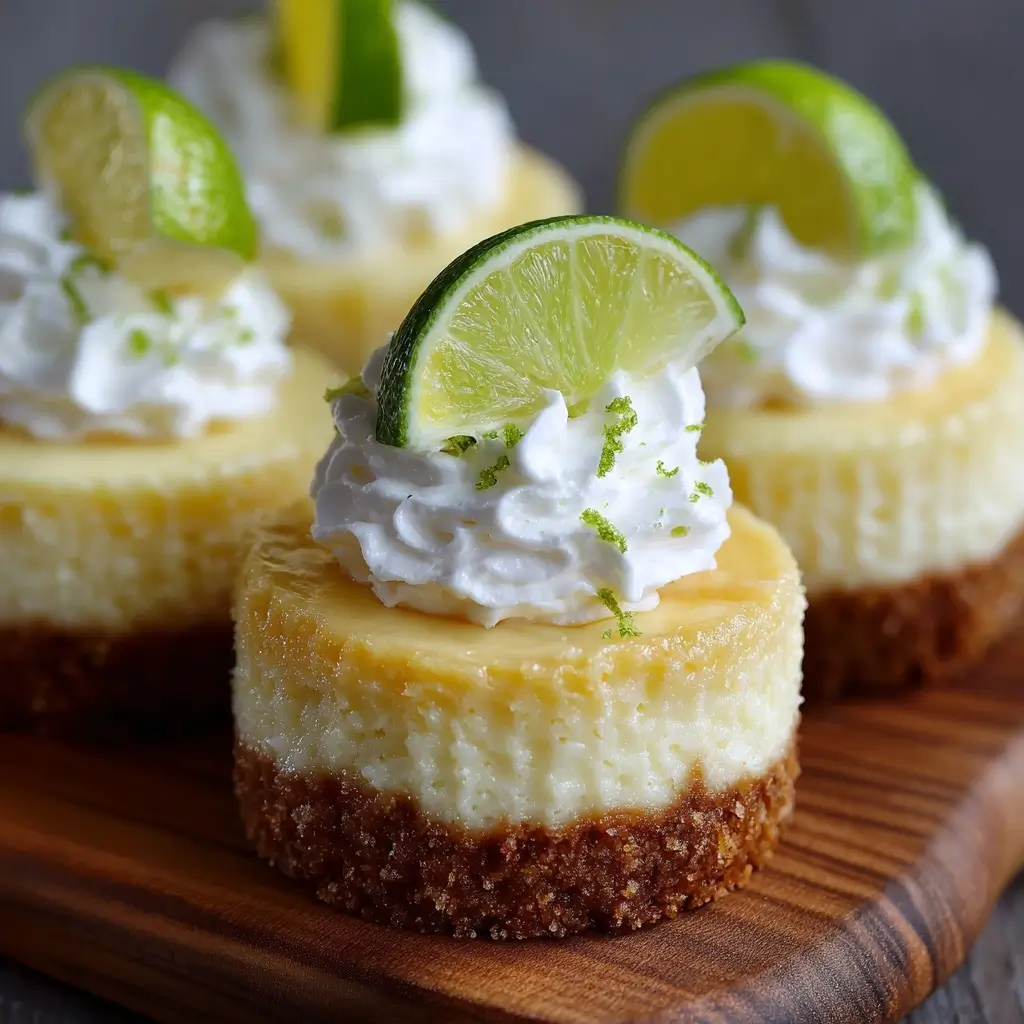
Optional garnishes include whipped cream, additional lime zest, thin lime slices, or even a drizzle of white chocolate for an elegant finish.
Step-by-Step Recipe
Follow these detailed instructions to bake flawless mini Key lime cheesecakes every time:
- Preheat Oven & Prepare Pan: Preheat your oven to 325°F (163°C). Line a standard 12-cup muffin tin with parchment paper liners or silicone cupcake molds. Parchment allows for easy removal after baking, while silicone molds are reusable and non-stick.
- Make the Crust: In a medium bowl, combine 1 ½ cups graham cracker crumbs, ¼ cup granulated sugar, and ⅓ cup melted unsalted butter. Mix until the crumbs are evenly moistened and resemble wet sand. Press about 1–2 tablespoons of the mixture firmly into the bottom of each liner using the back of a spoon or a small tamper. Bake the crusts for 8 minutes, then remove and let cool slightly while you prepare the filling.
- Prepare Filling: In a large mixing bowl, beat 16 oz (2 packages) of softened cream cheese with an electric mixer on medium speed until smooth and creamy, about 2 minutes. Scrape down the sides as needed.
- Add Sugar and Flavorings: Gradually add ⅔ cup granulated sugar and continue beating until fully incorporated. Add 1 teaspoon vanilla extract and mix well.
- Incorporate Eggs: Add 2 large room-temperature eggs one at a time, mixing just until each is blended in. Overmixing at this stage can incorporate too much air, leading to cracks during baking.
- Add Sour Cream and Lime: Stir in ¼ cup full-fat sour cream (or heavy cream), followed by ⅓ cup freshly squeezed Key lime juice and 1 tablespoon finely grated Key lime zest. Mix gently until the batter is uniform and smooth.
- Fill Molds: Carefully pour the filling over the pre-baked crusts, filling each cup about ¾ full to prevent overflow.
- Bake: Place the muffin tin in the center of the oven and bake for 18–22 minutes. The cheesecakes are done when the edges are set but the centers still have a slight jiggle—like gelatin—when gently shaken.
- Cool Gradually: Turn off the oven, crack the door open slightly, and let the cheesecakes cool inside for 30 minutes. This gradual cooling prevents sudden temperature changes that cause cracking.
- Chill Thoroughly: Remove from the oven and let cool completely at room temperature for another hour. Then cover lightly and refrigerate for at least 4 hours, preferably overnight, to allow the texture to fully set.
- Unmold and Serve: Gently peel away parchment liners or pop out of silicone molds. Top with whipped cream and a sprinkle of lime zest before serving.
Tips for Perfect Mini Key Lime Cheesecakes
- Use Room-Temperature Ingredients: Cold cream cheese and eggs lead to lumpy batter. Let all dairy sit out for 1–2 hours before starting.
- Don’t Overmix: Once eggs are added, mix only until combined. Excess whipping introduces air, which expands during baking and collapses upon cooling—causing cracks.
- Watch Baking Time Closely: Mini cheesecakes bake faster than full-sized ones. Start checking at 18 minutes. They should spring back lightly when touched and have a subtle wobble in the center.
- Water Bath Alternative: While traditional cheesecakes often use a water bath (bain-marie), mini versions usually don’t require one due to their small size and even heat distribution. However, placing a shallow pan of water on the lower rack can add humidity and reduce cracking.
- Avoid Soggy Crusts: Pre-baking the crust ensures it stays crisp rather than absorbing moisture from the filling.
- Peel Liners Carefully: If using parchment, run a thin knife around the edge before peeling to avoid tearing the sides.
- Freeze for Make-Ahead Convenience: These cheesecakes freeze beautifully. Wrap individually in plastic wrap and store in an airtight container for up to 2 months. Thaw in the fridge overnight.
- Uniform Scooping: Use a cookie scoop or ice cream scoop to dispense equal amounts of filling for consistency in appearance and baking time.
Variations and Customizations
One of the joys of mini Key lime cheesecakes is their versatility. Here are creative ways to customize them:
- No-Bake Version: Replace eggs with unflavored gelatin or use a combination of cream cheese, whipped cream, sweetened condensed milk, and lime juice. Chill until firm—ideal for no-oven days.
- Gluten-Free Option: Swap graham crackers with gluten-free cookies like Schär’s digestive biscuits or almond flour mixed with coconut oil and sugar.
- Dairy-Free/Vegan Cheesecakes: Use cashew or coconut milk-based cream cheese alternatives, full-fat coconut cream, and agar-agar instead of gelatin. Sweeten with maple syrup or agave.
- Crust Variations: Try chocolate cookie crumbs, ginger snaps, shortbread, or crushed pretzels for a sweet-salty twist.
- Lime Alternatives: No Key limes? Use Persian limes, Meyer lemons (for a sweeter profile), or a blend of lemon and regular lime juice.
- Flavor Infusions: Add a few drops of coconut extract for a tropical flair, or fold in toasted coconut flakes into the crust or topping.
- Boozy Twist: Add 1–2 tablespoons of rum (such as dark Jamaican rum) to the filling for an adult version reminiscent of a Key lime martini.
- Decorative Toppings: Pipe on stabilized whipped cream rosettes, top with candied lime slices, drizzle with white chocolate, or dust with edible gold powder for special occasions.
- Mini Mason Jar Desserts: Layer crust, filling, and whipped cream in small glass jars for a portable, rustic-chic presentation.
- Seasonal Themes: For holidays, add red berries for Christmas, pastel sprinkles for Easter, or edible flowers for springtime brunches.
Health Considerations and Nutritional Value
While undeniably delicious, mini Key lime cheesecakes are a dessert best enjoyed in moderation. Understanding their nutritional content helps in making informed choices:
Nutrition Facts (Per Serving – Approximate):
Calories: 220–260
Total Fat: 16–19g (Saturated Fat: 9–11g)
Cholesterol: 60–70mg
Sodium: 180–220mg
Total Carbohydrates: 18–22g (Sugars: 14–17g)
Protein: 3–4g
Key Considerations:
- Sugar Content: Contains significant added sugar from both the crust and filling. Those managing blood sugar levels or following low-glycemic diets should consume sparingly or explore reduced-sugar versions using monk fruit or erythritol blends.
- Saturated Fat: Primarily from cream cheese, butter, and egg yolks. Heart-conscious individuals may opt for low-fat dairy alternatives, though this can affect texture and taste.
- Dairy Sensitivity: Not suitable for lactose-intolerant or dairy-allergic individuals unless modified with plant-based substitutes.
- Eggs: Essential for structure. Not appropriate for raw egg-sensitive populations unless fully baked and handled safely.
- Portion Control: The mini format naturally limits serving size, making it easier to enjoy without overindulging compared to full-sized cheesecakes.
- Vitamins & Antioxidants: Fresh lime juice contributes vitamin C and antioxidants, offering minor immune support and aiding iron absorption from other foods.
To make healthier versions:
- Use Neufchâtel cheese (one-third less fat than cream cheese).
- Reduce sugar by 25% and compensate with vanilla or citrus zest.
- Choose whole-grain graham crackers or oats for added fiber.
- Top with fresh fruit instead of whipped cream.
Ingredients
- 1 ½ cups graham cracker crumbs (about 10 full sheets)
- ¼ cup granulated sugar (plus extra for filling)
- ⅓ cup unsalted butter, melted
- 16 oz (2 packages) full-fat cream cheese, softened
- ⅔ cup granulated sugar
- 2 large eggs, room temperature
- ¼ cup full-fat sour cream (or heavy cream)
- ⅓ cup freshly squeezed Key lime juice (about 12–15 Key limes)
- 1 tablespoon Key lime zest
- 1 teaspoon pure vanilla extract
- Parchment cupcake liners or silicone molds
- Whipped cream and extra lime zest for garnish (optional)
Directions
- Preheat oven to 325°F (163°C). Line a 12-cup muffin tin with parchment liners or silicone molds.
- In a bowl, mix graham cracker crumbs, ¼ cup sugar, and melted butter until combined. Press 1–2 tablespoons into each cup to form a firm crust.
- Bake crusts for 8 minutes. Remove and let cool slightly.
- In a large bowl, beat softened cream cheese on medium speed until smooth (~2 minutes).
- Add ⅔ cup sugar gradually, then mix in vanilla extract.
- Add eggs one at a time, mixing just until incorporated after each.
- Blend in sour cream, followed by Key lime juice, and finally lime zest. Mix gently until smooth.
- Pour filling evenly over pre-baked crusts, filling each about ¾ full.
- Bake for 18–22 minutes until edges are set and centers slightly jiggle.
- Turn off oven, open door, and let cool inside for 30 minutes.
- Transfer to counter to cool completely (~1 hour), then refrigerate for at least 4 hours or overnight.
- Remove from liners carefully. Garnish with whipped cream and lime zest before serving.
FAQ
Can I use bottled Key lime juice?
Yes, though fresh juice offers brighter, more complex flavor. Look for 100% pure Key lime juice without additives for best results.
Why did my mini cheesecakes crack?
Cracking is usually caused by overmixing, rapid temperature changes, or overbaking. Cool them gradually in the turned-off oven to minimize stress on the surface.
How long do they last in the fridge?
Up to 5 days when stored in an airtight container. They maintain quality and flavor best within the first 3 days.
Can I freeze mini Key lime cheesecakes?
Absolutely! Freeze unfrosted cheesecakes on a tray until solid, then wrap individually in plastic and place in a freezer-safe container. Thaw in the refrigerator overnight.
What can I use instead of graham crackers?
Vanilla wafers, digestive biscuits, shortbread, or gluten-free cookies work well. Adjust butter quantity based on how dry the crumbs are.
Are these safe for pregnant women?
Yes, as long as the cheesecakes are fully baked and eggs are cooked through. Avoid raw or undercooked versions.
Can I make them ahead of time?
Yes—they actually taste better after chilling overnight. Prepare up to 2 days in advance and add toppings just before serving.
Why use sour cream instead of Greek yogurt?
Sour cream has a higher fat content and milder tang, contributing to a richer mouthfeel. Greek yogurt can be used but may make the texture slightly denser and more acidic.
Summary
Mini Key lime cheesecakes combine the bright, tangy essence of Key limes with the luxuriously creamy texture of cheesecake, all in a convenient, single-serving size. Perfect for entertaining or indulging in a personal treat, they deliver big flavor in a petite package.
With a buttery graham cracker crust, velvety filling, and refreshing citrus punch, these mini delights are a must-have dessert for any season—especially when made with love and a squeeze of sunshine.