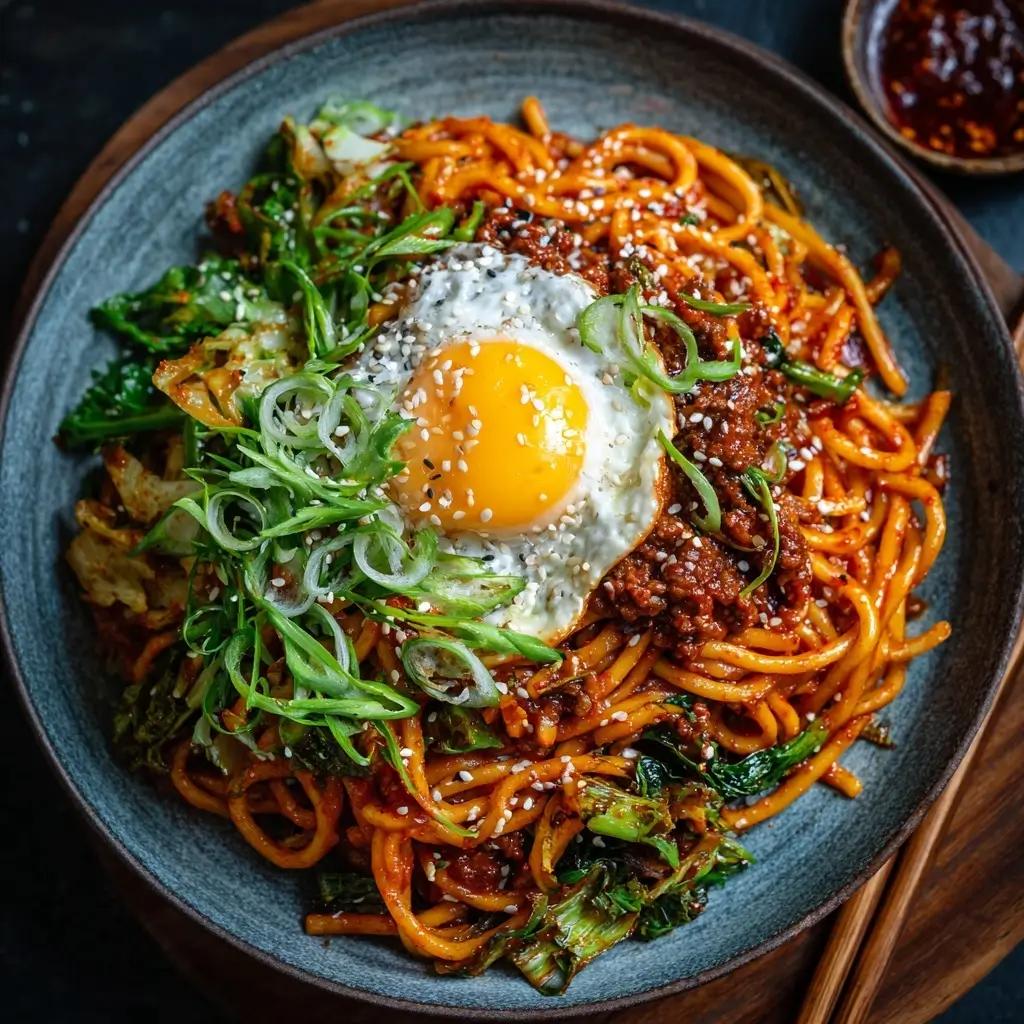
Spicy Gochujang Noodles: A Flavor-Packed Korean-Inspired Delight
If you’re craving a dish that delivers bold, spicy, savory, and slightly sweet flavors all in one bite, look no further than Spicy Gochujang Noodles. This modern fusion dish has taken the culinary world by storm, blending traditional Korean ingredients with global noodle traditions to create something truly addictive. Whether you’re cooking for yourself on a busy weeknight or impressing guests with minimal effort, these vibrant, umami-rich noodles are guaranteed to satisfy your cravings and awaken your taste buds.
The History of Gochujang and Its Culinary Evolution
Gochujang, Korea’s beloved fermented red chili paste, has been a staple in Korean households for over 1,500 years. Originating during the Three Kingdoms period, it was initially reserved for royalty due to its complex fermentation process involving glutinous rice, fermented soybeans, salt, and red chili powder. Over centuries, gochujang became accessible to the general population and found its way into countless dishes—from stews like jjigae to marinades for bibimbap and bulgogi.
While traditional Korean cuisine features gochujang prominently, the concept of “Spicy Gochujang Noodles” as we know it today is a relatively modern innovation. As Korean food gained international popularity—especially through K-pop culture, Korean dramas, and viral TikTok recipes—home cooks and chefs began experimenting with incorporating gochujang into non-traditional formats. The result? Fusion dishes like Spicy Gochujang Noodles, which blend the deep, spicy-sweet heat of gochujang with wheat or ramen noodles, often enhanced with garlic, sesame oil, soy sauce, and fresh vegetables.
This dish reflects the broader trend of global flavor fusion, where traditional ingredients are reimagined in fast, accessible meals. It’s now a favorite among foodies, meal-preppers, and spice lovers alike, symbolizing how ancient ingredients can find new life in contemporary kitchens worldwide.
Ingredients Breakdown: What Makes These Noodles So Irresistible?
The magic of Spicy Gochujang Noodles lies in its balance of flavors and textures. Each ingredient plays a crucial role in building layers of umami, heat, sweetness, acidity, and aroma. Here’s a detailed breakdown:
- Gochujang (Korean Red Chili Paste): The star of the show. This thick, fermented paste brings a deep, spicy-sweet complexity with a hint of smokiness. Its fermentation gives it a rich umami backbone that elevates the entire dish.
- Noodles: Traditionally, Korean jjolmyeon (chewy wheat noodles) are used, but you can substitute with ramen, udon, soba, or even spaghetti. The key is choosing a noodle that holds up to bold sauces without becoming mushy.
- Soy Sauce: Adds saltiness and depth. Use regular or reduced-sodium depending on preference. For a richer flavor, try gaeguk ganjang (soup soy sauce), or for color and sweetness, opt for joan jang (dark soy sauce).
- Sesame Oil: Imparts a nutty, aromatic finish. Always use toasted sesame oil for maximum flavor. A little goes a long way!
- Rice Vinegar or Apple Cider Vinegar: Adds brightness and cuts through the richness of the gochujang. Balances the sweetness and enhances overall flavor complexity.
- Garlic and Ginger: Freshly minced or grated, they provide pungency and warmth, forming the aromatic base of the sauce.
- Honey or Sugar: Counteracts the heat and saltiness. Honey adds floral notes, while brown sugar lends molasses-like depth. Maple syrup works well for a vegan option.
- Vegetable or Chicken Broth: Thins the sauce to the right consistency so it coats every strand evenly. You can also use water in a pinch.
- Vegetables: Common additions include sliced bell peppers, shredded carrots, scallions, spinach, mushrooms, or bean sprouts. They add crunch, color, and nutrition.
- Protein Options: Tofu, tempeh, grilled chicken, bulgogi beef, shrimp, or a fried egg make excellent additions for heartier meals.
- Garnishes: Toasted sesame seeds, chopped cilantro, nori flakes, pickled radish, kimchi, or green onions enhance texture and visual appeal.
Step-by-Step Recipe: How to Make Spicy Gochujang Noodles at Home
Ready to make restaurant-quality Spicy Gochujang Noodles in under 30 minutes? Follow this foolproof guide:
- Cook the Noodles: Bring a large pot of salted water to a boil. Add your choice of noodles (8 oz / 225g) and cook according to package instructions until al dente. Reserve ½ cup of starchy pasta water before draining. Rinse briefly under cold water if serving cold, or toss with a drop of oil to prevent sticking.
- Prepare the Sauce: In a mixing bowl, whisk together:
- 3–4 tbsp gochujang (adjust for spice level)
- 2 tbsp soy sauce
- 1 tbsp toasted sesame oil
- 1 tbsp rice vinegar
- 1 tbsp honey or sugar
- 2 cloves garlic, minced
- 1 tsp fresh ginger, grated
- ¼ cup vegetable broth or reserved noodle water
Mix until smooth and glossy. Taste and adjust—add more honey for sweetness, vinegar for tang, or broth to thin.
- Sauté the Vegetables: Heat 1 tbsp oil in a large skillet or wok over medium-high heat. Add sliced bell peppers, carrots, mushrooms, or any preferred veggies. Stir-fry for 3–5 minutes until crisp-tender. Add a splash of soy sauce or garlic for extra flavor.
- Combine Everything: Return the drained noodles to the pot or add them to the skillet with the vegetables. Pour in the gochujang sauce. Toss vigorously using tongs or two forks to coat evenly. If the sauce is too thick, gradually add reserved noodle water (1–2 tbsp at a time) until silky and cohesive.
- Add Protein (Optional): Stir in pre-cooked protein like pan-seared tofu, grilled chicken, or a soft-boiled egg. Let everything warm through for 1–2 minutes.
- Finish and Serve: Remove from heat. Drizzle with extra sesame oil, sprinkle with toasted sesame seeds, sliced scallions, and a handful of fresh herbs. Serve immediately while hot and fragrant.
Tips for Perfect Spicy Gochujang Noodles Every Time
- Taste as You Go: Gochujang brands vary widely in heat and sweetness. Always taste your sauce before adding it to the noodles and adjust accordingly.
- Don’t Skip the Starchy Water: The starch helps the sauce cling to the noodles, creating a restaurant-quality glossy finish.
- Bloom the Gochujang: For deeper flavor, sauté the gochujang with garlic and ginger in oil for 30 seconds before adding liquids. This unlocks its full aroma and reduces raw edge.
- Balance Is Key: Aim for harmony between spicy, sweet, salty, sour, and umami. If it’s too spicy, add more honey. Too sweet? A splash of vinegar. Too thick? More broth.
- Use Fresh Aromatics: Pre-minced garlic or powdered ginger won’t deliver the same punch. Fresh is best here.
- Meal Prep Friendly: The sauce can be made ahead and stored in the fridge for up to 2 weeks. Cook noodles fresh when ready to serve.
- Texture Matters: Undercook noodles slightly if planning to stir-fry—they’ll finish cooking in the pan without turning soggy.
Variations and Customizations: Make It Your Own
One of the greatest strengths of Spicy Gochujang Noodles is their versatility. Here are some creative twists to suit different tastes and diets:
- Vegan & Plant-Based: Use maple syrup instead of honey, and pair with tofu, tempeh, or roasted vegetables. Top with kimchi (check for fish-free versions) and crushed peanuts.
- Low-Carb/Keto Option: Substitute noodles with spiralized zucchini (zoodles), shirataki noodles, or kelp noodles. Increase healthy fats with avocado slices or tahini in the sauce.
- Seafood Lover’s Version: Add sautéed shrimp, scallops, or flaked salmon. Finish with a squeeze of lime and cilantro for freshness.
- Korean BBQ Fusion: Top with leftover bulgogi or dakgangjeong (Korean fried chicken). Add pickled onions and sesame oil drizzle.
- Cold Noodle Style (Bibim Guksu Inspired): Chill cooked noodles and serve with cold gochujang sauce. Add cucumber ribbons, hard-boiled egg, and gochugaru (red pepper flakes) for extra heat.
- Extra Creamy Version: Stir in 1–2 tbsp of creamy peanut butter or coconut milk for a luscious, velvety texture.
- Gluten-Free: Use tamari instead of soy sauce and choose gluten-free noodles like rice vermicelli, buckwheat soba (check label), or mung bean noodles.
- Spice Level Control: For mild version, mix gochujang with tomato paste or miso. For fiery heat, add gochugaru, sriracha, or a dash of chili oil.
Health Considerations and Nutritional Value
When prepared mindfully, Spicy Gochujang Noodles can be a nutritious and satisfying meal. Here’s a breakdown of health aspects:
- Gochujang Benefits: Fermented foods like gochujang contain beneficial probiotics that support gut health. Capsaicin in chili peppers may boost metabolism and reduce inflammation.
- Protein Power: Adding tofu, eggs, or lean meat increases satiety and supports muscle repair. One serving with added protein can provide 15–25g of protein.
- Fiber-Rich Veggies: Load up on colorful vegetables to increase fiber, vitamins (A, C, K), and antioxidants. Fiber aids digestion and promotes fullness.
- Watch Sodium Levels: Gochujang and soy sauce are high in sodium. To reduce intake, use low-sodium soy sauce, dilute the sauce with more broth, or increase vegetables to stretch the portion.
- Calorie Awareness: Depending on ingredients, a serving ranges from 400–700 calories. Use less oil, skip sugary additives, and bulk up with veggies to keep it light.
- Carbohydrate Content: Traditional noodles are high in carbs. Opt for whole grain, legume-based (e.g., lentil or chickpea pasta), or low-carb alternatives for better blood sugar control.
- Allergens: Contains soy and gluten (unless substituted). Sesame is a common allergen—omit or replace with sunflower seeds if needed.
Nutritional Estimate (per serving, with ramen noodles, tofu, and mixed vegetables):
Calories: ~520 | Protein: 18g | Carbs: 75g | Fat: 18g | Fiber: 6g | Sugar: 12g | Sodium: 900mg
Ingredients
- 8 oz (225g) noodles (ramen, udon, or spaghetti)
- 3–4 tbsp gochujang (Korean red chili paste)
- 2 tbsp soy sauce (or tamari for gluten-free)
- 1 tbsp toasted sesame oil
- 1 tbsp rice vinegar (or apple cider vinegar)
- 1 tbsp honey (or maple syrup for vegan)
- 2 cloves garlic, minced
- 1 tsp fresh ginger, grated
- ¼ cup vegetable broth or reserved noodle water
- 1 tbsp neutral oil (like canola or avocado)
- 1 cup mixed vegetables (bell peppers, carrots, mushrooms, spinach)
- Optional protein: 1 cup tofu, chicken, shrimp, or fried egg
- Garnishes: sliced scallions, toasted sesame seeds, cilantro, kimchi, nori
Directions
- Boil noodles in salted water until al dente. Drain, reserve ½ cup starchy water, and set aside.
- In a bowl, whisk gochujang, soy sauce, sesame oil, vinegar, honey, garlic, ginger, and broth until smooth. Adjust thickness with reserved water.
- Heat oil in a large skillet over medium-high. Add vegetables and stir-fry for 4–5 minutes until tender-crisp.
- Add cooked noodles and sauce to the skillet. Toss well to coat, adding reserved water as needed for desired consistency.
- Stir in protein and heat through for 1–2 minutes.
- Remove from heat. Garnish generously and serve immediately.
FAQ
Q: Can I make Spicy Gochujang Noodles without gochujang?
A: While gochujang is essential for authentic flavor, you can create a substitute using 1 tbsp red miso + 1 tsp sriracha + ½ tsp smoked paprika + 1 tsp sugar. It won’t be identical but will offer a similar umami-spicy profile.
Q: Where can I buy gochujang?
A: Look for it in the international aisle of most supermarkets, Asian grocery stores, or online. Popular brands include Chung Jung One, Sempio, and Mother-in-Law’s.
Q: How long do leftovers last?
A: Store in an airtight container in the fridge for up to 3 days. Reheat with a splash of water or broth to revive the sauce. Note: texture may soften over time.
Q: Are these noodles spicy?
A: Yes, but you can control the heat. Start with 1–2 tbsp gochujang and increase gradually. Remember, the sweetness and fat help mellow the burn.
Q: Can I freeze the sauce?
A: Yes! Freeze gochujang sauce in ice cube trays for up to 3 months. Thaw and use directly in future noodle dishes.
Q: Why is my sauce too thick or clumpy?
A: Gochujang is dense. Always dilute with liquid (broth, water, vinegar) and whisk thoroughly. Heating it gently with oil also helps emulsify.
Summary
Spicy Gochujang Noodles are a vibrant, flavor-forward dish that combines Korea’s iconic fermented chili paste with chewy noodles, fresh vegetables, and customizable proteins for a meal that’s as nutritious as it is delicious. With its perfect balance of heat, sweetness, and umami, this easy-to-make recipe brings restaurant-quality taste to your home kitchen in under 30 minutes.