Introduction
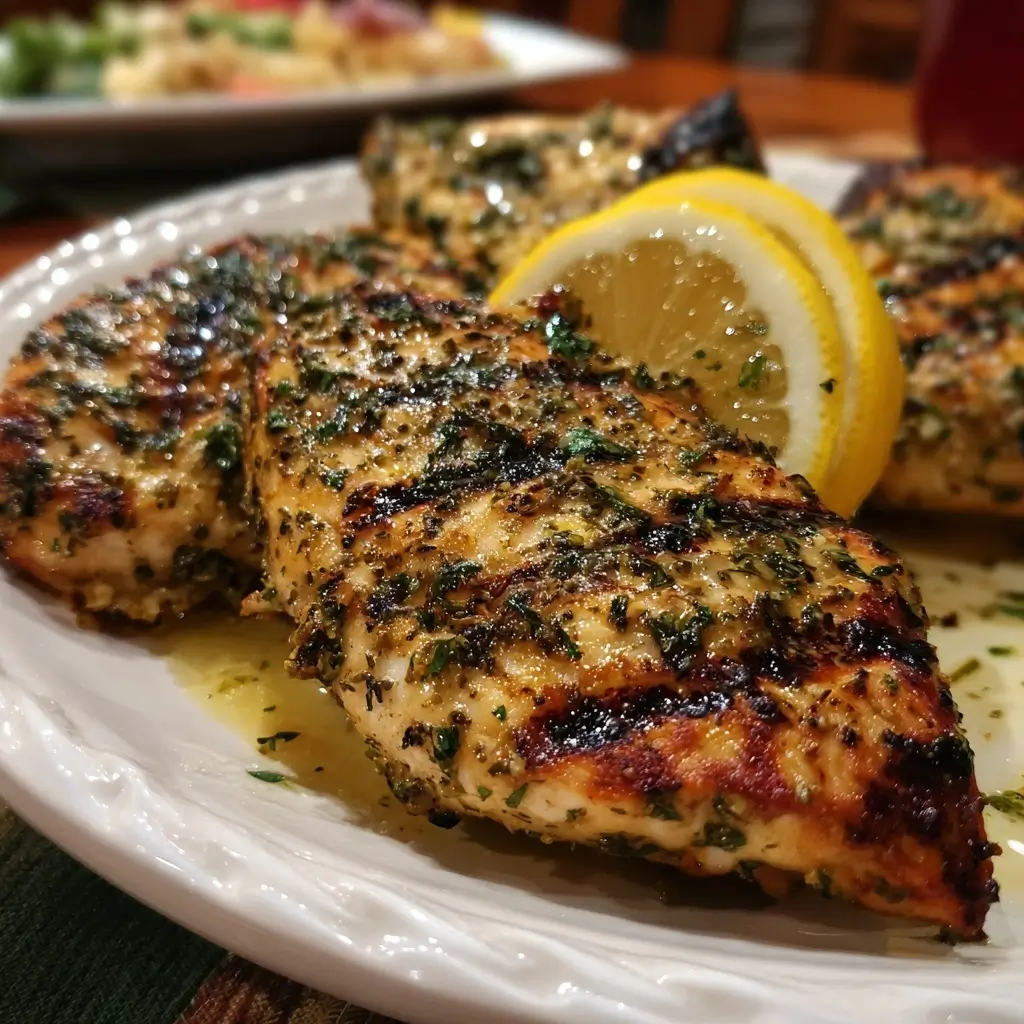
Lemon Herb Grilled Chicken is a culinary masterpiece that brings together the bright, tangy notes of lemon with the earthy, aromatic essence of fresh herbs to create a dish that’s both refreshing and deeply satisfying. Whether you’re preparing a weeknight dinner or hosting a summer barbecue, this grilled chicken recipe delivers bold flavor, tender texture, and a healthy balance that appeals to food lovers of all ages. With its golden-brown sear, juicy interior, and zesty fragrance, Lemon Herb Grilled Chicken is more than just a meal—it’s an experience that celebrates simplicity, freshness, and the joy of outdoor cooking.
The History
The origins of grilled chicken seasoned with lemon and herbs trace back centuries across Mediterranean and Middle Eastern cuisines, where grilling over open flames was not only a practical cooking method but also a cultural tradition. In ancient Greece, for example, skewered meats known as “kotos souvlaki” were often marinated in olive oil, lemon juice, and oregano before being cooked over hot coals—a technique still used today. Similarly, in regions like Lebanon and Turkey, variations of grilled poultry are frequently prepared with citrus, garlic, and a medley of local herbs such as parsley, mint, and thyme.
As global trade expanded access to ingredients like lemons and aromatic herbs, these flavors spread throughout Europe and later influenced American backyard grilling culture. By the 20th century, especially during the post-war era when gas grills became household staples in the United States, recipes combining citrus and herbs with grilled proteins gained widespread popularity. Today, Lemon Herb Grilled Chicken stands as a symbol of fusion—honoring old-world techniques while embracing modern tastes and convenience. It reflects a timeless approach to cooking: enhance natural flavors with minimal intervention and let high-quality ingredients shine.
Ingredients Breakdown
Creating the perfect Lemon Herb Grilled Chicken starts with selecting premium, fresh ingredients. Each component plays a vital role in building layers of flavor, moisture, and aroma:
- Chicken (Boneless, Skinless Breasts or Thighs): The star of the dish. Breasts yield a leaner result with a firm texture, while thighs offer more fat, leading to juicier, more flavorful meat. You can use either depending on your preference.
- Fresh Lemons: Two types of lemon components are used—zest and juice. Zest contains essential oils bursting with citrus fragrance, while the juice provides acidity that tenderizes the chicken and balances richness.
- Fresh Herbs: A combination of parsley, rosemary, thyme, and optionally basil or oregano adds complexity. Parsley brings freshness, rosemary offers pine-like depth, and thyme contributes a subtle floral note.
- Garlic: Minced fresh garlic infuses the marinade with pungency and warmth, enhancing savory undertones without overpowering other elements.
- Olive Oil: Extra virgin olive oil binds the ingredients, carries flavor, helps form a protective layer during grilling, and contributes heart-healthy monounsaturated fats.
- Salt and Black Pepper: Essential seasonings that amplify all other flavors and ensure balanced seasoning from surface to core.
- Honey or Maple Syrup (optional): A touch of sweetness counteracts the tartness of lemon and promotes caramelization on the grill for a beautifully charred exterior.
- Red Pepper Flakes (optional): For those who enjoy a hint of heat, crushed red pepper flakes add a gentle kick that complements the brightness of the citrus.
Using fresh ingredients wherever possible—especially herbs and lemon—is key. Bottled lemon juice and dried herbs may work in a pinch, but they lack the vibrancy and complexity of their fresh counterparts.
Step-by-Step Recipe
- Prepare the Marinade: In a medium mixing bowl, combine the juice of two large lemons (about 1/3 cup), 2 tablespoons of finely grated lemon zest, 1/4 cup extra virgin olive oil, 4 cloves of minced garlic, 1 tablespoon chopped fresh rosemary, 2 tablespoons chopped fresh thyme, 1/4 cup chopped fresh parsley, 1 teaspoon salt, 1/2 teaspoon black pepper, and optional additions like 1 tablespoon honey and 1/4 teaspoon red pepper flakes. Whisk vigorously until emulsified.
- Prepare the Chicken: If using chicken breasts, consider pounding them to an even thickness (about 3/4 inch) to ensure uniform cooking. Trim excess fat and pat dry with paper towels to help the marinade adhere better.
- Marinate the Chicken: Place the chicken pieces in a resealable plastic bag or shallow glass dish. Pour the marinade over the chicken, ensuring each piece is fully coated. Seal or cover and refrigerate for at least 30 minutes, though ideally 2 to 6 hours. Avoid marinating longer than 8 hours, as the acid in lemon juice can begin to break down the proteins excessively, resulting in a mushy texture.
- Preheat the Grill: About 15–20 minutes before grilling, preheat your grill to medium-high heat (approximately 375°F to 400°F). Clean the grates thoroughly and lightly oil them using tongs and a folded paper towel dipped in vegetable oil to prevent sticking.
- Remove and Pat Dry: Take the chicken out of the refrigerator 15 minutes before grilling to bring it closer to room temperature, which promotes even cooking. Remove from the marinade and gently pat the surface dry with paper towels—this step is crucial for achieving a good sear.
- Grill the Chicken: Place the chicken on the hot grill at a 45-degree angle to the grates for attractive grill marks. Close the lid and cook for 5–7 minutes per side, depending on thickness. Avoid pressing down on the chicken, as this forces out juices. Flip only once when the bottom releases easily. Internal temperature should reach 165°F when measured with a meat thermometer inserted into the thickest part.
- Rest Before Serving: Transfer the grilled chicken to a clean plate, tent loosely with foil, and let rest for 5–10 minutes. This allows the juices to redistribute, ensuring moist, tender meat.
- Garnish and Serve: Squeeze a little extra fresh lemon juice over the top and sprinkle with additional chopped herbs for a burst of color and aroma. Serve immediately.
Tips
- Don’t Over-Marinate: While it might seem beneficial to marinate overnight, the citric acid in lemon juice begins to denature the proteins too much beyond 8 hours, potentially turning the outer layer of chicken mealy or chalky.
- Use a Meat Thermometer: Guessing doneness leads to dry chicken. Insert a digital thermometer into the thickest section—avoid touching bone if using bone-in cuts—to confirm 165°F.
- Keep the Grill Lid Closed: Especially during the first few minutes of grilling, resist the urge to peek. Keeping the lid closed traps heat and smoke, creating a convection effect that cooks the chicken evenly and locks in moisture.
- Let It Rest: Skipping the resting phase causes juices to spill out when sliced, leaving the meat dry. Even a short 5-minute rest makes a noticeable difference.
- Baste Midway (Optional): For added shine and flavor, brush reserved (not used) marinade during the last few minutes of grilling. Ensure any basting liquid has not come into contact with raw chicken unless boiled first.
- Chill Your Tools: When zesting lemons, chill them in the freezer for 10–15 minutes first; cold lemons grate more finely and release less bitter white pith.
- Double the Marinade: Make extra marinade and set aside a portion before adding chicken—this can be used as a finishing sauce or drizzle after cooking.
Variations and Customizations
Lemon Herb Grilled Chicken is wonderfully adaptable to different palates, dietary needs, and cultural influences. Here are several creative twists:
- Mediterranean Style: Add crumbled feta cheese, kalamata olives, diced tomatoes, and cucumber slices on the side. Serve over Greek-style salad or couscous.
- Italian-Inspired: Incorporate sun-dried tomatoes, capers, and a splash of balsamic vinegar into the marinade. Garnish with fresh basil and shaved Parmesan.
- Asian Fusion: Replace half the lemon juice with yuzu or rice vinegar, add grated ginger, soy sauce, and sesame oil. Finish with toasted sesame seeds and green onions.
- Cajun Twist: Keep the lemon base but add Cajun seasoning, smoked paprika, and a dash of cayenne. Pairs well with grilled corn and dirty rice.
- Dairy-Free Creamy Sauce: Blend soaked cashews with lemon juice, water, garlic, and herbs for a rich, creamy drizzle that enhances the dish without dairy.
- Skewers (Kebabs): Cut chicken into cubes and thread onto skewers alternating with bell peppers, red onion, zucchini, and cherry tomatoes. Baste with marinade while grilling.
- Slow Cooker Option: For indoor cooking, sear chicken first, then transfer to a slow cooker with marinade and cook on low for 4–6 hours. Finish under a broiler for grill-like texture.
- Kid-Friendly Version: Reduce garlic and omit spicy elements. Add a bit more honey to appeal to younger taste buds, and serve with grilled pineapple chunks.
Health Considerations and Nutritional Value
Lemon Herb Grilled Chicken is not only delicious but also nutritionally sound when prepared mindfully. Here’s a breakdown of its health benefits and considerations:
- High-Quality Protein: A 4-ounce serving of grilled chicken breast contains approximately 26–30 grams of protein, supporting muscle repair, satiety, and metabolic function.
- Low in Saturated Fat: Especially when using skinless breasts, this dish is low in unhealthy fats. Olive oil contributes beneficial monounsaturated fats linked to improved heart health.
- Rich in Antioxidants: Fresh herbs like rosemary and thyme contain rosmarinic acid and thymol, compounds with anti-inflammatory and antimicrobial properties.
- Vitamin C Boost: Lemon juice provides about 30–40 mg of vitamin C per serving (depending on quantity), aiding immune function and iron absorption from plant-based foods if served alongside vegetables.
- Digestive Support: Lemon’s citric acid may stimulate digestive enzymes, while herbs like parsley act as natural diuretics and breath fresheners.
- Sodium Awareness: To keep sodium levels in check, reduce added salt or use low-sodium alternatives like lemon pepper seasoning or herb blends.
- Gluten-Free and Keto-Friendly: Naturally free from gluten and low in carbohydrates (unless honey is used generously), making it suitable for gluten-sensitive individuals and those following ketogenic or paleo diets—with modifications as needed.
- Grilling Safety: Be mindful of charring—excessive blackening can produce heterocyclic amines (HCAs), potential carcinogens. Marinating in acidic mixtures with herbs actually reduces HCA formation by up to 90%, according to studies, so this recipe inherently includes protective factors.
A typical serving (4 oz chicken with marinade) contains roughly 180–220 calories, 5–7g fat, 30g protein, and 2–3g carbohydrates (if honey is included).
Ingredients
- 4 boneless, skinless chicken breasts or 6 chicken thighs (about 1.5 to 2 pounds)
- 2 large lemons (zested and juiced)
- 1/4 cup extra virgin olive oil
- 4 cloves garlic, minced
- 1 tablespoon fresh rosemary, finely chopped
- 2 tablespoons fresh thyme leaves
- 1/4 cup fresh parsley, chopped
- 1 teaspoon sea salt
- 1/2 teaspoon freshly ground black pepper
- 1 tablespoon honey or maple syrup (optional)
- 1/4 teaspoon crushed red pepper flakes (optional)
Directions
- In a bowl, whisk together lemon juice, lemon zest, olive oil, minced garlic, rosemary, thyme, parsley, salt, pepper, honey (if using), and red pepper flakes (if using) until well combined.
- Place chicken in a resealable bag or non-reactive dish and pour marinade over it. Seal and refrigerate for 30 minutes to 6 hours.
- Preheat grill to medium-high heat (375°F–400°F). Clean and oil the grates.
- Remove chicken from marinade and pat dry with paper towels.
- Place chicken on the grill and close the lid. Cook for 5–7 minutes per side, flipping once, until internal temperature reaches 165°F.
- Remove from grill, tent with foil, and rest for 5–10 minutes.
- Slice if desired, garnish with fresh herbs and a squeeze of lemon, and serve warm.
FAQ
Can I use bottled lemon juice instead of fresh?
While convenient, bottled lemon juice lacks the bright, nuanced flavor of fresh lemons and may contain preservatives. Freshly squeezed is always recommended for best results.
Can I grill frozen chicken?
It’s not advisable. Frozen chicken won’t marinate properly and will cook unevenly. Always thaw completely in the refrigerator before marinating and grilling.
How do I prevent the chicken from drying out?
Avoid overcooking—use a thermometer. Also, marinating, proper resting time, and choosing chicken thighs (which have more fat) help retain moisture.
Can I bake this instead of grilling?
Yes! Preheat oven to 400°F. Place marinated chicken on a lined baking sheet and bake for 20–25 minutes, or until 165°F. Broil for 2–3 minutes at the end for browning.
Is this recipe safe for meal prep?
Absolutely. Cooked Lemon Herb Grilled Chicken stores well in airtight containers in the fridge for up to 4 days. Reheat gently in a skillet or microwave. Freeze for up to 3 months.
What sides pair well with this dish?
Excellent companions include grilled vegetables, quinoa, wild rice, roasted potatoes, arugula salad with shaved fennel, orzo pasta salad, or hummus with pita.
Summary
Lemon Herb Grilled Chicken is a vibrant, healthy, and versatile dish that combines zesty citrus, fragrant herbs, and perfectly grilled poultry for a meal that delights the senses. Easy to customize and rich in flavor, it’s ideal for everyday dinners, entertaining, or meal prepping with flair.