Introduction
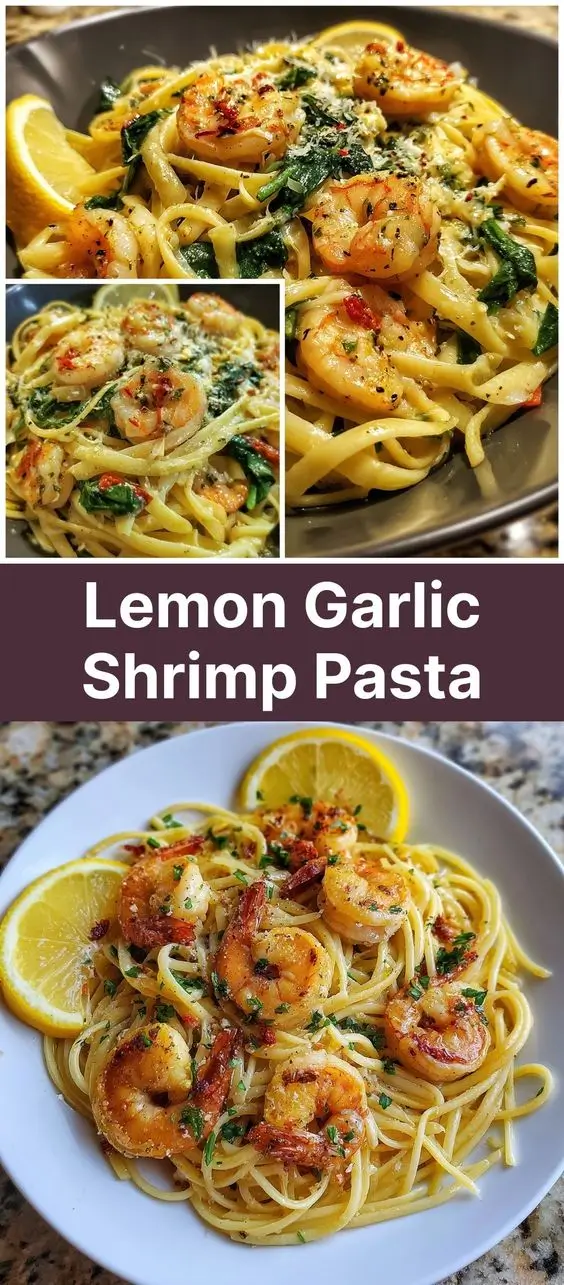
Lemon Garlic Shrimp Pasta is a vibrant, flavorful dish that combines the succulence of tender shrimp with the bright acidity of fresh lemon and the bold punch of garlic. This quick and easy recipe has become a staple in modern home cooking due to its balance of simplicity and gourmet appeal. Whether you’re preparing a weeknight dinner or impressing guests at a casual gathering, this dish delivers restaurant-quality taste without requiring advanced culinary skills. With its golden-brown sautéed shrimp, al dente pasta, and aromatic sauce infused with lemon zest and herbs, every bite offers a symphony of Mediterranean-inspired flavors. The dish is not only delicious but also highly versatile—perfect for customization based on dietary preferences or seasonal ingredients. Light yet satisfying, it pairs beautifully with a crisp green salad or a glass of chilled white wine.
The History
While Lemon Garlic Shrimp Pasta may seem like a contemporary creation popularized by food blogs and social media, its roots trace back to traditional Italian and Mediterranean cuisines where seafood, citrus, and garlic have long been celebrated. Coastal regions of Southern Italy, particularly Sicily and Campania, have historically used abundant local ingredients such as fresh-caught shrimp, lemons from sun-drenched groves, and pungent garlic to create simple yet flavorful dishes. These elements were often combined with pasta—a staple introduced during the Arab influence in Sicily—to feed families with nutritious, accessible meals. Over time, American-Italian fusion cuisine adapted these recipes, incorporating butter, heavy cream, or olive oil-based sauces to suit evolving palates. The modern version of Lemon Garlic Shrimp Pasta gained widespread popularity in the late 20th century as chefs and home cooks alike embraced “quick gourmet” meals. Today, it symbolizes the harmony between rustic tradition and modern convenience, reflecting a global appreciation for fresh, bold flavors prepared with minimal effort.
Ingredients Breakdown
The magic of Lemon Garlic Shrimp Pasta lies in its carefully selected ingredients, each contributing essential flavor, texture, and aroma:
- Fettuccine or Linguine: Long, flat pastas hold creamy or oily sauces well. While fettuccine adds richness, linguine offers a slightly lighter bite. Gluten-free alternatives like brown rice pasta work perfectly for those with sensitivities.
- Shrimp (Prawns): Medium to large-sized, peeled and deveined shrimp are ideal. Fresh is best, but high-quality frozen shrimp work just as well when properly thawed. Their natural sweetness intensifies when seared.
- Fresh Garlic: The cornerstone of the dish’s aroma. Minced finely to distribute evenly, garlic becomes sweet and mellow when sautéed gently—but can turn bitter if burned.
- Lemons: Both juice and zest are used. The juice provides tangy brightness, while the zest contains fragrant oils that elevate the entire dish without adding liquid.
- Olive Oil: Extra virgin olive oil brings fruitiness and depth. It’s used both for sautéing and finishing, enhancing mouthfeel and flavor complexity.
- Butter: Often added alongside olive oil to enrich the sauce, giving it a silky texture and subtle sweetness.
- Dry White Wine: Such as Pinot Grigio or Sauvignon Blanc, deglazes the pan and adds acidity and complexity. It reduces into the sauce, concentrating its flavor.
- Red Pepper Flakes: A pinch introduces gentle heat, balancing the citrus and enhancing other flavors without overwhelming them.
- Fresh Herbs: Parsley is most common—flat-leaf parsley adds freshness and color. Basil or chives can be substituted for different herbal notes.
- Salt and Black Pepper: Essential seasonings to bring out the natural tastes of all components.
- Parmesan Cheese (optional): Though not traditional in seafood pasta in Italy, many American versions include grated Parmesan for umami and creaminess.
- Vegetables (optional add-ins): Spinach, cherry tomatoes, asparagus, or artichoke hearts can increase nutrition and visual appeal.
Step-by-Step Recipe
- Prepare Ingredients: Start by peeling and deveining the shrimp if not already done. Pat them dry with paper towels to ensure proper searing. Mince 4–5 cloves of garlic. Zest one lemon and juice two lemons (about ⅓ cup). Measure out ½ cup of dry white wine, chop ¼ cup of fresh parsley, and grate Parmesan if using.
- Cook the Pasta: Bring a large pot of salted water to a boil (use about 1 tablespoon of salt per quart of water). Add 8 oz (about 225g) of linguine or fettuccine and cook according to package instructions until al dente—usually 8–10 minutes. Reserve 1 cup of pasta water before draining.
- Sear the Shrimp: While the pasta cooks, heat 2 tablespoons of olive oil in a large skillet over medium-high heat. Once shimmering, add the shrimp in a single layer. Season with salt, pepper, and a pinch of red pepper flakes. Cook for 1–2 minutes per side until pink and opaque. Remove shrimp and set aside—do not overcook.
- Sauté the Aromatics: In the same skillet, reduce heat to medium. Add another tablespoon of olive oil and 1 tablespoon of butter. Add minced garlic and sauté for 30–60 seconds until fragrant but not browned. Stir constantly to prevent burning.
- Build the Sauce: Pour in the white wine to deglaze the pan, scraping up any browned bits (these add tremendous flavor). Let the wine simmer and reduce by half—about 2–3 minutes.
- Add Lemon Components: Stir in the lemon juice and zest. Allow the mixture to simmer gently for another minute to meld the flavors. The sauce should be aromatic and slightly acidic.
- Incorporate Pasta: Add the drained pasta directly into the skillet. Toss well to coat every strand with the sauce. If the mixture seems dry, gradually add reserved pasta water, ¼ cup at a time, until the desired consistency is reached.
- Finish with Shrimp and Herbs: Return the cooked shrimp to the pan. Add chopped parsley and stir to combine. Optionally, stir in an additional tablespoon of butter for extra gloss and richness.
- Taste and Adjust: Season with more salt, pepper, lemon juice, or red pepper flakes as needed. The final dish should be bright, savory, and balanced.
- Serve Immediately: Plate the pasta hot, garnished with extra parsley, a lemon wedge, and a sprinkle of Parmesan cheese if desired.
Tips
- Don’t Overcook the Shrimp: Shrimp cook quickly and become rubbery if left too long in heat. Remove them from the pan as soon as they turn pink and opaque.
- Use Fresh Lemon Juice: Bottled lemon juice lacks the bright, clean flavor of freshly squeezed lemons. Always opt for fresh whenever possible.
- Reserve Pasta Water: The starchy liquid helps emulsify the sauce and bind it to the pasta. Never skip this step—it’s key to achieving a restaurant-style finish.
- Control Garlic Burn: Garlic burns easily. Keep the heat at medium and stir constantly when sautéing to avoid bitterness.
- Prep Ahead: Mince garlic, zest and juice lemons, and measure out ingredients before starting. This dish comes together fast, so mise en place is crucial.
- Choose Quality Olive Oil: Since it plays a prominent role in flavor, use a good extra virgin olive oil with a fruity, peppery profile.
- Let Shrimp Come to Room Temperature: Cold shrimp from the fridge may lower the pan temperature and steam instead of sear. Let them sit out for 10–15 minutes before cooking.
- Double the Recipe? Use a larger skillet or work in batches to avoid overcrowding, which leads to steaming rather than browning.
- Finish with Butter: Adding cold butter at the end creates a silky, luxurious sauce through emulsification.
- Serve Right Away: Pasta continues to absorb liquid and shrimp can overcook from residual heat. Serve immediately for best texture.
Variations and Customizations
- Creamy Version: Stir in ¼ to ½ cup of heavy cream or half-and-half after reducing the wine for a richer, velvety sauce.
- Dairy-Free: Skip butter and use only olive oil. Use nutritional yeast instead of Parmesan for a cheesy flavor.
- Spicy Kick: Increase red pepper flakes or add sliced fresh jalapeño or a dash of hot sauce like Calabrian chili paste.
- Herb Swaps: Replace parsley with basil for a summery twist, or tarragon for a more sophisticated, anise-like note.
- Protein Alternatives: Try scallops, chicken, or even chickpeas for a vegetarian take.
- Low-Carb Option: Substitute traditional pasta with zucchini noodles (zoodles), spaghetti squash, or shirataki noodles.
- Tomato Addition: Add halved cherry tomatoes during the last minute of cooking for color, sweetness, and acidity.
- Spinach or Greens: Stir in 2 cups of baby spinach or arugula just before serving—it wilts instantly and boosts nutrition.
- Garlic Lovers’ Edition: Roast a whole head of garlic and mash the soft cloves into the sauce for deep, caramelized garlic flavor.
- Asian Fusion: Swap lemon for lime, add soy sauce, ginger, and sesame oil, and top with green onions and sesame seeds.
- Wine-Free: Replace white wine with low-sodium chicken or vegetable broth mixed with a splash of apple cider vinegar or white wine vinegar.
- Baked Version: Combine everything in an oven-safe dish, top with breadcrumbs and Parmesan, and bake at 375°F (190°C) for 15 minutes for a casserole-style meal.
Health Considerations and Nutritional Value
Lemon Garlic Shrimp Pasta can be part of a balanced diet when prepared with mindful ingredient choices. Here’s a breakdown of its health aspects:
- Shrimp: Low in calories and fat, high in protein. A 3-ounce (85g) serving contains about 84 calories, 18g protein, and is rich in selenium, vitamin B12, iodine, and phosphorus. However, shrimp contain dietary cholesterol (~170mg per serving), though recent research suggests dietary cholesterol has less impact on blood cholesterol than once believed.
- Pasta: Provides carbohydrates for energy. Whole grain or legume-based pastas offer more fiber, vitamins, and sustained energy release compared to refined versions.
- Lemons: Packed with vitamin C—an antioxidant that supports immune function and collagen production. Lemon zest also contains beneficial plant compounds like limonene.
- Garlic: Contains allicin, known for anti-inflammatory and antimicrobial properties. Regular consumption may support heart health and lower blood pressure.
- Olive Oil: A hallmark of the Mediterranean diet, rich in monounsaturated fats and antioxidants. Linked to reduced risk of heart disease and improved cholesterol levels.
- Calorie Count (approximate per serving): A standard portion (with 8oz pasta, 1lb shrimp, olive oil, butter, wine, lemon) ranges from 550–700 calories depending on preparation. Using less oil, skipping butter, and adding vegetables can reduce this significantly.
- Allergens: Contains shellfish (shrimp) and gluten (if using wheat pasta). Dairy is optional. Always inform guests of allergens present.
- Sodium Content: Can vary widely based on added salt, cheese, and broth. Use low-sodium options and season to taste to maintain control.
- Omega-3 Fatty Acids: Shrimp provide some omega-3s, though less than fatty fish like salmon. Pairing with a side salad dressed in flaxseed oil can boost intake.
- Portion Control: This dish is satisfying, so moderate portions paired with a vegetable side dish make for a well-rounded meal.
Ingredients
- 8 oz (225g) linguine or fettuccine (gluten-free if needed)
- 1 lb (450g) large shrimp (peeled, deveined, tails off)
- 4–5 cloves garlic, minced
- Zest of 1 lemon
- Juice of 2 lemons (about ⅓ cup)
- ½ cup dry white wine (e.g., Pinot Grigio, Sauvignon Blanc)
- 3 tbsp extra virgin olive oil (divided)
- 2 tbsp unsalted butter (optional, omit for dairy-free)
- ¼ tsp red pepper flakes (adjust to taste)
- ¼ cup fresh parsley, finely chopped
- Salt and freshly ground black pepper, to taste
- Grated Parmesan cheese, for serving (optional)
- Reserved pasta water (about 1 cup)
Directions
- Bring a large pot of salted water to a boil. Add pasta and cook until al dente. Reserve 1 cup of pasta water, then drain and set aside.
- Pat shrimp dry and season lightly with salt and pepper.
- In a large skillet over medium-high heat, warm 2 tablespoons of olive oil. Add shrimp in a single layer and cook 1–2 minutes per side until pink and opaque. Transfer to a plate and set aside.
- Reduce heat to medium. Add remaining 1 tablespoon olive oil and butter to the skillet. Stir in minced garlic and red pepper flakes; sauté for 30–60 seconds until fragrant.
- Pour in white wine, scraping the bottom of the pan. Simmer 2–3 minutes until reduced by half.
- Stir in lemon juice and zest. Simmer 1 minute more.
- Add cooked pasta to the skillet and toss to coat. Gradually add reserved pasta water as needed to create a glossy sauce.
- Return shrimp to the skillet. Add parsley and toss to combine.
- Optional: Stir in extra butter for richness. Taste and adjust seasoning with salt, pepper, or more lemon juice.
- Serve immediately with extra parsley, lemon wedges, and Parmesan if desired.
FAQ
Can I make Lemon Garlic Shrimp Pasta ahead of time?
It’s best served fresh, but you can prep ingredients in advance. Cooked shrimp reheats poorly, so consider storing components separately and assembling just before serving.
Can I freeze this dish?
Freezing is not recommended—shrimp become tough and rubbery upon reheating, and pasta tends to absorb sauce and turn mushy.
Is this recipe gluten-free?
Yes, if you use gluten-free pasta and verify all other ingredients (like wine and broth) are certified gluten-free.
Can I use pre-cooked shrimp?
You can, but they won’t have the same seared flavor. Add them at the very end just to warm through.
What wine should I use?
Choose a dry, crisp white wine you’d enjoy drinking—Pinot Grigio, Sauvignon Blanc, or Unoaked Chardonnay work well. Avoid “cooking wine” from the supermarket, as it contains added salt and preservatives.
How do I prevent rubbery shrimp?
Avoid overcooking—shrimp cook in under 5 minutes total. Remove them from heat as soon as they turn opaque and form a loose “C” shape. A tight “O” means they’re overdone.
Can I make this vegan?
Yes! Substitute shrimp with marinated tofu, king oyster mushrooms, or artichoke hearts. Use olive oil only and skip cheese or use a vegan alternative.
Why did my sauce break or look greasy?
This happens when fat separates from the liquid. To fix it, slowly whisk in small amounts of warm pasta water to re-emulsify. Finishing with cold butter stirred vigorously helps prevent this.
Can I use bottled lemon juice?
Freshly squeezed lemon juice has superior flavor and aroma. Bottled juice can taste flat or metallic, so it’s not recommended for this recipe.
What sides go well with this dish?
Try a simple arugula salad with lemon vinaigrette, roasted asparagus, garlic bread, or grilled vegetables. A chilled glass of the same white wine used in cooking complements the meal perfectly.
Summary
Lemon Garlic Shrimp Pasta is a zesty, elegant dish that unites plump shrimp, al dente pasta, and a vibrant lemon-garlic sauce in under 30 minutes. Packed with flavor and adaptable to various diets, it’s a go-to recipe for both weeknight dinners and special occasions.