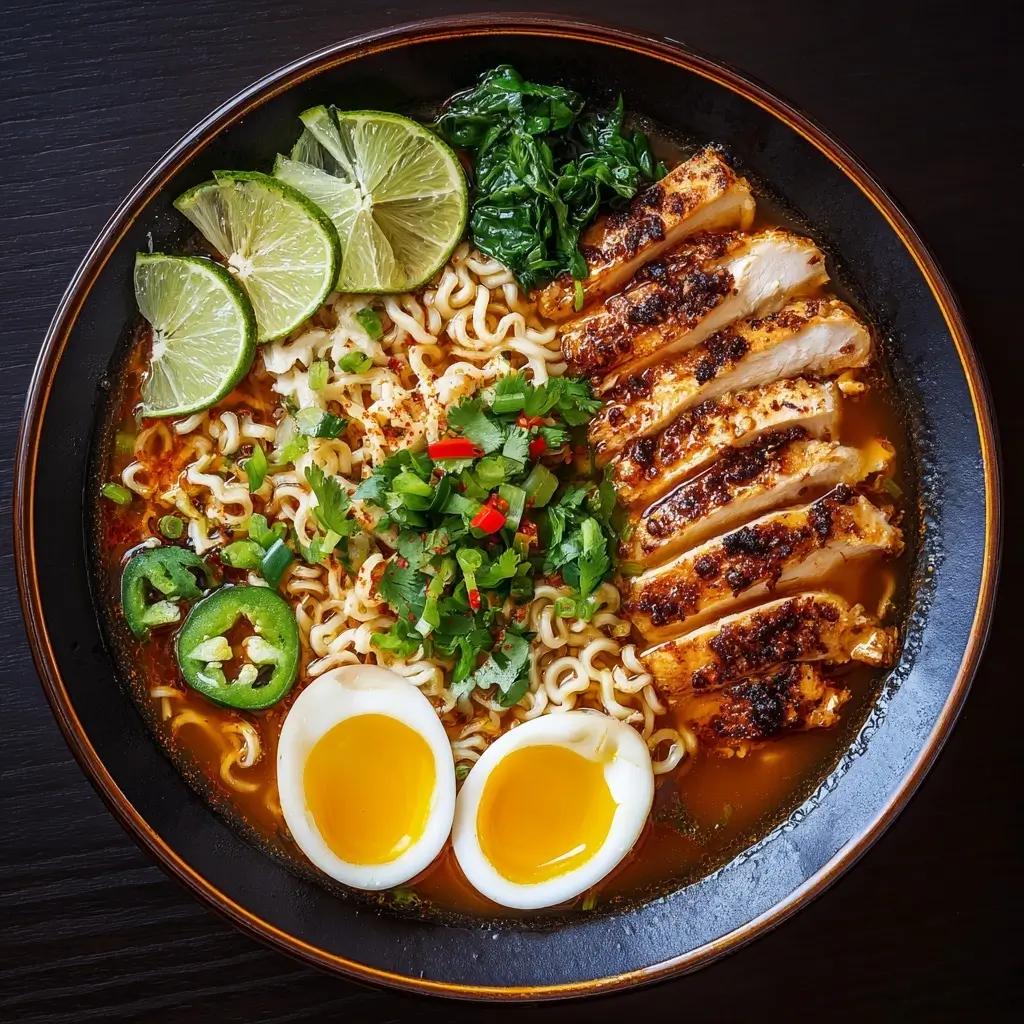
Spicy Chicken Ramen Noodles: A Bold and Comforting Bowl of Heat and Flavor
There’s something deeply satisfying about a steaming bowl of ramen—noodles slurped with abandon, a rich broth that warms you from the inside, tender chicken, and a kick of spice that lingers on the palate. Spicy Chicken Ramen Noodles elevate this beloved dish to new heights by combining traditional ramen elements with fiery seasonings and succulent chicken for a meal that’s both comforting and adventurous. Whether you’re battling a cold, craving something hearty after a long day, or simply in the mood for bold Asian-inspired flavors, this recipe delivers in every way.
The History of Ramen and Its Evolution into Spicy Chicken Variants
Ramen originated in China but was perfected in Japan, where it evolved into a national obsession. Initially introduced in the late 19th century, ramen gained widespread popularity after World War II when wheat-based foods became more accessible due to American food aid. Japanese chefs began refining the dish, developing regional variations like Sapporo’s miso ramen, Hakata’s tonkotsu (pork bone) ramen, and Tokyo’s shoyu (soy sauce) ramen.
Chicken ramen emerged as a lighter alternative to pork-based broths, especially appealing to those seeking a leaner protein source. Over time, global palates developed a taste for heat, leading to the rise of spicy ramen. Influenced by Korean gochujang, Sichuan chili oil, and Thai bird’s eye chilies, spicy chicken ramen combines the aromatic depth of traditional ramen with the fiery punch of international spices. Today, it stands as a fusion favorite in homes and restaurants worldwide.
Ingredients Breakdown: What Makes This Dish Shine?
The magic of Spicy Chicken Ramen lies in its layered ingredients—each component plays a crucial role in building flavor, texture, and aroma. Here’s a detailed breakdown:
- Chicken: Boneless, skinless chicken thighs are ideal—they stay tender during simmering and absorb spices beautifully. You can substitute with breast meat, though it may dry out if overcooked.
- Ramen Noodles: Fresh or dried wheat noodles work best. Avoid instant ramen unless making a quick version; fresh noodles offer superior chew and texture.
- Broth Base: A combination of chicken stock and dashi (Japanese soup stock made from kombu and bonito flakes) adds umami richness. For convenience, high-quality store-bought broth works well.
- Aromatics: Garlic, ginger, green onions, and shallots form the flavor foundation. Sautéed gently, they release essential oils that perfume the entire dish.
- Spice Elements: Gochujang (Korean red pepper paste), sriracha, chili oil, or crushed red pepper flakes bring the heat. These can be adjusted to suit your tolerance.
- Soy Sauce and Mirin: Provide saltiness and subtle sweetness, balancing the spice and enhancing overall savoriness.
- Toppings: Soft-boiled eggs, nori (seaweed), bok choy, bean sprouts, corn, and sesame seeds add visual appeal and textural contrast.
- Fat Component: A drizzle of toasted sesame oil or chili-infused oil at the end boosts mouthfeel and carries flavor.
Step-by-Step Recipe: Crafting the Perfect Bowl of Spicy Chicken Ramen
Ingredients
- 1 lb (450g) boneless chicken thighs, cut into bite-sized pieces
- 6 cups (1.4L) low-sodium chicken broth
- 2 cups (480ml) water
- 4 cloves garlic, minced
- 1-inch piece fresh ginger, thinly sliced or grated
- 1 small onion or 2 shallots, sliced
- 3 tbsp soy sauce (preferably low-sodium)
- 2 tbsp mirin (sweet rice wine)
- 2–3 tbsp gochujang (adjust to taste)
- 1–2 tsp sriracha or chili flakes (optional, for extra heat)
- 8 oz (225g) fresh ramen noodles (or 2 packs dried)
- 2 tbsp vegetable oil (for sautéing)
- 2 soft-boiled eggs (6-minute eggs)
- 1 cup baby bok choy or spinach, chopped
- ½ cup corn kernels (fresh, frozen, or canned)
- 2 green onions, thinly sliced
- 1 sheet nori, cut into strips
- 1 tbsp toasted sesame oil
- Sesame seeds (for garnish)
Directions
- Prepare the Broth Base: In a large pot, heat 1 tablespoon of vegetable oil over medium heat. Add garlic, ginger, and onions. Sauté for 3–4 minutes until fragrant and softened, being careful not to burn.
- Add Liquids and Seasonings: Pour in chicken broth and water. Stir in soy sauce, mirin, and gochujang. Whisk until the gochujang dissolves completely. Add sriracha or chili flakes if using for additional heat. Bring to a gentle simmer.
- Cook the Chicken: Add chicken pieces to the simmering broth. Cook uncovered for 10–12 minutes, stirring occasionally, until the chicken is fully cooked and tender. Skim off any foam or impurities that rise to the surface.
- Prepare the Vegetables: While the chicken simmers, blanch bok choy in boiling water for 1 minute, then shock in ice water to retain color and crispness. Set aside. Warm corn separately if desired.
- Cook the Noodles: In a separate pot, cook ramen noodles according to package instructions—usually 2–3 minutes for fresh, 4–5 for dried. Do not overcook. Drain and rinse briefly under cold water to stop cooking, then set aside.
- Assemble Each Bowl: Divide cooked noodles evenly between 4 deep bowls. Top with chicken and broth mixture. Arrange bok choy, corn, and soft-boiled eggs (halved) on each serving.
- Garnish Generously: Drizzle each bowl with toasted sesame oil. Sprinkle with green onions, nori strips, and sesame seeds.
- Serve Immediately: Serve hot, encouraging diners to mix everything together before enjoying. Provide extra gochujang or chili oil on the side for those who want more fire.
Tips for the Best Spicy Chicken Ramen Experience
- Bloom the Gochujang: For deeper flavor, briefly cook gochujang in oil with aromatics before adding liquids. This enhances its complexity and reduces raw edge.
- Don’t Overcook the Eggs: A perfect 6-minute egg yields a jammy yolk that enriches the broth when broken. Use a timer for consistency.
- Noodle Texture Is Key: Always cook noodles separately to avoid mushiness. Undercook slightly if planning leftovers, as they’ll soften further in stored broth.
- Layer Your Heat: Combine multiple sources of spice—like gochujang for depth, chili oil for aroma, and flakes for immediate heat—for a multidimensional experience.
- Make It Ahead: The broth with chicken can be made 2–3 days in advance and refrigerated. Reheat gently and add freshly cooked noodles and toppings before serving.
- Use Tongs for Presentation: When plating, use tongs to lift noodles and place them neatly in the center of the bowl for restaurant-style presentation.
Variations and Customizations
One of the joys of homemade ramen is the ability to tailor it to your tastes. Here are some creative twists:
- Vegetarian/Vegan Version: Replace chicken with tofu or mushrooms (shiitake or oyster). Use vegetable broth and swap honey-containing mirin with agave or vegan mirin substitute.
- Keto-Friendly Option: Substitute ramen noodles with spiralized zucchini (zoodles) or shirataki noodles. Increase healthy fats with avocado slices or extra sesame oil.
- Thai-Inspired Spicy Chicken Ramen: Swap gochujang for red curry paste, add lemongrass and lime juice, and top with cilantro and crushed peanuts.
- Sichuan-Style: Incorporate Sichuan peppercorns (toasted and ground) for numbing ma-la sensation. Use chili oil liberally and add pickled mustard greens.
- Coconut Curry Spicy Chicken Ramen: Add ½ cup coconut milk to the broth for creaminess. Infuse with yellow or red curry paste instead of gochujang.
- Extra Protein Boost: Add edamame, marinated beef, or even shrimp for a surf-and-turf twist.
- Gluten-Free: Use tamari instead of soy sauce and ensure all other ingredients (especially gochujang) are certified gluten-free. Choose rice-based or buckwheat soba noodles.
Health Considerations and Nutritional Value
While indulgent, Spicy Chicken Ramen can be part of a balanced diet with mindful adjustments. Here’s a nutritional overview per serving (assuming 4 servings):
- Calories: ~450–550 kcal
- Protein: 25–30g (from chicken and egg)
- Carbohydrates: 45–55g (mainly from noodles)
- Fat: 18–22g (healthy fats from sesame oil, chicken)
- Sodium: ~900–1200mg (can be reduced by using low-sodium broth and soy sauce)
Health Benefits:
- Chicken provides lean protein and essential amino acids.
- Ginger and garlic have anti-inflammatory and immune-boosting properties.
- Chili peppers contain capsaicin, which may boost metabolism and reduce appetite.
- Vegetables like bok choy add fiber, vitamins A, C, and K, and antioxidants.
Considerations:
- High sodium content may be a concern for individuals with hypertension. Rinse canned corn and use reduced-sodium ingredients when possible.
- Spicy foods may aggravate acid reflux or IBS in sensitive individuals. Adjust heat level accordingly.
- Instant ramen versions often contain preservatives (TBHQ) and unhealthy fats. Opt for fresh or high-quality dried noodles.
Frequently Asked Questions (FAQ)
Can I use instant ramen noodles?
Yes, but the flavor and texture will differ. Use the seasoning packets sparingly or discard them to control sodium and spice levels. Enhance with real ingredients like fresh vegetables and herbs.
How do I store leftovers?
Store broth and chicken separately from noodles. Refrigerate for up to 3 days. Reheat broth and add freshly cooked noodles to prevent sogginess.
Is gochujang very spicy?
Gochujang has a balanced profile—spicy, sweet, and savory. It’s less fiery than pure chili paste but still packs heat. Start with 1 tablespoon and adjust upward.
Can I freeze this ramen?
Freeze the broth and chicken (without noodles or vegetables) for up to 2 months. Thaw overnight and reheat before adding fresh components.
What can I use instead of mirin?
Substitute with 1 tbsp sugar + 1 tbsp water, or 1 tbsp white wine + ½ tsp sugar. Dry sherry also works in a pinch.
Why did my broth turn bitter?
Bitterness can come from burned garlic/ginger, overcooked soy sauce, or too much charred chili oil. Sauté aromatics gently and balance with a touch of sweetness.
Can I make this in an Instant Pot?
Absolutely! Sauté aromatics using the “Sauté” function, add broth and chicken, then pressure cook for 8 minutes. Quick release, then proceed with toppings and noodles.
Summary
Spicy Chicken Ramen Noodles deliver a vibrant, soul-warming experience with tender chicken, rich umami broth, and customizable heat, all nestled atop springy ramen noodles and adorned with fresh toppings. A harmonious blend of tradition and bold modern flavor, this dish satisfies hunger and ignites the senses with every spoonful.