Introduction
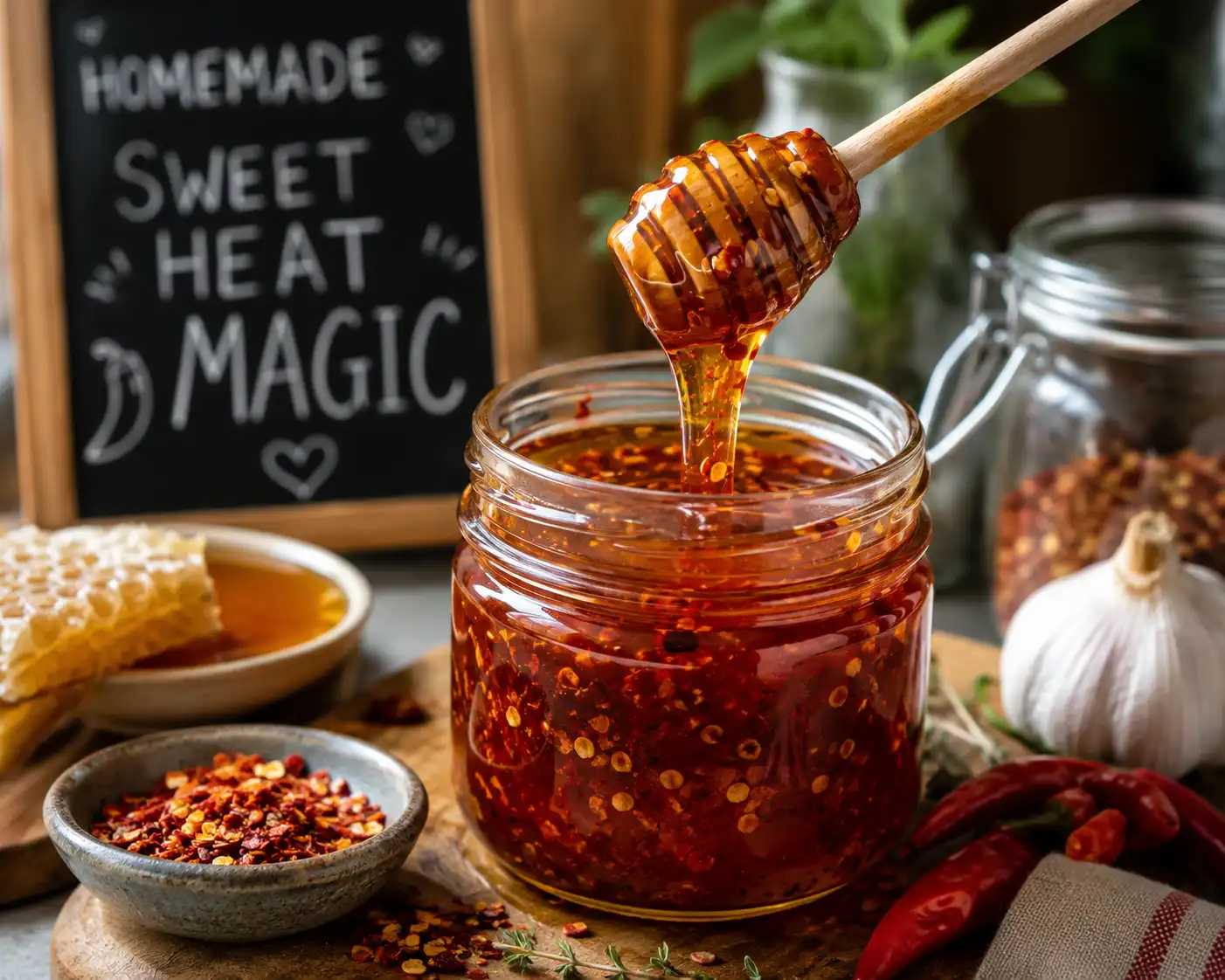
Welcome to a flavor revolution that’s equal parts bold, sweet, spicy, and irresistibly creamy—Chili Honey Magic for Feta Rolls. This isn’t just another condiment or drizzle; it’s the transformative finishing touch that elevates simple baked or air-fried feta cheese rolls from humble appetizer to showstopping centerpiece. Whether you’re hosting a cozy dinner party, prepping gourmet snacks for game day, or seeking an elegant yet effortless addition to your charcuterie board, this vibrant, glossy, deeply aromatic chili honey glaze delivers complexity in every golden drip. Its magic lies in the perfect harmony of fiery depth, floral sweetness, subtle acidity, and umami-rich undertones—all designed to complement, not overpower, the rich saltiness and delicate crumble of high-quality feta. Think of it as your culinary secret weapon: ready in under 10 minutes, endlessly adaptable, and guaranteed to spark conversation (and second helpings).
The History
While “Chili Honey Magic” is a modern culinary coinage, its roots run deep across continents and centuries. The marriage of chilies and honey traces back to ancient Mesoamerican civilizations—Mayan and Aztec cooks used wild chilis and native bee honey both medicinally and ceremonially, recognizing their synergistic preservative and digestive properties. In medieval Europe, spiced honeys known as “metheglins” or “fire meads” often included dried chilies, black pepper, and ginger—served as warming tonics and festive table condiments. Fast forward to the 20th century: Korean gochujang-based honey glazes appeared in home kitchens during post-war ingredient scarcity, where frugality bred innovation—blending fermented chili paste with local honey to stretch proteins and add luxury. Meanwhile, Greek tavernas have long paired sharp feta with thyme-infused olive oil and oregano—but the deliberate fusion of *chili*, *honey*, and *feta* as a composed, textural element (especially in rolled or wrapped forms) gained momentum in the late 2010s through food blogs and Instagram chefs experimenting with Mediterranean-Mexican fusion. The “Feta Roll” itself surged in popularity after viral TikTok videos showcased air-frying feta wrapped in phyllo or puff pastry—creating a molten, golden-brown cylinder begging for a glossy, contrasting finish. “Chili Honey Magic” emerged organically from that movement: a response to the demand for a sauce that could cut richness, add dimension, and deliver visual drama—without requiring specialty ingredients or hours of prep. Today, it stands as a delicious testament to global pantry convergence: a truly borderless, pantry-driven, chef-inspired staple.
Ingredients Breakdown
Every exceptional chili honey glaze begins not with heat or sweetness alone—but with layered intention. Below is a meticulous breakdown of each component, including why it matters, ideal varieties, and functional roles:
- Raw, Unfiltered Wildflower Honey (¾ cup): The foundation. Raw honey retains natural enzymes, pollen, and subtle floral terroir—critical for nuanced sweetness and viscosity. Avoid ultra-processed, pasteurized supermarket honey; its cloying uniformity lacks complexity. Wildflower offers balanced notes of clover, lavender, and citrus blossom—complementing feta’s tang without masking it. Its natural thickness creates clingy adhesion on warm feta rolls.
- Smoked Ancho Chile Powder (2 tsp): Not just heat—depth. Made from dried, smoked poblano peppers, ancho contributes raisin-like sweetness, mild earthiness, and gentle warmth (500–1,500 SHU). It adds body, color (deep brick-red), and smoky resonance that echoes grilled or roasted elements—making it far superior to generic “chili powder,” which often contains fillers and inconsistent heat.
- Crushed Red Pepper Flakes (½ tsp, plus more for garnish): The bright, immediate spark. Use Aleppo-style flakes if possible—they’re fruitier and less abrasive than standard Italian flakes. Provides quick-release capsaicin heat and textural contrast. Adjust upward for serious heat lovers—but remember: feta’s saltiness amplifies perceived spice.
- Fresh Garlic (1 small clove, microplaned): Raw garlic adds pungent, savory backbone and enzymatic bite. Microplaning ensures even dispersion without gritty bits. Never substitute garlic powder—it lacks volatile oils and introduces off-flavors when heated with honey.
- Fresh Lemon Juice (1 tbsp, preferably Meyer lemon): The essential counterpoint. Acidity lifts the glaze, prevents cloying, and brightens feta’s lactic tang. Meyer lemon adds honeyed floral notes; regular lemon works beautifully but use slightly less (¾ tbsp) to avoid sharpness.
- High-Quality Extra-Virgin Olive Oil (1 tbsp, arbequina or koroneiki preferred): Not for cooking—*for emulsification and mouthfeel*. A fruity, low-bitterness EVOO binds the honey and acid, adds silken richness, and carries fat-soluble chili compounds. Arbequina offers almond-nutty softness; koroneiki brings peppery lift.
- Flaky Sea Salt (¼ tsp, like Maldon or Fleur de Sel): Enhances all other flavors and balances sweetness. Added at the end—never cooked—to preserve delicate crystals and mineral brightness.
- Optional Accent Ingredients (choose 1–2 for signature flair):
- Rosewater (¼ tsp): Adds Persian-inspired perfume—pairs exquisitely with mint-garnished feta rolls.
- Ground Cumin (¼ tsp, toasted): Warm, nutty, earthy—bridges Mediterranean and North African profiles.
- Grated Orange Zest (½ tsp): Bright citrus oil cuts richness and enhances honey’s floral notes.
- Pinch of Sumac (⅛ tsp): Tart, crimson Middle Eastern berry powder—adds tangy complexity and stunning color.
Step-by-Step Recipe
This method prioritizes control, consistency, and maximum flavor development—no boiling, no burning, no guesswork:
- Prep Your Station: Gather all ingredients measured and ready. Place a small, heavy-bottomed saucepan (preferably stainless steel or enameled cast iron) on the stove. Have a silicone spatula, fine-mesh strainer, and heatproof bowl nearby.
- Bloom the Chiles (Critical Step): Add the smoked ancho powder and crushed red pepper flakes to the cool saucepan. Pour in the extra-virgin olive oil. Stir gently to coat all spices. Place over low heat (not more than medium-low) and warm for 90 seconds, stirring constantly. You should smell a deep, toasty, almost chocolatey aroma—not smoke or bitterness. Remove from heat immediately. This step releases essential oils and mellows raw chili harshness.
- Infuse Gently: While the oil-chili mixture is still warm (but no longer hot—about 120°F/49°C), whisk in the raw honey. Whisk vigorously for 30 seconds until fully combined and glossy. Do not return to heat yet.
- Add Aromatics & Acid: Whisk in the microplaned garlic and fresh lemon juice. Continue whisking for another 20 seconds to ensure no garlic clumps remain and acid is evenly distributed.
- Low-and-Slow Warmth (Not Boiling!): Return the saucepan to the stove over the lowest possible heat. Warm the mixture for exactly 2 minutes, whisking continuously. The goal is to reach 140°F (60°C)—hot enough to thin the honey slightly for drizzling consistency and meld flavors, but far below honey’s caramelization point (176°F/80°C) or garlic’s burn threshold. Use an instant-read thermometer for precision—or watch for gentle steam and a slight sheen (not bubbles).
- Strain for Silkiness (Optional but Recommended): For a flawlessly smooth, restaurant-grade glaze, pour the warm mixture through a fine-mesh strainer into a heatproof bowl, pressing gently with the spatula. This removes any residual chili flecks or garlic fiber—resulting in a velvety, pourable texture ideal for elegant drizzling.
- Finish & Rest: Stir in flaky sea salt. Let cool at room temperature for 10 minutes—this allows flavors to harmonize and viscosity to stabilize. Do not refrigerate before use; cold thickens honey excessively.
- Final Touch: Just before serving, give one last vigorous whisk. If it’s too thick for drizzling, stir in ½ tsp of warm water. If too thin, let sit 5 more minutes—it will thicken slightly as it cools.
Tips
- Temperature is Everything: Always apply the glaze to feta rolls while they’re freshly baked and piping hot (200–220°F / 93–104°C). The heat helps the glaze adhere, bubble gently at the edges, and create a beautiful lacquered finish. Drizzling on lukewarm or cold rolls causes beading and poor absorption.
- Honey Quality = Glaze Quality: Never substitute corn syrup, agave, or maple syrup. Their different sugar compositions (fructose/glucose ratios) prevent proper emulsification with oil and acid, leading to separation or graininess. Raw honey’s natural invertase enzyme is key to stability.
- Acid Timing Matters: Adding lemon juice after heating (step 4) preserves its bright, volatile top notes. Adding it before heating cooks off those delicate aromatics, leaving flat, sour notes.
- Garlic Safety First: Raw garlic in honey can pose a rare but real risk of botulism spore germination if stored long-term at room temperature. This recipe is designed for immediate use or short-term refrigeration (see Storage below). Never make large batches for pantry storage without proper acidification and pH testing.
- Drizzle Like a Pro: Use a small squeeze bottle, a spoon held high with a flick of the wrist, or a pastry brush for controlled application. Aim for a light, even web across the top and sides—letting some glaze pool naturally in crevices. Over-glazing overwhelms feta’s subtlety.
- Rest Before Cutting: After glazing, let feta rolls rest for 2–3 minutes before slicing. This allows the glaze to set slightly and prevents messy smearing.
- Double-Glaze for Drama: For special occasions, brush with half the glaze pre-bake (on wrapped feta), bake, then hit with the remaining glaze post-bake for intense shine and layered flavor.
- Clean As You Go: Honey hardens fast. Rinse utensils and pans in hot water immediately after use—avoid letting residue dry.
Variations and Customizations
Make this recipe truly yours—with respect for balance and purpose:
- Smoky Chipotle Version: Replace ancho powder with 1½ tsp finely ground chipotle powder + ½ tsp cocoa powder (unsweetened). Adds deep mesquite smoke and bitter-chocolate depth—ideal for BBQ-themed gatherings.
- Herb-Forward Greek Style: Stir in 1 tsp finely chopped fresh oregano and ½ tsp lemon thyme after cooling. Garnish rolls with whole oregano sprigs. Celebrates terroir without straying from tradition.
- Spicy Harissa Twist: Substitute 1 tbsp authentic Tunisian harissa (not spicy ketchup!) for the ancho and flakes. Adds caraway, coriander, and roasted red pepper complexity—best with labneh-swirled feta rolls.
- Sweet Heat Maple-Bourbon: Replace ¼ cup honey with Grade A dark amber maple syrup; add 1 tsp bourbon and a pinch of grated orange zest. Warmth, wood, and citrus—perfect for fall menus.
- Vegan Adaptation: Use high-quality organic agave nectar (light, not dark) + ½ tsp apple cider vinegar (instead of lemon) + 1 tsp nutritional yeast (for umami depth). Note: texture and shelf-life differ—use within 3 days.
- Zero-Waste “Scrap Spice” Batch: Repurpose leftover spice blends! Mix 1 tsp ras el hanout, ½ tsp berbere, and ¼ tsp garam masala for an exotic, warmly spiced version—pair with date-stuffed feta rolls.
- Deconstructed “Dip & Drizzle”: Serve half the glaze warm as a dipping sauce alongside chilled, unglazed feta rolls—offer extra crushed pistachios and pomegranate arils on the side for interactive plating.
Health Considerations and Nutritional Value
A mindful approach to indulgence—here’s what’s really in your Chili Honey Magic (per 2-tbsp serving, approx. 45g):
- Calories & Macros: ~110 kcal; 0g protein; 0g fiber; 28g total carbs (27g sugars, primarily natural fructose/glucose); 0.5g fat. While honey is calorie-dense, its glycemic index (58) is lower than table sugar (65), and raw varieties contain trace antioxidants (quercetin, phenolic acids).
- Chili Benefits: Capsaicin in chilies may support metabolism, circulation, and pain modulation. Ancho chiles are rich in vitamin A (beta-carotene) and vitamin C—enhanced by lemon’s bioavailability boost.
- Olive Oil Goodness: Monounsaturated fats (oleic acid) support heart health and aid absorption of fat-soluble vitamins (A, E, K) present in feta and herbs.
- Considerations:
- Sodium Awareness: Feta is naturally high in sodium (~350mg per 1-oz serving). This glaze adds only ~60mg (from sea salt), but be mindful of total dish sodium if serving with olives, cured meats, or salty crackers.
- Sugar Sensitivity: Though natural, honey is still concentrated sugar. Those managing diabetes or insulin resistance should enjoy in strict moderation (1 tbsp max) and pair with high-protein, high-fiber foods (e.g., whole-grain pita, roasted vegetables).
- Allergen Note: Ensure honey is safe for your household—never feed raw honey to infants under 12 months due to infant botulism risk.
- Gluten-Free & Dairy-Free: Naturally compliant (assuming feta roll wrapper is GF/DF—check phyllo/puff pastry labels).
- Functional Pairing Tip: Serve chili honey-glazed feta rolls alongside a large, vibrant salad (arugula, cucumber, radish, lemon-tahini dressing). The fiber and water content slows sugar absorption, while the greens’ nutrients synergize with the glaze’s antioxidants.
Ingredients
- ¾ cup raw, unfiltered wildflower honey
- 2 tsp smoked ancho chile powder
- ½ tsp crushed red pepper flakes (Aleppo-style preferred)
- 1 small garlic clove, microplaned (about ½ tsp)
- 1 tbsp fresh lemon juice (Meyer preferred)
- 1 tbsp high-quality extra-virgin olive oil (arbequina or koroneiki)
- ¼ tsp flaky sea salt (Maldon or Fleur de Sel)
- Optional: ¼ tsp rosewater, ¼ tsp toasted ground cumin, ½ tsp orange zest, or pinch of sumac
Directions
- Gather all ingredients. Place a small heavy-bottomed saucepan on the stove.
- In the cool saucepan, combine ancho powder and red pepper flakes with olive oil. Stir to coat. Warm over low heat for 90 seconds, stirring constantly, until fragrant and toasty. Remove from heat.
- Whisk in honey until fully combined and glossy (30 sec).
- Whisk in microplaned garlic and lemon juice (20 sec).
- Return pan to lowest heat. Warm mixture for exactly 2 minutes, whisking continuously, until steaming gently (≈140°F/60°C). Do not boil.
- (Optional) Strain through a fine-mesh sieve into a heatproof bowl, pressing gently.
- Stir in sea salt. Cool 10 minutes at room temperature.
- Whisk vigorously before using. Adjust consistency with ½ tsp warm water if needed. Drizzle generously over hot feta rolls.
FAQ
- Can I make this ahead?
- Yes! Store cooled glaze in an airtight jar in the refrigerator for up to 10 days. Re-warm gently in a saucepan over low heat (do not boil) or in 10-second microwave bursts, stirring between, until fluid. Stir well before using—oil may separate slightly upon chilling.
- Why does my glaze separate?
- Separation usually occurs from overheating (causing honey to break), insufficient whisking during infusion, or using low-quality honey with added water or corn syrup. Fix it: re-warm to 140°F and whisk vigorously for 60 seconds. If persistent, blend with 1 tsp warm water using an immersion blender.
- What feta should I use for rolls?
- Opt for block feta in brine (Greek PDO-certified if possible—look for “Protected Designation of Origin”). Avoid pre-crumbled feta (it’s coated in anti-caking starch and dries out). Soak block feta in cold milk for 15 minutes before rolling to mellow saltiness and improve melt.
- Can I use this on other foods?
- Absolutely! It’s phenomenal on roasted sweet potatoes, grilled chicken skewers, goat cheese crostini, fried halloumi, roasted cauliflower steaks, or even stirred into plain Greek yogurt for a savory-sweet dip.
- My glaze is too spicy—how do I fix it?
- Immediately whisk in ½ tsp more honey and ¼ tsp lemon juice. For future batches, reduce red pepper flakes by ¼ tsp and toast ancho powder separately (dry pan, 1 min) before blooming in oil to mellow heat.
- Is there a nut-free version?
- Yes—this recipe is naturally nut-free. Just verify your feta brand (some use shared equipment with nuts) and check phyllo/puff pastry labels for nut warnings.
- Can I freeze the glaze?
- Not recommended. Freezing alters honey’s crystalline structure, leading to graininess and separation upon thawing. Refrigeration is optimal.
- What’s the best way to wrap feta for rolls?
- Pat feta dry. Cut into ½-inch thick slabs. Place on phyllo or puff pastry squares (cut into 4×4 inch pieces). Fold corners tightly into a bundle, sealing edges with water or egg wash. Chill 15 minutes before baking for clean, tight rolls.
Summary
Chili Honey Magic for Feta Rolls is a masterclass in intentional simplicity—a vibrant, balanced glaze born from ancient spice traditions and modern culinary ingenuity, designed to transform creamy, salty feta into an unforgettable sensory experience. With its smoky-sweet depth, bright acidity, and silky texture, it’s not just a topping—it’s the crowning alchemy that makes every bite resonate with warmth, contrast, and pure, unapologetic delight.