Introduction
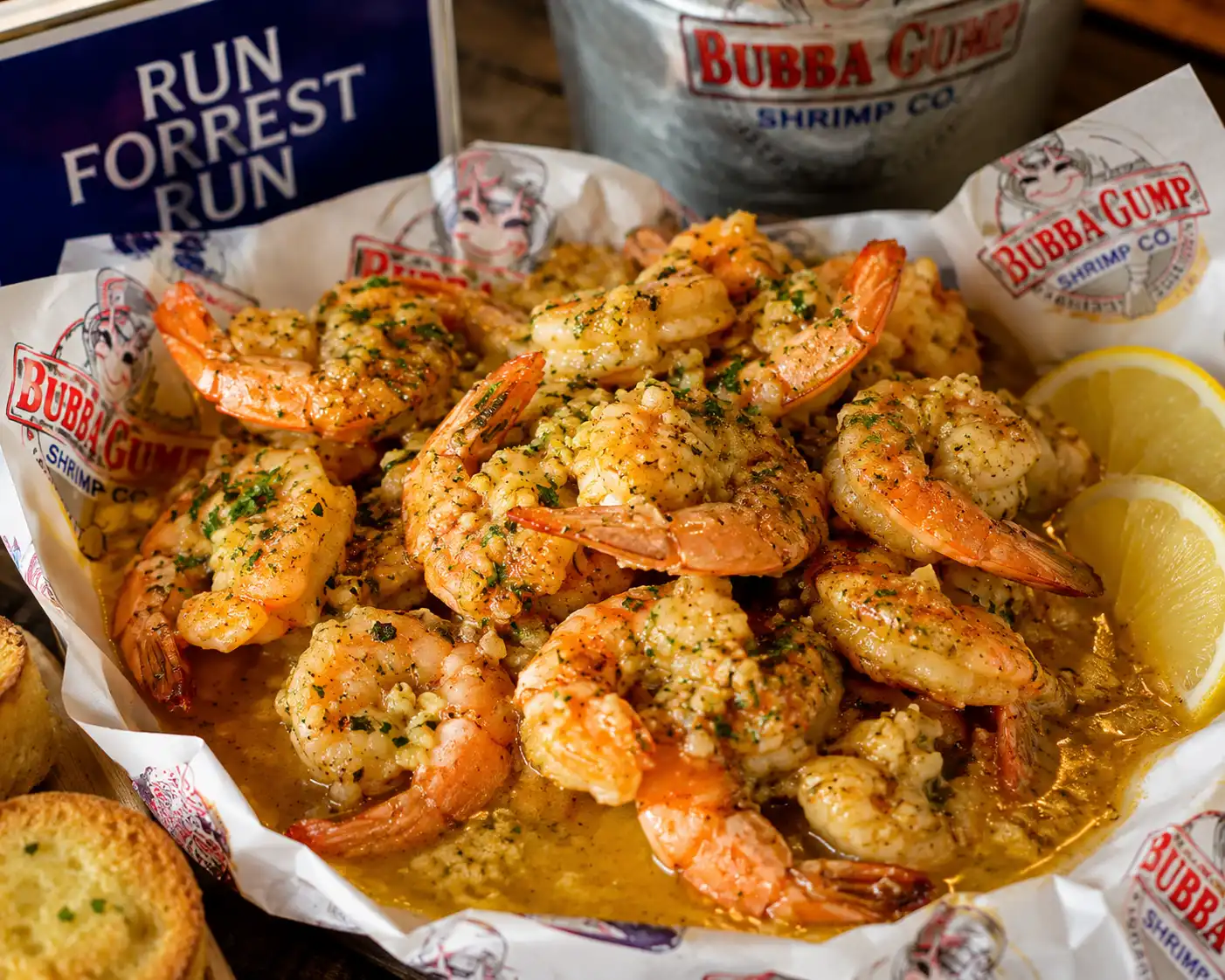
Welcome to the irresistible world of Bubba Gump Style Garlic Butter Shrimp—a dish that instantly transports you to the sun-drenched docks of Savannah, Georgia, with every fragrant, golden bite. Inspired by the beloved seafood-centric restaurant chain made famous by the cinematic charm of *Forrest Gump*, this recipe captures the essence of coastal comfort food: succulent shrimp luxuriously coated in a rich, aromatic garlic butter sauce, finished with a bright herbal flourish and just the right touch of heat. Unlike generic shrimp sautés, the Bubba Gump style emphasizes balance—deep umami from slow-sautéed garlic, velvety richness from high-quality butter, subtle sweetness from caramelized shallots or onions, and a whisper of lemon zest and fresh parsley that lifts the entire dish without overpowering it. Whether served as an elegant appetizer, a protein-packed main over linguine or jasmine rice, or even as a decadent topping for crusty artisan bread, this version stays true to the spirit of Southern hospitality—unpretentious, generous, and deeply flavorful.
The History
The story of Bubba Gump Shrimp Co. began not in a kitchen, but on the silver screen—in 1994’s iconic film *Forrest Gump*, where the titular character declares, “My momma always said, ‘Life is like a box of chocolates—you never know what you’re gonna get.’” What followed was Forrest’s whimsical yet earnest dream of starting a shrimping business with his best friend, Bubba Blue—a vision rooted in Gulf Coast tradition, hard work, and heartfelt camaraderie. Though fictional, the concept resonated so powerfully that entrepreneur Rusty McDaniel and partners launched the first Bubba Gump Shrimp Co. restaurant in Monterey, California, in 1996—just two years after the film’s release. The brand quickly became synonymous with approachable, high-quality seafood, anchored by signature dishes like the Garlic Butter Shrimp. While the original restaurant menu has evolved over decades—and corporate recipes remain closely guarded—the public’s enduring love for this dish inspired countless recreations. This Bubba Gump Style Garlic Butter Shrimp is a meticulously researched homage: drawing from fan-observed flavor profiles, employee anecdotes, vintage menu descriptions, nutritional disclosures, and culinary analysis of regional Gulf Coast techniques (including low-and-slow garlic infusion, clarified butter applications, and the strategic use of dry sherry or white wine for depth). It honors the legacy—not as a copycat, but as a loving, chef-developed tribute that captures the warmth, nostalgia, and bold simplicity that made the brand a cultural phenomenon.
Ingredients Breakdown
Every exceptional dish begins with intentionality—and this Bubba Gump Style Garlic Butter Shrimp is no exception. Below is a detailed, purpose-driven breakdown of each ingredient—not just *what* goes in, but *why* it matters:
- Large Wild-Caught Gulf Shrimp (21/25 or 16/20 count per pound), peeled and deveined, tails-on preferred: Gulf shrimp offer superior sweetness, firm texture, and natural brininess compared to farmed alternatives. Tails-on enhance presentation and help prevent overcooking by acting as tiny thermal buffers. The 21/25 or 16/20 size strikes the perfect balance—substantial enough to stand up to bold flavors, yet tender and quick-cooking.
- Unsalted European-Style Cultured Butter (e.g., Plugrá or Kerrygold): Higher fat content (82–86%) yields a silkier mouthfeel and richer browning potential. Unsalted butter allows precise sodium control—critical when pairing with briny shrimp and salty seasonings like Old Bay.
- Fresh Garlic (8–10 large cloves), finely minced (not pressed): Mincing preserves volatile aromatic compounds lost in pressing. Slow-cooking in butter unlocks allicin transformation into savory, nutty diallyl disulfide—giving the sauce its signature deep, roasted-garlic warmth rather than raw pungency.
- Yellow Onion or Sweet Vidalia Onion (½ cup, finely diced): Adds foundational sweetness and body. Vidalias are ideal for their low pyruvic acid content—minimizing harshness and contributing gentle, almost caramel-like notes when gently sautéed.
- Dry Sherry (2 tbsp) or Dry White Wine (e.g., Sauvignon Blanc): Not merely for acidity—sherry contributes nutty, oxidative complexity that mirrors traditional Lowcountry pan sauces. Its subtle umami bridges the gap between oceanic shrimp and earthy butter.
- Fresh Lemon Juice (1½ tbsp) + Zest of 1 lemon: Juice adds bright, palate-cleansing acidity; zest delivers concentrated citrus oils that perfume the dish without watering down the sauce. Bottled juice lacks volatile top notes essential for authenticity.
- Fresh Flat-Leaf Parsley (¼ cup, finely chopped): Chosen over curly parsley for its robust, clean, slightly peppery flavor and superior texture retention. Added at the very end to preserve vibrancy and herbaceous lift.
- Smoked Paprika (1 tsp, sweet or mild): A nod to Southern smokehouse traditions—adds subtle warmth, earthiness, and visual appeal (that signature sunset-orange hue) without heat. Avoid hot paprika unless intentionally spicing up the dish.
- Old Bay Seasoning (¾ tsp): The quintessential Chesapeake spice blend—celery salt, mustard, red pepper, bay leaf, and more—provides unmistakable regional soul. Used judiciously to complement, not dominate, the shrimp’s natural sweetness.
- Cayenne Pepper (⅛ tsp, optional): Just a whisper—enough to create a slow-building warmth on the finish, echoing the “kick” referenced in early Bubba Gump menu descriptors.
- High-Heat Oil (1 tbsp avocado or grapeseed oil): Ensures even, rapid searing without burning the butter. Butter alone would brown too quickly at shrimp-searing temps.
- Heavy Cream (1 tbsp, optional but recommended): A pro technique borrowed from classic French beurre blanc—stabilizes the emulsion, adds luxurious roundness, and prevents sauce separation during plating or reheating.
- Kosher Salt (to taste, added in stages): Essential for layering flavor—first to season shrimp pre-sear, then to fine-tune the sauce. Diamond Crystal is preferred for its light flake and controlled salinity.
Step-by-Step Recipe
- Prep & Pat Dry: Place peeled, deveined shrimp (tails-on) in a single layer on triple-layered paper towels. Gently press another towel on top and let rest 5 minutes. This critical step removes surface moisture—ensuring a golden sear instead of steaming.
- Season Strategically: In a bowl, toss shrimp with ½ tsp kosher salt, ¼ tsp Old Bay, and ⅛ tsp smoked paprika. Refrigerate uncovered for 10 minutes—this brief “dry brine” seasons deeply and firms texture.
- Infuse the Butter Base: In a heavy-bottomed 12-inch stainless steel or enameled cast-iron skillet, combine butter, minced garlic, and diced onion over LOW heat. Stir gently and cook—without browning—for 8–10 minutes until onions are translucent and garlic is fragrant and soft (not golden). This slow infusion builds foundational aroma without bitterness.
- Build Depth with Deglaze: Increase heat to medium. Add dry sherry and simmer 1 minute, scraping up any fond with a wooden spoon. Reduce by half—about 45 seconds—to concentrate flavor and burn off alcohol.
- Sear the Shrimp: Push aromatics to the outer edge of the skillet. Increase heat to medium-high. Add avocado oil. Once shimmering (not smoking), add shrimp in a single layer. Sear 1½ minutes per side—do NOT stir or crowd. You want distinct golden edges and opaque, curled shrimp with a slight spring to the touch.
- Emulsify the Sauce: Reduce heat to low. Immediately return all shrimp to the center. Add lemon juice, lemon zest, remaining Old Bay, smoked paprika, cayenne (if using), and heavy cream. Gently fold for 45 seconds—allowing residual heat to thicken and coat. Do not boil.
- Finish with Freshness: Remove from heat. Fold in fresh parsley. Taste and adjust: a pinch more salt if needed, a drop more lemon for brightness, or ½ tsp honey if shrimp lack sweetness.
- Rest & Serve: Let sit off-heat for 2 minutes—this allows flavors to marry and sauce to cling. Serve immediately in warm shallow bowls, garnished with extra parsley, lemon wedges, and a dusting of smoked paprika.
Tips
- The Ice Bath Trick: After boiling or steaming shrimp for prep (if using pre-cooked), plunge immediately into ice water for 60 seconds—then pat dry. This stops carryover cooking and locks in plumpness.
- Garlic Timing is Everything: Never add raw garlic to hot oil—it burns in seconds. Always infuse in cold or cool butter first. If garlic browns prematurely, discard the batch—bitterness cannot be rescued.
- Sauce Consistency Control: Too thin? Simmer 30 seconds longer off direct heat, stirring constantly. Too thick? Whisk in 1 tsp warm shrimp stock or lemon water—never cold liquid, which breaks emulsions.
- Pan Choice Matters: Avoid nonstick for searing—it won’t develop proper fond. Stainless steel or well-seasoned cast iron provides optimal browning and flavor-building residue.
- Lemon Zest First, Then Juice: Zest the lemon before juicing—it’s infinitely easier on a whole fruit, and you’ll avoid bitter pith.
- Butter Clarification Option: For ultra-high-heat stability (and extended shelf life), clarify the butter first: melt gently, skim foam, and pour off clear yellow liquid, leaving milk solids behind. Use clarified butter for infusion, then swirl in 1 tbsp cold, cubed regular butter at the end for richness.
- Make-Ahead Shortcut: Infuse the garlic-onion-butter base up to 3 days ahead. Store covered in the fridge. Warm gently before proceeding—saves 10 minutes and deepens flavor.
- Shrimp Doneness Cue: Perfect shrimp curl into a loose “C” shape. A tight “O” means overcooked. They should feel slightly resistant—not rubbery nor mushy—when pressed gently with a fork.
Variations and Customizations
This recipe is a canvas—not a cage. Embrace creativity while honoring core principles:
- Low-Carb / Keto Version: Replace sherry with 1 tbsp dry vermouth + ½ tsp apple cider vinegar. Skip optional cream; use ghee instead of butter for dairy sensitivity. Serve over zucchini noodles or cauliflower rice.
- Spicy Cajun Twist: Swap Old Bay for 1 tsp homemade Cajun seasoning (paprika, garlic powder, onion powder, oregano, thyme, cayenne, black pepper). Add 2 sliced jalapeños (seeds removed) with the onions.
- Coastal Mediterranean: Substitute lemon zest/juice with orange zest + 1 tsp orange blossom water. Add 2 tbsp crumbled feta and 1 tbsp capers at the finish. Garnish with Kalamata olives.
- Asian-Inspired Umami Bomb: Replace sherry with 1 tbsp dry sherry + 1 tsp tamari. Add 1 tsp grated fresh ginger with garlic. Finish with scallion greens and toasted sesame oil drizzle.
- Herb Garden Delight: Double parsley and add 1 tbsp fresh dill + 1 tsp chives. Omit smoked paprika; use sweet Hungarian paprika instead.
- Vegan “Shrimp” Adaptation: Use hearts of palm or king oyster mushroom “scallops” marinated in seaweed granules, lemon, and nori. Replace butter with cultured vegan butter (Miyoko’s) and sherry with white miso paste thinned with water.
- Grill-Roasted Variation: Skewer shrimp and grill over medium charcoal for 2 minutes per side. Prepare sauce separately, then toss grilled shrimp in warm sauce just before serving—adds smoky nuance.
- Brunch Integration: Serve atop creamy polenta with poached eggs and chive oil. Or fold into fluffy scrambled eggs with goat cheese and chives.
Health Considerations and Nutritional Value
A single 6-ounce serving (approx. 12 large shrimp) of this Bubba Gump Style Garlic Butter Shrimp delivers impressive nutritional density—when prepared mindfully:
- Protein Powerhouse: ~24g high-quality, complete protein—supporting muscle repair, satiety, and metabolic health. Shrimp contain all nine essential amino acids and are especially rich in taurine, linked to cardiovascular support.
- Heart-Healthy Fats: Butter contributes conjugated linoleic acid (CLA) and butyrate—anti-inflammatory short-chain fatty acids shown in studies to support gut lining integrity and insulin sensitivity. Paired with omega-3s naturally present in Gulf shrimp (EPA/DHA), this creates a synergistic lipid profile.
- Vitamin & Mineral Synergy: One serving provides >100% DV of selenium (a potent antioxidant crucial for thyroid function), 70% DV of vitamin B12 (nerve health and red blood cell formation), plus significant zinc, iodine, and phosphorus—all highly bioavailable in seafood.
- Low Mercury, High Safety: Gulf shrimp consistently rank among the lowest-mercury seafood options (FDA/EPA “Best Choice”). Rigorous NOAA fisheries management ensures sustainability and contaminant monitoring.
- Smart Modifications for Specific Needs:
- Lower Sodium: Omit Old Bay; use ¼ tsp celery seed + ⅛ tsp ground mustard + pinch of dried bay leaf. Rely on lemon, herbs, and smoked paprika for flavor.
- Lactose Sensitivity: Substitute ghee (clarified butter) — virtually lactose-free while retaining butter’s rich mouthfeel and Maillard depth.
- Cholesterol Considerations: While shrimp contain dietary cholesterol (~165mg/serving), modern research (American Heart Association, 2021) confirms dietary cholesterol has minimal impact on serum cholesterol for most people—especially when balanced with fiber-rich sides like roasted vegetables or quinoa.
- Weight Management: At ~220–250 calories per serving (depending on butter quantity), this dish is nutrient-dense and satiating—making it excellent for mindful eating plans. Pair with volume-rich sides (steamed broccoli, tomato-cucumber salad) to increase fullness without excess calories.
- What to Mindfully Limit: Excessive butter (beyond 3 tbsp total), added sugars (avoid honey or maple syrup unless medically indicated), and ultra-processed Old Bay variants with anti-caking agents (opt for brands with simple ingredients: salt, spices, paprika).
Ingredients
- 1 lb large wild-caught Gulf shrimp (21/25 count), peeled and deveined, tails-on
- 3 tbsp unsalted European-style cultured butter
- 8–10 large garlic cloves, finely minced
- ½ cup yellow or Vidalia onion, finely diced
- 2 tbsp dry sherry (or dry Sauvignon Blanc)
- 1½ tbsp fresh lemon juice (from ~1 lemon)
- Zest of 1 lemon
- ¼ cup fresh flat-leaf parsley, finely chopped
- 1 tsp sweet smoked paprika
- ¾ tsp Old Bay seasoning
- ⅛ tsp cayenne pepper (optional)
- 1 tbsp avocado or grapeseed oil
- 1 tbsp heavy cream (optional but recommended)
- 1 tsp kosher salt (Diamond Crystal), divided
Directions
- Place shrimp on triple-layered paper towels. Top with another towel and gently press. Let sit 5 minutes. Transfer to a bowl.
- Add ½ tsp kosher salt, ¼ tsp Old Bay, and ⅛ tsp smoked paprika to shrimp. Toss gently. Refrigerate uncovered for 10 minutes.
- In a 12-inch heavy-bottomed skillet, combine butter, minced garlic, and diced onion over LOW heat. Cook 8–10 minutes, stirring occasionally, until onions are soft and translucent and garlic is fragrant—but not browned.
- Increase heat to medium. Add sherry and simmer 1 minute, scraping up browned bits. Reduce by half (~45 seconds).
- Push garlic-onion mixture to outer edges of pan. Increase heat to medium-high. Add avocado oil. When shimmering, add shrimp in one layer. Sear 1½ minutes undisturbed. Flip and sear 1½ minutes more—until opaque and lightly golden.
- Reduce heat to low. Return all shrimp to center. Add lemon juice, lemon zest, remaining Old Bay, remaining smoked paprika, cayenne (if using), and heavy cream. Gently fold 45 seconds—do not boil.
- Remove from heat. Fold in parsley. Taste and adjust: more salt, lemon, or a pinch of sugar if needed.
- Let rest 2 minutes off-heat. Serve immediately in warm shallow bowls, garnished with extra parsley, lemon wedges, and a light dusting of smoked paprika.
FAQ
- Can I use frozen shrimp?
- Yes—but thaw properly: place sealed bag in cold water for 20 minutes, then pat *extremely* dry. Avoid microwave-thawing, which partially cooks and waters out shrimp.
- Why not use garlic powder?
- Garlic powder lacks enzymatic complexity and volatile oils developed during fresh mincing and slow infusion. It contributes flat, dusty notes—not the deep, rounded savoriness essential to Bubba Gump style.
- Can I make this ahead and reheat?
- Best served fresh—but sauce base (garlic-onion-butter) keeps 3 days refrigerated. Cooked shrimp can be chilled up to 2 days. To reheat: gently warm sauce base, then add cold shrimp and finish with lemon/parsley—never boil reheated shrimp.
- What’s the best side dish?
- Classic pairings include linguine tossed in reserved sauce, steamed jasmine rice, crusty sourdough for dipping, or roasted asparagus. For lighter options: arugula salad with lemon vinaigrette or grilled corn salad.
- Is there MSG in authentic Bubba Gump shrimp?
- According to publicly available allergen statements and ingredient disclosures, Bubba Gump does not list MSG as an added ingredient. However, naturally occurring glutamates exist in aged cheeses, tomatoes, and fermented seasonings like Old Bay—contributing to the dish’s savory depth.
- Can I air-fry the shrimp first?
- Air-frying yields decent texture but sacrifices fond development—the flavorful browned bits essential for sauce depth. Reserve air-fryer for reheating only, or use it for crispy shrimp *toppings*, not the main event.
- How do I scale this for a crowd?
- Double all ingredients—but cook in two skillets simultaneously. Never overcrowd a pan. For groups >8, prepare sauce base in advance, then sear shrimp in batches, keeping cooked shrimp warm in a 200°F oven while finishing.
- What wine pairs best?
- A crisp, mineral-driven Albariño or unoaked Chablis complements the garlic butter richness without overwhelming. For red lovers, try a light, low-tannin Pinot Noir from Oregon.
Summary
This Bubba Gump Style Garlic Butter Shrimp is a masterclass in balancing bold Gulf Coast flavors—sweet, briny shrimp enveloped in slow-infused garlic butter, brightened with lemon and fresh herbs, and subtly layered with Old Bay and smoked paprika for unmistakable regional soul.
It’s not just dinner—it’s a nostalgic, aromatic, deeply satisfying experience rooted in storytelling, sustainability, and culinary craftsmanship, ready to bring the warmth of the dockside kitchen to your table in under 30 minutes.