Introduction
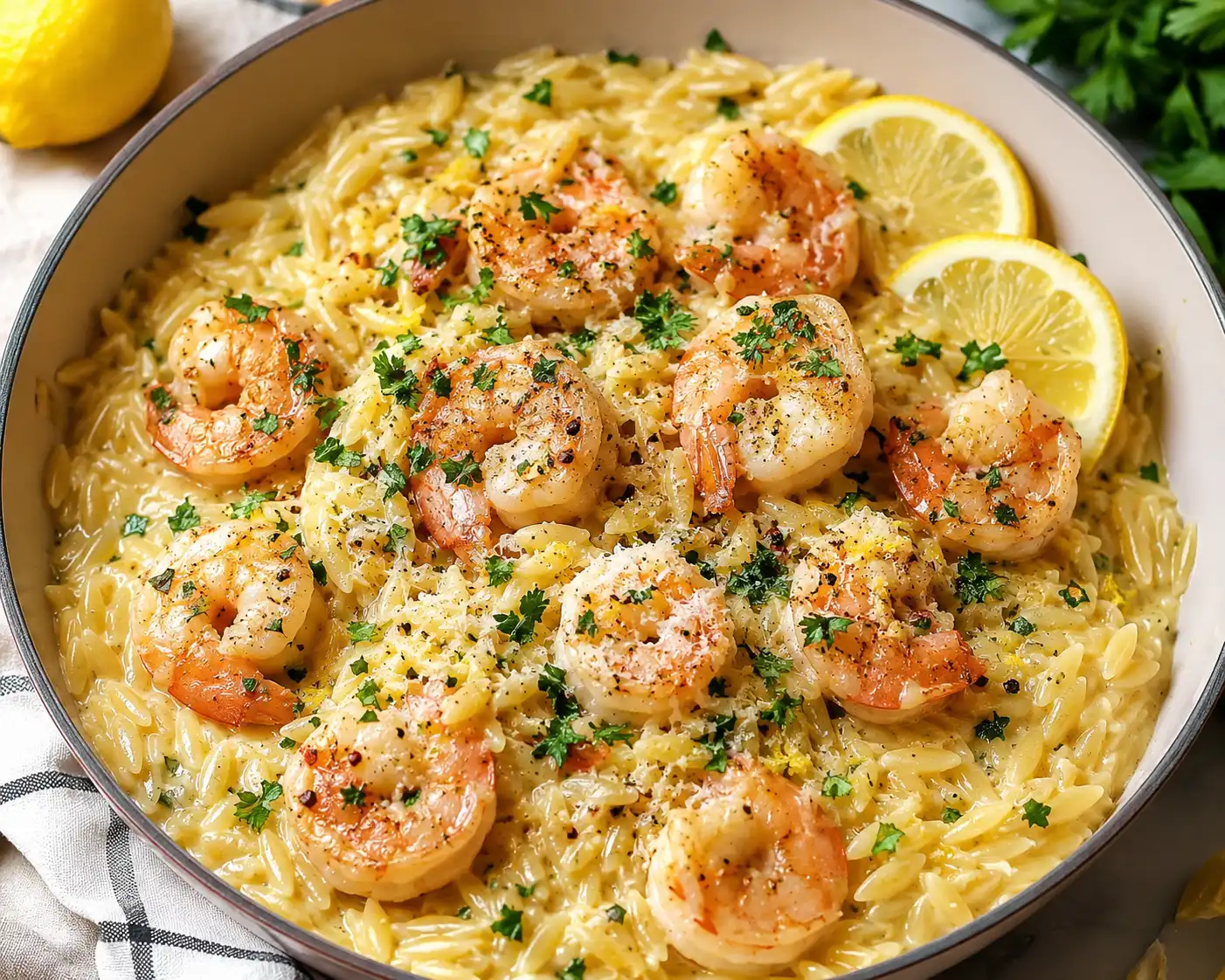
Craving a restaurant-worthy dinner that comes together in under 30 minutes—without sacrificing depth, brightness, or elegance? Look no further than this Creamy Lemon Garlic Shrimp Orzo Recipe. A harmonious fusion of Mediterranean zest and Italian comfort, this dish delivers tender, buttery shrimp nestled in a luxuriously smooth, tangy-creamy orzo base infused with fresh garlic, zesty lemon, fragrant herbs, and just the right amount of richness. Whether you’re cooking for one after a long day, prepping a stress-free weeknight meal for the family, or impressing guests with minimal effort, this recipe checks every box: vibrant flavor, silky texture, balanced acidity, and effortless execution. It’s not just fast—it’s *thoughtfully* fast: no compromises on quality, freshness, or soul-satisfying satisfaction.
The History
While there’s no single documented origin for “lemon garlic shrimp orzo,” its roots trace back to a beautiful culinary convergence. Orzo—a rice-shaped pasta with ancient Greek and Turkish origins (known as *kritharaki* in Greece)—has long been a staple in Mediterranean home cooking, often simmered into soups or baked with feta and herbs. Meanwhile, lemon and garlic form the backbone of coastal cuisines from Southern Italy to Lebanon, where their bright, pungent synergy cuts through richness and elevates seafood. In the late 20th and early 21st centuries, American home cooks—and later, food bloggers and celebrity chefs—began marrying these traditions: swapping traditional starches like rice or couscous for orzo, then enriching it with pan-seared shrimp, a quick lemon-cream reduction, and aromatic sautéed aromatics. What emerged was more than a trend—it became a modern classic: a weeknight hero dish that embodies the philosophy of *cucina povera* (resourceful, ingredient-driven cooking) meets contemporary wellness consciousness. Today, it appears on menus from Malibu bistros to Brooklyn supper clubs—not as a fusion gimmick, but as a timeless expression of simplicity, balance, and seasonal intention.
Ingredients Breakdown
Every element in this recipe serves a precise purpose—no filler, no afterthoughts. Here’s why each ingredient matters:
- Extra-virgin olive oil: Not just for cooking—it’s the aromatic foundation. Cold-pressed, fruity EVOO adds grassy depth and carries volatile compounds from garlic and lemon zest, enhancing overall fragrance.
- Unsalted butter: Adds velvety mouthfeel and nutty complexity. Using unsalted butter gives full control over sodium levels and prevents oversalting when combined with briny shrimp and Parmesan.
- Garlic (fresh, minced): Raw garlic is sharp; gently cooked, it transforms into sweet, mellow, umami-rich gold. Mincing by hand—not pressing—preserves essential oils and avoids bitterness.
- Shallots (finely diced): Often overlooked, shallots lend a delicate allium sweetness and subtle onion-like depth without overpowering. They caramelize beautifully and create a foundational layer distinct from garlic alone.
- Large shrimp (16/20 or 21/25 count), peeled & deveined, tails on or off: High-quality, wild-caught or sustainably farmed shrimp ensure superior texture and clean flavor. Tails-on add visual appeal for entertaining; tails-off streamline eating. Patting dry ensures perfect sear—not steam.
- Dry white wine (e.g., Sauvignon Blanc or Pinot Grigio): Deglazes the pan, lifts fond, and introduces bright acidity and subtle fruit notes. Alcohol cooks off, leaving only aromatic complexity—never “boozy.” Non-alcoholic substitute: ¼ cup low-sodium vegetable broth + 1 tsp white wine vinegar.
- Low-sodium chicken or seafood broth: Adds savory depth (*umami*) without overwhelming salt. Seafood broth enhances the oceanic notes of shrimp; chicken broth offers broader versatility. Always low-sodium to preserve control over final seasoning.
- Orzo pasta: Small, plump, and quick-cooking—ideal for absorbing flavors while retaining al dente bite. Unlike rice or couscous, orzo releases starch during cooking, naturally thickening the sauce for that signature creaminess.
- Heavy cream (or full-fat coconut milk for dairy-free): Provides unctuous body and balances lemon’s acidity. Heavy cream enriches without masking; coconut milk adds subtle sweetness and works beautifully for vegan adaptations (see Variations).
- Fresh lemon juice & zest: Juice brings tart vibrancy and brightness; zest contributes concentrated citrus oil—aromatic, floral, and deeply fragrant. Never skip the zest—it’s the secret weapon for multidimensional lemon flavor.
- Grated Parmigiano-Reggiano (not pre-grated): Real Parmesan adds salty, nutty, crystalline depth and natural thickening power thanks to its aged protein structure. Pre-grated versions contain anti-caking agents that hinder melting and mute flavor.
- Fresh herbs (parsley, dill, or chives): Added at the end for color, freshness, and herbal lift. Parsley offers clean bitterness; dill adds anise-like brightness that complements seafood; chives give mild onion essence.
- Red pepper flakes (optional but recommended): A whisper of heat awakens taste buds and harmonizes the richness—just enough to tingle, never to burn.
- Kosher salt & freshly ground black pepper: Salt amplifies all other flavors; freshly cracked pepper adds aromatic spice and textural nuance. Always season in layers—not just at the end.
Step-by-Step Recipe
- Prep & Organize (Mise en Place): Peel and devein shrimp; pat *extremely* dry with paper towels. Mince 4 garlic cloves. Finely dice 1 medium shallot. Zest and juice 2 large lemons (you’ll need ~3 tbsp juice). Grate ½ cup Parmigiano-Reggiano. Chop ¼ cup fresh flat-leaf parsley. Measure all remaining ingredients. Having everything ready ensures seamless, controlled cooking—especially critical when working with delicate shrimp.
- Toast the Orzo (Optional but Recommended): In a large, heavy-bottomed skillet or Dutch oven over medium heat, add 1 tbsp olive oil. Add 1 cup orzo and toast, stirring constantly, for 2–3 minutes until golden and fragrant. This step deepens flavor, adds nuttiness, and helps prevent clumping. Remove and set aside temporarily.
- Sear the Shrimp: Increase heat to medium-high. Add remaining 1 tbsp olive oil and 1 tbsp butter. Once butter foams, add shrimp in a single layer. Season lightly with salt and pepper. Cook 1–1.5 minutes per side until opaque and pink with light golden edges. *Do not overcook.* Transfer to a clean plate—shrimp will finish cooking later in the sauce.
- Sauté Aromatics: Reduce heat to medium-low. In same skillet, add shallots and 2 minced garlic cloves. Sauté 2–3 minutes until softened and translucent—do not brown. Stir in ¼ tsp red pepper flakes (if using) and cook 30 seconds until fragrant.
- Build the Sauce Base: Pour in ¼ cup dry white wine, scraping up all browned bits (fond) with a wooden spoon. Simmer 1 minute until alcohol evaporates and liquid reduces by half. Add 1 cup warm low-sodium broth and bring to gentle simmer.
- Cook the Orzo: Stir in toasted orzo. Reduce heat to low-medium. Simmer uncovered, stirring frequently, for 8–10 minutes—adding splashes of broth as needed—until orzo is tender but still slightly chewy (al dente) and most liquid is absorbed. The mixture should be creamy, not soupy.
- Enrich & Emulsify: Lower heat to low. Stir in heavy cream, lemon zest, remaining 2 minced garlic cloves, and half the grated Parmesan. Gently simmer 2 minutes—do not boil vigorously, or cream may separate. Sauce should thicken and coat the back of a spoon.
- Finish with Shrimp & Brightness: Return shrimp (and any accumulated juices) to skillet. Add lemon juice, remaining Parmesan, and chopped parsley. Gently fold to combine—heat just until shrimp are warmed through (30–60 seconds). Overheating will toughen shrimp.
- Taste & Adjust: Taste critically. Need more brightness? Add ½ tsp lemon juice. Too rich? A pinch of flaky sea salt or extra zest helps. Underseasoned? Add salt gradually. Too thick? Splash of warm broth. Too thin? Simmer 1–2 minutes longer.
- Serve Immediately: Spoon into warmed bowls. Garnish with extra parsley, lemon wedges, a final dusting of Parmesan, and a drizzle of high-quality olive oil for sheen and aroma.
Tips
- Dry shrimp = perfect sear. Moisture is the enemy of browning. Always pat shrimp bone-dry—even after rinsing—to guarantee caramelization, not steaming.
- Don’t crowd the pan. Cook shrimp in batches if needed. Overcrowding drops pan temperature and causes stewing instead of searing.
- Toast orzo for depth. Skipping this step won’t ruin the dish—but doing it adds a toasty, almost roasted-nut dimension that elevates the entire profile.
- Use warm broth. Adding cold broth shocks the pan and halts cooking momentum. Warm broth maintains consistent temperature and prevents orzo from seizing or sticking.
- Stir often—but gently. Frequent stirring prevents sticking and encourages even starch release for creaminess. Avoid vigorous stirring once cream is added to preserve emulsion.
- Add lemon juice at the end. Heat degrades volatile citrus compounds. Adding juice off-heat preserves its vibrant, fresh character—critical for balance.
- Reserve lemon zest until the final stir. While some goes in earlier for base flavor, holding back a bit for garnish delivers an aromatic pop with every bite.
- Undercook orzo slightly before adding cream. It continues to absorb liquid as it finishes—so aim for *just shy* of al dente before enrichment.
- Let cheese melt off-heat. Stirring Parmesan in over low heat or residual warmth creates silkiness. Direct high heat can cause graininess or separation.
- Serve within 5 minutes. Orzo continues to absorb liquid as it sits. For best texture and creaminess, serve immediately—or loosen with a splash of warm broth or lemon juice before serving leftovers.
- Use a wide, shallow skillet. Maximizes surface area for evaporation and even cooking—deep pots trap steam and dilute flavor concentration.
- Invest in a microplane. Fine citrus zesting and hard cheese grating are game-changers. A dull grater yields bitter pith or oily, clumpy cheese.
Variations and Customizations
This recipe is gloriously adaptable—whether accommodating dietary needs, seasonal produce, pantry constraints, or personal cravings. Here are chef-tested, flavor-forward options:
- Dairy-Free / Vegan: Swap butter for vegan butter or refined coconut oil; use full-fat canned coconut milk instead of heavy cream; replace Parmesan with nutritional yeast (3 tbsp) + ¼ tsp white miso paste for umami depth; ensure broth is certified vegan. Add 1 tsp capers at the end for briny brightness.
- Gluten-Free: Use certified gluten-free orzo (made from rice, corn, or quinoa) or sub in short-grain brown rice or pearl couscous (adjust cooking time accordingly). Verify broth and wine are GF-certified.
- Lower-Carb / Keto: Replace orzo with cauliflower rice (sauté separately until tender, then fold in at the end) or shirataki rice. Boost cream to ⅓ cup, add 1 tbsp cream cheese for thickness, and increase Parmesan. Garnish generously with herbs and lemon zest for volume and flavor.
- Protein-Packed: Add ½ cup cooked white beans (cannellini or Great Northern) with the broth—or stir in 2 beaten eggs off-heat at the end (like a shirred egg orzo) for extra richness and protein.
- Vegetable-Forward: Sauté 1 cup diced zucchini or asparagus tips with the shallots. Fold in 2 cups baby spinach or arugula at the very end—wilting takes seconds and adds color, nutrients, and peppery contrast.
- Herb Variations: Try fresh basil (adds sweetness), tarragon (anise-laced elegance), or mint (for Middle Eastern flair). Add delicate herbs only at the end; robust ones (rosemary, thyme) can be infused in the oil or broth.
- Seafood Medley: Replace half the shrimp with scallops (sear separately), mussels (steam open in wine/broth first), or flaked cooked cod. Adjust timing so all seafood stays tender.
- Spice It Up: Add 1 tsp harissa paste when sautéing shallots, or stir in ½ tsp smoked paprika with the garlic for warmth and depth. Top with pickled jalapeños for tangy heat.
- Make-Ahead Friendly: Prep components ahead: peel/shrimp, mince garlic/shallots, zest/lemons, grate cheese. Cook orzo up to 80% done, chill, then finish day-of. Reheat gently with extra broth.
- Meal Prep Master: Portion into airtight containers. Keeps refrigerated for 3 days. Reheat with 1 tsp water or broth per serving, covered, in microwave or skillet over low heat—stirring gently to restore creaminess.
Health Considerations and Nutritional Value
Nutritionally, this dish strikes a thoughtful balance between indulgence and nourishment—when prepared mindfully. A standard serving (1.5 cups) contains approximately:
- Calories: ~480–520 kcal (varies by cream/cheese quantity and shrimp size)
- Protein: ~28–32g (shrimp provides complete, lean protein; Parmesan adds additional high-bioavailability protein)
- Healthy Fats: ~22–26g (mostly monounsaturated from olive oil and polyunsaturated from shrimp; saturated fat moderated by portion control)
- Carbohydrates: ~36–40g (primarily complex carbs from orzo; fiber ~2g—boost with added veggies or whole-grain orzo)
- Vitamins & Minerals: Exceptionally rich in selenium (shrimp), vitamin B12 (shrimp), calcium & vitamin K2 (Parmesan), vitamin C (lemon), and antioxidants (garlic, parsley, olive oil)
Key Health Highlights:
- Lemon & Garlic Synergy: Citric acid enhances non-heme iron absorption (from any added greens); allicin in garlic supports cardiovascular health and immune function—maximized when garlic is crushed and rested 10 minutes before cooking.
- Omega-3 Friendly: Wild-caught shrimp contain beneficial omega-3s (EPA/DHA), supporting brain and heart health—especially when paired with olive oil’s anti-inflammatory oleocanthal.
- No Refined Sugars or Artificial Additives: Entirely whole-food based—naturally low in sugar (<2g per serving) and free from preservatives, MSG, or hidden sodium bombs.
- Digestive Support: Lemon stimulates gastric juices; garlic and parsley aid digestion; soluble fiber from orzo feeds beneficial gut bacteria.
- Portion-Conscious Design: Naturally satisfying due to protein/fat combo—helps stabilize blood sugar and curb cravings, making it supportive for weight management when served alongside a simple green salad or roasted vegetables.
Considerations: Those monitoring sodium should opt for low-sodium broth, omit added salt until tasting, and rely on lemon, herbs, and spices for flavor. For lower saturated fat, reduce cream to 2 tbsp and boost broth; for higher fiber, choose whole-wheat or legume-based orzo. Always consult a registered dietitian for personalized guidance.
Ingredients
- 2 tbsp extra-virgin olive oil, divided
- 2 tbsp unsalted butter, divided
- 1 medium shallot, finely diced (about ½ cup)
- 4 garlic cloves, minced (2 added with shallots, 2 added later)
- 1 tsp red pepper flakes (optional)
- 1 lb large shrimp (16/20 or 21/25 count), peeled, deveined, tails off or on
- ¼ cup dry white wine (Sauvignon Blanc or Pinot Grigio)
- 1 cup low-sodium chicken or seafood broth, warmed
- 1 cup orzo pasta
- ⅓ cup heavy cream (or full-fat coconut milk for dairy-free)
- Zest of 2 lemons + 3 tbsp fresh lemon juice
- ½ cup freshly grated Parmigiano-Reggiano, plus more for garnish
- ¼ cup fresh flat-leaf parsley, finely chopped
- Kosher salt and freshly ground black pepper, to taste
- Lemon wedges and extra virgin olive oil, for serving
Directions
- Gather and prep all ingredients as outlined in Step-by-Step Recipe (Mise en Place is essential).
- In a large, heavy-bottomed skillet or Dutch oven over medium heat, heat 1 tbsp olive oil. Add orzo and toast, stirring constantly, for 2–3 minutes until golden and fragrant. Transfer to a small bowl and set aside.
- In the same skillet over medium-high heat, add remaining 1 tbsp olive oil and 1 tbsp butter. When butter foams, add shrimp in a single layer. Season lightly with salt and pepper. Cook 1–1.5 minutes per side until opaque and pink with light golden edges. Transfer to a clean plate; set aside.
- Reduce heat to medium-low. Add shallots and 2 minced garlic cloves to skillet. Sauté 2–3 minutes until softened and translucent. Stir in red pepper flakes; cook 30 seconds until fragrant.
- Pour in white wine, scraping up all browned bits. Simmer 1 minute until reduced by half.
- Add warm broth and bring to gentle simmer.
- Stir in toasted orzo. Reduce heat to low-medium. Simmer uncovered, stirring frequently and adding splashes of broth as needed, for 8–10 minutes until orzo is tender but al dente and mixture is creamy.
- Lower heat to low. Stir in heavy cream, lemon zest, remaining 2 garlic cloves, and ¼ cup Parmesan. Gently simmer 2 minutes until thickened and cohesive.
- Return shrimp (and juices) to skillet. Add lemon juice, remaining ¼ cup Parmesan, and parsley. Gently fold to combine—heat just until shrimp are warmed through (30–60 seconds).
- Taste and adjust seasoning: add salt, pepper, lemon juice, or zest as needed.
- Serve immediately in warmed bowls, garnished with extra parsley, lemon wedges, flaky sea salt, and a drizzle of premium olive oil.
FAQ
- Can I use frozen shrimp?
- Absolutely—just ensure they’re fully thawed in the refrigerator overnight or under cold running water, then *thoroughly patted dry*. Frozen shrimp release excess water, which inhibits proper searing and dilutes sauce flavor.
- What if I don’t have white wine?
- Substitute with ¼ cup low-sodium broth + 1 tsp white wine vinegar or lemon juice. The acidity and depth won’t be identical, but it maintains balance. Avoid cooking wines—they’re high in salt and preservatives.
- Why does my orzo get gummy?
- Overcooking, insufficient stirring, or using too little liquid are common culprits. Toasting orzo first helps; stirring frequently encourages starch release *without* clumping; and adding warm broth gradually maintains ideal consistency. If gummy, stir in a splash of hot broth and a pat of butter to revive silkiness.
- Can I make this ahead of time?
- You can fully prepare up to the point of adding cream and lemon juice, then refrigerate for up to 1 day. Reheat gently with extra broth, then finish with cream, lemon, shrimp, and herbs just before serving to preserve texture and brightness.
- Is orzo pasta healthy?
- Traditional orzo is made from semolina (durum wheat), offering complex carbs and moderate protein. Whole-grain or legume-based orzo boosts fiber and micronutrients. Its small size makes portion control intuitive—and its starch content actually benefits the sauce’s luxurious texture.
- Can I freeze this dish?
- We do not recommend freezing. Cream-based sauces and delicate shrimp tend to separate, become grainy, or turn rubbery upon thawing and reheating. However, the base (orzo + aromatics + broth) freezes well—add cream, lemon, and shrimp fresh when reheating.
- What wine pairs best with this dish?
- A crisp, high-acid white complements the lemon and cuts the richness: try Assyrtiko (Greek), Vermentino (Sardinian), or Albariño (Spanish). For red lovers, a light, chilled Pinot Noir works surprisingly well.
- How do I prevent shrimp from becoming rubbery?
- Three keys: 1) Pat dry before cooking; 2) Cook over medium-high heat *just* until opaque and curled (1–1.5 min per side); 3) Remove immediately—residual heat continues cooking. Overcooking is the #1 cause of toughness.
- Can I use pre-grated Parmesan?
- It’s possible—but strongly discouraged. Pre-grated cheeses contain cellulose (anti-caking agent) that inhibits melting and creates a grainy texture. Freshly grated Parmigiano-Reggiano melts smoothly, delivers intense flavor, and contributes natural thickening power.
- My sauce is too thin/thick—how do I fix it?
- Too thin? Simmer 1–2 minutes longer, stirring constantly. Or stir in 1 tsp cold butter off-heat to emulsify and thicken.
Too thick? Whisk in warm broth, lemon juice, or cream—1 tsp at a time—until desired consistency returns. Never add cold liquid to hot cream sauce.
Summary
This Creamy Lemon Garlic Shrimp Orzo is a masterclass in weeknight elegance—bursting with zesty lemon, aromatic garlic, sweet briny shrimp, and velvety orzo—all in under 30 minutes with one skillet and zero compromise on flavor or texture.
It’s nutritionally thoughtful, endlessly customizable, deeply satisfying, and guaranteed to become a cherished staple—whether you’re feeding a family, hosting friends, or treating yourself to a restaurant-quality moment at home.