Introduction
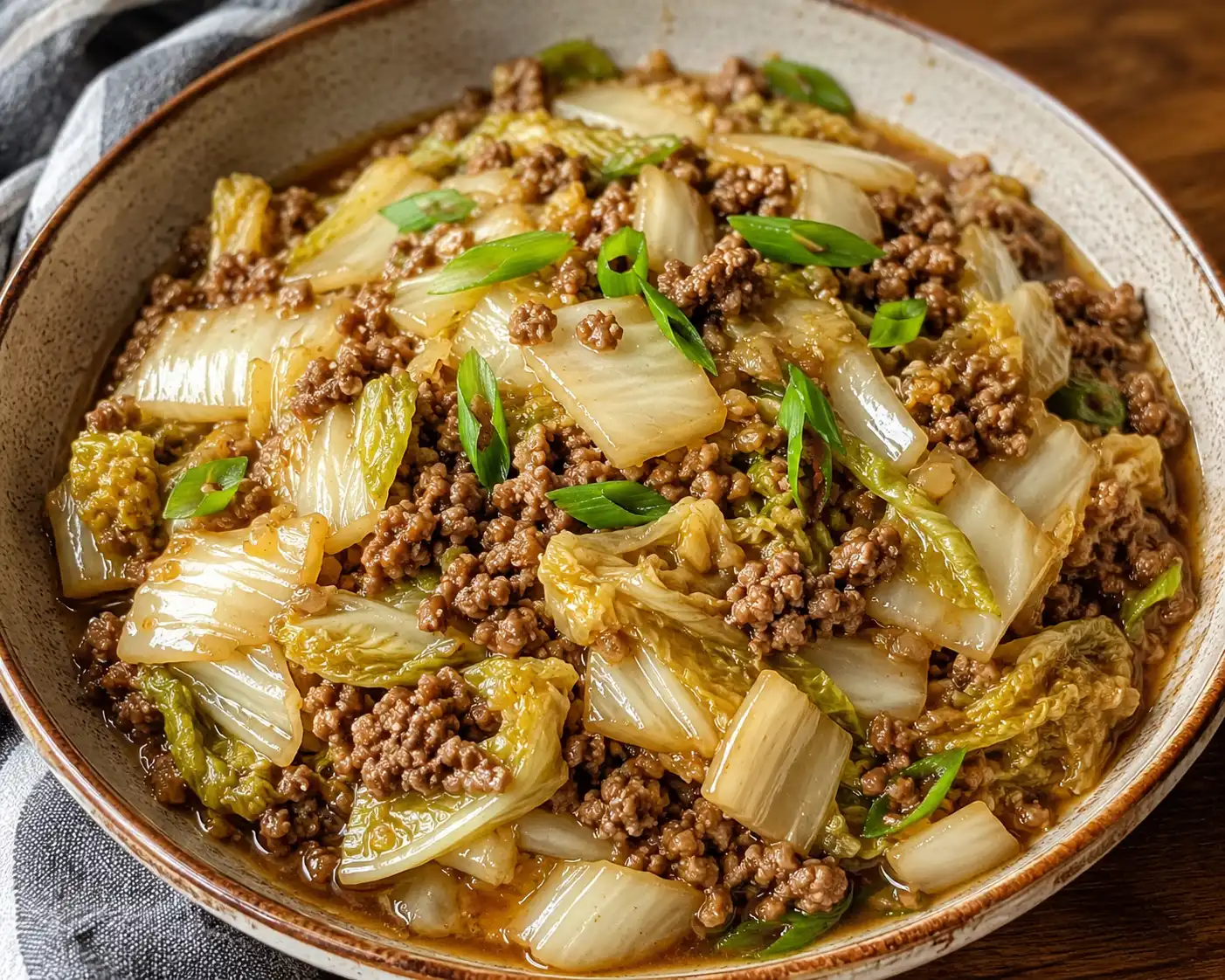
Mongolian Cabbage with Ground Beef is a vibrant, savory, and deeply comforting one-pan dish that bridges the culinary traditions of East Asia and American home cooking. Though not an authentic Mongolian recipe—Mongolia’s traditional cuisine centers around dairy, mutton, and fermented foods—this dish draws inspiration from the bold, umami-rich flavors found in Mongolian-style stir-fries popularized in North American Chinese restaurants. What sets this version apart is its generous use of crisp green cabbage as the foundational vegetable, creating a lighter, fiber-rich, and texturally dynamic alternative to rice- or noodle-based preparations. It’s a weeknight hero: fast, economical, nutrient-dense, and endlessly adaptable—perfect for busy families, meal preppers, and anyone seeking a flavorful yet wholesome dinner without compromising on satisfaction.
The History
Despite its name, Mongolian Cabbage with Ground Beef has no direct roots in Mongolian culinary heritage. Traditional Mongolian food—shaped by the harsh climate and nomadic pastoral lifestyle—relies heavily on preserved dairy (airag, aaruul), fermented mare’s milk, dried meats (borts), and fatty cuts of mutton or beef cooked in simple, hearty ways like boiled stews (khorkhog) or roasted joints. The term “Mongolian” in Western restaurant menus emerged in the mid-20th century as a marketing label for boldly seasoned, wok-tossed dishes featuring sweet-savory sauces, often with garlic, ginger, and scallions—evoking an exotic, adventurous flair rather than geographical accuracy. The “Mongolian barbecue” concept was famously commercialized in Taiwan in the 1950s and later adapted across the U.S., where chefs began applying the signature sauce profile to ground meats and abundant vegetables. Cabbage entered the equation as a pragmatic, affordable, and widely available cruciferous staple—especially in American kitchens—leading to the evolution of this hybrid dish: a fusion of Chinese-American sauce sensibilities, Midwestern pantry practicality, and modern health-conscious adaptations.
Ingredients Breakdown
Every component in Mongolian Cabbage with Ground Beef plays a deliberate role—not just in flavor, but in texture, aroma, balance, and nutrition:
- Ground Beef (85/15 or 90/10 lean-to-fat ratio): Provides rich umami, protein, and mouth-coating fat that carries flavor. Higher fat content enhances tenderness and sauce adhesion; leaner options yield a lighter result but may require added oil or broth for moisture.
- Green Cabbage (1 large head, ~1.5 lbs): The star vegetable—its dense, slightly sweet, crunchy leaves soften beautifully when sautéed but retain structural integrity. High in vitamin C, K, and glucosinolates (natural compounds linked to antioxidant activity). Thinly sliced crosswise ensures even cooking and optimal sauce absorption.
- Garlic & Fresh Ginger: The aromatic base—minced garlic delivers pungent depth, while grated fresh ginger adds bright, spicy warmth. Both are enzymatically activated by heat and form the volatile backbone of the dish’s fragrance.
- Green Onions (Scallions): Used in two stages—white parts sautéed early for sweetness, green tops reserved for garnish, adding freshness, color, and subtle allium sharpness.
- Soy Sauce (Low-Sodium Preferred): Supplies saltiness, amino acids (especially glutamate), and deep brown color. Tamari or coconut aminos offer gluten-free or soy-free alternatives without sacrificing savoriness.
- Oyster Sauce: A complex umami powerhouse made from oyster extracts, sugar, salt, and thickeners. Adds glossy richness, subtle sweetness, and oceanic depth—even in small amounts. Vegetarian oyster sauce (mushroom-based) is an excellent substitute.
- Hoisin Sauce: Sweet, tangy, fermented, and thick—made from soybeans, garlic, chilies, vinegar, and molasses or sugar. Balances salt and acid while contributing caramelized notes and viscosity to the glaze.
- Rice Vinegar or Apple Cider Vinegar: Introduces essential brightness and acidity to cut through richness and round out the sauce’s sweetness and salt. Prevents the dish from tasting flat or cloying.
- Sesame Oil (Toasted): Pure aroma amplifier—added at the end to preserve its volatile, nutty compounds. Never used for high-heat frying (it burns easily), but indispensable for finishing.
- Red Pepper Flakes or Sambal Oelek (Optional): For customizable heat—red pepper flakes lend dry, smoky spice; sambal adds garlicky, fermented chili complexity.
- Sesame Seeds (White or Black): Toasted for crunch and visual appeal; rich in calcium, healthy fats, and lignans with potential antioxidant properties.
- Broth (Beef or Vegetable): A small amount (¼–½ cup) helps deglaze the pan, dissolve fond, and create a light, cohesive sauce without diluting flavor. Low-sodium versions prevent oversalting.
Step-by-Step Recipe
- Prep All Ingredients Mise en Place: Finely mince 4 cloves garlic and 1 tbsp fresh ginger (peeled and grated on a microplane). Thinly slice 1 large green cabbage (core removed, leaves separated and stacked before slicing into ¼-inch ribbons). Chop 3–4 scallions, separating whites from greens. Measure sauces and keep broth nearby. This step is non-negotiable—high-heat cooking moves quickly, and disorganization leads to burnt garlic or uneven doneness.
- Heat Wok or Large Skillet Over Medium-High Heat: Add 1 tbsp neutral oil (like avocado or peanut) until shimmering but not smoking (~375°F). Test with a garlic sliver—if it sizzles immediately, it’s ready.
- Brown the Ground Beef in Batches: Add half the beef (to avoid steaming), breaking it apart with a wooden spoon. Cook undisturbed 1–2 minutes to develop fond, then stir and crumble until fully browned (4–5 minutes total). Transfer to a bowl. Repeat with remaining beef. Drain excess fat if desired (optional for lower-fat versions).
- Sauté Aromatics: Reduce heat to medium. Add remaining 1 tsp oil, then white parts of scallions, garlic, and ginger. Stir constantly 30–60 seconds—just until fragrant and softened (do not let garlic brown or turn bitter).
- Introduce Cabbage and Initial Seasoning: Increase heat to medium-high. Add cabbage in batches if needed, stirring vigorously to coat with oil and aromatics. Sprinkle with ½ tsp white pepper and 1 tsp brown sugar (optional, for caramelization). Cook 3–4 minutes until edges begin to wilt and translucent but still vibrant green.
- Combine and Simmer: Return all beef to pan. Pour in soy sauce, oyster sauce, hoisin sauce, rice vinegar, and broth. Stir thoroughly to combine and scrape up any browned bits. Bring to a gentle simmer.
- Reduce and Glaze: Lower heat to medium-low. Cook uncovered 6–8 minutes, stirring every 90 seconds, allowing liquid to reduce by ~⅔. The sauce will thicken, cling to the beef and cabbage, and develop a glossy sheen. Adjust consistency with 1–2 tbsp extra broth if drying out too quickly.
- Finish with Signature Flavors: Remove from heat. Stir in 1 tsp toasted sesame oil and red pepper flakes (if using). Taste and adjust: more vinegar for brightness, hoisin for sweetness, soy for salt, or a splash of lime juice for citrus lift.
- Garnish and Serve Immediately: Top generously with reserved scallion greens and toasted sesame seeds. Serve hot—ideally within 10 minutes—to preserve cabbage’s tender-crisp texture.
Tips
- Cabbage Prep Matters: Slice cabbage uniformly—too thick and it stays raw in the center; too thin and it turns mushy. Use a sharp chef’s knife or mandoline (with guard!) for speed and consistency. Wash and spin-dry thoroughly—excess water causes steaming instead of searing.
- Control the Heat Like a Pro: High heat is essential for browning beef and achieving wok hei (that elusive “breath of the wok”), but dial it back for aromatics. Burnt garlic = bitter dish. Use your nose: when you smell raw garlic turning sweet and nutty, you’re golden.
- Don’t Skip the Deglaze: Those caramelized bits stuck to the pan (fond) are pure flavor. Broth or even a splash of dry sherry lifts them effortlessly—never pour cold liquid into a scorching-hot wok without reducing heat first to avoid violent splattering.
- Sauce Consistency Is Key: Aim for a “coating” consistency—not soup-like, not gluey. If too thin after reduction, mix 1 tsp cornstarch with 1 tbsp cold water and stir in over low heat for 30 seconds. If too thick, add warm broth 1 tbsp at a time.
- Rest Before Serving: Let the dish sit off heat for 2 minutes before garnishing. This allows residual heat to gently finish cooking the cabbage and lets flavors marry. Over-stirring after finishing dulls the sesame oil’s aroma.
- Double the Batch, Freeze Smart: This recipe freezes exceptionally well for up to 3 months. Cool completely, portion into airtight containers (leave ½-inch headspace), and thaw overnight in the fridge. Reheat gently in a skillet with a splash of broth to revive moisture—microwaving can make cabbage rubbery.
- Wok vs. Skillet? Go Big and Heavy: A 14-inch carbon steel wok offers superior heat control and tossing ability. But a heavy-bottomed 12-inch stainless or cast-iron skillet works beautifully—just ensure it’s oven-safe if you plan to finish under the broiler for charred edges.
Variations and Customizations
This dish is a canvas—not a rigid formula. Here’s how to personalize it without losing its soul:
- Protein Swaps: Ground turkey, chicken, pork, or plant-based crumbles (Linda McCartney, Beyond Meat) work seamlessly. For whole-muscle options, thinly slice flank steak or sirloin and marinate 15 minutes in 1 tbsp soy + 1 tsp cornstarch + 1 tsp rice wine before quick-searing.
- Veggie Boosters: Fold in 1 cup shredded carrots (adds sweetness and beta-carotene), 1 diced bell pepper (crunch + vitamin C), ½ cup snow peas (bright green pop), or 1 cup shiitake mushrooms (earthy umami). Add delicate greens like baby bok choy or spinach in the last 2 minutes.
- Sauce Twists: Replace hoisin with black bean sauce for deeper funk; swap oyster sauce for fish sauce + a pinch of sugar for Thai-inspired nuance; add 1 tbsp gochujang for Korean heat and fermentation; or stir in 1 tsp miso paste at the end for Japanese depth.
- Grain & Base Alternatives: Serve over steamed jasmine rice, brown rice, quinoa, or cauliflower rice. For low-carb lovers, nestle into butter lettuce cups or serve alongside roasted sweet potato wedges. Try it as a filling for lettuce wraps or stuffed into omelets.
- Dietary Adaptations: Gluten-free? Use tamari, certified GF hoisin, and GF soy sauce. Dairy-free? Naturally compliant—just verify sauce labels. Keto? Skip sugar and hoisin; increase healthy fats (extra sesame oil, crushed peanuts). Vegan? Use lentils or textured vegetable protein + mushroom broth + vegan oyster sauce.
- Global Infusions: Add 1 tsp five-spice powder with the aromatics for classic Chinese nuance; toss in chopped cilantro and lime zest for Vietnamese flair; finish with furikake and nori strips for Japanese fusion; or stir in curry powder and coconut milk for Southeast Asian warmth.
Health Considerations and Nutritional Value
A single 1.5-cup serving (without rice) clocks in at approximately 320–380 calories, making it a balanced, moderate-calorie meal packed with functional nutrients:
- Protein Powerhouse: ~28g high-quality complete protein from ground beef supports muscle synthesis, satiety, and metabolic health. Pairing with cabbage’s fiber slows digestion, promoting stable blood sugar.
- Fiber-Rich Foundation: One cup of cooked cabbage delivers ~4g dietary fiber—nearly 15% of daily needs—supporting gut microbiota diversity, digestive regularity, and cholesterol management. Its insoluble fiber adds bulk; soluble fiber forms a gel that feeds beneficial bacteria.
- Vitamin & Phytonutrient Density: Cabbage is exceptionally rich in vitamin K1 (essential for blood clotting and bone metabolism), vitamin C (immune support and collagen formation), and folate (cell repair). Cruciferous compounds like sulforaphane—activated when cabbage is chopped and lightly cooked—have been studied for potential anti-inflammatory and detoxification-supporting effects.
- Sodium Awareness: Soy, oyster, and hoisin sauces contribute sodium. Using low-sodium versions and controlling added salt keeps sodium per serving around 650–800mg—well within the American Heart Association’s <2,300mg/day recommendation. Rinsing canned ingredients (if used) or adding lemon juice can further offset salt perception.
- Healthy Fat Profile: Beef provides conjugated linoleic acid (CLA), associated in research with anti-inflammatory benefits. Sesame oil contributes monounsaturated fats and sesamin—a lignan with antioxidant properties shown to support liver health and vitamin E retention.
- Low Glycemic Impact: With minimal added sugars (only optional 1 tsp brown sugar) and no refined grains, this dish has a negligible glycemic load—ideal for those managing insulin resistance or prediabetes.
- Considerations for Special Diets: Those with histamine sensitivity may moderate fermented sauces (hoisin, soy); individuals on low-FODMAP diets can reduce garlic/ginger or use infused oils and swap cabbage for bok choy (green parts only). Always consult a registered dietitian for personalized medical nutrition therapy.
Ingredients
- 1 tbsp neutral high-heat oil (avocado, peanut, or grapeseed), divided
- 1.5 lbs 85/15 ground beef (or preferred protein)
- 1 large green cabbage (about 1.5 lbs), cored and thinly sliced into ¼-inch ribbons
- 4 cloves garlic, finely minced
- 1 tbsp fresh ginger, peeled and grated
- 3–4 scallions, thinly sliced (whites and greens separated)
- ¼ cup low-sodium soy sauce
- 2 tbsp oyster sauce (vegetarian option: mushroom-based)
- 2 tbsp hoisin sauce (gluten-free if needed)
- 1 tbsp rice vinegar or apple cider vinegar
- ½ cup low-sodium beef or vegetable broth
- 1 tsp toasted sesame oil
- ½ tsp red pepper flakes (adjust to taste)
- ½ tsp white pepper
- 1 tsp brown sugar (optional, for caramelization)
- 2 tbsp toasted sesame seeds
Directions
- Prepare all ingredients as directed in the Step-by-Step Recipe section above—this includes slicing cabbage, mincing aromatics, separating scallions, and measuring sauces and broth.
- Heat 1 tablespoon of neutral oil in a 14-inch wok or large heavy-bottomed skillet over medium-high heat until shimmering.
- Add half the ground beef, breaking it apart with a wooden spoon. Cook undisturbed for 1–2 minutes to develop fond, then stir and crumble until fully browned (4–5 minutes). Transfer to a clean bowl. Repeat with remaining beef and set aside.
- Reduce heat to medium. Add remaining 1 teaspoon oil, then the white parts of scallions, garlic, and ginger. Stir constantly for 30–60 seconds until fragrant and softened.
- Increase heat to medium-high. Add cabbage in batches if necessary, stirring vigorously to coat with oil and aromatics. Sprinkle with white pepper and brown sugar (if using). Cook 3–4 minutes until cabbage begins to wilt at the edges but remains crisp-tender and vibrantly green.
- Return all beef to the pan. Pour in soy sauce, oyster sauce, hoisin sauce, rice vinegar, and broth. Stir well to combine and scrape up any browned bits from the pan bottom.
- Reduce heat to medium-low and simmer uncovered for 6–8 minutes, stirring every 90 seconds, until liquid reduces by about two-thirds and sauce coats the ingredients evenly.
- Remove from heat. Stir in toasted sesame oil and red pepper flakes. Taste and adjust seasoning—add more vinegar for brightness, hoisin for sweetness, or soy for depth.
- Garnish generously with reserved scallion greens and toasted sesame seeds. Serve immediately while hot and aromatic.
FAQ
- Can I make this vegetarian?
- Absolutely. Substitute ground beef with 1.5 cups cooked brown lentils, 1 cup crumbled firm tofu (pressed and pan-seared), or 1.5 cups textured vegetable protein (TVP) rehydrated in vegetable broth. Use vegetarian oyster sauce and tamari. Boost umami with 1 tsp nutritional yeast or a splash of liquid aminos.
- Why does my cabbage turn soggy?
- Sogginess usually stems from three causes: (1) Not drying cabbage after washing—water steams instead of sears; (2) overcrowding the pan—lowers temperature and traps steam; (3) Overcooking—cabbage needs just 6–8 minutes total active cook time after aromatics. Pull it off heat while still showing slight resistance.
- Can I prep this ahead of time?
- Yes! Chop cabbage, mince aromatics, and portion sauces into labeled containers up to 2 days ahead. Store separately in airtight containers in the fridge. Cooked leftovers keep refrigerated for 4 days and freeze beautifully for up to 3 months (see Tips section for reheating guidance).
- What’s the best way to reheat leftovers without ruining texture?
- Skillet method is ideal: Heat 1 tsp oil in a pan over medium heat, add leftovers, and splash with 1–2 tbsp warm broth or water. Cover and steam 2–3 minutes, then uncover and stir-fry 1 minute to restore crispness. Avoid microwaving uncovered—it dries out beef and makes cabbage rubbery.
- Is this dish suitable for kids?
- Very much so—with minor tweaks. Omit red pepper flakes, reduce hoisin slightly (it’s naturally sweet), and consider adding ¼ cup finely grated apple or pear for natural sweetness and moisture. Many children love the tender-crisp cabbage and savory-sweet sauce—especially when served over mild rice or noodles.
- Can I cook this in a slow cooker or Instant Pot?
- While possible, it’s not recommended—the magic lies in high-heat searing and quick reduction. Slow cooking breaks down cabbage into mush and dulls the vibrant sauce. However, for an Instant Pot adaptation: Sauté beef and aromatics using the Sauté function, add cabbage and liquids, seal and pressure cook on High for 1 minute (quick release), then switch to Sauté mode to reduce sauce for 5–7 minutes. Texture won’t match stovetop, but it’s functional.
- What wine or beverage pairs well with this dish?
- A crisp, off-dry Riesling balances the savory-sweet profile beautifully. For non-alcoholic options: chilled jasmine tea, sparkling water with lime, or a ginger-lemon shrub soda. Avoid tannic reds—they clash with vinegar and cabbage’s sulfur compounds.
Summary
Mongolian Cabbage with Ground Beef is a masterclass in balanced, weeknight-friendly cooking—melding bold umami, tender-crisp texture, and nutrient-dense simplicity into one unforgettable skillet meal. Its adaptability, humble ingredients, and deep-rooted appeal across generations make it far more than a fusion trend—it’s a modern pantry essential, reimagined with intention and care.