Introduction
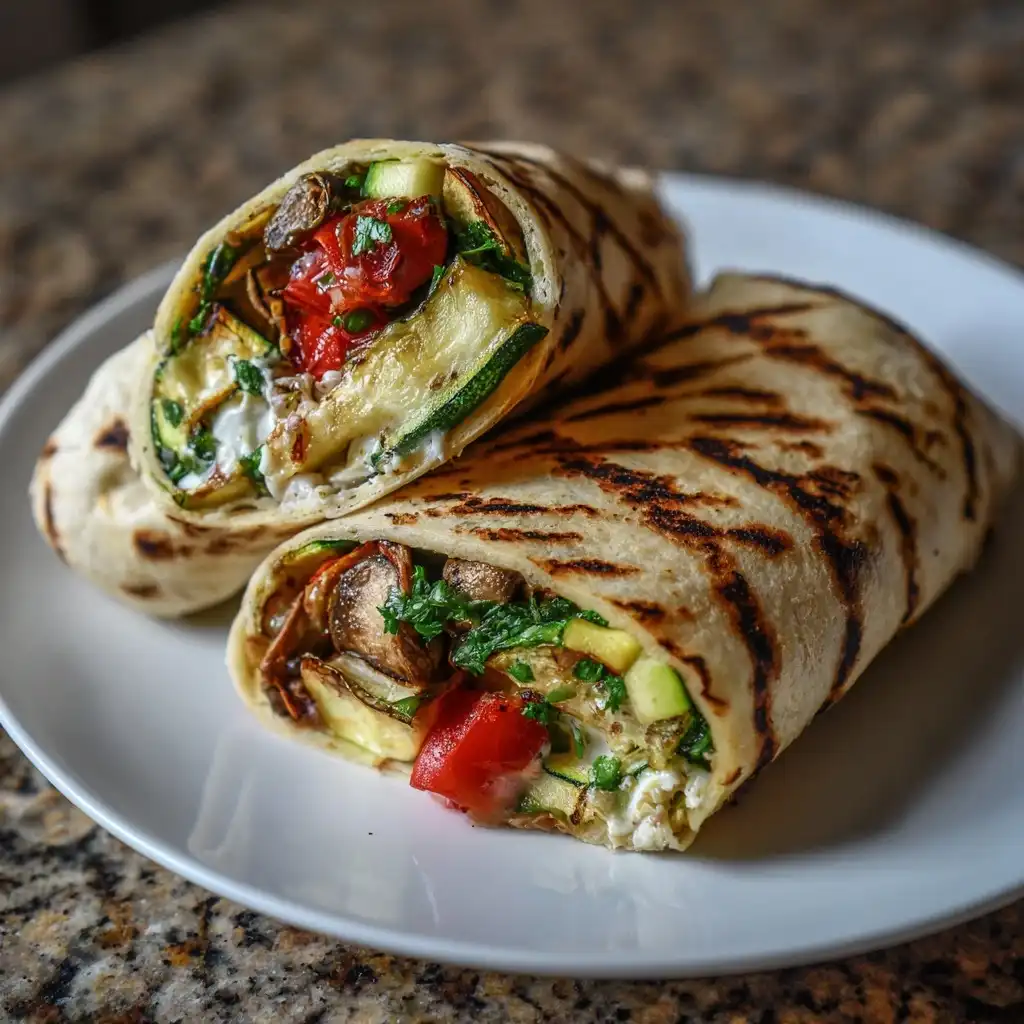
The Zucchini Grilled Veggie Wrap is a vibrant, nutrient-dense, and deeply satisfying plant-forward meal that celebrates the natural sweetness and tender-crisp texture of summer vegetables—especially zucchini. Designed for health-conscious eaters, busy professionals, meal-prep enthusiasts, and anyone seeking a flavorful, low-calorie yet hearty alternative to traditional wraps, this dish harmonizes smoky char, herbal brightness, creamy contrast, and wholesome whole grains in every bite. Whether served as a light lunch, post-workout refuel, picnic staple, or vegan-friendly dinner option, it’s as versatile as it is delicious—and infinitely adaptable to seasonal produce, dietary needs, and pantry availability.
The History
While the modern grilled veggie wrap has no single origin story, its roots stretch across multiple culinary traditions. Grilling vegetables over open flame is an ancient technique practiced globally—from Mediterranean kebabs and Japanese yakiniku to Latin American anticuchos and Indian tandoori preparations. Zucchini, native to the Americas but refined and popularized in Italy (where it’s known as *zucchino*), became a garden staple across Europe and North America in the 19th century. The rise of the “wrap” as a portable, customizable format gained momentum in the late 20th century with innovations like the flour tortilla’s mass production and the explosion of Middle Eastern-inspired gyros and Lebanese shawarma. By the early 2000s, health-focused food blogs, Whole Foods delis, and farm-to-table cafés began fusing these influences—grilling seasonal squash and peppers, tossing them with herbaceous dressings, and encasing them in soft, pliable flatbreads. The Zucchini Grilled Veggie Wrap emerged organically from this convergence: a celebration of simplicity, sustainability, and flavor-first cooking that honors both tradition and contemporary wellness values.
Ingredients Breakdown
Every ingredient in this wrap serves a distinct functional and sensory purpose—building layers of flavor, texture, color, and nutrition:
- Zucchini: The star vegetable—low in calories, high in water content, rich in potassium, manganese, and antioxidants like lutein and zeaxanthin. Its mild flavor and tender-yet-firm texture make it ideal for grilling without disintegrating.
- Red Bell Pepper: Adds crunch, sweetness, and a powerful dose of vitamin C (nearly 3x more than an orange per cup) plus carotenoids for eye and immune health.
- Red Onion: Provides sharp, aromatic pungency when raw—and mellow, caramelized depth when grilled—plus quercetin, a potent anti-inflammatory flavonoid.
- Portobello Mushrooms: Offer umami richness and meaty texture; packed with B vitamins (especially B2, B3, and B5), selenium, and ergothioneine—a unique antioxidant linked to cellular protection.
- Extra-Virgin Olive Oil: The foundational fat for marinating and grilling—provides monounsaturated fats, polyphenols, and enhances absorption of fat-soluble vitamins (A, D, E, K) from the vegetables.
- Balsamic Vinegar: Contributes bright acidity, subtle sweetness, and natural sugars that caramelize beautifully on the grill—also contains antimicrobial compounds and may support healthy blood sugar response.
- Fresh Herbs (Basil & Oregano): Basil delivers eugenol (anti-inflammatory) and volatile oils that uplift aroma; oregano contributes thymol and carvacrol—powerful natural antimicrobials and antioxidants.
- Garlic & Lemon Zest: Garlic offers allicin (a sulfur compound with cardiovascular and immune benefits); lemon zest adds limonene, shown in studies to support detoxification pathways and mood regulation.
- Whole-Wheat or Sprouted Grain Tortilla: Provides complex carbohydrates, fiber (4–6g per wrap), and plant-based protein—slowing digestion, stabilizing blood sugar, and promoting satiety far beyond refined-flour alternatives.
- Hummus (Classic or Roasted Red Pepper): Acts as both binder and flavor amplifier—adds creamy texture, plant protein (~3–4g per 2 tbsp), fiber, tahini-derived calcium, and healthy fats. Opting for homemade or low-sodium store-bought versions maximizes nutritional integrity.
- Arugula or Baby Spinach: A peppery, nutrient-dense green base—rich in nitrates (supporting vascular health), folate, vitamin K (critical for bone and blood clotting), and glucosinolates (cancer-protective phytonutrients).
- Sprinkling of Toasted Pine Nuts or Walnuts (optional): Adds crunch, heart-healthy omega-3s (ALA), magnesium, and vitamin E—enhancing both mouthfeel and metabolic support.
Step-by-Step Recipe
- Prep the Grill or Grill Pan: Preheat a gas or charcoal grill to medium-high heat (about 400°F/200°C). Alternatively, heat a cast-iron grill pan over medium-high heat until lightly smoking. Lightly oil the grates or pan surface with a folded paper towel dipped in olive oil using tongs—this prevents sticking and ensures clean sear marks.
- Prepare the Vegetables: Wash and dry all produce thoroughly. Trim ends off 2 medium zucchinis (about 1 lb total) and slice lengthwise into ¼-inch planks (not too thin—so they hold up on the grill). Core and deseed 1 large red bell pepper; cut into 1½-inch wide strips. Peel and halve 1 small red onion; separate into rings and gently pull apart. Wipe 2 large portobello caps clean with a damp cloth; remove stems and gills if desired (for milder flavor and better texture).
- Make the Grilling Marinade: In a large shallow dish or resealable gallon bag, whisk together ¼ cup extra-virgin olive oil, 2 tbsp balsamic vinegar, 2 minced garlic cloves, 1 tsp lemon zest, 1 tbsp fresh lemon juice, 1 tsp dried oregano, ½ tsp smoked paprika (for depth), ½ tsp sea salt, and ¼ tsp freshly ground black pepper. Taste and adjust acidity or salt as needed.
- Marinate the Veggies: Add zucchini planks, bell pepper strips, red onion rings, and portobello caps to the marinade. Gently toss or flip to coat evenly. Let marinate at room temperature for 15–20 minutes—no longer, as acidic marinades can begin to soften delicate zucchini too much.
- Grill the Vegetables: Place zucchini, bell peppers, and portobellos directly on hot grates, perpendicular to the bars for optimal sear lines. Grill uncovered for 3–4 minutes per side, rotating 90° halfway through for crosshatch marks. They’re done when tender-crisp with deep golden-brown grill marks and slight charring at edges. Red onions are more delicate—place them in a small grill basket or skewer them (soak wooden skewers first) and grill for just 2–3 minutes per side until softened and lightly charred. Remove all vegetables and let rest on a clean plate for 5 minutes to allow juices to redistribute and flavors to settle.
- Warm the Tortillas: While veggies rest, warm 4 whole-wheat or sprouted grain tortillas (8–10 inch size) one at a time over the grill flame or in a dry skillet for 20–30 seconds per side—just enough to become pliable and fragrant, not crispy. Stack wrapped in a clean kitchen towel or foil to retain steam and flexibility.
- Assemble the Wraps: Lay a warm tortilla flat. Spread 2 generous tablespoons of hummus in a horizontal band across the center, leaving 1½ inches bare at the bottom edge (for folding) and top edge (for sealing). Layer 2–3 zucchini planks slightly overlapping, then 2–3 bell pepper strips, 3–4 grilled portobello slices, and 3–4 grilled red onion rings. Top with a small handful (about ½ cup) of fresh arugula or baby spinach. Finish with a light drizzle of remaining marinade (or a fresh squeeze of lemon), a pinch of flaky sea salt, cracked black pepper, and optional toasted pine nuts or crushed walnuts.
- Wrap Like a Pro: Fold the bottom edge up over the filling, then fold in both sides snugly (like folding a burrito), and roll forward tightly—applying gentle pressure to compact layers. For best results, wrap each finished wrap in parchment paper, then foil or reusable beeswax wrap, and let rest seam-side down for 2–3 minutes before slicing in half on a sharp diagonal. This helps the fillings adhere and prevents spillage.
Tips
- Selecting Zucchini: Choose firm, glossy zucchini with deep green skin and no soft spots or wrinkles. Smaller zucchini (6–7 inches) tend to be sweeter, less watery, and have fewer seeds—ideal for grilling. Avoid oversized specimens, which can be fibrous and bitter.
- Slicing Consistency Matters: Use a mandoline or sharp chef’s knife to ensure uniform thickness. Uneven slices cook at different rates—thin pieces burn; thick ones stay underdone. Aim for ¼-inch planks—thick enough to hold shape, thin enough to cook through quickly.
- Don’t Skip the Rest Period: Letting grilled vegetables sit for 5 minutes post-grill allows internal steam to reabsorb, concentrating flavor and preventing sogginess inside the wrap.
- Tortilla Flexibility Is Key: Cold or dry tortillas crack easily. Warm them properly—either over open flame (briefly, watching closely), in a dry skillet, or wrapped in damp paper towels and microwaved for 15 seconds. Always keep them covered to retain moisture.
- Marinade Timing Precision: Marinating longer than 25 minutes can cause zucchini to weep and lose structure. If prepping ahead, marinate onions and mushrooms separately—they tolerate longer soaking better—and combine all just before grilling.
- Grill Management: Keep a spray bottle of water nearby to tame flare-ups caused by dripping oil. Rotate veggies frequently—not only for even charring, but to avoid overheating one side while the other remains pale.
- Assembly Order Prevents Sogginess: Hummus first creates a moisture barrier between tortilla and wet vegetables. Greens go on last—directly above the hummus—to act as a protective leafy liner that absorbs any residual liquid.
- Storage Strategy: Assembled wraps don’t refrigerate well long-term due to condensation. Instead, store grilled veggies, hummus, and greens separately in airtight containers for up to 4 days. Assemble fresh for optimal texture—or wrap uncut, fully assembled wraps in parchment + foil and refrigerate up to 24 hours (let sit at room temp 10 minutes before serving).
- Cutting Technique: Use a serrated knife for clean cuts—press gently and saw slowly. A dull knife compresses layers and causes filling to push out. Slice just before serving for maximum freshness.
- Flavor Boosters: A final flourish makes all the difference—try microgreens, pickled red onions, crumbled feta (if not vegan), a spoonful of sun-dried tomato pesto, or a dusting of nutritional yeast for cheesy umami without dairy.
Variations and Customizations
This recipe is inherently modular—designed to evolve with your preferences, pantry, season, and dietary framework. Below are thoughtfully curated adaptations, each preserving the core integrity of balance, texture, and nutrition:
Dietary-Specific Variations
- Vegan & Oil-Free Option: Replace olive oil with 3 tbsp unsweetened applesauce or aquafaba (chickpea brine) + 1 tbsp lemon juice + 1 tsp Dijon mustard for emulsification. Use oil-free roasted red pepper hummus or white bean dip. Grill veggies on a well-seasoned nonstick pan or air fryer basket at 375°F for 12–15 minutes, shaking halfway.
- Gluten-Free Version: Substitute certified GF brown rice tortillas, coconut wraps, or large butter lettuce or romaine leaves for a low-carb, crunchy vessel. Ensure all marinade ingredients (especially soy sauce or tamari substitutes) are GF-certified.
- Low-Carb/Keto Adaptation: Ditch the tortilla entirely and serve grilled veggies over a bed of massaged kale or cauliflower rice. Boost healthy fats with sliced avocado, hemp seeds, and extra virgin olive oil drizzle. Reduce balsamic vinegar (naturally higher in sugar) and replace with 1 tsp aged balsamic glaze (reduced) or apple cider vinegar + pinch of stevia.
- Higher-Protein Build: Add ½ cup crumbled tempeh bacon (pan-seared until crisp), ¼ cup cooked quinoa or farro, or 2 oz grilled chicken breast or flaked wild-caught salmon (for pescatarians). Hummus remains a smart base—pair with tahini-based sauces for extra protein synergy.
Seasonal & Regional Twists
- Summer Garden Edition: Swap in grilled eggplant slices, cherry tomatoes (halved and grilled 2–3 min), corn kernels cut from the cob and charred, and fresh basil ribbons. Finish with burrata or fresh mozzarella pearls and a drizzle of basil-infused olive oil.
- Fall Harvest Wrap: Incorporate roasted delicata squash rings, sautéed cremini mushrooms, caramelized shallots, and wilted Swiss chard. Use sage-infused marinade and smear with maple-mustard hummus. Top with toasted pecans and apple slivers.
- Mediterranean Fusion: Add kalamata olives, crumbled goat cheese, chopped cucumber ribbons, and preserved lemon peel. Swap oregano for za’atar and use lemon-tahini sauce instead of plain hummus.
- Southwest Spice: Toss veggies in chipotle powder + cumin + lime juice marinade. Fill with black beans, roasted sweet potato, avocado slices, jalapeño ribbons, and cilantro-lime crema (vegan: cashew-based). Serve with lime wedges and crushed tortilla chips.
- Asian-Inspired Grilled Wrap: Marinate in tamari, toasted sesame oil, grated ginger, rice vinegar, and a touch of maple syrup. Add quick-pickled daikon, shredded carrots, scallions, and edamame. Use brown rice nori wraps or collard green leaves. Drizzle with spicy peanut or miso-ginger sauce.
Pantry-Driven Swaps
- No Portobellos? Use cremini, shiitake, or even grilled asparagus spears or thick-cut okra.
- No Red Bell Pepper? Try yellow or orange bell peppers, poblano strips, or even roasted fennel bulb.
- No Fresh Herbs? Substitute ½ tsp dried oregano + ¼ tsp dried basil (add during marinade) and garnish with parsley or chives.
- No Hummus? Blend silken tofu + lemon + garlic + tahini + salt for a high-protein, low-fat alternative—or use mashed avocado seasoned with lime and cumin.
- No Grill Access? Roast veggies on a parchment-lined sheet pan at 425°F for 20–25 minutes, flipping halfway—or use an indoor smokeless grill, air fryer, or stovetop grill pan.
Health Considerations and Nutritional Value
A single Zucchini Grilled Veggie Wrap (made with 1 large whole-wheat tortilla, 1 cup grilled mixed veggies, 2 tbsp hummus, ½ cup arugula, and 1 tsp olive oil) delivers approximately:
- Calories: 320–360 kcal (varies by tortilla size and oil amount)
- Protein: 10–14g (primarily from hummus, whole grains, and vegetables)
- Fiber: 9–12g (over 40% of daily recommended intake)—supports digestive regularity, microbiome diversity, cholesterol metabolism, and prolonged satiety.
- Healthy Fats: 14–17g (mostly monounsaturated and omega-6/omega-3 balanced)—contributes to cell membrane integrity, hormone synthesis, and anti-inflammatory signaling.
- Vitamins & Minerals: Exceptionally high in vitamin A (as beta-carotene), vitamin C, vitamin K, potassium, magnesium, folate, and manganese. Contains measurable amounts of iron, zinc, and calcium—especially when paired with tahini-rich hummus and dark leafy greens.
- Phytonutrients: Rich in lycopene (from red peppers), lutein/zeaxanthin (zucchini/squash), quercetin (onions), ergothioneine (mushrooms), and polyphenols (olive oil, balsamic, herbs)—collectively supporting antioxidant defense, DNA repair, endothelial function, and neuroprotection.
Key Health Highlights:
- Blood Sugar Friendly: Low glycemic load (<5 GL per wrap), high fiber, and healthy fats slow glucose absorption—making it ideal for prediabetes, insulin resistance, or sustained energy.
- Heart-Healthy Profile: Zero cholesterol, negligible saturated fat, abundant potassium (counteracts sodium), and oleic acid (from olive oil) support healthy blood pressure and arterial elasticity.
- Gut-Friendly Design: Prebiotic fibers (inulin from onions, resistant starch from cooled whole grains) feed beneficial gut bacteria; polyphenols enhance microbial diversity.
- Anti-Inflammatory Foundation: Absence of refined sugars, processed oils, or additives—combined with synergistic antioxidants—makes this a true inflammation-modulating meal, especially when consumed regularly as part of a whole-foods pattern.
- Weight-Conscious Support: High volume, low energy density, and strong satiety signals (fiber + protein + healthy fat) help regulate appetite hormones like leptin and ghrelin—reducing cravings and mindless snacking.
- Considerations & Modifications: For those managing sodium intake, opt for low-sodium or no-salt-added hummus and omit added salt in marinade—relying on herbs, citrus, and smoked paprika for flavor. Individuals with IBS may benefit from limiting raw onion (substitute grilled scallions or leeks) and choosing low-FODMAP hummus (made with soaked, peeled chickpeas or canned lentils).
Ingredients
- 2 medium zucchinis (about 1 lb / 450g), ends trimmed, sliced lengthwise into ¼-inch planks
- 1 large red bell pepper, cored, seeded, cut into 1½-inch strips
- 1 small red onion, peeled, halved, separated into rings
- 2 large portobello mushroom caps, stems and gills removed
- ¼ cup extra-virgin olive oil (preferably cold-pressed, first-pressed)
- 2 tablespoons balsamic vinegar (aged preferred)
- 2 garlic cloves, finely minced
- 1 teaspoon lemon zest (from 1 organic lemon)
- 1 tablespoon fresh lemon juice
- 1 tablespoon fresh basil leaves, finely chopped (plus extra for garnish)
- 1 teaspoon dried oregano (or 1 tbsp fresh)
- ½ teaspoon smoked paprika
- ½ teaspoon fine sea salt (or to taste)
- ¼ teaspoon freshly ground black pepper
- 4 (8–10 inch) whole-wheat, sprouted grain, or gluten-free tortillas
- ½ cup (about 4 oz) classic or roasted red pepper hummus
- 2 cups fresh arugula or baby spinach
- Optional garnishes: toasted pine nuts or walnuts, flaky sea salt, microgreens, lemon wedges, crumbled feta or vegan feta
Directions
- Preheat grill or grill pan to medium-high heat (400°F/200°C). Lightly oil grates or pan surface.
- In a large shallow dish or gallon resealable bag, whisk together olive oil, balsamic vinegar, minced garlic, lemon zest, lemon juice, chopped basil, oregano, smoked paprika, salt, and pepper.
- Add zucchini planks, bell pepper strips, red onion rings, and portobello caps to marinade. Toss gently to coat evenly. Marinate at room temperature for 15–20 minutes—no longer.
- Grill zucchini, bell peppers, and portobellos directly on hot grates for 3–4 minutes per side, rotating 90° halfway for crosshatch marks, until tender-crisp with golden-brown char. Grill red onions in a basket or on skewers for 2–3 minutes per side until softened and lightly caramelized. Transfer all to a clean plate; let rest 5 minutes.
- Warm tortillas individually over grill flame or in dry skillet for 20–30 seconds per side until pliable. Stack wrapped in a clean kitchen towel.
- Spread 2 tbsp hummus horizontally across center of each tortilla, leaving 1½” bare at bottom and top edges.
- Layer grilled zucchini, bell peppers, portobellos, and red onions over hummus. Top with arugula or spinach.
- Fold bottom edge up over filling, fold in both sides snugly, then roll forward tightly. Wrap seam-side down in parchment paper, then foil or reusable wrap. Rest 2–3 minutes before slicing in half diagonally.
- Serve immediately with optional garnishes and lemon wedges on the side.
FAQ
- Can I make this wrap ahead of time?
- Yes—with caveats. Fully assembled wraps are best enjoyed within 2–3 hours of preparation. For meal prep: grill and cool vegetables, portion hummus, wash and dry greens, and store separately in airtight containers for up to 4 days. Assemble just before eating. If you must prep fully assembled: wrap tightly in parchment + foil, refrigerate up to 24 hours, and bring to room temperature 10 minutes before serving—slice just before eating to minimize sogginess.
- Why does my zucchini get soggy on the grill?
- Sogginess usually results from excess surface moisture, overcrowding the grill, or insufficient heat. Always pat zucchini completely dry before marinating. Avoid stacking marinated zucchini—lay in a single layer. Ensure your grill is fully preheated and clean—low heat steams instead of sears. Also, don’t move zucchini too soon—let it develop a crust before flipping.
- What’s the best tortilla for structure and nutrition?
- Sprouted grain tortillas (e.g., Ezekiel or Food for Life brands) offer the highest protein, fiber, and bioavailable nutrients due to enzymatic activation during sprouting. Whole-wheat varieties with minimal ingredients (flour, water, oil, salt) are excellent second choices. Avoid “multigrain” or “wheat” labeled tortillas that are actually refined flour-based. For gluten-free, look for brown rice + cassava or almond flour blends with <5g added sugar per serving.
- Can I freeze grilled vegetables for later use?
- Yes—but texture will change. Grilled zucchini, peppers, and mushrooms freeze well for up to 3 months if cooled completely, portioned, and sealed in freezer bags with air pressed out. Thaw overnight in fridge and use in soups, grain bowls, or pasta sauces—not for fresh wraps, as thawed zucchini becomes soft and watery.
- Is hummus necessary—or can I substitute?
- Hummus plays three critical roles: moisture barrier, flavor bridge, and protein/fiber booster. That said, excellent alternatives include mashed avocado + lime + salt; white bean + rosemary + garlic purée; roasted beet + tahini spread; or spiced Greek yogurt (if dairy is acceptable). Avoid commercial “vegetable spreads” with added sugars, gums, or hydrogenated oils.
- How do I prevent the wrap from falling apart?
- Four keys: (1) Warm and pliable tortillas—not stiff or cold; (2) Hummus layer applied thickly and evenly as a glue base; (3) Not overfilling—leave proper margins for folding; (4) Rolling tightly with downward pressure and resting seam-down for 2–3 minutes before cutting. Practice makes perfect—start with smaller portions and build confidence.
- Can I grill these veggies on a stovetop if I don’t have outdoor access?
- Absolutely. Use a heavy-duty cast-iron grill pan over medium-high heat. Preheat 5 minutes, oil surface well, and follow same timing guidelines. For even better results, use two pans—one for denser veggies (zucchini, portobellos), another for delicate items (onions, peppers)—to avoid steaming.
- Are there low-histamine options for sensitive individuals?
- Yes. Omit fermented balsamic vinegar (substitute raw apple cider vinegar or lemon juice only), skip aged cheeses and smoked paprika (use sweet paprika), and avoid leftovers older than 24 hours. Use fresh herbs only (no dried),