Introduction
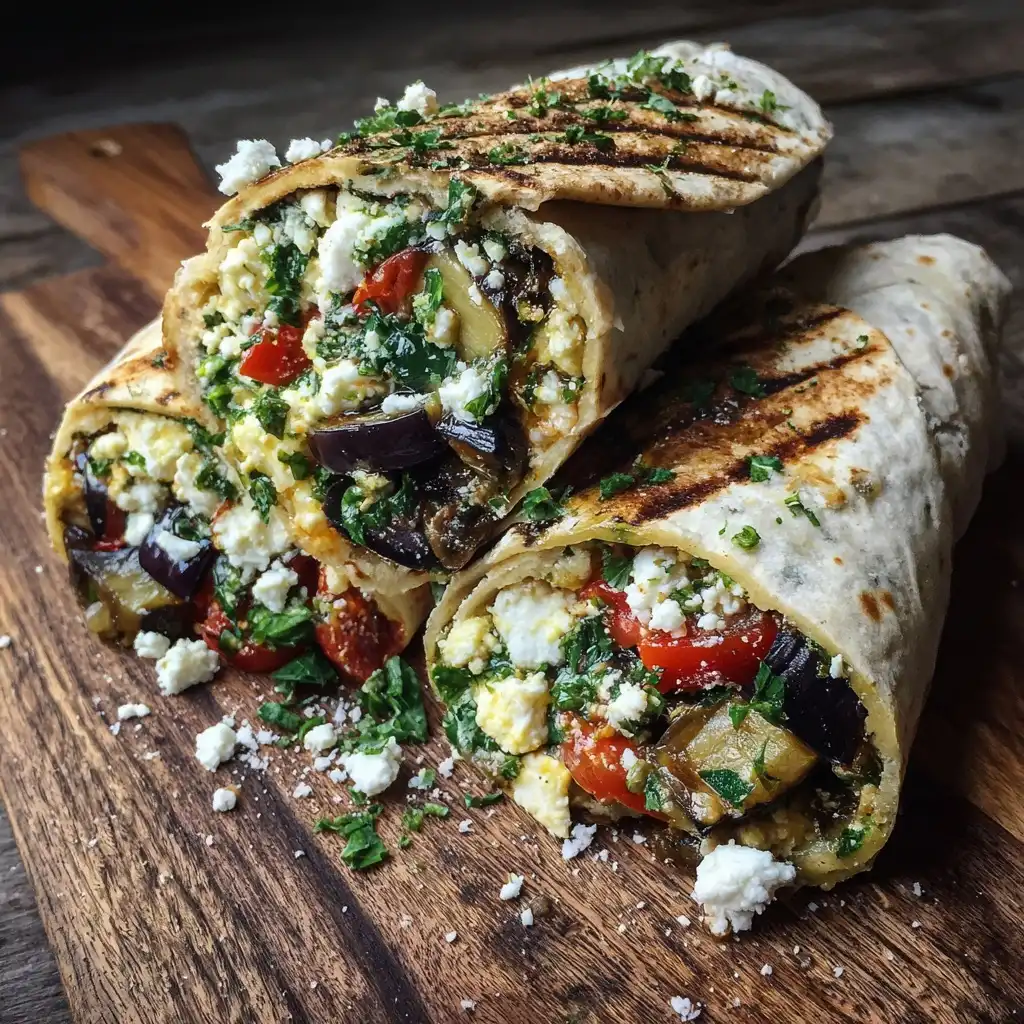
The Mediterranean Eggplant Wrap is a vibrant, nutrient-dense, and deeply flavorful handheld meal that celebrates the sun-kissed essence of the Mediterranean basin. Far more than just a convenient lunch option, it’s a culinary homage to regional traditions—blending the earthy richness of roasted eggplant with bright, herbaceous notes, creamy tahini or yogurt-based sauces, crisp vegetables, and warm, pliable flatbreads. Designed for both health-conscious eaters and flavor enthusiasts alike, this wrap balances bold spices, natural sweetness, tangy acidity, and satisfying texture in every bite. Whether enjoyed chilled on a summer picnic, packed for work, or served as a light yet satisfying dinner, it embodies the Mediterranean philosophy of eating: whole, minimally processed, plant-forward, and joyfully seasoned.
The History
While the Mediterranean Eggplant Wrap—as a distinct modern fusion dish—does not appear in ancient cookbooks, its roots run deep across centuries and civilizations. Eggplant (Solanum melongena), native to the Indian subcontinent, was introduced to the Mediterranean region via Arab traders during the early Middle Ages—around the 8th to 10th centuries—and quickly became integral to cuisines from Spain and Morocco to Greece, Turkey, Lebanon, and Egypt. In Ottoman-era Anatolia, eggplant was slow-roasted over coals and layered into flatbreads; in Levantine kitchens, it appeared in mutabbal (smoky eggplant dip) and stuffed preparations (mahshi). The concept of wrapping savory fillings in flatbread—like Greek gyros, Turkish dürüm, or Lebanese manakish—has existed for millennia, evolving with trade routes and migration. The contemporary “Mediterranean Eggplant Wrap” emerged in the late 20th and early 21st centuries as part of the global rise of healthy fast-casual dining, vegetarianism, and culinary cross-pollination—fusing traditional techniques (roasting, marinating, herbing) with modern wellness trends and portable convenience. It reflects a conscious reimagining of heritage ingredients through a lens of sustainability, accessibility, and dietary inclusivity.
Ingredients Breakdown
Every component of the Mediterranean Eggplant Wrap serves a distinct sensory and nutritional purpose—working synergistically to create balance, depth, and satiety:
- Eggplant: The star ingredient—dense, meaty, and highly absorbent. When roasted, it develops umami-rich caramelization and a tender, almost buttery texture. Rich in nasunin (a potent antioxidant anthocyanin), fiber, potassium, and polyphenols.
- Olive Oil (Extra Virgin): Used for roasting and finishing—provides heart-healthy monounsaturated fats, oleocanthal (a natural anti-inflammatory compound), and carries fat-soluble vitamins from other ingredients.
- Lemon Juice & Zest: Adds essential brightness and acidity to cut through richness, enhances iron absorption from plant-based ingredients, and contributes vitamin C and flavonoids.
- Garlic & Red Onion: Provide pungent, aromatic complexity and sulfur compounds linked to cardiovascular and immune support.
- Fresh Herbs (Parsley, Mint, Dill): Not mere garnishes—they contribute volatile oils (e.g., menthol, apiol), antioxidants, and digestive enzymes. Mint aids digestion; parsley is rich in vitamin K; dill offers antimicrobial properties.
- Cucumber & Tomato: Hydrating, alkalizing vegetables loaded with electrolytes, lycopene (especially in ripe tomatoes), and silica (for skin and connective tissue health).
- Kalamata Olives or Green Olives: Briny, salty counterpoints rich in monounsaturated fats, polyphenols, and sodium in physiologically appropriate amounts when used moderately.
- Tahini or Greek Yogurt Sauce: Tahini (sesame seed paste) delivers calcium, copper, magnesium, and lignans; Greek yogurt adds probiotics, complete protein, and gut-supportive bacteria—if using dairy-free, certified vegan tahini or coconut-yogurt blends work beautifully.
- Whole-Grain or Sprouted Flatbread: Provides complex carbohydrates, B vitamins, and prebiotic fiber—opting for stone-ground, low-glycemic options like sprouted spelt, whole-wheat lavash, or gluten-free buckwheat tortillas maximizes digestibility and sustained energy release.
- Spices (Smoked Paprika, Ground Cumin, Sumac, Za’atar): More than flavor enhancers—sumac is high in gallic acid (antioxidant); cumin supports digestion and blood sugar regulation; smoked paprika contains capsaicinoids and vitamin A precursors.
Step-by-Step Recipe
- Prep the Eggplant: Select 1 medium globe eggplant (about 12–14 oz). Trim stem, rinse, and pat dry. Score the flesh in a crisscross diamond pattern (¼-inch deep) without cutting through the skin. Lightly salt all sides and let rest on a wire rack over a tray for 30 minutes to draw out excess moisture and bitterness. Rinse thoroughly and pat *very* dry with clean kitchen towels or paper towels—this ensures optimal roasting, not steaming.
- Roast to Perfection: Preheat oven to 425°F (220°C). Place eggplant directly on center rack (no parchment—let skin char slightly for smokiness) and roast for 40–50 minutes, turning halfway, until deeply wrinkled, soft to gentle pressure, and yielding dark mahogany spots. Cool 15 minutes, then halve lengthwise. Scoop out flesh with a spoon, discarding skin. Roughly chop or mash with a fork—do not over-process; texture matters.
- Build the Flavor Base: In a large bowl, combine roasted eggplant with 2 tbsp extra virgin olive oil, 2 tbsp fresh lemon juice, 1 tsp lemon zest, 2 minced garlic cloves, ½ small finely diced red onion, 1 tsp ground cumin, 1 tsp smoked paprika, ½ tsp sumac, and a pinch of flaky sea salt and freshly cracked black pepper. Fold gently to incorporate—taste and adjust acidity or spice.
- Prepare Fresh Components: While eggplant cools, dice ½ English cucumber (peeled if desired), 1 medium vine-ripened tomato (seeds gently removed), and ¼ cup pitted Kalamata olives. Chop ¼ cup fresh flat-leaf parsley, 2 tbsp fresh mint, and 1 tbsp fresh dill. Whisk together sauce: ⅓ cup tahini + 3 tbsp lemon juice + 2–3 tbsp cold water + 1 minced garlic clove + pinch of salt—until silky and pourable (adjust water for desired consistency).
- Warm & Soften Flatbread: Heat 6–7 inch whole-grain flatbreads (lavash, pita, or spinach tortilla) one at a time in a dry skillet over medium heat for ~20 seconds per side until pliable and fragrant—not crispy. Stack under a clean kitchen towel to retain steam and flexibility.
- Assemble with Intention: Lay flatbread flat. Spread 2–3 tbsp sauce evenly over center third, leaving 1-inch borders. Spoon ¾ cup eggplant mixture down center. Top with cucumber, tomato, olives, herbs, and a final drizzle of olive oil and sumac or za’atar. Optional: add crumbled feta (or vegan feta), pickled red onions, or toasted pine nuts.
- Wrap Securely: Fold bottom edge up over filling, then fold left and right sides inward, rolling tightly away from you like a burrito. Press seam-side down and gently roll back and forth to seal. For portability, wrap snugly in parchment paper, then foil or reusable beeswax wrap.
- Rest & Serve: Let rest seam-side down for 5–10 minutes—this allows flavors to marry and prevents sogginess. Slice diagonally for presentation or serve whole. Best served at room temperature or slightly chilled.
Tips
- Roasting Secret: Roasting eggplant whole (not cubed) concentrates flavor, minimizes oil absorption, and yields superior texture. Never skip the salting-and-rinsing step—it reduces bitterness and prevents mushiness.
- Texture Control: For a chunkier, rustic wrap: lightly mash only half the eggplant and leave the rest in tender shreds. For creamier texture: use a potato masher or immersion blender for 3–5 seconds—avoid over-blending, which creates gluey consistency.
- Sauce Consistency is Key: Tahini seizes when cold or under-mixed. Always whisk tahini and lemon juice first until creamy, *then* gradually add cold water. If sauce thickens upon standing, stir in 1 tsp warm water.
- Bread Matters: Avoid supermarket “wraps” laden with preservatives and refined starches. Opt for fresh-baked, sprouted, or sourdough flatbreads—higher fiber slows glucose absorption and improves satiety.
- Make-Ahead Mastery: Roast eggplant up to 4 days ahead; store mashed mixture in airtight container with thin olive oil layer on top (prevents oxidation). Chop veggies and herbs separately; assemble wraps day-of for maximum freshness.
- Prevent Sogginess: Pat all vegetables extremely dry before adding. Layer sauce *under* eggplant (not on top), and place delicate greens/herbs *last*, directly against bread to act as a moisture barrier.
- Grill Option: For smoky nuance, grill halved eggplant (cut-side down) over medium charcoal for 12–15 minutes until deeply marked and tender—brush with olive oil mid-grill.
- Seasoning Timing: Add salt to eggplant *before* roasting (draws out water), but reserve final salt adjustment *after* roasting and mixing—roasting intensifies salt perception.
- Herb Substitutions: If mint is unavailable, try basil or cilantro (adds a different but delicious profile); avoid dried herbs unless absolutely necessary—freshness is non-negotiable for vibrancy.
- Temperature Tip: Serve components at cool room temperature—not fridge-cold—to allow full aromatic expression and prevent bread from stiffening.
Variations and Customizations
This recipe is inherently adaptable—designed to honor seasonal availability, pantry staples, dietary frameworks, and personal preference:
- Vegan/Vegetarian: Naturally vegan as written. For extra protein, add ¼ cup cooked chickpeas (mashed or whole), hemp seeds, or marinated tempeh strips.
- Gluten-Free: Use certified GF flatbreads (buckwheat, cassava, or almond-flour tortillas) and verify spice blends are GF-certified (some contain wheat fillers).
- Low-Carb/Keto: Replace flatbread with large butter lettuce leaves (romaine hearts or bibb), grilled portobello caps, or thin zucchini ribbons (blanched 30 sec). Increase healthy fats: add avocado slices, extra olives, or pine nuts.
- Mediterranean-Inspired Twists:
- Greek Style: Add crumbled feta, oregano, and sun-dried tomatoes; swap tahini for tzatziki.
- Lebanese Style: Incorporate pomegranate molasses drizzle, toasted pistachios, and a sprinkle of za’atar.
- Turkish Style: Include pickled turnips, dried mint, and a dash of isot pepper (Urfa biber).
- Spanish-Influenced: Stir in roasted red peppers, capers, and a touch of sherry vinegar.
- Protein Boosters: Grilled halloumi, baked tofu cubes, shredded rotisserie chicken (for omnivores), lentil-walnut “meat,” or white bean puree.
- Heat Lovers: Add harissa paste to sauce, Aleppo pepper flakes to eggplant, or thin-sliced fresh jalapeño or serrano in the veggie layer.
- Umami Depth: Stir 1 tsp white miso paste or nutritional yeast into eggplant mixture; or add a few drops of tamari or soy sauce (use GF tamari if needed).
- Breakfast Version: Skip tomatoes/olives; add sautéed spinach, roasted cherry tomatoes, crumbled goat cheese, and a soft-scrambled egg folded into warm eggplant.
- Kid-Friendly Adaptation: Omit raw onion and mint; use mild paprika; add shredded carrots and raisins for sweetness; serve with mild herb-yogurt dip instead of tahini.
- Meal-Prep Friendly: Prepare all components separately in labeled mason jars: sauce (bottom), eggplant (middle), chopped veggies (top). Assemble wraps each morning—stays fresh up to 24 hours.
Health Considerations and Nutritional Value
A single standard Mediterranean Eggplant Wrap (made with 1 medium eggplant, 1 whole-grain 7-inch flatbread, 2 tbsp tahini sauce, ½ cup mixed vegetables, ¼ cup olives, herbs, and seasonings) delivers approximately:
- Calories: 420–480 kcal (varies by bread and oil amount)
- Protein: 12–16 g (from tahini, whole grains, and trace eggplant protein)
- Fiber: 11–14 g (exceeding 40% of daily recommended intake)—supports gut microbiome diversity, regularity, and satiety signaling.
- Healthy Fats: 24–28 g predominantly monounsaturated (olive oil, tahini, olives), with balanced omega-3:6 ratio—shown to reduce LDL cholesterol and arterial inflammation.
- Vitamins & Minerals: Exceptionally high in Vitamin K (75% DV), Vitamin C (60% DV), Potassium (45% DV), Manganese (50% DV), and Folate (35% DV). Contains bioavailable forms due to synergy with healthy fats and acids.
- Phytonutrients: Nasunin (eggplant skin), lycopene (tomato), oleuropein (olive oil), apigenin (parsley), rosmarinic acid (mint)—all demonstrated in peer-reviewed studies to modulate oxidative stress, NF-kB pathways, and cellular repair mechanisms.
Dietary Notes & Considerations:
- For Hypertension: Naturally low in sodium *if* unsalted olives and no added table salt are used—leverage herbs, lemon, and sumac for flavor instead.
- For Diabetes/Insulin Resistance: Low glycemic load (<5 GL per wrap) thanks to high fiber, healthy fats, and acidic components (lemon/tahini) that blunt postprandial glucose spikes.
- For Digestive Sensitivities: Roasted eggplant is far gentler than raw; soaking/salting further reduces fermentable oligosaccharides (FODMAPs). For strict low-FODMAP: omit garlic/onion (use infused oil), limit tomato to 2 tbsp, and choose green olives (lower in polyols).
- Allergen Awareness: Naturally free of dairy (if using tahini-only sauce), eggs, soy (if avoiding soy-based yogurts), and nuts (unless added)—but always verify labels on flatbreads and spice blends.
- Pregnancy/Nursing Support: Excellent source of folate, choline (in tahini), and iron (enhanced by vitamin C from lemon/tomato)—critical for neural tube development and maternal energy metabolism.
- Longevity Alignment: Mirrors principles of the Blue Zones diet—plant-centric, minimally processed, abundant in polyphenols, and socially joyful to prepare and share.
Ingredients
- 1 medium globe eggplant (12–14 oz)
- 1½ tsp fine sea salt (divided, for sweating and seasoning)
- 3 tbsp extra virgin olive oil (plus extra for drizzling)
- 3 tbsp fresh lemon juice (about 1½ lemons)
- 1 tsp lemon zest
- 2 garlic cloves, finely minced
- ½ small red onion, very finely diced
- 1 tsp ground cumin
- 1 tsp smoked paprika
- ½ tsp sumac
- Freshly cracked black pepper
- ½ English cucumber, peeled and finely diced
- 1 medium vine-ripened tomato, seeds removed, finely diced
- ¼ cup pitted Kalamata olives, roughly chopped
- ¼ cup fresh flat-leaf parsley, finely chopped
- 2 tbsp fresh mint leaves, finely chopped
- 1 tbsp fresh dill, finely chopped
- 6–7 inch whole-grain flatbread (lavash, sprouted wheat, or gluten-free alternative), warmed
- Flaky sea salt (for finishing)
For the Tahini Sauce:
- ⅓ cup well-stirred tahini (preferably hulled, raw, or stone-ground)
- 3 tbsp fresh lemon juice
- 2–3 tbsp cold water (adjust for consistency)
- 1 garlic clove, finely minced or microplaned
- ¼ tsp fine sea salt
Directions
- Sweat the Eggplant: Pierce eggplant several times with a fork. Place on a wire rack set over a baking sheet. Sprinkle generously with 1 tsp salt, rubbing lightly into skin and cuts. Let sit 30 minutes. Rinse thoroughly under cold water and pat *extremely* dry with clean towels—moisture is the enemy of roasting.
- Roast: Preheat oven to 425°F (220°C). Place naked eggplant directly on center oven rack. Roast 40–50 minutes, rotating halfway, until deeply shrunken, blackened in spots, and yielding completely when pressed gently. Cool 15 minutes.
- Prepare Eggplant Filling: Halve cooled eggplant lengthwise. Scoop flesh into a bowl, discarding skin. Mash lightly with fork to desired texture (some chunks preferred). Stir in 2 tbsp olive oil, lemon juice, lemon zest, garlic, red onion, cumin, smoked paprika, sumac, remaining ½ tsp salt, and several grinds black pepper. Set aside to marinate 10 minutes.
- Make Tahini Sauce: In a small bowl, whisk tahini and lemon juice vigorously until smooth and creamy (~1 min). Gradually whisk in cold water, 1 tbsp at a time, until pourable but still coat the back of a spoon. Stir in garlic and salt. Cover and refrigerate 10 minutes to mellow garlic bite.
- Prep Vegetables & Herbs: In separate bowls, combine cucumber, tomato, and olives. In another small bowl, combine parsley, mint, and dill.
- Warm Flatbread: Heat a dry cast-iron or nonstick skillet over medium heat. Warm each flatbread 15–20 seconds per side until pliable and fragrant. Stack between clean kitchen towels to retain steam.
- Assemble: Lay flatbread flat. Spread 2 tbsp tahini sauce horizontally across center third. Spoon ¾ cup eggplant mixture over sauce. Top evenly with ¼ cup vegetable mixture and 1½ tbsp herb mixture. Drizzle with remaining 1 tbsp olive oil and a pinch of flaky salt and sumac.
- Wrap Tightly: Fold bottom edge up over filling. Fold left and right edges inward. Roll firmly away from you, applying gentle pressure to compact. Seal seam by pressing down and rolling once more.
- Rest & Serve: Place seam-side down. Rest 5–10 minutes before slicing or serving whole. For best texture and flavor integration, serve within 2 hours—or refrigerate wrapped in parchment/foil for up to 24 hours (bring to room temp before eating).
FAQ
- Can I use purple Japanese or Chinese eggplant?
- Yes—but they’re less dense and contain more water. Salt and drain *at least* 45 minutes, and roast at 400°F for 25–30 minutes. You’ll need 2–3 to equal the volume of one globe eggplant.
- Why does my tahini sauce taste bitter?
- Over-processing tahini or using low-quality, rancid, or overly roasted sesame can cause bitterness. Always buy fresh, refrigerated tahini with visible oil separation—stir thoroughly before use. Adding lemon juice and a pinch of maple syrup (¼ tsp) can balance bitterness.
- Can I make this oil-free?
- Absolutely—for roasting, use ¼ cup vegetable broth or aquafaba instead of oil; sauté aromatics in broth. For sauce, replace tahini with cooked white beans + lemon + garlic + water. Note: some oil enhances phytonutrient absorption, but oil-free versions remain nutritious and flavorful.
- How do I prevent the wrap from falling apart?
- Key factors: (1) Use pliable, *warmed* flatbread—not dry or brittle; (2) Don’t overfill—max 1 cup total filling per 7-inch wrap; (3) Fold bottom first, then sides, then roll tightly; (4) Rest seam-down 5+ minutes before cutting; (5) Wrap snugly in parchment paper for structural support.
- Is eggplant skin edible and nutritious?
- Yes—the deep purple skin contains the highest concentration of nasunin and fiber. However, after roasting whole, the skin becomes tough and slightly acrid. Scooping flesh preserves texture and palatability while retaining >90% of nutrients from the flesh itself.
- Can I freeze Mediterranean Eggplant Wraps?
- Not recommended—the high water content in vegetables and eggplant leads to ice crystal formation and sogginess upon thawing. Instead, freeze *components*: roasted eggplant (up to 3 months), tahini sauce (up to 2 months), or pre-chopped herbs (in oil or ice cube trays).
- What’s the best way to reheat leftovers?
- Avoid microwaving assembled wraps—it makes bread rubbery and separates sauce. Instead, gently warm flatbread in skillet, then reassemble with fresh or room-temp fillings. Or enjoy cold—it’s traditionally served at ambient temperature.
- Are there nightshade concerns with eggplant?
- Eggplant belongs to the nightshade family (along with tomatoes, peppers, potatoes). While generally safe, those with diagnosed autoimmune conditions (e.g., rheumatoid arthritis) may experiment with elimination under clinical guidance. Cooking significantly reduces alkaloid content.
- How long will the eggplant mixture keep?
- In an airtight container with a thin layer of olive oil covering the surface, roasted eggplant keeps 4–5 days refrigerated. Stir before using—discard if color dulls or aroma sours.
- Can I add cheese without breaking vegan status?
- Traditional feta or halloumi makes it vegetarian but not vegan. For authentic vegan “cheese” notes, use fermented cashew cheese, almond-based feta, or crumbled tofu marinated in lemon, miso, and nutritional yeast.
Summary
The Mediterranean Eggplant Wrap is a masterclass in plant-powered flavor—uniting smoky roasted eggplant, zesty lemon-tahini sauce, crisp garden vegetables, briny olives, and aromatic herbs within a nourishing whole-grain embrace.
It’s a celebration of tradition and innovation: deeply rooted in centuries-old Mediterranean culinary wisdom, yet perfectly adapted for modern lifestyles—nutrient-dense, endlessly customizable, and profoundly satisfying in both taste and texture.