Introduction
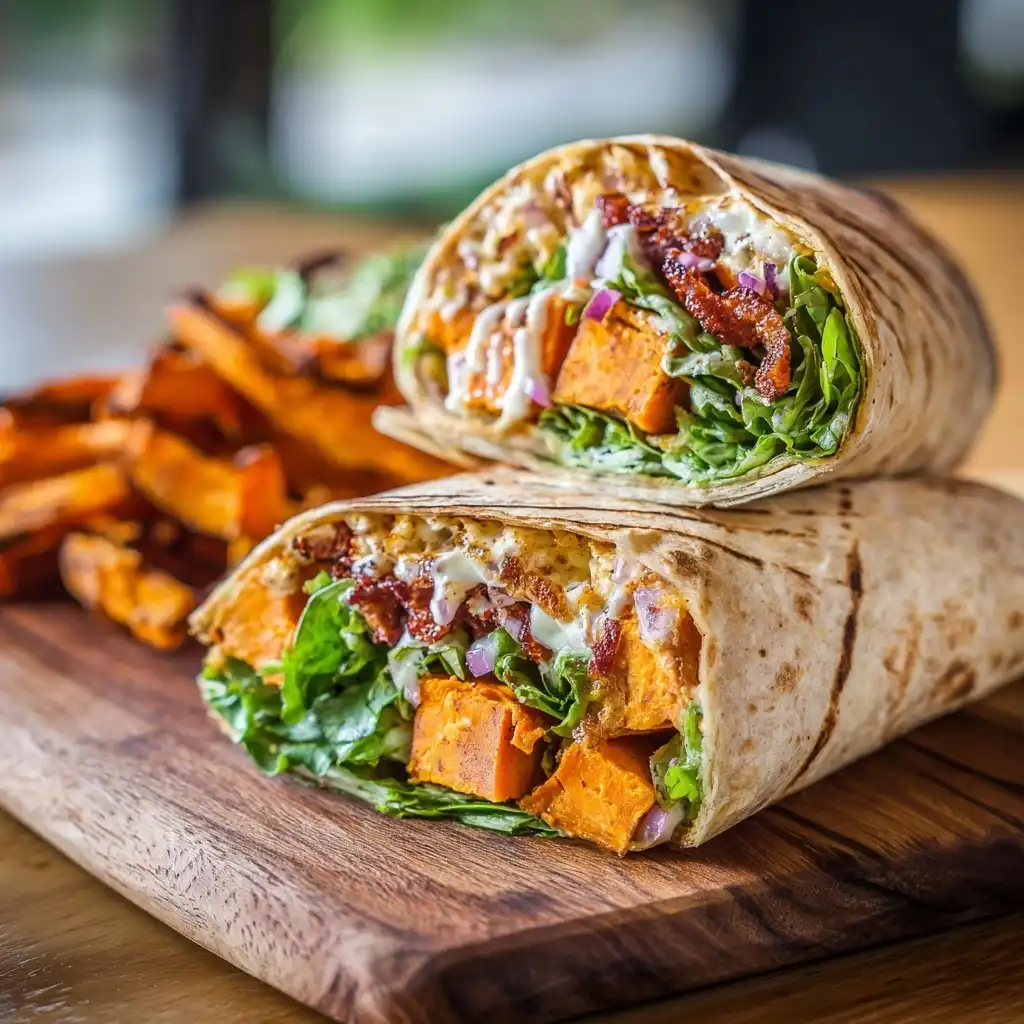
The Roasted Sweet Potato Wrap is a vibrant, nutrient-dense, and deeply satisfying handheld meal that effortlessly bridges comfort food and conscious eating. Born from the fusion of Mediterranean-inspired freshness, Southwest warmth, and modern plant-forward culinary trends, this wrap celebrates the natural sweetness and velvety texture of roasted sweet potatoes while offering endless versatility for home cooks, meal preppers, fitness enthusiasts, and busy professionals alike. Whether served as a hearty lunch, post-workout refuel, or even a light yet flavorful dinner, its balance of complex carbohydrates, fiber-rich vegetables, creamy fats, and savory seasonings makes it both nourishing and deeply craveable—proving that healthy eating doesn’t require sacrifice, only thoughtful layering of flavor, texture, and nutrition.
The History
While no single inventor or origin year can be credited to the Roasted Sweet Potato Wrap, its emergence reflects a broader culinary evolution rooted in centuries of global food traditions. Sweet potatoes—originating in Central and South America over 5,000 years ago—were cultivated by Indigenous peoples long before European contact and later spread across Africa, Asia, and the Pacific via trade routes and colonial exchange. In the American South, sweet potatoes became a staple crop, revered for their resilience, storage longevity, and rich beta-carotene content. The concept of wrapping ingredients in flatbreads dates back millennia—from ancient Middle Eastern lavash and Indian roti to Mexican tortillas and Greek pita—each culture adapting the format to local harvests and flavors. The modern roasted sweet potato wrap gained momentum in the early 2010s alongside the rise of farm-to-table dining, clean-eating blogs, and wellness-focused fast-casual concepts like Tender Greens, True Food Kitchen, and By Chloe. Chefs began pairing caramelized roasted sweet potatoes with smoky spices, cooling tahini or avocado crema, crunchy slaws, and fresh herbs—transforming humble roots into a globally resonant, Instagram-worthy, and nutritionally intelligent dish. Today, it stands as a hallmark of contemporary “whole-foods, real-ingredients” cuisine: a delicious testament to how ancestral crops, cross-cultural techniques, and mindful innovation converge on a single tortilla.
Ingredients Breakdown
Every element in the Roasted Sweet Potato Wrap serves a distinct sensory and nutritional purpose—no ingredient is arbitrary. Let’s explore each component in detail:
- Sweet Potatoes (medium-large, orange-fleshed): The star. High in beta-carotene (vitamin A precursor), vitamin C, manganese, potassium, and soluble fiber (pectin). Roasting concentrates natural sugars, enhances bioavailability of antioxidants, and creates a tender-crisp texture ideal for wrapping.
- Olive Oil (extra-virgin): Adds heart-healthy monounsaturated fats, aids caramelization, carries fat-soluble vitamins (A, E, K), and contributes subtle fruitiness and peppery finish.
- Smoked Paprika: Imparts deep, earthy, slightly sweet smoke without heat—enhances umami, complements sweetness, and adds lycopene and capsaicin-related compounds (even in mild forms) known for anti-inflammatory support.
- Ground Cumin: Warm, nutty, and aromatic; supports digestion through volatile oils (cuminaldehyde), adds mineral density (iron, magnesium), and synergizes beautifully with paprika and sweet potato’s earthiness.
- Garlic Powder & Onion Powder: Concentrated allium power—rich in allicin derivatives and quercetin, supporting cardiovascular health and immune function. Provide savory depth without moisture that could wilt the wrap.
- Sea Salt & Freshly Ground Black Pepper: Sea salt supplies trace minerals (magnesium, calcium, zinc); black pepper’s piperine significantly boosts absorption of curcumin (if added) and beta-carotene—making every bite more bioavailable.
- Whole-Wheat or Sprouted Grain Tortillas: Offer higher fiber, B-vitamins, and protein than refined flour versions. Sprouted varieties improve digestibility and increase amino acid availability (e.g., lysine). Gluten-free options (brown rice, cassava, or almond-flour wraps) maintain structural integrity when properly warmed.
- Black Beans (cooked or low-sodium canned): A complete plant-protein source when paired with grains; high in resistant starch (a prebiotic fiber), folate, iron, and zinc. Rinsing reduces sodium and oligosaccharides that may cause bloating.
- Avocado or Tahini-Based Crema: Avocado contributes creamy mouthfeel plus oleic acid, lutein, and glutathione; tahini (ground sesame) offers calcium, copper, selenium, and sesamin—a lignan shown to support liver detox pathways. Both add satiating healthy fats critical for hormone balance and sustained energy.
- Shredded Red Cabbage Slaw: Raw red cabbage is exceptionally rich in anthocyanins (potent antioxidants), vitamin K1 (for bone and vascular health), and glucosinolates (sulforaphane precursors). Its crispness cuts richness and adds visual pop.
- Fresh Herbs (cilantro or parsley): Cilantro contains dodecenal (a natural antimicrobial) and coriander oil compounds linked to heavy metal chelation; parsley is one of the highest dietary sources of vitamin K and apigenin (a flavonoid with neuroprotective properties).
- Lime Juice & Zest: Bright acidity balances sweetness and fat, enhances iron absorption from beans and greens, and provides vitamin C and limonene (a citrus terpene studied for anticancer and mood-supportive effects).
- Optional Boosters: Toasted pepitas (zinc, magnesium, phytosterols), crumbled feta or cotija (calcium, probiotics if raw-aged), microgreens (up to 40x more nutrients than mature greens), pickled red onions (quercetin + acetic acid for blood sugar modulation), or harissa drizzle (capsaicin for metabolic activation).
Step-by-Step Recipe
- Preheat & Prep: Position oven rack in center. Preheat oven to 425°F (220°C). Line a large rimmed baking sheet with parchment paper or a silicone mat for effortless cleanup and optimal roasting.
- Wash & Cube: Thoroughly scrub 2 medium-large sweet potatoes (approx. 1 lb / 450g total) under cool running water. Pat completely dry. Peel or leave skin on—both are nutritious (skin adds extra fiber and antioxidants); if keeping skin, ensure it’s organic or well-scrubbed. Cut into uniform ¾-inch cubes—consistency ensures even roasting. Avoid smaller dice (they’ll burn) or larger chunks (they’ll steam instead of caramelize).
- Season Generously: In a large bowl, combine sweet potato cubes with 2 tbsp extra-virgin olive oil, 1½ tsp smoked paprika, 1 tsp ground cumin, ½ tsp garlic powder, ½ tsp onion powder, 1 tsp fine sea salt, and ¼ tsp freshly ground black pepper. Use hands or a silicone spatula to coat every surface evenly. Massage spices in—this helps adhesion and flavor penetration.
- Roast to Perfection: Spread cubes in a single, uncrowded layer on the prepared sheet. Roast for 25–32 minutes, flipping halfway through with a thin metal spatula. They’re done when deeply golden-brown at edges, fork-tender but still holding shape (not mushy), and fragrant with caramelized, smoky-sweet aroma. Remove and let cool slightly—warm (not hot) potatoes integrate better without melting cheese or wilting greens.
- Prepare Supporting Components: While potatoes roast, rinse and drain 1 (15-oz) can black beans (or 1½ cups cooked). In a small bowl, mash ½ ripe avocado with 1 tbsp lime juice, 1 tsp lime zest, ¼ tsp salt, and a pinch of cumin—add 1–2 tsp water if needed for drizzling consistency. Shred 1 cup red cabbage finely; toss with 1 tbsp lime juice, 1 tsp olive oil, pinch of salt, and optional 1 tsp chopped cilantro. Chop ¼ cup fresh cilantro or flat-leaf parsley.
- Warm the Tortillas: Heat whole-wheat or sprouted tortillas (8–10 inch) one at a time in a dry stainless steel or cast-iron skillet over medium heat for ~30 seconds per side until pliable and lightly speckled. Alternatively, wrap 3–4 in damp paper towels and microwave for 20–25 seconds. Proper warming prevents cracking during rolling.
- Assemble with Intention: Lay a warm tortilla flat. Spread 2–3 tbsp avocado crema or tahini sauce in a horizontal band across the center third, leaving 1-inch borders. Evenly distribute ⅓ of the roasted sweet potatoes (approx. ¾ cup), followed by ⅓ of the black beans, ⅓ of the red cabbage slaw, and a generous sprinkle of fresh herbs. Add optional toppings now (pepitas, crumbled cheese, pickled onions).
- Roll Tightly & Seal: Fold the bottom edge up over the filling, then fold in both sides snugly. Continue rolling away from you with firm, even pressure—tuck and compact as you go. If using a collard green or large lettuce leaf as a base layer, place it under the tortilla for extra structural support and added nutrients.
- Rest & Slice (Optional but Recommended): Place seam-side down on a cutting board. Let rest 2–3 minutes—this allows fillings to settle and sauces to adhere. For neat presentation and easier eating, slice diagonally with a serrated knife. Secure with parchment paper or reusable wrap bands for portable meals.
Tips
- Roasting Mastery: Don’t skip the parchment—it prevents sticking *and* promotes even browning. Crowding the pan causes steaming; use two sheets if needed. For ultra-crisp edges, toss potatoes halfway through roasting *and* increase temp to 450°F for final 5 minutes.
- Tortilla Truths: Corn tortillas work beautifully for gluten-free needs—but warm them longer (45 sec/side) and stack 2 for durability. For vegan wraps, avoid wraps with dairy-derived enzymes (check labels); many “whole wheat” brands contain milk solids.
- Bean Brilliance: For enhanced digestibility and richer flavor, simmer rinsed canned beans in veggie broth with a bay leaf and garlic clove for 10 minutes before using. Or soak and cook dried black beans from scratch—their creamier texture and lower sodium make a noticeable difference.
- Creamy Sauce Secrets: Tahini sauce keeps 5–7 days refrigerated—whisk in 1 tsp lemon juice and 1 tsp warm water before using if separated. To prevent avocado browning, press plastic wrap directly onto the surface or add an extra squeeze of lime.
- Slaw Stability: Make slaw up to 2 days ahead—acid and salt actually improve texture and flavor over time. Drain excess liquid before assembling to prevent sogginess.
- Meal Prep Power: Roast sweet potatoes and cook beans up to 4 days ahead. Store separately in airtight containers. Assemble wraps the morning of—or prep “wrap kits” in mason jars: dressing at bottom, then beans, slaw, potatoes, herbs on top. Shake to combine just before rolling.
- No-Soggy Guarantee: Always layer creamy sauces *first*, directly on tortilla—creates a moisture barrier. Keep wet ingredients (slaw, beans) on top of potatoes—not underneath. Never assemble more than 2 hours before serving unless refrigerated and wrapped tightly.
- Kid-Friendly Tweaks: Swap smoked paprika for regular sweet paprika; omit black pepper or garlic/onion powders initially; add a thin layer of mashed sweet potato as “glue”; use fun-shaped cookie cutters on tortillas before filling for toddler appeal.
- Restaurant-Quality Finish: Lightly grill assembled wraps in a panini press or skillet for 60–90 seconds per side—creates irresistible crispy exterior and melds flavors. Serve with lime wedges, extra crema for dipping, and a side of roasted cherry tomatoes.
Variations and Customizations
This recipe is a dynamic canvas—adaptable to dietary needs, seasonal produce, global pantry staples, and personal cravings. Here’s an expansive guide to customizing your Roasted Sweet Potato Wrap:
Dietary Adaptations
- Vegan: Ensure tortillas are egg/dairy-free; use tahini crema or cashew-based “queso”; opt for nutritional yeast instead of cheese; double beans or add marinated tempeh crumbles.
- Gluten-Free: Choose certified GF tortillas (Canyon Bakehouse, Siete Almond Flour, or Mission GF); verify spice blends are GF (some paprikas contain wheat fillers); use tamari instead of soy sauce in any marinades.
- Low-Carb/Keto: Replace tortilla with large butter lettuce cups, grilled portobello caps, or coconut wraps; boost fats with extra avocado, olive oil, or macadamia nuts; reduce beans or swap for roasted cauliflower “rice.”
- Paleo/Whole30: Skip beans and grains entirely—use roasted sweet potatoes, sautéed kale, sliced apple, walnut halves, and almond butter–lime drizzle; wrap in collard green or nori sheets.
- High-Protein: Add grilled chicken strips, baked tofu, hard-boiled eggs, or spiced lentils; include hemp hearts or sunflower seed butter in crema.
Global Flavor Profiles
- Mediterranean: Swap black beans for chickpeas; use lemon-tahini crema; add chopped kalamata olives, diced cucumber, crumbled feta, and oregano.
- Thai-Inspired: Toss roasted sweet potatoes in ginger-garlic-lime marinade; use peanut-coconut crema; add shredded carrots, edamame, mint, and crushed peanuts.
- Indian Fusion: Spice potatoes with garam masala and turmeric; use mango-chutney–yogurt sauce; add spinach, roasted cauliflower, and cilantro-mint chutney.
- Mexican Street Style: Char corn kernels; mix in chipotle powder; top with pickled jalapeños, crumbled cotija, and cilantro-lime crema.
- Japanese-Inspired: Glaze potatoes with tamari-mirin-sesame; use wasabi-avocado crema; add pickled daikon, nori strips, and scallions.
Seasonal Swaps
- Fall/Winter: Add roasted Brussels sprouts, caramelized apples, toasted walnuts, and maple–Dijon crema.
- Spring: Incorporate blanched asparagus tips, fresh peas, radish ribbons, and dill–lemon yogurt sauce.
- Summer: Feature heirloom tomato slices, grilled zucchini, basil ribbons, and balsamic reduction drizzle.
- Year-Round Staples: Roasted beets, sautéed mushrooms, sun-dried tomatoes, artichoke hearts, or roasted garlic paste.
Texture & Temperature Twists
- Crispy Elements: Air-fry sweet potato cubes at 400°F for 12–15 min; add crushed tortilla chips, fried shallots, or roasted chickpeas.
- Creamy Layers: Whipped feta, cashew ricotta, silken tofu miso spread, or roasted red pepper hummus.
- Warm/Cold Contrast: Serve chilled slaw + warm potatoes; or cool potatoes + room-temp beans + warm tortilla.
- Herb & Allium Rotation: Try dill + chives, tarragon + chervil, shiso + scallions, or lemon thyme + preserved lemon.
Health Considerations and Nutritional Value
A single standard Roasted Sweet Potato Wrap (made with 1 large whole-wheat tortilla, 1 cup roasted sweet potato, ½ cup black beans, ¼ avocado, ½ cup red cabbage slaw, lime, spices, and herbs) delivers approximately 420–480 calories, with exceptional macro- and micronutrient synergy:
- Complex Carbohydrates (62g): Primarily from sweet potatoes and beans—low glycemic impact due to high fiber (14–18g per wrap) and resistant starch. Stabilizes blood sugar, fuels endurance, and feeds beneficial gut microbiota (Bifidobacteria, Akkermansia).
- Plant-Based Protein (15–19g): Complete amino acid profile achieved via complementary proteins (sweet potato + black beans + whole grain). Supports muscle synthesis, satiety signaling (leptin), and enzyme production.
- Heart-Healthy Fats (14–18g): Predominantly monounsaturated (avocado, olive oil) and omega-6/omega-3 balanced (sesame, pepitas). Lowers LDL cholesterol, improves endothelial function, and reduces arterial inflammation.
- Vitamin A Powerhouse (1,200% DV): From beta-carotene in sweet potatoes—converted as needed, reducing toxicity risk. Critical for vision, mucosal immunity (respiratory/gut barriers), and skin integrity.
- Antioxidant Density: Anthocyanins (cabbage), lycopene (paprika), quercetin (onions, apples), lutein (avocado), and vitamin C (lime, cabbage) collectively combat oxidative stress, support detoxification (Phase II liver enzymes), and modulate inflammatory cytokines (TNF-alpha, IL-6).
- Gut-Nourishing Compounds: Resistant starch (cooled sweet potatoes), inulin (onions, garlic), polyphenols (olive oil, spices), and prebiotic fiber (beans, cabbage) foster microbial diversity—linked to improved mood (serotonin production), reduced allergy risk, and enhanced vaccine response.
Special Considerations:
- For Diabetics: Pairing high-fiber carbs with healthy fats/protein slows glucose absorption. Monitor portion sizes—opt for ¾ cup sweet potato and ⅓ cup beans if carb-counting strictly. Vinegar (in slaw or crema) improves insulin sensitivity.
- For Hypertension: Naturally low in sodium (<300mg unsalted version); high in potassium (1,100mg), magnesium (120mg), and nitrates (beets, spinach)—all vasodilators that support healthy blood pressure.
- For Digestive Sensitivities: Soaking/cooking beans thoroughly reduces oligosaccharides. Start with smaller portions of raw cabbage if gas is a concern—fermented sauerkraut is gentler. Opt for sprouted tortillas for improved FODMAP tolerance.
- For Pregnancy/Nursing: Excellent source of folate (beans, greens), iron (pair with vitamin C), choline (egg optional addition), and DHA-supportive fats (flax, walnuts, algae oil drizzle).
- For Weight Management: High volume, low energy density, and strong satiety signals (fiber + protein + fat) promote spontaneous calorie reduction. The thermic effect of digesting whole foods further supports metabolic rate.
Note: Nutrient values vary based on specific brands, preparation methods, and portion sizes. For clinical nutrition guidance, consult a registered dietitian.
Ingredients
- 2 medium-large orange-fleshed sweet potatoes (about 1 lb / 450g), scrubbed and cubed into ¾-inch pieces
- 2 tablespoons extra-virgin olive oil
- 1½ teaspoons smoked paprika (preferably Hungarian or Spanish)
- 1 teaspoon ground cumin
- ½ teaspoon garlic powder
- ½ teaspoon onion powder
- 1 teaspoon fine sea salt (or to taste)
- ¼ teaspoon freshly ground black pepper
- 4 (8–10 inch) whole-wheat, sprouted grain, or gluten-free tortillas
- 1 (15-ounce) can black beans, rinsed and drained (or 1½ cups cooked)
- 1 ripe medium avocado or ⅓ cup tahini for crema
- 2 tablespoons fresh lime juice (plus zest of 1 lime)
- ¼ teaspoon fine sea salt (for crema)
- 1 cup finely shredded red cabbage
- ¼ cup fresh cilantro leaves (or flat-leaf parsley)
- Optional additions: 2 tablespoons toasted pepitas, 2 tablespoons crumbled feta or cotija cheese, 2 tablespoons pickled red onions, hot sauce or harissa to taste
Directions
- Preheat oven to 425°F (220°C). Line a large rimmed baking sheet with parchment paper.
- In a large bowl, combine sweet potato cubes with olive oil, smoked paprika, cumin, garlic powder, onion powder, 1 tsp salt, and black pepper. Toss thoroughly until evenly coated.
- Spread seasoned sweet potatoes in a single uncrowded layer on the prepared baking sheet. Roast for 25–32 minutes, flipping halfway, until deeply caramelized at edges and tender when pierced with a fork.
- While potatoes roast, prepare crema: In a small bowl, mash avocado with 2 tbsp lime juice, lime zest, and ¼ tsp salt until smooth; add 1–2 tsp water if too thick. Alternatively, whisk tahini with 2 tbsp lime juice, 1 tsp maple syrup (optional), pinch of cumin, and enough warm water (1–3 tbsp) to reach drizzling consistency.
- Make slaw: In another small bowl, combine shredded red cabbage, remaining 1 tbsp lime juice, 1 tsp olive oil, and pinch of salt. Toss well and set aside.
- Warm tortillas individually in a dry skillet over medium heat for ~30 seconds per side until soft and pliable—or wrap in damp paper towel and microwave for 20–25 seconds.
- To assemble: Lay a warm tortilla flat. Spread 2–3 tbsp crema horizontally across center. Top with ¼ of roasted sweet potatoes, ¼ of black beans, ¼ of cabbage slaw, and a sprinkle of fresh herbs. Add optional toppings.
- Fold bottom edge up over filling, then fold in left and right sides. Roll tightly away from you, applying gentle pressure to seal. Rest seam-side down for 2–3 minutes before slicing in half diagonally.
- Serve immediately—or wrap tightly in parchment paper for portable meals. Best enjoyed within 2 hours of assembly for optimal texture.
FAQ
- Can I make this wrap ahead of time?
- Yes—with smart timing! Roasted sweet potatoes and black beans keep refrigerated for up to 4 days. Slaw lasts 2–3 days. Assemble wraps no more than 2 hours before eating—or prep “build-your-own” kits: store components separately in labeled containers with clear instructions. For true make-ahead, freeze roasted sweet potatoes (up to 3 months); thaw overnight and reheat gently before assembling.
- Why do my wraps always fall apart?
- Three common culprits: 1) Tortillas not warmed enough—cold = brittle. 2) Overfilling—stick to ~1¼ cups total filling per 10-inch tortilla. 3) Skipping the “tuck and roll” technique—always fold bottom first, then sides inward, then roll firmly. Using a slightly larger tortilla (12-inch) or doubling corn tortillas adds stability.
- Can I air-fry the sweet potatoes instead of roasting?
- Absolutely—and it’s faster! Toss cubed sweet potatoes with oil and spices. Air-fry at 400°F (200°C) for 12–15 minutes, shaking basket every 4–5 minutes, until golden and tender. Air-frying yields superior crispness with less oil.
- What’s the best substitute for black beans if I’m allergic?
- Excellent alternatives include: cooked lentils (green or brown), chickpeas, white beans (cannellini or navy), roasted cauliflower florets, or spiced quinoa. For higher protein, try crumbled tempeh sautéed in tamari and maple.
- Is the skin of the sweet potato edible and nutritious?
- Yes—especially if organic or thoroughly scrubbed. Sweet potato skin contains nearly 3x the fiber of the flesh alone, plus concentrated antioxidants (chlorogenic acid), potassium, and B-vitamins. Leaving it on also reduces prep time and waste.
- How do I prevent the avocado from turning brown?
- Acid is key: lime or lemon juice inhibits enzymatic browning. Mash avocado with lime juice *immediately* after cutting. Press plastic wrap directly onto the surface to block oxygen. For meal prep, store crema in an airtight container with a thin layer of lime juice on top.
- Can I use yams instead of sweet potatoes?
- True yams (starchy, dry, pale-fleshed tubers native to Africa/Asia