Introduction
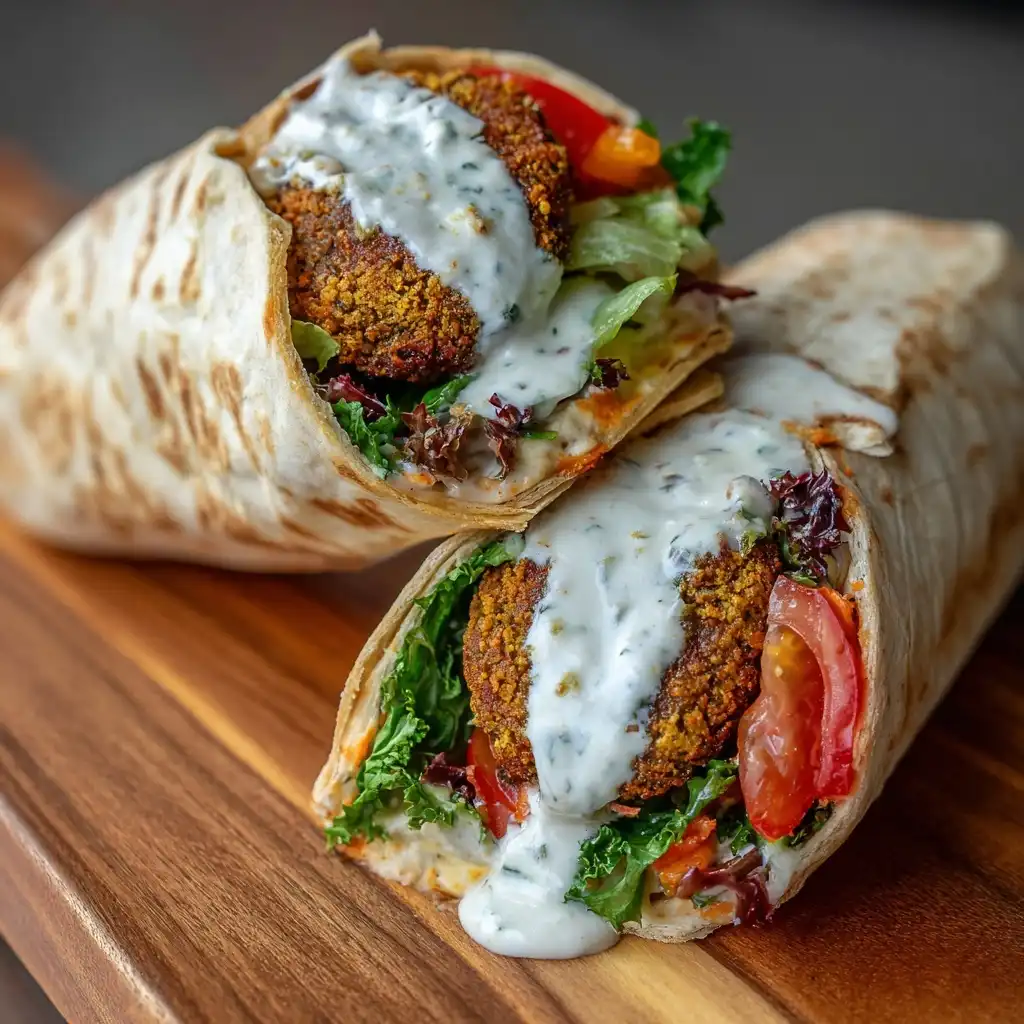
The Crispy Falafel Tahini Wrap is a vibrant, nutrient-dense Middle Eastern street food classic reimagined for modern palates and on-the-go lifestyles. More than just a quick lunch option, it’s a harmonious fusion of textures and flavors—crunchy, golden falafel nestled in soft, warm flatbread alongside cool, creamy tahini sauce, crisp fresh vegetables, and zesty herbaceous notes. This wrap delivers bold authenticity with remarkable versatility: it’s naturally vegan, gluten-free adaptable, protein-rich, and endlessly customizable. Whether you’re meal prepping for the week, hosting a Mediterranean-themed dinner party, or seeking a satisfying plant-based alternative to traditional fast food, the Crispy Falafel Tahini Wrap stands out as both nourishing and deeply flavorful—a celebration of whole foods, time-honored techniques, and culinary creativity.
The History
Falafel’s origins are steeped in centuries of regional debate and cultural evolution—traced by food historians to ancient Egypt around 1000 BCE, where Coptic Christians reportedly crafted fava bean–based patties during Lenten fasting periods. Over time, as trade routes flourished across the Levant and Arabian Peninsula, chickpeas gradually replaced favas in many regions—especially in Palestine, Lebanon, Syria, and Israel—giving rise to the now-iconic green-tinged, herb-flecked falafel we recognize today. The dish spread widely through Ottoman influence and later became a symbol of Palestinian culinary identity and resistance, appearing ubiquitously in souqs, food carts, and family kitchens alike. The tahini sauce, derived from ground sesame seeds, has roots stretching back over 4,000 years to ancient Mesopotamia and was prized by Babylonians and Egyptians for its richness and preservative qualities. The marriage of falafel and tahini—once served separately—solidified into the beloved wrap format in the mid-to-late 20th century, particularly in Tel Aviv and Beirut street stalls, where vendors began tucking hot, freshly fried falafel into pita or laffa bread with pickles, tomatoes, parsley, and generous drizzles of tahini. Today, the Crispy Falafel Tahini Wrap honors this layered legacy while embracing global adaptations—from air-fried versions in health-conscious California kitchens to deconstructed grain bowl iterations in Toronto cafés—proving that tradition and innovation can coexist deliciously.
Ingredients Breakdown
Every component of the Crispy Falafel Tahini Wrap plays a purposeful role—not just in flavor, but in texture balance, nutritional synergy, and sensory contrast. Let’s explore each element in depth:
- Dry Chickpeas (not canned): The non-negotiable foundation. Soaked (but not cooked) dried chickpeas provide the ideal binding structure and nutty, earthy depth. Canned chickpeas contain excess moisture and starch modifiers that cause falafel to disintegrate during frying or baking.
- Fresh Herbs (parsley & cilantro): Not mere garnish—these deliver bright, grassy bitterness and volatile oils that elevate aroma and aid digestion. Flat-leaf parsley contributes chlorophyll-rich freshness; cilantro adds citrusy complexity (omit if genetically sensitive to its soapy taste).
- Aromatics (onion, garlic, scallions): Finely minced (not juiced or pureed) to avoid excess water. Red onion offers subtle sweetness and crunch; garlic imparts pungent warmth; scallions lend mild allium brightness and visual appeal.
- Spice Trinity (cumin, coriander, cayenne): Toasted and ground cumin seeds offer smoky warmth; coriander seeds bring citrusy-sweet nuance; cayenne provides gentle heat—not overwhelming, but awakening. Optional additions include smoked paprika for depth or ground cardamom for floral intrigue.
- Baking Soda (critical!): A tiny amount (¼ tsp per cup of soaked chickpeas) alkalizes the mixture, accelerating Maillard browning and yielding an ultra-crispy exterior while preserving tenderness within. It also neutralizes any residual bitterness from raw legumes.
- Tahini Sauce Base: High-quality, well-stirred 100% stone-ground sesame paste (no added oils or sweeteners). Authentic tahini should be pourable yet rich—thin with ice-cold water gradually to emulsify, never hot water (which causes separation).
- Acid Component (lemon juice + sumac): Lemon juice balances tahini’s richness and enhances bioavailability of iron from chickpeas; sumac—dried, tart red berries—adds tangy, wine-like brightness and deep burgundy flecks that make the sauce visually stunning.
- Wrap Vehicle: Traditional options include pocketless laffa (chewy, slightly charred flatbread), whole wheat pita, or gluten-free saj bread. For low-carb alternatives: butter lettuce cups, grilled cabbage leaves, or jicama “tortillas.” Each affects mouthfeel, structural integrity, and glycemic impact.
- Vegetable Accents: Beyond standard lettuce and tomato: shaved radishes (peppery crunch), pickled turnips (vibrant magenta, lactic tang), cucumber ribbons (cooling hydration), and shredded purple cabbage (anthocyanin-rich crunch and color contrast).
- Finishing Touches: Fresh mint leaves (cooling counterpoint), microgreens (nutrient density), toasted pine nuts or sesame seeds (toasted nuttiness and textural pop), and a final flick of flaky sea salt (umami amplification).
Step-by-Step Recipe
This meticulously tested method prioritizes crispness, cohesion, and consistent results—whether you’re frying, air-frying, or baking. Yield: 16–18 falafel patties (enough for 4 large wraps)
- Soak the Chickpeas: Place 1½ cups dried, unsalted chickpeas in a large glass or ceramic bowl. Cover with at least 4 inches of cold, filtered water. Add 1 tsp apple cider vinegar (lowers pH, improves digestibility). Soak 18–24 hours at room temperature (do not refrigerate—cold slows hydration). Drain and rinse thoroughly. They should be plump but still firm—no wrinkling or splitting. Pat *extremely* dry with clean kitchen towels.
- Prep Aromatics & Herbs: Finely dice ½ medium red onion (reserve 2 tbsp for garnish), 3 garlic cloves, and 4 scallions (white and light green parts only). Roughly chop 1 cup packed flat-leaf parsley and ½ cup packed cilantro—stems included for flavor. Chill all in separate airtight containers until ready.
- Grind the Base: In a food processor fitted with a steel blade, pulse drained chickpeas in 3 batches until coarsely ground—resembling coarse sand with occasional small pebbles (≈15 one-second pulses per batch). *Do not over-process into paste.* Transfer to a large mixing bowl.
- Combine & Rest: To the ground chickpeas, add diced onion, garlic, scallions, parsley, cilantro, 1½ tsp ground cumin, 1 tsp ground coriander, ¼ tsp cayenne, ½ tsp black pepper, 1½ tsp kosher salt, and ¼ tsp baking soda. Mix vigorously with hands or a sturdy spatula for 2 minutes—this develops natural starches for binding. Cover and refrigerate *at least* 2 hours (ideally overnight). Cold firms the mixture and deepens flavor melding.
- Shape with Precision: Line two baking sheets with parchment. Scoop 2 tbsp of chilled mixture and roll firmly into a smooth, compact 1.5-inch ball. Gently flatten between palms to ¾-inch thick patties (slightly wider than your wrap bread). Place on trays, spaced 1 inch apart. Refrigerate uncovered 30 minutes—this prevents steam-induced sogginess during cooking.
- Cook to Crisp Perfection (Choose One Method):
- Frying (Most Authentic Crisp): Heat 2 inches of high-smoke-point oil (avocado, grapeseed, or refined peanut) to 350°F (177°C) in a heavy-bottomed Dutch oven. Fry 4–5 falafel at a time for 3–3.5 minutes, turning once, until deep golden brown and floating steadily. Drain vertically on a wire rack over paper towels—not a plate—to preserve crispness. Season lightly with flaky salt immediately.
- Air-Frying (Health-Conscious Crisp): Preheat air fryer to 375°F (190°C). Lightly spray basket with avocado oil. Arrange falafel in single layer, leaving space. Cook 12–14 minutes, flipping halfway and spraying lightly again at flip. Internal temp should reach 165°F (74°C). Rest 2 minutes before serving.
- Baking (Oil-Free Option): Preheat oven to 400°F (204°C) with convection fan on. Line sheet pans with silicone mats. Brush falafel generously with oil. Bake 25–28 minutes, flipping at 15 minutes, until deeply bronzed and firm to touch.
- Whisk Tahini Sauce: In a bowl, combine ½ cup well-stirred tahini, ⅓ cup ice-cold water, 3 tbsp fresh lemon juice, 1 tsp sumac, 1 minced garlic clove, ½ tsp kosher salt, and a pinch of white pepper. Whisk *vigorously* for 2 minutes until creamy and ribbon-like. If too thick, add water ½ tsp at a time. Refrigerate 30 minutes to mellow garlic bite.
- Warm & Assemble Wraps: Heat chosen flatbread directly over gas flame (5 seconds per side) or in a dry cast-iron skillet until puffed and lightly speckled. Spread 2 tbsp tahini sauce down center third. Layer: 4 falafel, ¼ cup shredded lettuce, 3 tomato slices, 4 radish rounds, 1 tbsp pickled turnips, 1 tbsp reserved red onion, 6 mint leaves, and a sprinkle of toasted sesame seeds. Fold sides inward, then roll tightly from bottom up. Secure with parchment paper wrap or foil for portability.
Tips
- Chill Everything: Cold ingredients, cold bowls, and refrigerated mixture prevent falafel from greasing out or crumbling. Warm hands = mushy falafel. Keep mixing bowl and utensils in freezer 15 minutes before shaping.
- No-Sog Rule: Never assemble wraps more than 10 minutes before eating. Store components separately: falafel (cool completely, then refrigerate up to 4 days or freeze 3 months), tahini (up to 1 week), chopped veggies (in airtight containers with damp paper towel), and bread (wrapped in cloth to retain suppleness).
- Texture Troubleshooting: If mixture feels wet, add 1 tsp almond flour (not breadcrumbs—they turn gummy). If too crumbly, add ½ tsp aquafaba (chickpea brine) or lemon juice—*never* water. Always test-fry one patty first.
- Frying Wisdom: Use a thermometer religiously—oil below 340°F yields greasy falafel; above 365°F burns exteriors before interiors cook. Maintain temp by frying in small batches and letting oil recover between loads.
- Tahini Emulsion Secret: Start with tahini *before* adding liquid. Whisk constantly in one direction. If sauce seizes, add 1 drop of cold water and whisk 30 seconds—it will surrender and smooth out.
- Wrap Integrity Hack: For leak-proof rolls, spread tahini 1 inch from edges. Place fillings in tight horizontal line—not scattered. Roll snugly but without squeezing. Seal seam with a dab of tahini “glue.”
- Re-Crisping Leftovers: Revive refrigerated falafel in air fryer at 375°F for 4–5 minutes. Never microwave—they turn leathery.
- Flavor Layering: Brush cooked falafel with za’atar-spiked olive oil or a whisper of pomegranate molasses before wrapping for umami-sweet depth.
Variations and Customizations
This recipe is a canvas—here’s how to adapt it for dietary needs, seasonal produce, global pantry staples, or playful experimentation:
- Gluten-Free: Use certified GF oats (instead of flour if needed for binding) and serve in gluten-free flatbread or butter lettuce cups. Ensure baking powder and spices are GF-certified.
- Low-FODMAP: Omit onion, garlic, and scallions. Replace with 1 tsp garlic-infused oil (FODMAP-safe) and 2 tbsp chives. Use canned lentils (rinsed) instead of chickpeas—lower in oligosaccharides.
- Protein-Boosted: Blend in 2 tbsp hemp hearts or 1 scoop unflavored pea protein powder. Or top wrap with crumbled feta (if vegetarian) or labneh-marinated chickpeas.
- Spice Level Spectrum: Mild: omit cayenne, add ½ tsp sweet paprika. Medium: keep cayenne. Fiery: add 1 finely minced serrano (seeds in) + ¼ tsp ground Aleppo pepper.
- Herb Swaps: Dill + mint for Persian flair; basil + oregano for Levantine twist; shiso + yuzu kosho for Japanese-Mediterranean fusion.
- Sauce Alternatives:
- Lemon-Tahini-Yogurt: Stir ¼ cup unsweetened dairy-free yogurt into tahini sauce for tangy creaminess.
- Green Harissa Tahini: Blend 1 tbsp North African green harissa with tahini base for herbal heat.
- Pomegranate Molasses Drizzle: Reduce ¼ cup pomegranate juice + 1 tbsp molasses to syrupy glaze—drizzle over assembled wrap.
- Seasonal Veg Rotations: Spring: asparagus ribbons + pea shoots. Summer: heirloom tomato confit + grilled zucchini. Fall: roasted beet slivers + caramelized shallots. Winter: braised kale + roasted carrots.
- Global Twists:
- Mexican-Inspired: Swap tahini for chipotle-lime crema; add pickled red onions, avocado slices, and crumbled cotija.
- Indian-Inspired: Add ½ tsp garam masala + 1 tbsp minced ginger; serve with mint-cilantro chutney and mango pickle.
- East Asian-Inspired: Use toasted sesame oil + rice vinegar in tahini; add quick-pickled daikon and nori strips.
- Deconstructed Versions: Serve as a grain bowl over freekeh or quinoa with falafel crumbles, tahini drizzle, roasted vegetables, and pomegranate arils. Or as a mezze platter with falafel skewers, tahini dip, and crudités.
Health Considerations and Nutritional Value
A single Crispy Falafel Tahini Wrap (using baked falafel, whole wheat pita, and full tahini sauce) delivers approximately 520–580 calories, with exceptional macro- and micronutrient density:
- Plant-Based Protein Powerhouse: ~18g complete protein (chickpeas + tahini + herbs). Contains all 9 essential amino acids when paired with grains—making it a rare vegan “complete protein” meal without supplementation.
- Fiber-Rich & Gut-Healthy: ~14g total fiber (7g soluble from chickpeas/tahini, 7g insoluble from vegetables and whole grains)—supports satiety, blood sugar regulation, and diverse microbiome health. Soaking and chilling further enhance resistant starch formation.
- Heart-Protective Fats: Tahini provides monounsaturated and omega-6 fatty acids in balanced ratios, plus sesamin and sesamolin lignans proven to lower LDL cholesterol and reduce oxidative stress in arterial walls.
- Iron & Vitamin C Synergy: Chickpeas supply non-heme iron (3.5mg per wrap); lemon juice and parsley deliver vitamin C—enhancing iron absorption by up to 300%. Adding sumac (rich in anthocyanins) further boosts bioavailability.
- Anti-Inflammatory Phytonutrients: Parsley (apigenin), cilantro (dodecenal), cumin (cuminaldehyde), and tahini (sesamol) collectively inhibit NF-kB pathway activation—reducing systemic inflammation linked to chronic disease.
- Considerations for Specific Needs:
- For Diabetics: Prioritize baked or air-fried falafel and limit pita to 1 small piece (or use lettuce wrap). Monitor tahini portion (high in calories but low glycemic index). Pair with vinegar-based pickles to blunt glucose spikes.
- For Hypertension: Use low-sodium tahini and omit added salt in falafel—rely on lemon, sumac, and herbs for flavor. Include potassium-rich spinach or Swiss chard.
- For IBS: Follow low-FODMAP modifications above. Avoid cruciferous veggies (cauliflower in falafel) and high-FODMAP herbs like large quantities of raw onion/garlic.
- For Weight Management: Focus on volume eating—double the non-starchy vegetables, use ½ portion tahini, and choose air-fried falafel. The high fiber and protein promote prolonged satiety better than most grain-based meals.
- Myth-Busting: Contrary to belief, properly prepared falafel is *not* inherently “heavy” or “unhealthy.” The key lies in preparation method (avoiding excessive oil absorption), ingredient quality (no MSG or preservatives), and mindful portioning. Homemade versions contain zero trans fats, minimal sodium (vs. restaurant versions averaging 900mg+ per wrap), and no refined flours or stabilizers.
Ingredients
For the Falafel:
- 1½ cups dried chickpeas, soaked 18–24 hours and thoroughly drained
- ½ medium red onion, finely diced (reserve 2 tbsp for garnish)
- 3 large garlic cloves, minced
- 4 scallions, white and light green parts only, finely diced
- 1 cup packed flat-leaf parsley, stems included
- ½ cup packed cilantro, stems included
- 1½ tsp ground cumin
- 1 tsp ground coriander
- ¼ tsp cayenne pepper (adjust to taste)
- ½ tsp freshly ground black pepper
- 1½ tsp kosher salt (or 1 tsp fine sea salt)
- ¼ tsp baking soda
- Avocado oil or grapeseed oil for frying (or as needed for air-frying/baking)
For the Tahini Sauce:
- ½ cup well-stirred, 100% stone-ground tahini (no additives)
- ⅓ cup ice-cold filtered water (plus more as needed)
- 3 tbsp freshly squeezed lemon juice
- 1 tsp sumac
- 1 garlic clove, finely minced or microplaned
- ½ tsp kosher salt
- Pinch of white pepper
For Assembly:
- 4 large whole wheat pitas, laffa, or gluten-free flatbreads
- 1 cup shredded romaine or butter lettuce
- 2 medium ripe tomatoes, sliced ¼-inch thick
- 6–8 thin radish rounds
- 2 tbsp quick-pickled turnips (or store-bought)
- 6 fresh mint leaves
- 1 tbsp toasted sesame seeds or pine nuts
- Flaky sea salt for finishing
Directions
- Soak & Prep Chickpeas: Place dried chickpeas in a large bowl. Cover with at least 4 inches cold water and 1 tsp apple cider vinegar. Soak 18–24 hours at room temperature. Drain, rinse well, and pat *completely* dry with clean towels. Refrigerate uncovered 15 minutes to chill.
- Process Base: In a food processor, pulse drained chickpeas in 3 batches until coarsely ground (like coarse sand). Do *not* over-process. Transfer to a large bowl.
- Mix & Chill: Add diced onion, garlic, scallions, parsley, cilantro, cumin, coriander, cayenne, black pepper, salt, and baking soda. Mix vigorously with hands for 2 minutes until sticky and cohesive. Cover and refrigerate *minimum* 2 hours (overnight preferred).
- Shape Patties: Scoop 2 tbsp mixture, roll into ball, then flatten to ¾-inch thick, 1.5-inch wide patties. Place on parchment-lined trays. Refrigerate uncovered 30 minutes.
- Cook Falafel: Choose method:
- Fry: Heat 2″ oil to 350°F. Fry 4–5 at a time 3–3.5 min until golden, flipping once. Drain on wire rack. Salt immediately.
- Air-Fry: Preheat to 375°F. Spray basket. Cook 12–14 min, flip at 7 min, spray lightly. Rest 2 min.
- Bake: Preheat to 400°F convection. Brush patties with oil. Bake 25–28 min, flip at 15 min.
- Make Tahini Sauce: Whisk tahini, cold water, lemon juice, sumac, garlic, salt, and white pepper until smooth and creamy (2–3 min). Adjust water for desired thickness. Chill 30 min.
- Warm Bread: Heat flatbreads directly over gas flame 5 sec/side or in dry skillet until puffed and speckled.
- Assemble: Spread 2 tbsp tahini down center of bread. Layer falafel, lettuce, tomato, radish, pickled turnips, reserved onion, mint, and sesame seeds. Fold sides in, roll tightly from bottom. Serve immediately—or wrap in parchment for travel.
FAQ
- Can I make falafel without a food processor?
- Yes—but it requires significant effort. Use a box grater (large holes) for chickpeas and herbs, then mash thoroughly with a mortar and pestle or potato masher. Texture will be coarser but still delicious. Expect longer chilling time (3+ hours).
- Why do my falafel fall apart when frying?
- Three main causes: 1) Using canned chickpeas (too wet), 2) Not chilling mixture long enough (starches need time to bind), 3) Oil temperature too low (creates steam pockets). Always test one patty first—and ensure mixture holds shape when pressed.
- Can I freeze falafel?
- Absolutely. Freeze uncooked patties on parchment-lined trays, then transfer to freezer bags for up to 3 months. Cook from frozen—add 1–2 minutes to fry/air-fry time. Do not thaw before cooking.
- Is tahini safe for sesame-allergic individuals?
- No. Tahini is 100% ground sesame seeds and poses serious risk. Substitute sunflower seed butter thinned with lemon juice and garlic—or a cashew-based “creamy herb sauce” made with soaked raw cashews, lemon, garlic, and dill.
- How do I make this Top 8 Allergen-Free?
- Omit tahini (sesame allergen) and use sunflower seed butter. Ensure chickpeas are processed in a dedicated facility (check labels). Use gluten-free flatbread (certified), and verify all spices are allergen-free. Skip nuts/seeds unless confirmed safe.
- Can I use dried herbs instead of fresh?
- Not recommended. Dried parsley/cilantro lack the enzymatic activity, volatile oils, and moisture critical for binding and brightness. If absolutely necessary, use 1 tsp dried parsley + 1 tsp dried cilantro—but expect diminished flavor and looser texture.
- What’s the best way to reheat leftover falafel?
- Air fryer at 375°F for 4–5 minutes restores crispness perfectly. Oven at 400°F for 8–10 minutes works, but may dry out edges. Never microwave—the steam makes them tough and gummy.
- Can I make this oil-free?
- Yes—with caveats. Baking yields decent texture but less crispness. For maximum crunch without oil: try “oven-frying” with aquafaba foam (whip 2 tbsp aquafaba