Introduction
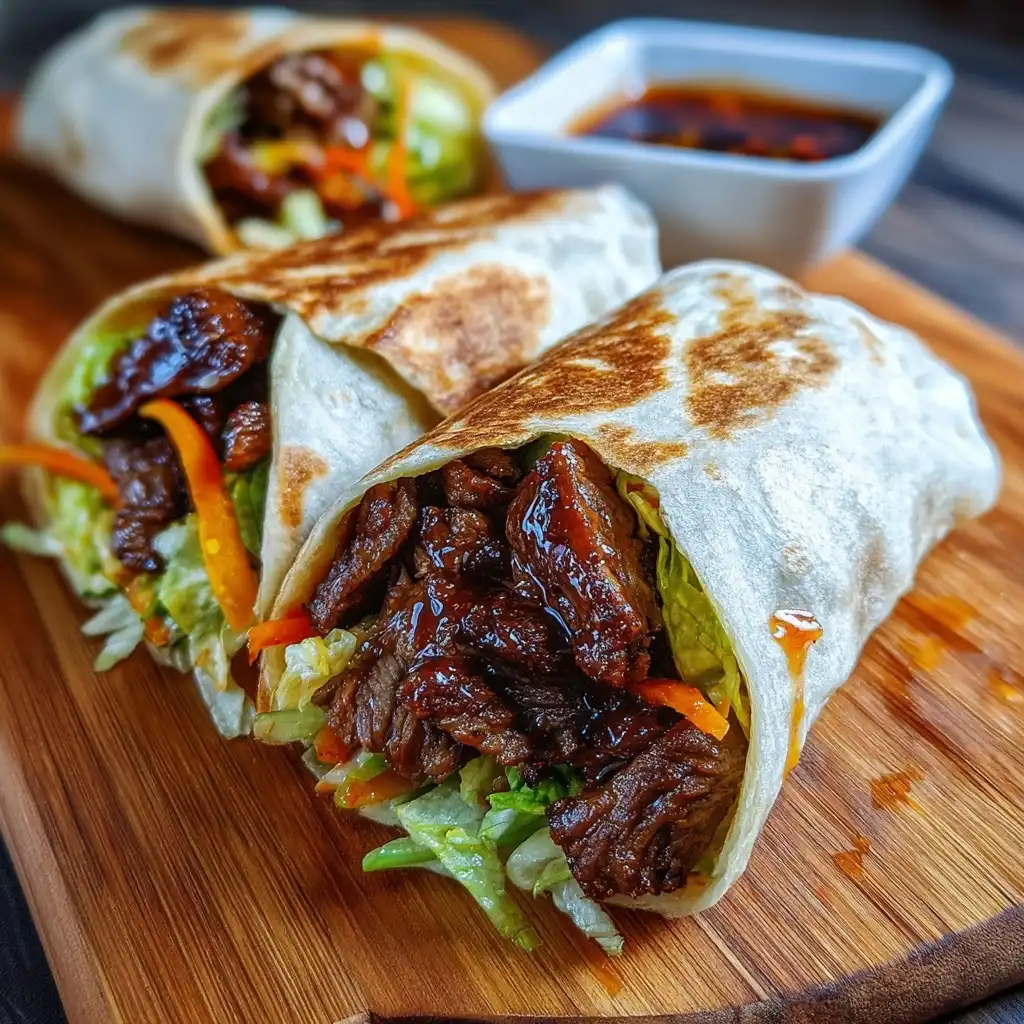
The Beef Teriyaki Wrap is a vibrant fusion dish that masterfully bridges the rich umami depth of traditional Japanese teriyaki with the portable, customizable convenience of a Western-style wrap. Born from the global culinary cross-pollination of the late 20th and early 21st centuries, this recipe transforms tender strips of marinated beef into a satisfying, handheld meal—perfect for busy professionals, health-conscious foodies, students on-the-go, or anyone craving bold flavor without the fuss of formal plating. Unlike conventional teriyaki served over rice or noodles, the wrap format adds textural contrast (crisp lettuce, soft tortilla), freshness (cool vegetables and herbs), and a dynamic interplay of temperatures and mouthfeels. It’s not merely a sandwich—it’s an experience: savory-sweet glaze clinging to caramelized beef, bright acidity cutting through richness, and the gentle chew of warm, pliable flatbread enveloping it all. Whether enjoyed as a quick lunch, a picnic centerpiece, or even a deconstructed appetizer at gatherings, the Beef Teriyaki Wrap embodies modern eating: globally inspired, nutritionally balanced, visually appealing, and deeply flavorful.
The History
While teriyaki itself traces its roots to feudal Japan—where “teri” (luster or shine) and “yaki” (grill or broil) described the glossy, caramelized finish achieved by grilling fish or meat basted in a soy-mirin-sake reduction—the wrap iteration is a distinctly contemporary American-Japanese fusion innovation. Teriyaki gained widespread popularity in the United States during the mid-20th century, particularly after WWII, when Japanese immigrants and U.S. service members returned home with newfound appreciation for its complex balance of salt, sweetness, and umami. By the 1970s and 80s, teriyaki became a staple in Hawaiian cuisine (influenced by Japanese plantation workers), leading to the iconic “Hawaiian teriyaki beef,” often served with pineapple and rice. The evolution into a wrap format accelerated in the 1990s and early 2000s alongside the rise of fast-casual dining concepts like Panda Express (which launched its Teriyaki Chicken Bowl in 1993) and the broader “build-your-own” food movement. Chefs and home cooks alike began experimenting with teriyaki proteins beyond chicken—especially lean flank or sirloin steak—and pairing them with fresh produce and soft flour tortillas, inspired by Mexican burritos and Middle Eastern gyros. Food trucks, college dining halls, and corporate cafeterias embraced the concept for its speed, scalability, and crowd-pleasing versatility. Today, the Beef Teriyaki Wrap appears on menus from coast to coast—from upscale gastropubs offering miso-infused glazes and pickled daikon to meal-prep subscription services delivering vacuum-sealed, ready-to-assemble kits with pre-marinated beef strips and toasted tortillas. Its enduring appeal lies in its cultural elasticity: honoring tradition while fearlessly adapting to modern lifestyles, dietary preferences, and global pantry staples.
Ingredients Breakdown
Understanding each component’s role elevates your Beef Teriyaki Wrap from good to extraordinary. Let’s dissect the core elements with precision:
- Beef: Flank steak or skirt steak are ideal—lean, flavorful, and quick-cooking. Their long muscle fibers benefit immensely from thin slicing *against the grain* after cooking, ensuring tenderness. Sirloin offers a slightly more tender, milder option; tri-tip provides excellent marbling and juiciness. Avoid stewing cuts (like chuck) unless slow-braised first—they’ll turn tough under high-heat stir-fry methods.
- Soy Sauce: The salty, fermented backbone of teriyaki. Use low-sodium soy sauce for better sodium control, or premium Japanese shoyu for nuanced complexity. Tamari is a gluten-free alternative with deeper, richer notes; coconut aminos offer a milder, slightly sweeter, soy-free option.
- Mirin: A sweet rice wine essential for authentic teriyaki’s signature sheen and subtle acidity. Its natural sugars caramelize beautifully. If unavailable, substitute with dry sherry + ½ tsp sugar per tbsp, or rice vinegar + 1 tsp brown sugar—but true mirin delivers irreplaceable depth.
- Sake: Adds aromatic complexity and helps tenderize. Dry cooking sake works, but avoid “cooking wine” with added salt. Substitute with dry white wine or omit entirely if needed—the mirin and sugar will compensate.
- Sugar: Traditionally white granulated sugar, but brown sugar imparts molasses warmth; honey adds floral notes and extra gloss; maple syrup lends earthy sweetness and pairs beautifully with smoky flavors. Adjust quantity based on desired sweetness level and glaze thickness.
- Fresh Ginger & Garlic: Non-negotiable for aromatic brightness and pungent depth. Grate fresh ginger (not powdered) for maximum volatile oils and zing. Mince garlic finely—or use a press—for even distribution and potent flavor release.
- Sesame Oil: Used *only* for finishing or drizzling—not for cooking (its low smoke point causes burning). Toasted sesame oil contributes intense nuttiness and aroma; use sparingly to avoid bitterness.
- Tortillas: Large (10–12 inch), soft flour tortillas are standard for pliability and structural integrity. Whole wheat, spinach, or tomato tortillas add color and nutrients. For gluten-free needs, certified GF tortillas made from cassava, almond flour, or brown rice work well—just warm them gently to prevent cracking. Corn tortillas offer authenticity but require stacking (2–3) for durability.
- Vegetables: Romaine or butter lettuce provides crisp, cool contrast. Shredded red cabbage adds crunch, color, and antioxidants. Thinly sliced cucumber (English or Persian) contributes refreshing coolness. Carrot ribbons or julienned bell peppers (red, yellow, orange) bring sweetness, texture, and vitamins. Scallions add sharp onion bite and visual pop.
- Extras & Garnishes: Toasted sesame seeds (white or black) lend nutty crunch and visual elegance. Pickled ginger (gari) offers palate-cleansing acidity. Fresh cilantro or Thai basil introduces herbal brightness. A drizzle of sriracha-mayo or wasabi aioli adds creamy heat. Crispy fried shallots or nori strips provide gourmet texture.
Step-by-Step Recipe
Follow this meticulously tested, chef-developed sequence for flawless results every time:
- Marinate the Beef (30 min–24 hrs): In a non-reactive bowl (glass or stainless steel), combine ⅓ cup low-sodium soy sauce, 3 tbsp mirin, 2 tbsp sake (or dry white wine), 2 tbsp brown sugar, 1 tbsp grated fresh ginger, 2 minced garlic cloves, and 1 tsp toasted sesame oil. Whisk until sugar dissolves completely. Add 1 lb thinly sliced flank steak (cut across the grain into ¼-inch wide strips). Toss to coat evenly. Cover and refrigerate for minimum 30 minutes (for quick weeknight meals) or up to 24 hours (for deeper penetration and tenderness). Do not exceed 24 hours—acid can begin to “cook” the beef, making it mushy.
- Prepare Glaze & Vegetables (15 min): While beef marinates, prepare components. Whisk together remaining marinade (reserve 2 tbsp) with 1 tsp cornstarch to create a slurry—this will thicken the glaze. Julienne 1 cup red cabbage, shred 1 cup romaine, slice ½ English cucumber into thin ribbons, and julienne 1 large carrot. Thinly slice 3 scallions (green and white parts). Toast 2 tbsp sesame seeds in a dry skillet over medium-low heat for 1–2 minutes until golden and fragrant; set aside.
- Cook the Beef (8–10 min): Heat 1 tbsp neutral oil (avocado or grapeseed) in a large cast-iron skillet or wok over high heat until shimmering. Remove beef strips from marinade, shaking off excess (reserve marinade!). Sear beef in a single layer without overcrowding—work in batches if necessary. Cook 1–2 minutes per side until deeply browned and just cooked through (internal temp 135°F for medium-rare, 145°F for medium). Transfer to a clean plate; tent loosely with foil.
- Reduce & Thicken Glaze (3–4 min): Reduce heat to medium. Pour reserved marinade (including any juices collected on the plate) into the hot skillet. Bring to a simmer, scraping up browned bits. Whisk in cornstarch slurry. Simmer 2–3 minutes, stirring constantly, until thickened to a glossy, syrupy consistency that coats the back of a spoon. Stir in cooked beef and toss gently to coat evenly. Cook 1 minute more to heat through. Remove from heat; stir in ½ tsp toasted sesame oil.
- Warm Tortillas (2 min): Heat tortillas one at a time in a dry skillet over medium heat for 20–30 seconds per side until pliable and lightly speckled. Alternatively, wrap a stack in damp paper towels and microwave for 20 seconds. Keep wrapped in a clean kitchen towel to retain steam and flexibility.
- Assemble Wraps (3 min): Lay a warm tortilla flat. Center ¾ cup beef mixture slightly below the midpoint. Top with ¼ cup shredded romaine, 2 tbsp red cabbage, 1 tbsp cucumber ribbons, 1 tbsp carrot, and 1 tsp scallions. Sprinkle generously with toasted sesame seeds. Optional: add 1 tsp pickled ginger or a drizzle of sriracha-mayo. Fold bottom edge up over filling, then fold left and right sides inward, and roll tightly away from you to seal. Press gently to secure.
- Serve Immediately: Serve whole or cut in half diagonally. Accompany with extra glaze for dipping, steamed edamame, or a simple miso soup.
Tips
- Slice Against the Grain Religiously: This is the #1 secret to tender beef. Identify the direction of the long muscle fibers—then cut perpendicular (at a 90-degree angle) to shorten them. This prevents chewiness, especially crucial for lean cuts like flank.
- Don’t Skip the High-Heat Sear: Achieving a proper Maillard reaction (browning) creates complex, savory compounds that form the foundation of flavor. Ensure your pan is smoking hot before adding beef, and avoid moving it until a crust forms.
- Reserve Marinade Separately: Never reuse raw marinade that touched uncooked beef—it’s a food safety hazard. Always set aside a portion *before* adding meat, or boil the used marinade for 3+ minutes to kill bacteria before reducing.
- Thicken Glaze Off-Heat (Optional Pro Move): For ultra-glossy, restaurant-quality glaze, remove skillet from heat before adding cornstarch slurry. Whisk vigorously as it thickens—this prevents lumps and gives smoother texture.
- Warm Tortillas Properly: Cold or stiff tortillas crack. Steam is key: microwaving with damp paper towels or dry-skillet heating with a lid traps moisture. Store leftover tortillas in an airtight bag with a damp paper towel to prevent drying.
- Bloom Spices (If Using): For variations with five-spice powder or toasted sesame seeds, bloom them in ½ tsp oil over low heat for 30 seconds before adding to glaze—releases volatile oils and intensifies aroma.
- Rest Beef Before Slicing (If Pre-Cooking): If preparing beef ahead, let it rest 5–10 minutes after cooking before slicing—retains juices and improves texture.
- Balance Acidity: If glaze tastes overly sweet or heavy, brighten it with ½ tsp rice vinegar or lime juice stirred in at the end.
- Prevent Sogginess: Layer lettuce *under* warm beef—not on top—to act as a barrier against moisture. Pat vegetables dry if washed.
- Meal Prep Friendly: Marinate beef and prep veggies up to 2 days ahead. Cook beef and reduce glaze up to 3 days ahead; reheat gently in skillet with 1 tsp water to restore moisture. Assemble wraps fresh.
Variations and Customizations
Embrace creativity—this recipe is a canvas for personalization:
- Dietary Adaptations: Gluten-Free: Use tamari instead of soy sauce and certified GF tortillas. Vegan/Vegetarian: Substitute beef with extra-firm tofu (pressed & cubed), seitan, or king oyster mushrooms (sliced thickly, marinated same way). Add 1 tbsp nutritional yeast to glaze for umami boost. Keto/Low-Carb: Skip tortilla; serve beef and veggies over cauliflower rice or in butter lettuce cups. Use erythritol or monk fruit sweetener instead of sugar.
- Protein Swaps: Chicken breast or thighs (sliced thin), pork tenderloin, shrimp (marinate 15 min max), or salmon fillet (skin-on, seared skin-side down first). Adjust cook times accordingly.
- Flavor Twists: Spicy Teriyaki: Add 1–2 tsp gochujang or sambal oelek to marinade. Smoky Teriyaki: Include ½ tsp smoked paprika or a few drops of liquid smoke. Umami Bomb: Stir 1 tsp white miso paste into reduced glaze. Pineapple Teriyaki: Add ¼ cup finely diced fresh pineapple to glaze during final simmer for tropical tang.
- Tortilla Alternatives: Nori sheets (for sushi-roll style), collard green leaves (blanched 30 sec for pliability), whole-grain lavash, or even a thin, crepe-like buckwheat galette.
- Gourmet Upgrades: Top with microgreens, yuzu kosho (citrus-chili paste), black garlic paste, furikake seasoning, crispy wonton strips, or a quenelle of wasabi crème fraîche.
- Global Fusions: Mexi-Teri: Add pickled jalapeños, cotija cheese, and avocado slices. Hawaiian Style: Include grilled pineapple chunks and macadamia nuts. Mediterranean Teriyaki: Swap scallions for red onion, add kalamata olives and crumbled feta.
- Breakfast Wrap: Add a soft-scrambled egg or a fried egg on top of the beef before rolling.
Health Considerations and Nutritional Value
A thoughtfully prepared Beef Teriyaki Wrap can be a nutrient-dense, balanced meal—here’s how to optimize it:
- Sodium Awareness: Traditional teriyaki is high in sodium due to soy sauce. Mitigate by using low-sodium soy sauce/tamari, reducing added salt, increasing fresh herbs/spices for flavor, and rinsing canned ingredients (if used). One serving typically contains 600–900mg sodium—well within the FDA’s <1,500mg daily limit for sensitive individuals, but monitor if managing hypertension.
- Smart Fat Choices: Flank steak is naturally lean (≈3g saturated fat per 3oz cooked). Opt for heart-healthy oils (avocado, grapeseed) for cooking and limit sesame oil to finishing. Skip high-fat toppings like full-fat mayo or excessive cheese.
- Sugar Consciousness: While sugar is integral to teriyaki’s balance, refined sugar intake should be moderated. Brown sugar, honey, or maple syrup offer trace minerals vs. white sugar. For lower glycemic impact, use monk fruit or allulose. Total sugar per wrap: ~12–18g (mostly from glaze)—factor into daily limits (≤25g added sugar for women, ≤36g for men).
- Protein Power: Provides ~25–35g high-quality complete protein per wrap—essential for muscle repair, satiety, and metabolic health. Pairing with whole-grain tortillas further enhances amino acid profile.
- Fiber & Phytonutrients: Vegetables contribute 4–6g fiber, plus vitamins A, C, K, folate, and antioxidants like anthocyanins (cabbage) and beta-carotene (carrots). Adding spinach or kale boosts iron and calcium.
- Portion Control: A standard wrap uses ~10–12 inch tortilla (200–280 calories) and 4–5 oz beef. Scale portions mindfully—larger wraps increase calorie density. Consider “deconstructed” bowls for easier macro tracking.
- Allergen Notes: Contains soy (soy sauce), gluten (standard tortillas, soy sauce), sesame (oil/seeds). Clearly label substitutions for guests with allergies (e.g., “tamari-based, GF tortilla, seed-free”).
- Food Safety: Cook beef to minimum safe internal temperature (145°F for whole cuts, 160°F for ground). Refrigerate leftovers within 2 hours. Consume within 3–4 days.
Estimated Nutrition Per Standard Wrap (using flank steak, low-sodium soy, brown sugar, whole wheat tortilla, and generous veggies): Calories: 480–550 | Protein: 32g | Carbs: 45g (Dietary Fiber: 6g, Sugars: 14g) | Fat: 18g (Saturated: 5g) | Sodium: 720mg | Vitamin A: 120% DV | Vitamin C: 65% DV | Iron: 25% DV | Calcium: 15% DV.
Ingredients
- 1 pound flank steak, trimmed of excess fat
- ⅓ cup low-sodium soy sauce (or tamari for GF)
- 3 tablespoons mirin
- 2 tablespoons sake (or dry white wine)
- 2 tablespoons packed light brown sugar
- 1 tablespoon freshly grated ginger (about 1-inch knob)
- 2 cloves garlic, finely minced
- 1 teaspoon toasted sesame oil (for marinade)
- 1 tablespoon neutral cooking oil (avocado or grapeseed)
- 1 teaspoon cornstarch
- ½ teaspoon toasted sesame oil (for finishing)
- 4 large (10–12 inch) soft flour tortillas (whole wheat or GF as needed)
- 2 cups shredded romaine or butter lettuce
- 1 cup thinly shredded red cabbage
- ½ English cucumber, julienned or ribboned
- 1 large carrot, julienned or grated
- 3 scallions, thinly sliced (green and white parts)
- 2 tablespoons toasted white or black sesame seeds
- Optional garnishes: pickled ginger, sriracha-mayo, cilantro leaves, lime wedges
Directions
- Place flank steak on a cutting board. Identify the grain (long muscle fibers). Using a very sharp knife, slice *against the grain* into thin (¼-inch) strips. Place in a glass or stainless-steel bowl.
- In a small bowl, whisk together soy sauce, mirin, sake, brown sugar, grated ginger, minced garlic, and 1 tsp toasted sesame oil until sugar is fully dissolved. Pour marinade over beef, tossing to coat evenly. Cover and refrigerate for at least 30 minutes, or up to 24 hours.
- Prepare vegetables: shred lettuce, shred cabbage, julienne cucumber and carrot, slice scallions. Toast sesame seeds in a dry skillet over medium-low heat for 1–2 minutes until fragrant and golden; set aside.
- When ready to cook, remove beef from fridge. Lift strips out of marinade (do not pour marinade in yet), letting excess drip off. Reserve marinade separately in a small bowl. Heat neutral oil in a large skillet or wok over high heat until shimmering.
- Add beef in a single layer (work in batches if needed). Sear undisturbed for 1–2 minutes until deeply browned on one side. Flip and cook 1–2 minutes more until just cooked through. Transfer to a clean plate; tent with foil.
- Reduce heat to medium. Pour reserved marinade into the hot skillet. Bring to a simmer, scraping up browned bits. In a separate small bowl, whisk cornstarch with 1 tsp cold water to make a slurry. Whisk slurry into simmering marinade. Cook, stirring constantly, for 2–3 minutes until thickened to a glossy, syrupy consistency.
- Return cooked beef to skillet. Stir gently to coat thoroughly in glaze. Cook 1 minute more to heat through. Remove from heat. Stir in ½ tsp toasted sesame oil.
- Warm tortillas: Heat a dry skillet over medium heat. Warm each tortilla for 20–30 seconds per side until pliable and lightly speckled. Stack and wrap in a clean kitchen towel to keep warm and moist.
- Assemble: Lay a warm tortilla flat. Spoon ¾ cup beef mixture onto the center, slightly below the halfway point. Top with ¼ cup romaine, 2 tbsp red cabbage, 1 tbsp cucumber, 1 tbsp carrot, and 1 tsp scallions. Sprinkle with 1 tsp toasted sesame seeds. Add optional garnishes.
- Roll tightly: Fold the bottom edge up over the filling. Fold the left and right sides inward. Roll firmly away from you to seal. Press gently to secure. Repeat with remaining ingredients.
- Optionally, slice each wrap in half diagonally for presentation. Serve immediately with extra teriyaki glaze for dipping and lime wedges on the side.
FAQ
- Can I use frozen beef?
- Yes—but thaw completely in the refrigerator overnight. Never marinate or cook partially frozen beef, as it won’t absorb flavors evenly and may cook unevenly, leading to toughness or food safety risks.
- Why is my teriyaki glaze too thin or too thick?
- Too thin? Simmer longer to reduce, or whisk in an additional ¼ tsp cornstarch slurry. Too thick? Whisk in 1 tsp warm water or broth, ½ tsp at a time, until desired consistency. Cornstarch thickens only when boiled—ensure it reaches a full simmer for 1 minute.
- Can I make this ahead for meal prep?
- Absolutely. Marinate beef and chop veggies up to 2 days ahead. Cook beef and reduce glaze up to 3 days ahead; store separately in airtight containers in the fridge. Reheat beef+glaze gently in a skillet with 1 tsp water. Warm tortillas and assemble wraps fresh—prevents sogginess.
- What’s the best way to store leftovers?
- Store cooled beef+glaze and chopped vegetables separately in airtight containers. Refrigerate up to 3 days. Do not store assembled wraps—they’ll become soggy and the tortilla may tear. Freeze beef+glaze only (up to 2 months); thaw overnight in fridge before reheating.
- My tortillas keep cracking! What’s wrong?
- Tortillas are likely too cold or dry. Always warm them properly (dry skillet or damp paper towel + microwave). If using older tortillas, refresh them by wrapping in damp paper towels and microwaving for 15–20 seconds. Gluten-free tortillas benefit from a quick 5-second flash in a hot skillet.
- Is there a low-sugar version?
- Yes. Replace brown sugar with 1–2 tbsp monk fruit sweetener or allulose. Add 1 tsp apple cider vinegar to the glaze to mimic the brightness lost with reduced sugar. Increase ginger and garlic for robust flavor without sweetness.
- Can I grill the beef instead of pan-searing?
- Absolutely—and highly recommended for smoky depth! Preheat grill to high. Grill marinated beef strips in batches over direct heat for 1–2 minutes per side. Finish glazing in a skillet as directed, or brush with warmed glaze during the last 30 seconds of grilling.
- What sides pair well with this wrap?
- Classic pairings: Steamed short-grain rice, miso soup, edamame with sea salt, seaweed salad, or a simple cucumber-miso salad. For lighter options: Mixed greens with ginger dressing, roasted sweet potato wedges, or chilled soba noodle salad.
- How do I prevent the wrap from falling apart?
- Use large, pliable tortillas. Don’t overfill—stick to the recommended amounts. Fold bottom up first, then tuck sides in tightly before rolling. Wrap snugly in parchment paper or foil for 5 minutes before serving—this helps it hold its shape. Serve seam-side down.
- Can kids enjoy this?
- Yes! Omit spicy additions (sriracha, wasabi). Use mild ginger (½ tsp), reduce sugar slightly, and include familiar favorites like shredded carrots and cucumbers. Let them assemble their own for fun engagement. Cut into smaller pinwheels for easy handling.
Summary
The Beef Teriyaki Wrap is a harmonious fusion of Japanese umami mastery and modern, portable convenience—transforming marinated, caramelized beef into a vibrant, nutrient-rich handheld meal bursting with sweet-savory depth, crisp freshness, and satisfying texture.
By honoring