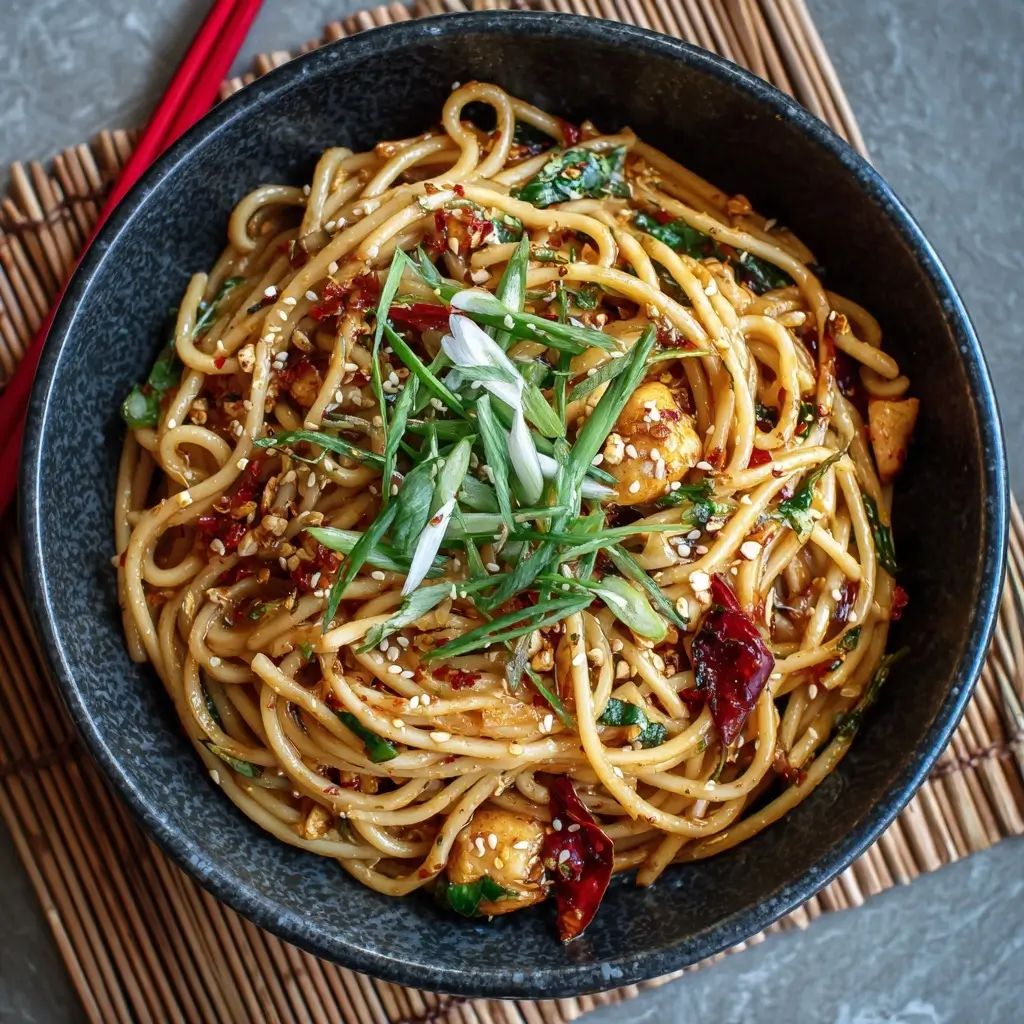
Spicy Szechuan Noodles: A Fiery Symphony of Flavors
The History of Spicy Szechuan Noodles
The origins of Spicy Szechuan Noodles can be traced back to the mountainous Sichuan province in southwestern China, a region renowned for its bold, pungent, and tongue-tingling cuisine. Historically, the humid climate of Sichuan influenced the development of its culinary traditions—spices such as Sichuan peppercorns and chili peppers were not only prized for their flavor but also believed to help dispel dampness from the body. The use of these ingredients dates back over 2,000 years, with early records indicating that locals cultivated and traded spices along ancient trade routes.
Sichuan peppercorns, despite their name, are not true peppers but the dried husks of berries from the Zanthoxylum genus of plants. They produce a unique numbing sensation known as “ma” (numb) which, when paired with “la” (spicy heat), forms the celebrated “mala” flavor profile central to many Sichuan dishes. Over centuries, this flavor combination became deeply embedded in regional cooking, evolving into iconic dishes like Mapo Tofu, Dan Dan Noodles, and Chongqing Hot Pot.
Spicy Szechuan Noodles, while not an ancient dish per se, emerged as a modern interpretation of traditional Sichuan flavors adapted for quick, satisfying meals. It draws inspiration from street food culture in cities like Chengdu and Chongqing, where vendors serve up steaming bowls of noodles drenched in fiery sauces. As Chinese cuisine spread globally during the 20th century, particularly through Chinese immigrants and restaurants abroad, Western adaptations began to emerge. These versions often amplify the heat and simplify preparation, making Spicy Szechuan Noodles a favorite among adventurous eaters and home cooks alike.
Today, the dish symbolizes the global appreciation for bold, complex flavors and stands as a testament to how regional specialties can transcend borders while maintaining their cultural essence. From humble street stalls to upscale fusion restaurants, Spicy Szechuan Noodles continue to captivate palates around the world.
Ingredients Breakdown
To create authentic and delicious Spicy Szechuan Noodles, it’s essential to understand each ingredient’s role in building layers of flavor, texture, and aroma. Here’s a detailed breakdown:
- Fresh Noodles (or Dried): Traditionally, alkaline wheat noodles (like ramen or lo mein) are used for their chewy texture and ability to hold up against robust sauces. Fresh egg noodles offer superior mouthfeel, but dried alternatives work well too.
- Sichuan Peppercorns: The hallmark of any authentic Sichuan dish. When toasted and ground, they release a citrusy, floral aroma and induce a tingling, numbing sensation on the tongue. Use whole peppercorns and lightly toast them before grinding for maximum flavor.
- Dry Red Chili Peppers: These provide deep, smoky heat. Crushed or broken into pieces, they infuse oil with capsaicin-rich spice. Varieties like facing heaven chilies are commonly used in Sichuan cooking.
- Chili Oil: Often homemade by steeping dried chilies in hot oil, this adds both heat and glossy richness. Store-bought versions may contain additional seasonings like garlic or star anise.
- Garlic: Minced fresh garlic contributes pungency and depth, forming the aromatic base of the sauce.
- Ginger: Freshly grated or julienned ginger adds warmth and brightness, balancing the heaviness of oil and spice.
- Scallions (Green Onions): Used both cooked and raw, scallions add freshness and color contrast. The white parts are typically sautéed; green parts garnish at the end.
- Soy Sauce (Light and Dark): Light soy provides saltiness without overpowering color, while dark soy adds caramelized depth and a richer hue.
- Chinkiang Vinegar (Chinese Black Vinegar): This aged rice vinegar has a malty, slightly sweet tang that cuts through the heat and fat, enhancing overall balance.
- Sesame Oil: A few drops of toasted sesame oil elevate the fragrance, adding nuttiness and complexity.
- Sugar: A small amount balances acidity and heat, rounding out sharp edges in the sauce.
- Ground Pork or Beef (optional): Adds savory umami and protein. Browned separately before being incorporated into the sauce.
- Bok Choy, Napa Cabbage, or Spinach: Leafy greens add texture, nutrition, and visual appeal. Blanched or stir-fried briefly to retain crispness.
- Toasted Sesame Seeds and Chopped Peanuts: For garnish, contributing crunch and subtle nuttiness.
- Vegetable or Peanut Oil: High smoke point oils are ideal for frying aromatics and chilies without burning.
Step-by-Step Recipe
Follow these meticulous steps to craft restaurant-quality Spicy Szechuan Noodles at home:
- Prepare Ingredients: Mise en place is crucial. Measure out all ingredients beforehand—mince garlic, grate ginger, slice scallions, crush chilies, toast and grind Sichuan peppercorns, mix sauce components, and blanch greens if using. Set aside.
- Cook the Noodles: Bring a large pot of water to a rolling boil. Add a pinch of salt and cook noodles according to package instructions until al dente. Drain and rinse under cold water to stop cooking. Toss with a drizzle of oil to prevent sticking. Keep warm.
- Make the Infused Chili Oil (Optional but Recommended): In a small saucepan, heat ½ cup vegetable oil over medium-low heat. Add 2 tablespoons crushed dried red chilies, 1 teaspoon Sichuan peppercorns, 3 smashed garlic cloves, and a 1-inch piece of ginger. Simmer gently for 5–7 minutes until fragrant. Strain and reserve the oil; discard solids or save for other uses.
- Build the Sauce: In a bowl, combine 3 tbsp light soy sauce, 1 tbsp dark soy sauce, 2 tbsp Chinkiang vinegar, 1 tsp sugar, 1 tsp sesame oil, and 2 tbsp of the infused chili oil. Mix well and set aside.
- Sauté Aromatics: Heat 2 tbsp oil in a wok or large skillet over high heat. Add minced garlic, grated ginger, and white parts of scallions. Stir-fry for 30 seconds until fragrant but not browned.
- Add Protein (If Using): Push aromatics to one side. Add ground pork or beef and stir-fry until browned and crumbly. Break up clumps with a spatula. Mix into aromatics.
- Incorporate Greens: Add bok choy or spinach and toss quickly until just wilted—about 1–2 minutes. Remove from heat temporarily if needed.
- Combine Everything: Return noodles to the wok. Pour in prepared sauce and toss vigorously to coat evenly. Cook for another 1–2 minutes on medium-high heat, allowing flavors to meld.
- Finish with Numbing Heat: Sprinkle freshly ground toasted Sichuan peppercorns over the noodles. Toss once more.
- Garnish and Serve: Plate immediately. Top with green scallion slices, toasted sesame seeds, chopped peanuts, and extra chili flakes for those who crave more heat.
Tips for Perfect Spicy Szechuan Noodles
- Toast Sichuan Peppercorns Properly: Dry-toast whole peppercorns in a pan over low heat for 2–3 minutes until fragrant. Let cool, then grind finely. Avoid burning—they turn bitter.
- Control the Heat Level: Adjust the number of dried chilies based on your tolerance. Remove seeds for milder heat; keep them in for extreme spice.
- Use Fresh Ingredients: Stale garlic, old vinegar, or rancid oils can ruin the dish. Always use fresh aromatics and quality condiments.
- Don’t Overcook Noodles: Mushy noodles can’t stand up to bold sauces. Aim for firm, springy texture.
- Balancing Flavors Is Key: Taste as you go. If too salty, add a splash of vinegar or sugar. If too sour, balance with soy or a bit more oil.
- Double the Sauce for Leftovers: The sauce keeps well refrigerated for up to two weeks and makes future meals faster.
- Reserve Some Pasta Water: Like Italian pasta dishes, a splash of starchy noodle water can help emulsify the sauce and improve cling.
- Serve Immediately: These noodles lose vibrancy if left sitting. Best enjoyed hot and fresh off the flame.
Variations and Customizations
Spicy Szechuan Noodles are highly adaptable. Here are popular variations to suit different tastes and dietary needs:
- Vegan/Vegetarian Version: Omit meat and use tofu, tempeh, or mushrooms (shiitake or oyster) for umami. Ensure soy sauce is vegan (no fish derivatives).
- Gluten-Free Option: Substitute wheat noodles with rice noodles, soba (if buckwheat-only), or gluten-free ramen. Use tamari instead of soy sauce.
- Seafood Twist: Add sautéed shrimp, squid, or scallops for a coastal flair. Pair with a touch of rice wine in the sauce.
- Cold Spicy Noodles (Liang Mian): Chill cooked noodles and serve cold with the same spicy dressing—perfect for summer.
- Noodle Swap: Try udon, soba, glass noodles (mung bean threads), or even spiralized zucchini for lower-carb options.
- Extra Crunch: Top with crispy fried shallots, garlic chips, or crushed lotus root chips.
- Fusion Inspirations: Add Korean gochujang for fermented depth, Japanese yuzu kosho for citrusy heat, or Thai bird’s eye chilies for tropical fire.
- Dairy Twist (Unconventional): For a creamy version, swirl in a spoonful of coconut milk or cashew cream to tame the heat.
Health Considerations and Nutritional Value
While undeniably delicious, Spicy Szechuan Noodles should be consumed mindfully due to their rich composition:
Nutritional Profile (Approximate per Serving – with pork, standard noodles):
- Calories: ~600–750 kcal
- Protein: 20–25g
- Fat: 25–35g (varies with oil usage)
- Carbohydrates: 70–85g
- Sodium: 1200–1800mg (high due to soy sauce and seasoning)
- Fiber: 4–6g (with added vegetables)
Health Benefits:
- Sichuan Peppercorns: Contain antioxidants and have anti-inflammatory properties. May aid digestion and circulation.
- Chili Peppers: Rich in capsaicin, which may boost metabolism, reduce appetite, and support heart health.
- Ginger and Garlic: Known for immune-boosting, antimicrobial, and anti-nausea effects.
- Vegetables: Increase fiber, vitamins A, C, and K, and phytonutrients when leafy greens are included.
Health Concerns:
- High Sodium: Excessive intake may contribute to hypertension. Reduce sodium by using low-sodium soy sauce or diluting with water.
- Oil Content: Heavy use of oil increases calorie density. Control portions or use non-stick pans with minimal oil.
- Spice Sensitivity: The intense heat and numbing effect may trigger acid reflux, gastritis, or discomfort in sensitive individuals.
- Allergens: Contains gluten (noodles, soy sauce), soy, and potentially nuts (peanut garnish). Adapt accordingly for allergies.
For a healthier twist: increase vegetable content, use lean proteins, reduce oil, opt for whole grain noodles, and control portion sizes.
Full Ingredient List
- 8 oz (225g) fresh or dried wheat noodles
- 2 tbsp vegetable oil (plus more for chili oil)
- 3 cloves garlic, minced
- 1 tbsp fresh ginger, grated
- 2–3 dry red chilies, broken (adjust to taste)
- 1 tsp Sichuan peppercorns, toasted and ground
- ¼ lb (115g) ground pork or beef (optional)
- 2 cups bok choy or spinach, roughly chopped
- 3 green onions, sliced (white and green parts separated)
- 3 tbsp light soy sauce
- 1 tbsp dark soy sauce
- 2 tbsp Chinkiang black vinegar (or substitute rice vinegar + dash molasses)
- 1 tsp sugar
- 1 tsp toasted sesame oil
- 2 tbsp chili oil (homemade or store-bought)
- 1 tbsp toasted sesame seeds
- 2 tbsp chopped roasted peanuts
Directions
- Bring a large pot of salted water to a boil. Cook noodles until al dente. Drain, rinse with cold water, toss with a little oil, and set aside.
- (Optional) Make infused chili oil: Heat ½ cup oil with dried chilies, 1 tsp Sichuan peppercorns, 3 garlic cloves, and 1-inch ginger over low heat for 5–7 minutes. Strain and reserve oil.
- In a mixing bowl, whisk together light soy sauce, dark soy sauce, Chinkiang vinegar, sugar, sesame oil, and 2 tbsp chili oil. Set sauce aside.
- Heat 2 tbsp oil in a wok or large skillet over high heat. Add garlic, ginger, and white parts of scallions. Stir-fry 30 seconds until aromatic.
- If using meat, add ground pork or beef. Cook until browned and crumbly. Remove excess fat if desired.
- Add bok choy or spinach and stir-fry until just wilted. Transfer mixture to a plate temporarily.
- Return wok to heat. Add cooked noodles and pour sauce over them. Toss well to coat.
- Return vegetable-meat mixture to wok. Stir-fry everything together for 1–2 minutes.
- Remove from heat. Sprinkle with freshly ground Sichuan peppercorns. Toss again.
- Divide into bowls. Garnish with green scallions, sesame seeds, and chopped peanuts.
- Serve immediately, with extra chili oil on the side for spice lovers.
FAQ
Q: What makes Szechuan noodles spicy and numbing?
A: The signature “mala” (numb-spicy) flavor comes from a combination of dried chili peppers (for heat) and Sichuan peppercorns (for the tingling, numbing sensation).
Q: Can I make this dish less spicy?
A: Absolutely! Reduce the number of chilies, remove seeds, or omit chili oil. You can still enjoy the aromatic depth with less fire.
Q: Where can I buy Sichuan peppercorns?
A: Available at Asian grocery stores, spice shops, or online retailers. Look for bright reddish-brown, whole peppercorns—not pre-ground, which lose potency quickly.
Q: Are Sichuan peppercorns safe to eat?
A: Yes, when used in moderation. They’re regulated in some countries due to past concerns about adulteration, but authentic, food-grade Sichuan peppercorns are safe and widely consumed.
Q: Can I prepare this ahead of time?
A: While best served fresh, you can prep components in advance—cook noodles, make sauce, chop veggies, and toast spices. Assemble just before serving.
Q: Why does my sauce taste too salty?
A: Balance with a touch more vinegar or sugar. Dilute with a splash of water or broth. Next time, use low-sodium soy sauce.
Q: Can I freeze leftovers?
A: Not recommended. Noodles become soggy upon reheating. Store in the fridge for up to 2 days and reheat quickly in a wok with a splash of water.
Q: What’s the difference between Szechuan and Sichuan?
A: None—it’s a matter of romanization. “Szechuan” is the older Wade-Giles spelling; “Sichuan” is the modern Pinyin version. Both refer to the same Chinese province and cuisine.
Summary
Spicy Szechuan Noodles deliver a thrilling explosion of heat, tang, and numbing spice rooted in centuries-old Sichuan culinary tradition. With chewy noodles, bold sauces, and aromatic toppings, they’re a celebration of fearless flavor.
Easy to customize and endlessly satisfying, this dish brings the vibrant energy of Chinese street food straight to your kitchen—with every bite igniting the senses.