Introduction
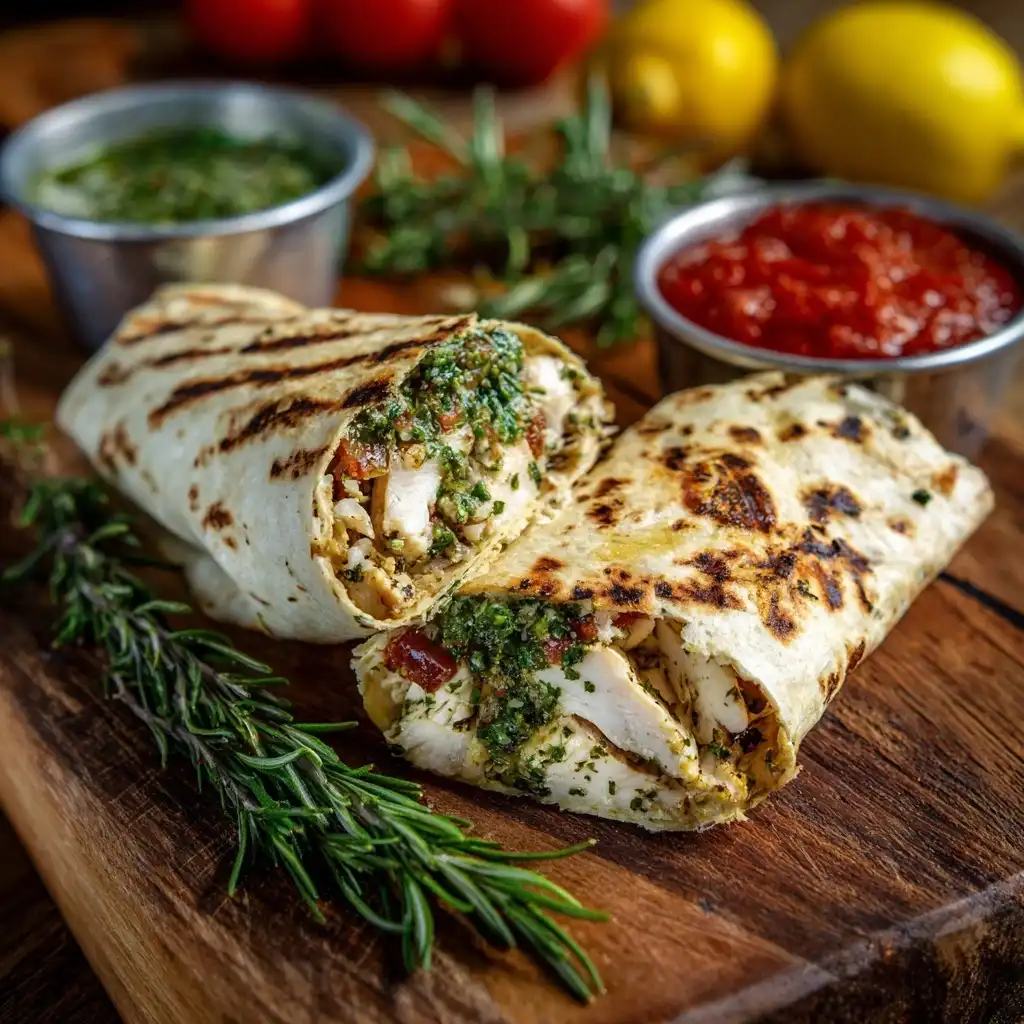
Imagine sinking your teeth into a vibrant, zesty, and herb-kissed grilled chicken wrap—tender, smoky, bright with citrus, and wrapped snugly in a warm, pliable whole-grain tortilla. The Lemon Herb Grilled Chicken Wrap is more than just a lunchtime staple; it’s a symphony of freshness, simplicity, and bold Mediterranean-inspired flavors that come together effortlessly. Whether you’re meal prepping for the week, packing a satisfying workday lunch, hosting a casual backyard brunch, or simply craving something light yet deeply flavorful, this wrap delivers on every front: protein-packed, nutritionally balanced, visually appealing, and endlessly adaptable. Its brilliance lies in its duality—it feels restaurant-worthy yet requires no culinary expertise, and it’s equally at home on a picnic blanket or a marble kitchen counter.
The History
While there’s no single documented “birth certificate” for the Lemon Herb Grilled Chicken Wrap, its roots trace back to a confluence of culinary traditions and modern food culture shifts. Grilled chicken itself has been a cornerstone of Mediterranean, Middle Eastern, and Levantine cuisines for centuries—think of Greek kontosouvli, Lebanese shish taouk, or Turkish tavuk şiş, where lemon juice, garlic, olive oil, and fresh herbs like oregano and parsley were used not only for flavor but also as natural tenderizers and preservatives. The concept of wrapping grilled proteins in flatbreads (like Greek pita, Lebanese markook, or Mexican flour tortillas) dates back millennia—archaeological evidence suggests flatbread-wrapped meals existed in Mesopotamia over 5,000 years ago. However, the modern “grilled chicken wrap” as we know it emerged prominently in the 1980s and 1990s American health-food movement, when low-fat, high-protein, portable meals surged in popularity alongside the rise of fast-casual dining concepts like Subway and Panera Bread. The addition of lemon and fresh herbs reflects the late-20th-century embrace of global flavor profiles and the farm-to-table emphasis on brightness, acidity, and herbaceousness. Today, the Lemon Herb Grilled Chicken Wrap stands as a beloved fusion dish—honoring ancient techniques while celebrating contemporary values of wellness, convenience, and bold, unprocessed taste.
Ingredients Breakdown
Every exceptional wrap begins with intentionality—understanding not just *what* goes in, but *why* each ingredient matters:
- Chicken Breast (boneless, skinless): Lean, versatile, and mild in flavor, it acts as the perfect canvas for bold marinades. Opt for organic, air-chilled, or pasture-raised for superior texture and ethical sourcing.
- Fresh Lemon Juice: Not bottled—freshly squeezed! Provides essential acidity to tenderize proteins, brighten flavors, and balance richness. Contains vitamin C and flavonoids like hesperidin with antioxidant properties.
- Zest of One Lemon: Packed with aromatic citrus oils, zest adds an intense, fragrant top note that bottled juice alone cannot replicate. It contains limonene, linked to anti-inflammatory benefits.
- Extra-Virgin Olive Oil: The heart of the marinade—adds silkiness, aids in caramelization on the grill, and carries fat-soluble vitamins (A, D, E, K). Choose cold-pressed, early-harvest varieties for robust polyphenol content.
- Fresh Garlic (minced): A flavor catalyst and natural antimicrobial. Allicin—the compound responsible for garlic’s pungency and health benefits—is activated upon crushing or mincing and is most potent when used raw or lightly cooked.
- Fresh Herbs (parsley, dill, oregano, thyme): Each brings unique phytochemicals—apigenin in parsley (anti-inflammatory), monoterpenes in dill (digestive support), carvacrol in oregano (antimicrobial), and thymol in thyme (respiratory health). Using them fresh—not dried—maximizes volatile oil retention and enzymatic activity.
- Dijon Mustard: Adds subtle tang, emulsifies the marinade, and contributes glucosinolates—compounds studied for potential cancer-protective effects.
- Red Onion (thinly sliced): Raw red onion contributes sharp sweetness, quercetin (a powerful flavonoid antioxidant), and prebiotic fiber (inulin) that feeds beneficial gut bacteria.
- Cherry Tomatoes (halved): Bursting with lycopene—a heat-stable carotenoid with enhanced bioavailability when paired with healthy fats like olive oil—and vitamin C synergy.
- Cucumber (English or Persian, julienned): Adds cool crunch and hydration (96% water), plus silica for connective tissue health and cucurbitacins with emerging anti-cancer research.
- Arugula or Baby Spinach: Bitter greens rich in nitrates (support vascular health), folate (crucial for methylation), and vitamin K1 (essential for bone and blood health).
- Whole-Grain or Sprouted Grain Tortilla: Far superior to refined flour—provides resistant starch (feeds microbiome), B-vitamins, magnesium, and sustained energy without blood sugar spikes. Sprouted versions increase bioavailability of nutrients like iron and zinc.
- Feta Cheese (optional but recommended): Traditional Greek feta adds salty tang, creamy texture, and conjugated linoleic acid (CLA)—a fatty acid associated with metabolic health. Use sheep’s milk feta for authenticity and richer nutrient profile.
- Optional Garnishes: Crumbled kalamata olives (polyphenol-rich), pickled red onions (enhanced probiotics and acetic acid for digestion), microgreens (nutrient-dense “living foods”), or a drizzle of lemon-tahini sauce (adds calcium and sesame lignans).
Step-by-Step Recipe
- Prepare the Marinade: In a medium non-reactive bowl (glass or stainless steel), whisk together ⅓ cup extra-virgin olive oil, juice and zest of 1 large lemon (about 3 tbsp juice), 2 minced garlic cloves, 1 tbsp Dijon mustard, 1 tsp honey or pure maple syrup (for subtle balance and caramelization), 1 tsp dried oregano, ½ tsp freshly cracked black pepper, and ¾ tsp fine sea salt. Stir until fully emulsified—no visible oil separation.
- Marinate the Chicken: Place 1.5 lbs (about 4 large cutlets) of thinly pounded boneless, skinless chicken breasts into a resealable gallon-size bag or shallow glass dish. Pour marinade over chicken, ensuring every piece is fully coated. Seal or cover and refrigerate for minimum 30 minutes, ideally 2–4 hours. Avoid marinating longer than 6 hours—citrus can begin to “cook” the surface, leading to mushiness.
- Preheat & Prep Grill: Preheat gas or charcoal grill to medium-high (400–450°F). Clean grates thoroughly and oil generously using tongs and a folded paper towel dipped in neutral oil (like avocado or grapeseed) to prevent sticking.
- Grill the Chicken: Remove chicken from marinade, shaking off excess (reserve marinade for basting—but do NOT reuse as sauce unless boiled for 3+ minutes). Place on hot grill at a 45° angle for optimal sear marks. Grill undisturbed for 5–6 minutes per side, or until internal temperature reaches 165°F (use an instant-read thermometer inserted into thickest part). Baste once halfway through cooking with reserved (unboiled) marinade—discard any remaining after basting. Let rest 5 minutes before slicing against the grain into thin, even strips.
- Warm the Tortillas: While chicken rests, heat tortillas one at a time over direct flame (gas burner) for 10–15 seconds per side until pliable and lightly speckled—or wrap stacked tortillas in damp paper towels and microwave for 20–30 seconds. Keep wrapped in a clean kitchen towel to retain warmth and flexibility.
- Assemble the Wrap: Lay a warm tortilla flat. Center a generous handful (about 1 cup) of arugula or spinach. Arrange grilled chicken strips evenly over greens. Top with ¼ cup halved cherry tomatoes, 2 tbsp julienned cucumber, 2 tbsp thinly sliced red onion, 1 tbsp crumbled feta, and a small sprinkle of fresh herbs (parsley + dill). Drizzle with 1 tsp lemon-tahini sauce or extra virgin olive oil if desired.
- Wrap with Precision: Fold bottom third up over filling. Fold left and right sides inward (about 2 inches each). Roll tightly away from you, applying gentle pressure to compact ingredients. Optional: secure with a parchment paper sling or toothpick for transport.
- Serve Immediately or Chill: For best texture, serve within 30 minutes. If prepping ahead, wrap tightly in parchment + aluminum foil and refrigerate up to 24 hours—let sit at room temp 10 minutes before eating to soften tortilla.
Tips
- Pound Evenly: Use a meat mallet or heavy skillet to pound chicken breasts to uniform ½-inch thickness—ensures consistent cooking, prevents dry edges and rare centers.
- Room Temp Start: Remove chicken from fridge 15 minutes before grilling—cold meat causes temperature shock and uneven sear.
- Don’t Crowd the Grill: Leave at least 1 inch between pieces. Crowding steams instead of sears, inhibiting Maillard reaction and flavor development.
- Rest Is Non-Negotiable: Resting allows juices to redistribute. Skipping this step means losing up to 20% of flavorful moisture when slicing.
- Tortilla Flexibility Hack: If tortillas crack when rolling, they’re too cold or dry. Re-warm briefly or brush lightly with olive oil before heating.
- Acid Balance: Too much lemon can overpower. Taste marinade before adding chicken—if overly tart, add a pinch of honey or a splash of orange juice for roundness.
- Herb Timing Matters: Add delicate herbs (dill, parsley, basil) only during assembly—not in marinade—to preserve brightness and prevent bitterness.
- Grill Basket Bonus: For smaller pieces or if nervous about flipping, use a perforated grill basket—prevents loss and ensures even char.
- Make-Ahead Magic: Marinate chicken overnight; grill in morning, store cooled chicken separately; assemble wraps same-day for maximum crispness and freshness.
- No-Grill Workaround: Use cast-iron skillet over medium-high heat—same sear, same flavor. Or bake at 425°F for 18–22 minutes, flipping halfway.
Variations and Customizations
This recipe is a dynamic template—designed to evolve with your pantry, preferences, and dietary needs:
- Mediterranean Twist: Swap feta for crumbled goat cheese; add chopped kalamata olives, roasted red peppers, and a swipe of harissa-spiked yogurt.
- Asian-Inspired: Replace lemon with yuzu or lime; swap herbs for cilantro and Thai basil; use tamari instead of salt; add quick-pickled daikon, edamame, and toasted sesame seeds.
- Tex-Mex Fusion: Add chipotle powder and cumin to marinade; top with black beans, corn, avocado slices, pickled jalapeños, and lime crema.
- Vegan Version: Substitute grilled marinated tempeh or extra-firm tofu (pressed & cubed); use lemon-dill marinade with nutritional yeast for umami; add smashed avocado and sprouts.
- Low-Carb/Keto: Serve fillings over a bed of butter lettuce cups or nori sheets instead of tortillas; increase healthy fats with sliced avocado, olive tapenade, and hemp seeds.
- Kid-Friendly: Skip raw onion and arugula; use mild herbs only; add shredded cheddar and apple matchsticks; serve with lemon-dill dipping sauce.
- Meal-Prep Friendly: Prepare components separately: grilled chicken (5-day fridge), herb-marinated tomatoes (3 days), lemon-tahini sauce (1 week), pre-washed greens (in airtight container with paper towel). Assemble day-of.
- Gluten-Free: Use certified GF corn or almond-flour tortillas—or collard green wraps for a nutrient-dense, fiber-rich alternative.
- Spice Lover’s Upgrade: Add ½ tsp Aleppo pepper or smoked paprika to marinade; finish with flaky sea salt and sumac for tangy heat.
- Breakfast Wrap: Add a soft-scrambled egg or frittata strip, sautéed spinach, and crumbled feta—swap lemon for orange zest in marinade for sweeter profile.
Health Considerations and Nutritional Value
A single serving (one 10-inch whole-grain wrap with full ingredients listed) delivers approximately 485 calories, 38g protein, 22g healthy fats (mostly monounsaturated), 32g complex carbohydrates, 8g dietary fiber, and under 450mg sodium—making it a nutritionally dense, satiating, and blood-sugar-friendly meal. Key health highlights include:
- Cardiovascular Support: Olive oil polyphenols (oleocanthal, hydroxytyrosol) reduce LDL oxidation and improve endothelial function. Lycopene from tomatoes + vitamin E from olive oil act synergistically.
- Gut Microbiome Enhancement: Prebiotic fibers from whole grains, onions, and garlic feed Bifidobacteria and Lactobacillus; fermented optional additions (pickled onions, kimchi-style slaw) introduce live probiotics.
- Anti-Inflammatory Profile: Lemon flavonoids (naringenin, eriocitrin), garlic allicin, oregano carvacrol, and omega-3s from flaxseed (if added) collectively modulate NF-kB and COX-2 pathways.
- Antioxidant Synergy: Vitamin C (lemon, tomatoes) regenerates vitamin E (olive oil), while selenium (chicken) supports glutathione peroxidase—the body’s master antioxidant enzyme.
- Blood Sugar Regulation: High protein + healthy fat + fiber slows gastric emptying and blunts glycemic response—ideal for insulin sensitivity and sustained energy.
- Considerations: Those with GERD may reduce lemon juice by 50% or add banana slices for alkalizing effect. For low-FODMAP diets, omit garlic/onion (use infused oil) and limit chickpeas/legume-based additions. Always choose nitrate-free chicken if concerned about processed meats.
Pair with a side of mixed berries or herbal tea to amplify polyphenol intake—or enjoy solo as a complete, balanced meal.
Ingredients
- 1.5 lbs boneless, skinless chicken breasts, pounded to ½-inch thickness
- ⅓ cup extra-virgin olive oil (preferably cold-pressed, first-press)
- Juice and finely grated zest of 1 large organic lemon (≈3 tbsp juice)
- 2 large garlic cloves, finely minced
- 1 tbsp Dijon mustard (stone-ground preferred)
- 1 tsp raw honey or pure maple syrup
- 1 tsp dried oregano (or 1 tbsp fresh, chopped)
- ½ tsp freshly ground black pepper
- ¾ tsp fine sea salt (or to taste)
- 4 (10-inch) whole-grain or sprouted grain tortillas
- 2 cups baby arugula or organic spinach
- 1 cup cherry tomatoes, halved
- ½ English cucumber, julienned (peeled if waxed)
- ¼ medium red onion, very thinly sliced
- ⅓ cup crumbled authentic sheep’s milk feta cheese
- 2 tbsp fresh flat-leaf parsley, chopped
- 1 tbsp fresh dill, chopped
- Optional: Lemon-Tahini Sauce (2 tbsp tahini + 1½ tbsp lemon juice + 1 tsp maple syrup + 2–3 tbsp warm water + pinch sea salt)
Directions
- In a glass or stainless-steel bowl, whisk together olive oil, lemon juice and zest, minced garlic, Dijon mustard, honey, oregano, black pepper, and sea salt until smooth and emulsified.
- Place chicken in a gallon resealable bag. Pour marinade over chicken, seal, and massage gently to coat. Refrigerate 2–4 hours (no longer than 6).
- Preheat grill to medium-high (400–450°F). Clean and oil grates well.
- Remove chicken from marinade; shake off excess. Reserve marinade for basting only.
- Grill chicken 5–6 minutes per side, basting once, until internal temp reaches 165°F. Transfer to cutting board; rest 5 minutes.
- While chicken rests, warm tortillas individually over flame or in microwave (see Tips). Keep covered in towel.
- Slice rested chicken thinly against the grain.
- Assemble: Lay tortilla flat. Layer greens, chicken, tomatoes, cucumber, red onion, feta, and herbs. Drizzle with lemon-tahini sauce if using.
- Roll tightly: fold bottom up, fold sides in, roll away from you. Press gently to seal.
- Enjoy immediately—or wrap in parchment + foil for on-the-go freshness.
FAQ
- Can I bake instead of grill?
- Yes! Preheat oven to 425°F. Place marinated chicken on parchment-lined baking sheet. Roast 18–22 minutes, flipping halfway, until 165°F. Broil 1–2 minutes for charred edges.
- How do I prevent soggy wraps?
- Pat all wet ingredients (tomatoes, cucumber, onions) dry with paper towels before assembling. Use sturdy, warm tortillas—and never skip the green base (it creates a moisture barrier).
- Can I freeze the grilled chicken?
- Absolutely. Cool completely, portion into airtight containers or freezer bags (remove air), and freeze up to 3 months. Thaw overnight in fridge before assembling.
- What’s the best tortilla for structure?
- Sprouted grain or 100% whole-wheat tortillas with minimal added gums or preservatives hold up best. Look for brands with <5g net carbs and >4g fiber per serving.
- Is this gluten-free?
- Not inherently—but easily made GF. Use certified gluten-free corn tortillas, coconut wraps, or large butter lettuce leaves. Double-check Dijon mustard and soy-free feta labels.
- Can I make it dairy-free?
- Easily. Omit feta—or use dairy-free almond-feta or cashew ricotta. Boost creaminess with avocado or hummus spread.
- How long will assembled wraps last?
- Best eaten within 30 minutes. For meal prep: store components separately. Assembled wraps refrigerated in parchment + foil stay fresh up to 24 hours—but expect softer texture.
- Why does my chicken taste bland?
- Three likely culprits: under-marinating (needs minimum 30 min), skipping salt in marinade (salt penetrates and seasons), or overcooking (dries out flavor). Always use a thermometer!
- Can I use chicken thighs?
- Yes—and they’re more forgiving! Use boneless, skinless thighs; marinate same way; grill 6–7 min per side (170°F internal). Richer flavor and juicier texture.
- What wine or beverage pairs well?
- A crisp, high-acid white like Sauvignon Blanc or Assyrtiko complements lemon and herbs. For non-alcoholic: sparkling water with lemon wedge and fresh mint, or chilled hibiscus-ginger infusion.
Summary
The Lemon Herb Grilled Chicken Wrap is a masterclass in effortless elegance—marrying ancient Mediterranean grilling wisdom with modern nutritional science to deliver a portable, protein-forward, vibrantly flavored meal that satisfies hunger, supports wellness, and sparks joy with every bite. From its thoughtfully layered ingredients and precision grilling technique to its endless customization options and deep-rooted health benefits, it’s far more than a wrap—it’s a nourishing ritual, adaptable to every lifestyle, season, and palate.