Introduction
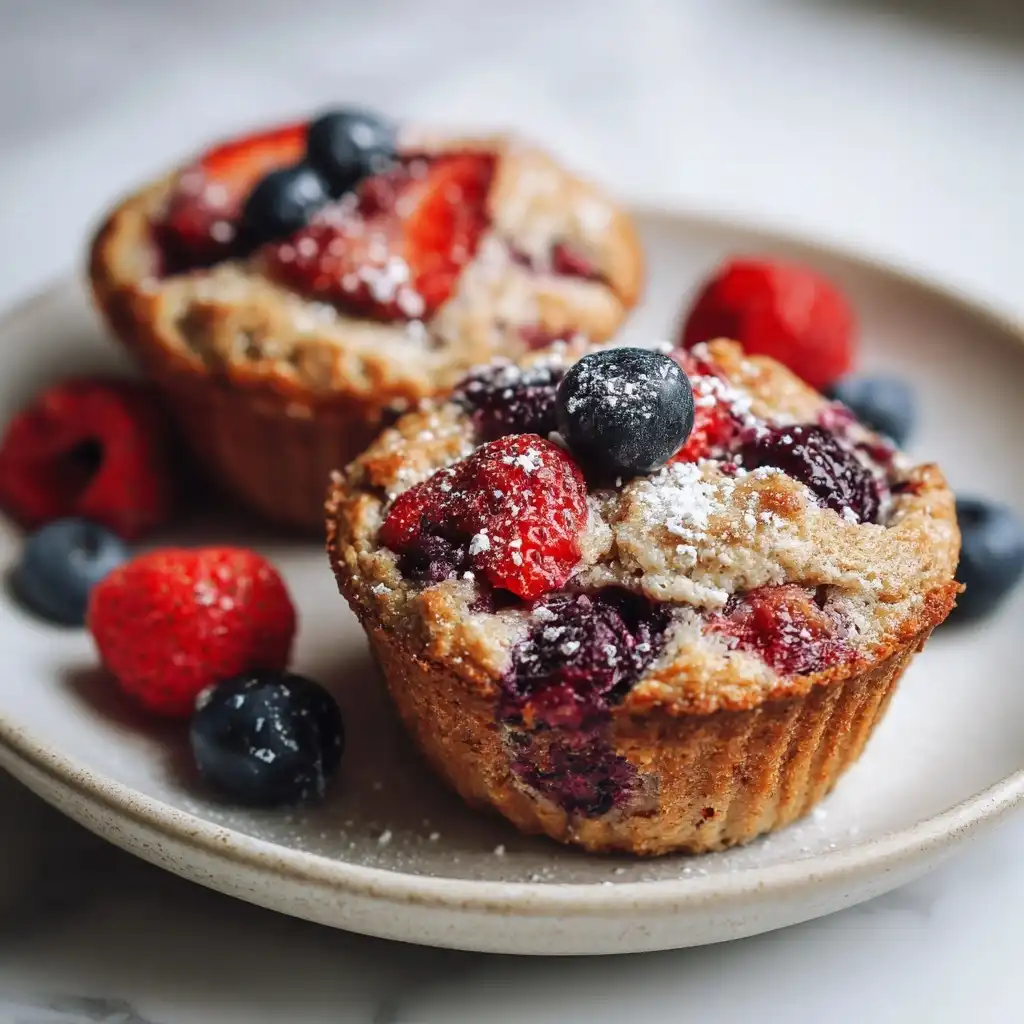
Double Berry Protein Muffins are the ultimate fusion of wholesome nutrition and irresistible flavor—designed for busy mornings, post-workout recovery, meal prep enthusiasts, and anyone seeking a guilt-free yet deeply satisfying baked treat. Unlike traditional muffins loaded with refined sugar and empty carbs, these muffins pack high-quality plant-based or whey protein, fiber-rich whole grains, and two vibrant varieties of antioxidant-packed berries—typically fresh or frozen blueberries and raspberries—to deliver sustained energy, improved satiety, and a burst of natural sweetness. Whether you’re an athlete tracking macros, a parent packing school snacks, or simply someone committed to mindful eating, these muffins offer versatility, convenience, and culinary delight—all without compromising on taste or nutritional integrity.
The History
The evolution of the Double Berry Protein Muffin reflects broader shifts in dietary culture over the past three decades. While classic American muffins date back to the 18th century—with early versions resembling quick breads made with pearl ash or saleratus—the modern protein-enriched iteration emerged alongside the rise of fitness culture in the 1990s and the explosion of health-conscious baking in the 2010s. Initially, protein muffins were rudimentary: dense, chalky, and overly sweetened to mask the bitterness of early-generation protein isolates. However, advances in food science—including micro-filtered whey, fermented pea protein, enzymatically treated brown rice protein, and clean-label flavor-masking techniques—revolutionized texture and palatability. Simultaneously, research spotlighting the synergistic benefits of polyphenol-rich berries (e.g., anthocyanins in blueberries and ellagic acid in raspberries) catalyzed intentional “double berry” formulations. By the mid-2020s, Double Berry Protein Muffins had become a staple in registered dietitians’ pantry recommendations, keto- and macro-friendly meal prep blogs, and even clinical nutrition programs supporting metabolic health—and they continue to evolve with innovations like upcycled fruit pulp flour, regenerative-farm-sourced berries, and prebiotic-enhanced batter systems.
Ingredients Breakdown
Each component in this recipe is purposefully selected—not just for function, but for synergy:
- Protein Base: A blend of unflavored or vanilla plant-based protein powder (e.g., pea-rice-sunflower blend) or whey isolate ensures 15–20g of complete protein per muffin while maintaining moisture and structure. Whey offers superior gelling and browning; plant blends provide fiber and digestive tolerance.
- Oat Flour: Made from certified gluten-free rolled oats, it contributes soluble beta-glucan fiber (supports cholesterol balance and gut health), gentle binding, and a tender crumb—without the heaviness of almond flour or the glycemic load of all-purpose flour.
- Coconut Flour: Used sparingly (¼ cup max per batch), it absorbs excess moisture, enhances protein retention during baking, and adds lauric acid—a medium-chain fatty acid linked to immune support.
- Greek Yogurt & Unsweetened Applesauce: This dynamic duo replaces oil and eggs entirely. Greek yogurt delivers probiotics, calcium, and acidity that activates baking soda for lift; applesauce adds natural pectin for binding, moisture, and subtle sweetness—reducing added sugars by up to 40%.
- Maple Syrup or Raw Honey: Unrefined liquid sweeteners not only enhance flavor but also improve shelf life via humectant properties—keeping muffins moist for up to 7 days refrigerated or 3 months frozen.
- Vanilla Extract & Apple Cider Vinegar: The vinegar reacts with baking soda to produce carbon dioxide for optimal rise and tenderness; pure vanilla extract (not imitation) deepens aromatic complexity and masks any residual protein aftertaste.
- Fresh or Frozen Berries: Blueberries (high in cognitive-supportive anthocyanins) and raspberries (exceptionally rich in dietary fiber and vitamin C) are folded in *last* and *gently* to prevent bleeding and structural collapse. Frozen berries should be added straight from the freezer—no thawing—to avoid soggy batter.
- Chia or Flax “Egg”: For vegan versions, a chia or flaxseed gel (1 tbsp ground seed + 2.5 tbsp water, rested 10 min) provides omega-3 ALA, mucilage binding, and additional fiber—contributing to a denser, more nutrient-dense crumb.
- Optional Superfood Boosters: Freeze-dried berry powder (for intensified color and phytonutrient density), hemp hearts (for complete plant protein and GLA), or a pinch of culinary-grade purple corn extract (a natural, stable anthocyanin pigment).
Step-by-Step Recipe
- Preheat & Prep: Preheat oven to 350°F (175°C). Line a standard 12-cup muffin tin with parchment paper liners—or lightly grease with avocado oil spray. Set aside. Position oven rack in the center third for even heat circulation.
- Dry Whisk: In a large bowl, vigorously whisk together oat flour, coconut flour, protein powder, baking soda, baking powder (if using), fine sea salt, and optional spices (cinnamon, cardamom, or lemon zest) for 60 seconds to fully aerate and eliminate clumps—critical for consistent texture and leavening.
- Wet Mix: In a separate medium bowl, combine Greek yogurt, unsweetened applesauce, maple syrup (or honey), vanilla extract, and apple cider vinegar. Whisk until completely smooth and emulsified—about 45 seconds. If using chia/flax egg, add it here.
- Combine Gently: Pour wet mixture into dry ingredients. Using a silicone spatula, fold *just until no dry streaks remain*—approximately 12–15 strokes. Overmixing develops gluten (even in oat flour) and causes tunneling or toughness. Batter will be thick, glossy, and slightly sticky—similar to soft cookie dough.
- Berry Integration: Toss frozen blueberries and raspberries separately with 1 tsp of oat flour each (to prevent sinking and bleeding). Fold in *alternating batches*, using a light lifting-and-turning motion. Stop as soon as berries are evenly distributed—do not crush.
- Portion & Rest: Divide batter evenly among 12 muffin cups (≈¼ cup/batter per cup). Smooth tops lightly. Tap pan firmly twice on countertop to release air pockets. Let batter rest 8 minutes—this allows flours to hydrate fully and protein to relax, resulting in taller, more uniform rise.
- Bake Strategically: Place pan in center oven rack. Bake 18 minutes, then rotate pan ½ turn. Continue baking 5–7 minutes more—or until a toothpick inserted into the center of a center muffin comes out with *moist crumbs* (not wet batter) and edges pull cleanly from liner. Total bake time: 23–25 minutes. Avoid opening oven before 18 minutes to prevent collapse.
- Cool Completely: Remove pan from oven. Let muffins cool in tin for 12 minutes—this sets structure and prevents crumbling. Then transfer to a wire rack. Cool *fully* (≥45 minutes) before storing or freezing. Warm muffins steam internally and become gummy.
Tips
- Freeze Berries Correctly: For zero bleed, freeze berries individually on a parchment-lined tray before bagging. Rinse *only if conventionally grown* (to remove pesticide residue)—then pat *completely dry* before freezing. Never use pre-rinsed, pre-packaged frozen berries—they’re often coated in sugar or syrup.
- Protein Powder Swaps: If substituting protein types, adjust liquids: whey absorbs less than plant blends. Add 1–2 tsp extra yogurt or applesauce per scoop if batter feels crumbly or stiff.
- Altitude Adjustments: Above 3,000 ft? Reduce baking powder by ⅛ tsp, increase yogurt by 1 tbsp, and extend bake time by 2–3 minutes. Monitor closely at 20 minutes.
- Moisture Lock: Brush cooled muffins lightly with warmed maple syrup or honey—creates a delicate glaze that seals in moisture for 48+ hours.
- Storage Science: Store in airtight container with parchment between layers. Refrigerate up to 10 days (they firm up slightly but taste better chilled). For freezing, flash-freeze uncovered 2 hours, then seal in eco-friendly stand-up pouches with oxygen absorbers—retains texture and prevents freezer burn for 14 weeks.
- Reviving Stale Muffins: Microwave 10 seconds wrapped in damp paper towel—or toast halves at 325°F for 4 minutes to restore spring and aroma.
- Batch Scaling: This recipe doubles seamlessly—but triple batches require dividing batter across two tins and rotating positions mid-bake for consistency.
Variations and Customizations
- Gluten-Free Certified: Use oat flour milled from purity protocol oats and verify all protein powders and baking agents are GF-certified (many contain barley grass or wheat-derived enzymes).
- Keto-Friendly Version: Replace oat flour with golden flaxseed meal + superfine almond flour (1:1 ratio); substitute berries with ¼ cup chopped blackberries (lower sugar) + 2 tbsp freeze-dried raspberry powder; sweeten with monk fruit-erythritol blend.
- Vegan Power-Up: Use flax “eggs,” coconut yogurt, and plant protein. Add 1 tbsp blackstrap molasses for iron and mineral depth—and 1 tsp spirulina for vibrant purple hue and protein boost.
- Low-FODMAP Option: Swap applesauce for mashed banana (½ small, ripe), omit honey, use maple syrup (strictly <1 tbsp/serving), and limit raspberries to 2 per muffin (blueberries are low-FODMAP in ½-cup servings).
- Overnight Oat-Inspired: Stir in 3 tbsp soaked steel-cut oats + 1 tsp chia seeds into batter for chewy texture and extended fullness.
- Herbal Infusion: Steep 1 tsp dried lavender or lemon balm in warm yogurt for 15 minutes, strain, then use infused yogurt—adds sophisticated floral notes that complement berries beautifully.
- Protein-Packed Crumble Top: Before baking, sprinkle each muffin with a mix of 2 tbsp crushed walnuts, 1 tsp hemp hearts, ½ tsp cinnamon, and 1 tsp maple syrup—bakes into a crisp, nutrient-dense crown.
- Mini-Muffin Format: Fill 24-cup mini muffin tin ¾ full. Bake 11–13 minutes. Perfect for kids’ lunches, portion control, or pre-workout fuel (2 muffins = ~18g protein).
Health Considerations and Nutritional Value
A single Double Berry Protein Muffin (based on standard recipe with whey protein, oat/coconut flours, Greek yogurt, and ¼ cup mixed berries) delivers approximately:
- Calories: 185–210 kcal
- Protein: 15–18g (30–36% of calories)—complete amino acid profile with high leucine content to stimulate muscle protein synthesis.
- Net Carbs: 14–17g (including 4–5g naturally occurring berry sugars; low glycemic impact due to fiber/protein/fat matrix)
- Dietary Fiber: 3.5–4.8g (14–19% DV)—primarily soluble (oats, chia, berries), supporting microbiome diversity and regularity.
- Healthy Fats: 5–6.5g (mostly unsaturated from yogurt, minimal coconut flour fat)—includes conjugated linoleic acid (CLA) from dairy yogurt and omega-3 ALA from chia/flax options.
- Vitamins & Minerals: 25% DV calcium, 18% DV vitamin K (from berries), 12% DV manganese (oats + berries), plus notable polyphenols: 120–180 mg total anthocyanins per muffin—clinically associated with reduced oxidative stress, improved endothelial function, and enhanced insulin sensitivity.
Who Should Enjoy With Mindfulness: Individuals with kidney disease should consult a nephrologist before regularly consuming >20g protein/muffin; those managing fructose malabsorption may opt for lower-fructose berries (blueberries over raspberries) and reduce serving size; people on blood thinners should monitor vitamin K intake consistency (berries are moderate sources). Always choose organic berries when possible to minimize glyphosate and organophosphate exposure—especially critical for children and pregnant individuals.
Ingredients
- 1 ½ cups (150g) certified gluten-free oat flour
- ¼ cup (24g) coconut flour
- 1 ¼ cups (125g) unflavored or vanilla whey protein isolate (or plant-based blend)
- 1 ½ tsp aluminum-free baking powder
- ½ tsp baking soda
- ¼ tsp fine sea salt
- 1 ¼ cups (300g) plain nonfat Greek yogurt (or unsweetened coconut yogurt for vegan)
- ⅔ cup (160g) unsweetened applesauce (homemade preferred)
- ⅓ cup (80ml) pure maple syrup or raw honey
- 2 tsp pure vanilla extract
- 1 tsp apple cider vinegar
- 1 ½ cups (210g) frozen wild blueberries, rinsed & patted dry
- 1 ½ cups (210g) frozen red raspberries, rinsed & patted dry
- Optional: 1 tsp ground cinnamon, 1 tbsp lemon zest, or 2 tbsp hemp hearts
Directions
- Preheat oven to 350°F (175°C). Line 12-cup muffin tin with parchment liners.
- In a large bowl, whisk together oat flour, coconut flour, protein powder, baking powder, baking soda, and salt until fully blended and lump-free.
- Separately, whisk Greek yogurt, applesauce, maple syrup, vanilla, and apple cider vinegar until smooth and uniform.
- Pour wet mixture into dry ingredients. Fold gently with silicone spatula until *just combined*—no dry patches, but do not overmix.
- Toss blueberries and raspberries each with 1 tsp oat flour. Fold berries into batter in two additions, using light lifting motions.
- Divide batter evenly among lined cups (≈¼ cup each). Tap pan firmly twice on counter. Rest batter 8 minutes.
- Bake 18 minutes, rotate pan, then bake 5–7 minutes more until toothpick shows moist crumbs.
- Cool in pan 12 minutes. Transfer to wire rack. Cool completely before storing.
FAQ
- Can I use fresh berries instead of frozen?
- Yes—but fresh berries release more juice. Toss them in 1 tsp cornstarch or arrowroot powder before folding in to absorb excess moisture and prevent sinking.
- Why did my muffins sink in the center?
- Most commonly: underbaking, overmixing batter, opening oven too early, or expired leavening agents. Always test with a toothpick at the *center* muffin—and replace baking soda/powder every 6 months.
- Are these suitable for meal prep?
- Absolutely. They hold exceptionally well: refrigerated for 10 days, frozen for 14 weeks. Reheat from frozen at 300°F for 12 minutes—or enjoy cold straight from the fridge.
- Can I make them nut-free?
- Yes—this recipe is naturally nut-free. Just verify your protein powder and oat flour are processed in dedicated nut-free facilities if allergies are severe.
- What’s the best protein powder for minimal aftertaste?
- Hydrolyzed whey isolate (like Dymatize ISO100 or Transparent Labs Grass-Fed Whey) or fermented pea-rice-sunflower blends (Nuzest Clean Lean Protein or Orgain Organic Protein) consistently score highest in sensory panels for neutral flavor and smooth mouthfeel.
- Can I add chocolate chips?
- You can—but choose 85%+ dark chocolate chips (unsweetened or stevia-sweetened) and limit to ⅓ cup. Higher sugar content compromises glycemic response and may cause spreading.
- How do I boost fiber without changing texture?
- Add 1 tbsp psyllium husk powder *with* the dry ingredients—it absorbs water silently and increases soluble fiber by 5g per batch without grittiness.
- My batter seems too thick—can I add milk?
- Avoid dairy or plant milks—they dilute protein concentration and weaken structure. Instead, add 1 tbsp Greek yogurt or applesauce at a time until desired consistency (like thick pancake batter) is reached.
Summary
Double Berry Protein Muffins are a nutritionally dense, chef-crafted breakfast or snack that harmonizes premium protein, functional whole-food flours, and two antioxidant-rich berries—delivering exceptional satiety, blood sugar stability, and culinary joy without compromise.
With scalable variations for keto, vegan, gluten-free, and low-FODMAP diets—and backed by food science precision in mixing, resting, and baking—they represent the gold standard in modern healthy baking: delicious enough for dessert, powerful enough for performance.