Introduction
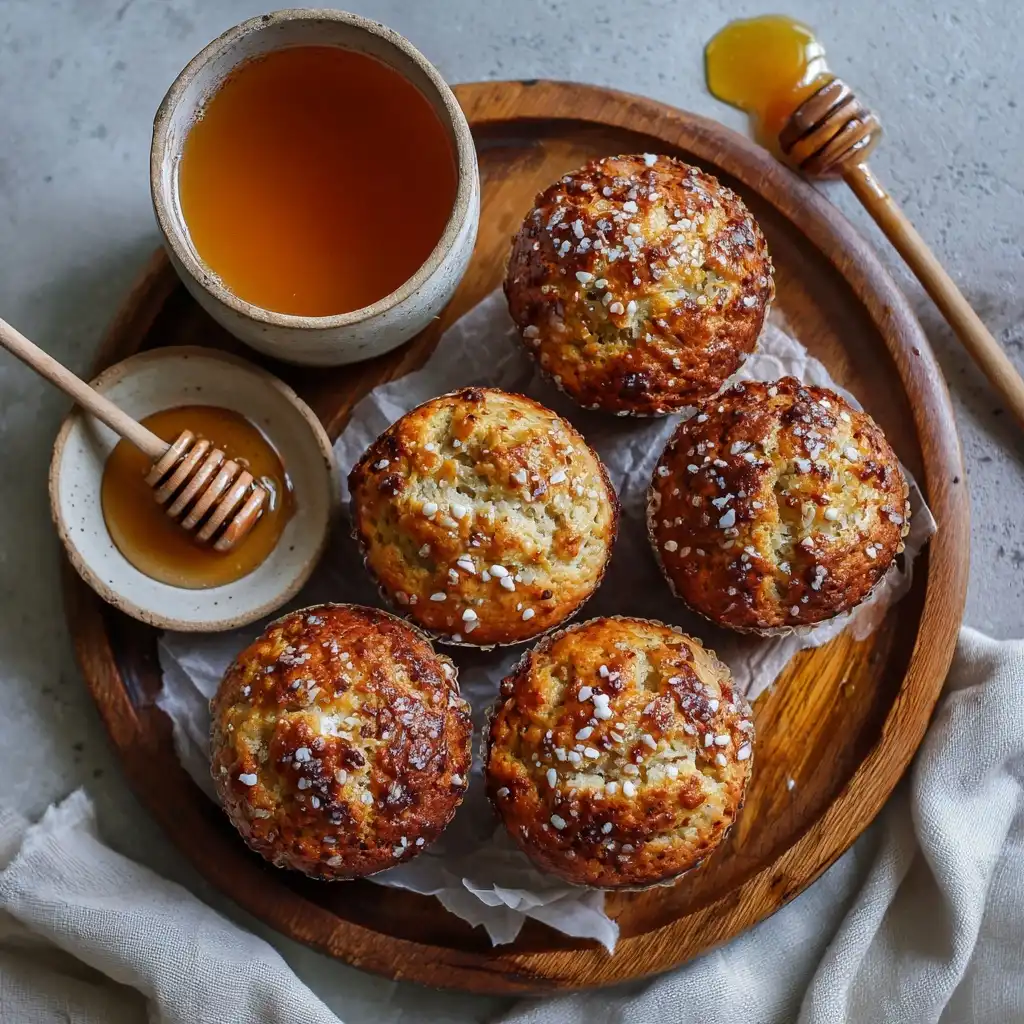
Welcome to a delightful fusion of wholesome nutrition and indulgent flavor—Honey Vanilla Greek Yogurt Muffins! These tender, moist, and naturally sweetened muffins are more than just a breakfast staple; they’re a celebration of simplicity, balance, and mindful baking. Unlike traditional muffins loaded with refined sugar and excess butter, this recipe leverages the creamy richness of Greek yogurt, the floral warmth of pure vanilla, and the nuanced complexity of raw or local honey to create a treat that satisfies cravings while supporting sustained energy and digestive wellness. Whether you’re meal-prepping for busy weekday mornings, packing a nutrient-dense snack for kids or athletes, or simply seeking a comforting yet guilt-free baked good, these muffins deliver on texture, taste, and nourishment—all without artificial additives, preservatives, or empty calories. Their golden-domed tops, delicate crumb, and subtle aroma of caramelized honey and Madagascar vanilla make them feel like a gourmet bakery find—yet they come together in under 15 minutes of hands-on time.
The History
The evolution of the Honey Vanilla Greek Yogurt Muffin is a quiet but meaningful chapter in the broader story of modern American baking—a movement shaped by health consciousness, ingredient transparency, and culinary innovation. While muffins themselves trace back to early 18th-century Britain (as small “muffins” baked on griddles) and were popularized in the U.S. during the 19th century with the advent of chemical leaveners like baking powder, the incorporation of Greek yogurt is a distinctly 21st-century twist. Greek yogurt entered mainstream American pantries around the mid-2000s, propelled by its high-protein, low-sugar profile and thick, velvety texture—ideal for replacing oil, butter, or sour cream in baked goods. Simultaneously, artisanal honey gained renewed appreciation thanks to the local food movement and growing awareness of terroir-driven flavors (much like wine or coffee), encouraging bakers to swap granulated sugar for raw, unfiltered honey—not just for sweetness, but for enzymatic activity, moisture retention, and subtle floral, herbal, or woody notes depending on the nectar source. Vanilla, long revered as the world’s second-most expensive spice after saffron, experienced its own renaissance with the rise of single-origin beans (Madagascar, Tahitian, Ugandan) and the proliferation of alcohol-based extracts and cold-process vanilla pastes. The convergence of these three powerhouse ingredients—Greek yogurt, honey, and premium vanilla—gave birth to a new muffin archetype: one that’s simultaneously rustic and refined, nutritious and nostalgic, humble in its origins yet sophisticated in execution. Today, variations appear in dietitian-led cookbooks, Whole Foods bakery cases, Instagram-famous food blogs, and even school lunch programs aiming to reduce added sugars—proof that this recipe is both timeless and timely.
Ingredients Breakdown
Every ingredient in this recipe serves a precise functional and sensory role—no filler, no afterthoughts. Let’s explore them in depth:
- Full-Fat Plain Greek Yogurt (1 cup / 240g): The cornerstone of moisture, structure, and protein. Full-fat is non-negotiable here—it delivers unparalleled richness, prevents dryness, and contributes lactic acidity that activates baking soda for optimal lift. Its strained consistency ensures dense yet tender crumb without gumminess. Opt for brands with only milk and live cultures (e.g., Fage 5%, Siggi’s, or Wallaby) to avoid gums or thickeners that can interfere with texture.
- Raw or Light-Ambrosia Honey (⅔ cup / 200g): Not just a sweetener—honey is a multifunctional miracle worker. Its natural fructose-glucose ratio enhances browning (via Maillard reaction), locks in moisture (hygroscopic properties), and adds subtle floral, fruity, or earthy top notes. Raw honey retains beneficial enzymes (like diastase and invertase) and antioxidants (e.g., gallic acid, chrysin). Avoid ultra-filtered or pasteurized supermarket blends—they lack nuance and may crystallize unpredictably. For best results, use a mild, balanced varietal like clover, orange blossom, or tupelo.
- Pure Madagascar Bourbon Vanilla Extract (2 tsp) + Seeds from 1 Vanilla Bean (optional but highly recommended): This dual-vanilla approach creates layered depth—extract for immediate aromatic impact, and scraped bean seeds for visual speckling and lingering, creamy-balsamic warmth. Real vanilla contains over 250 compounds; synthetic vanillin captures only one. Look for extract labeled “pure” and made with at least 35% alcohol and real beans aged 6+ months.
- Large Eggs (2, room temperature): Provide emulsification, structure, and leavening support. Room temperature ensures seamless incorporation with yogurt and honey—cold eggs can cause separation or premature curdling.
- All-Purpose Flour (2 cups / 250g) + Whole Wheat Pastry Flour (½ cup / 60g): A thoughtfully balanced blend. All-purpose delivers reliable rise and fine crumb; whole wheat pastry flour (not regular whole wheat!) contributes gentle nuttiness, fiber, and B vitamins without heaviness or bitterness. For gluten-free versions, see Variations section.
- Baking Powder (2 tsp) + Baking Soda (½ tsp): A synergistic leavening system. Baking powder provides primary lift; baking soda neutralizes yogurt’s acidity and enhances browning and tenderness. Never substitute one for the other—this ratio is precision-calibrated.
- Fine Sea Salt (¾ tsp): Essential for flavor modulation—it doesn’t make the muffins “salty,” but rather brightens sweetness, deepens vanilla notes, and balances honey’s intensity. Flake salt is too coarse; table salt may contain anti-caking agents that dull flavor.
- Unsalted Butter (¼ cup / 57g), melted and slightly cooled: Adds luxurious mouthfeel and flakiness to the crumb. Melted (not browned) ensures even distribution; cooling prevents cooking the eggs upon mixing. Ghee is an excellent dairy-free alternative with higher smoke point and rich, nutty undertones.
- Optional Add-Ins: Blueberries (frozen, tossed in 1 tbsp flour), chopped toasted walnuts or pecans (¼ cup), lemon zest (1 tbsp), or a swirl of almond butter (1 tsp per muffin). Each enhances nutrition and complexity without compromising integrity.
Step-by-Step Recipe
Follow these meticulously tested steps for foolproof, bakery-quality results every time:
- Preheat & Prep: Position oven rack in the center position. Preheat oven to 375°F (190°C). Line a standard 12-cup muffin tin with parchment liners (or grease thoroughly with butter or coconut oil)—do not use non-stick spray alone, as honey’s stickiness may cause adhesion.
- Whisk Dry Ingredients: In a large bowl, whisk together all-purpose flour, whole wheat pastry flour, baking powder, baking soda, and fine sea salt until fully homogenized and aerated—about 45 seconds. Breaking up any clumps now prevents uneven leavening later.
- Cream Wet Base: In a separate medium bowl, vigorously whisk Greek yogurt, honey, and vanilla extract (and scraped vanilla bean seeds, if using) until smooth and slightly frothy—approximately 90 seconds. This step emulsifies the honey into the yogurt, preventing graininess and ensuring even distribution.
- Incorporate Eggs: Add eggs one at a time, whisking vigorously for 30 seconds after each addition until fully absorbed and glossy. This builds structure and traps air for lift.
- Melt & Temper Butter: Melt butter in a small saucepan or microwave-safe bowl until just liquid (no browning). Let cool 3–4 minutes until warm to the touch (~110°F/43°C). Pour into yogurt mixture while whisking constantly—this “tempering” prevents scrambled eggs.
- Combine Wet & Dry: Pour wet mixture into dry ingredients. Using a flexible silicone spatula, gently fold—do not stir or beat—just 12–15 strokes until only a few dry streaks remain. Overmixing develops gluten, leading to tunneling or toughness. Batter will be thick, glossy, and slightly lumpy—that’s ideal.
- Add Mix-Ins (Optional): If using blueberries, gently fold in last—just 4–5 folds—to prevent bleeding. For nuts or zest, fold in during final 2 strokes.
- Portion Evenly: Divide batter evenly among 12 muffin cups using a ¼-cup ice cream scoop or measuring cup. Fill each liner ~¾ full (about 3.5 oz / 100g per muffin) for uniform doming. Smooth tops lightly with damp finger for even baking.
- Bake with Precision: Place tin in preheated oven. Bake 18–21 minutes—do not open oven before 17 minutes. Muffins are done when tops are deeply golden, spring back lightly when pressed, and a toothpick inserted into the center comes out with *moist crumbs* (not wet batter, not completely clean—this ensures perfect moisture). Rotate tin front-to-back at 12 minutes for even browning.
- Cool Strategically: Remove tin from oven. Let muffins rest in pan for exactly 5 minutes—this allows structure to set without collapsing. Then transfer to a wire rack to cool completely (≈45 minutes). Cutting or removing too soon causes tearing; eating while hot yields gummy texture. For best flavor development, wait at least 2 hours before serving—vanilla and honey aromas deepen significantly as they cool.
Tips
- Room Temperature is Non-Negotiable: Cold yogurt or eggs cause fat to seize and batter to split. Take ingredients out 60–90 minutes ahead—or place sealed containers in warm water for 10 minutes.
- Honey Measurement Hack: Coat your measuring cup with neutral oil or spray before adding honey—it slides out cleanly, ensuring accuracy and zero waste.
- Flour Measurement Matters: Spoon flour into measuring cup and level with a straight edge—don’t scoop directly from bag (causes compaction and up to 25% excess flour). Better yet, weigh for absolute precision (250g AP + 60g WW pastry).
- No Overmixing Zone: Use the “shoelace test”: if batter resembles loose shoelaces clinging to spatula—not gluey or ropey—you’ve folded just enough.
- Altitude Adjustments: At 3,000+ ft, decrease baking powder by ¼ tsp, increase oven temp by 15°F, and add 1 tbsp extra yogurt to combat dryness.
- Freeze Like a Pro: Cool completely, then freeze bare (unwrapped) on a tray for 2 hours. Transfer to airtight freezer bag for up to 3 months. Thaw overnight in fridge or 15 sec in microwave—texture remains virtually unchanged.
- Revive Stale Muffins: Wrap individually in damp paper towel, microwave 12–15 seconds. Steam restores moisture better than reheating alone.
- Make-Ahead Batter: Prepare wet and dry components separately up to 24 hours ahead; refrigerate covered. Combine just before baking—yogurt’s acidity activates leaveners slowly, so delay ensures maximum rise.
Variations and Customizations
This recipe is a master template—infinitely adaptable to dietary needs, seasonal produce, and global flavors:
- Gluten-Free: Replace flours with 2¼ cups (270g) certified GF all-purpose blend (Bob’s Red Mill 1-to-1 or King Arthur Measure for Measure) + 1 tsp xanthan gum. Add 2 tbsp ground flaxseed for binding and omega-3s.
- Dairy-Free/Vegan: Swap Greek yogurt for unsweetened coconut or soy yogurt (thick, plain, no gums); use maple syrup instead of honey (note: flavor shifts—add ¼ tsp apple cider vinegar for tang); replace butter with refined coconut oil; use flax “eggs” (2 tbsp ground flax + 5 tbsp water, rested 10 min).
- Lower-Sugar: Reduce honey to ½ cup and add 2 tbsp unsweetened applesauce + 1 tsp monk fruit extract (granular, not liquid). Compensates volume and moisture without spiking glycemic load.
- Protein-Packed: Stir in 2 scoops (60g) unflavored or vanilla whey or plant-based protein powder + 2 tbsp extra yogurt to offset dryness. Best for post-workout fuel.
- Seasonal Fruit Swaps: Blackberries (toss in 1 tsp cornstarch to absorb juice), diced ripe pear + ginger (1 tsp grated), roasted rhubarb compote (¼ cup), or mashed banana (½ cup, reduce honey by 2 tbsp).
- Global Twists:
- Chai-Spiced: Add 1½ tsp chai blend (cinnamon, cardamom, ginger, cloves, black pepper) + 1 tsp molasses.
- Lemon-Raspberry: Replace vanilla with 1 tbsp lemon zest + 2 tsp lemon extract; fold in ¾ cup fresh raspberries tossed in 1 tsp flour.
- Maple-Pecan: Substitute ¼ cup pure maple syrup for part of honey; add ½ cup toasted pecans + ¼ tsp smoked sea salt.
- Matcha-Honey: Whisk 1½ tsp ceremonial-grade matcha into dry ingredients; reduce vanilla to 1 tsp.
- Mini or Jumbo Muffins: For mini (24 count): bake 11–13 min at 375°F. For jumbo (6 count): fill liners ⅞ full, bake 24–27 min—check with instant-read thermometer (205–210°F internal temp).
Health Considerations and Nutritional Value
Per standard muffin (1/12th recipe, ≈100g), nutritional analysis (using full-fat Fage yogurt, raw clover honey, and unsalted butter) reveals a remarkably balanced profile:
- Calories: ~215 kcal — moderate and satiating, not calorie-dense like commercial muffins (often 400–600+ kcal).
- Protein: 7.2g — primarily from Greek yogurt and eggs, supporting muscle synthesis and prolonged fullness (nearly 3x more than traditional muffins).
- Carbohydrates: 28g total, with 21g naturally occurring sugars (honey + yogurt lactose) and only 1g added sugar (none if honey is the sole sweetener). Net carbs: ~24g, with 3g dietary fiber (from whole wheat pastry flour and optional add-ins).
- Fat: 9.5g — predominantly heart-healthy monounsaturated (olive oil–like fats from nuts/butter) and conjugated linoleic acid (CLA) from grass-fed dairy sources.
- Key Micronutrients: 15% DV calcium, 12% DV vitamin B12, 10% DV phosphorus, 8% DV zinc, plus live probiotics (L. acidophilus, Bifidobacterium) from unpasteurized yogurt—supporting gut-brain axis and immune resilience.
- Glycemic Impact: Moderate GI (~58) due to yogurt’s protein/fat slowing glucose absorption—far lower than muffins made with white flour and refined sugar (GI 70+). Pair with almonds or avocado for further stabilization.
- Dietary Notes: Naturally low in sodium (125mg), free of trans fats, cholesterol-neutral (egg cholesterol offset by yogurt’s bioactive peptides), and suitable for Mediterranean, DASH, and flexitarian patterns. Not keto (carb count too high), but easily adapted (see Variations).
- Cautions: Not appropriate for infants under 12 months (honey risk of infant botulism); those with severe dairy allergy should avoid unless using verified dairy-free subs; consult a dietitian for gestational diabetes management due to natural sugar load.
Compared to store-bought “healthy” muffins (which often hide maltodextrin, rice syrup solids, and palm oil), this recipe offers transparency, bioavailability, and synergistic nutrition—where ingredients work *with* your body, not against it.
Ingredients
- 1 cup (240g) full-fat plain Greek yogurt, cold or room temperature
- ⅔ cup (200g) raw or light-amber honey (e.g., clover, orange blossom)
- 2 teaspoons pure Madagascar bourbon vanilla extract
- Seeds scraped from 1 whole vanilla bean (optional but recommended)
- 2 large eggs, room temperature
- ¼ cup (57g) unsalted butter, melted and slightly cooled
- 2 cups (250g) all-purpose flour, spooned and leveled
- ½ cup (60g) whole wheat pastry flour
- 2 teaspoons aluminum-free baking powder
- ½ teaspoon baking soda
- ¾ teaspoon fine sea salt
- (Optional) ¾ cup (100g) frozen wild blueberries, rinsed and patted dry
- (Optional) ¼ cup (30g) chopped toasted walnuts or pecans
Directions
- Preheat oven to 375°F (190°C). Line a 12-cup standard muffin tin with parchment liners or generously grease with butter or coconut oil.
- In a large bowl, whisk together all-purpose flour, whole wheat pastry flour, baking powder, baking soda, and salt until fully combined and no lumps remain.
- In a medium bowl, whisk Greek yogurt, honey, vanilla extract, and vanilla bean seeds (if using) until smooth and slightly airy—about 90 seconds.
- Add eggs one at a time, whisking vigorously for 30 seconds after each until fully incorporated and glossy.
- Melt butter in a small saucepan over low heat or in microwave (15–20 sec). Let cool 3–4 minutes until warm—not hot—to the touch. Gradually pour into yogurt mixture while whisking constantly.
- Pour wet ingredients into dry ingredients. Using a flexible silicone spatula, gently fold 12–15 times until just combined and only a few dry streaks remain. Batter will be thick and slightly lumpy.
- If using blueberries and/or nuts, fold in gently with 4–5 more strokes—do not overmix.
- Divide batter evenly among 12 prepared muffin cups (≈3.5 oz / 100g each), filling each about ¾ full. Smooth tops with a damp finger.
- Bake for 18–21 minutes, rotating tin front-to-back at 12 minutes, until tops are deeply golden and a toothpick inserted into the center comes out with moist crumbs (not wet batter).
- Let muffins cool in tin for exactly 5 minutes. Transfer to a wire rack to cool completely (45–60 minutes) before serving. Store airtight at room temperature up to 3 days, refrigerated up to 1 week, or frozen up to 3 months.
FAQ
- Can I use low-fat or nonfat Greek yogurt?
- Technically yes—but not recommended. Fat is critical for moisture, tenderness, and mouthfeel. Low-fat versions yield drier, denser, slightly rubbery muffins due to higher whey content and added thickeners (e.g., cornstarch, gums) that interfere with gluten development. If necessary, add 1 tbsp melted butter or neutral oil to compensate.
- Why does the recipe call for both baking powder AND baking soda?
- This dual-leavener system is intentional. Baking powder provides consistent, heat-activated lift. Baking soda reacts immediately with the lactic acid in Greek yogurt to produce carbon dioxide, enhancing rise, tenderness, and golden-brown crust. Omitting either results in flat, pale, or tough muffins.
- My muffins sank in the center. What went wrong?
- Most commonly: opening oven too early (before 17 min), underbaking (toothpick came out clean instead of with moist crumbs), or overmixing batter (developed too much gluten). Less common: expired leaveners (test baking powder in hot water—if no vigorous fizz, replace) or altitude-related adjustments needed.
- Can I make these as loaf bread instead?
- Absolutely. Pour batter into a greased 9×5-inch loaf pan. Bake at 350°F (175°C) for 55–65 minutes, tenting with foil at 40 minutes to prevent over-browning. Cool in pan 15 minutes before transferring to rack. Slice after 2+ hours for clean cuts.
- Is there a way to make these egg-free?
- Yes—with caveats. Replace each egg with 3 tbsp unsweetened applesauce + ½ tsp baking powder (adds lift) OR 1 tbsp ground flaxseed + 2½ tbsp warm water (rest 10 min). Expect slightly denser, more cake-like texture. Not recommended for vegan version unless also swapping yogurt and honey (see Variations).
- How do I prevent blueberries from sinking or bleeding?
- Toss frozen blueberries in 1 tbsp of the measured flour before folding in. Use frozen—not fresh—as they hold shape better and release less juice during mixing. Pat dry thoroughly after rinsing.
- Can I use flavored Greek yogurt?
- No. Flavored yogurts contain added sugars, stabilizers, and artificial ingredients that throw off ratios, cause uneven browning, and mute vanilla/honey notes. Stick to plain, unsweetened, full-fat only.
- What’s the best honey to use?
- Choose raw, unfiltered, locally sourced honey when possible—its enzymatic activity improves texture and nutrition. For baking, mild varietals (clover, acacia, alfalfa) let vanilla shine. Avoid dark buckwheat or strong mesquite unless intentionally seeking bold contrast.
- Why did my muffins stick to the liners?
- Honey’s natural stickiness requires extra insurance: always use parchment liners (not wax paper), grease the tin *under* liners, or brush liners lightly with melted butter before filling. Avoid non-stick sprays containing lecithin—they create tacky residue.
- Can I add chocolate chips?
- Yes—but choose high-cocoa (70%+) dark chips or cacao nibs to avoid overwhelming sweetness. Toss ⅓ cup in 1 tsp flour first. White chocolate chips work but add significant sugar; reduce honey by 1 tbsp if using.
Summary
Honey Vanilla Greek Yogurt Muffins are a masterclass in mindful baking—melding the probiotic richness of full-fat Greek yogurt, the enzymatic complexity of raw honey, and the aromatic depth of real vanilla into tender, golden-domed treats that nourish as much as they delight. With customizable flours, mix-ins, and dietary adaptations, they’re equally at home in a pediatrician’s wellness handout, a fitness coach’s meal plan, or a grandmother’s cherished recipe box.
They prove that “health-conscious” need never mean “compromised”—every bite delivers balanced macronutrients, functional ingredients, and soul-warming flavor, all achieved through technique, intention, and respect for real food.