Introduction
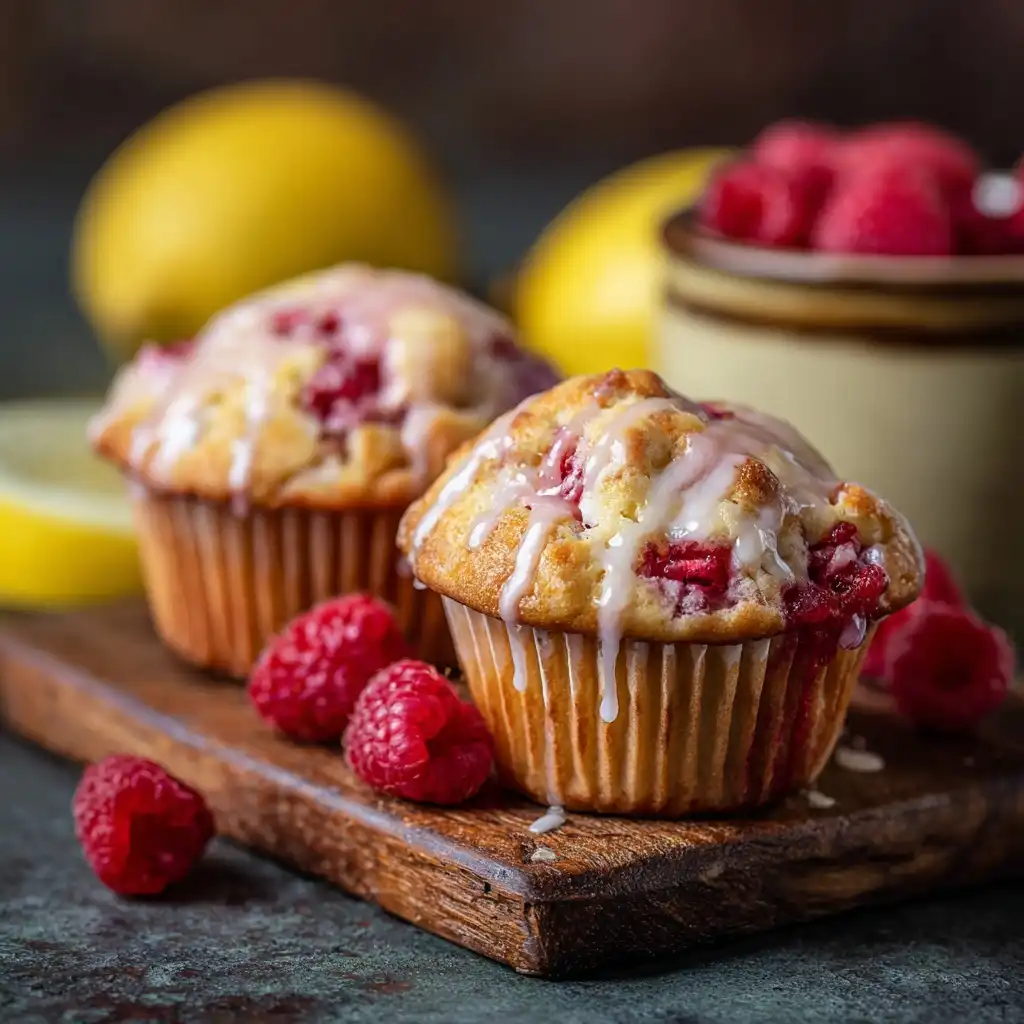
Raspberry Lemonade Muffins are a vibrant, zesty, and irresistibly moist twist on the classic American muffin—blending the bright tang of freshly squeezed lemon juice and zest with the deep, jammy sweetness of ripe raspberries. These muffins capture the essence of summer in every bite: crisp citrus notes dance alongside bursts of tart-sweet berry, all wrapped in a tender, golden crumb that’s neither overly dense nor too airy. Whether enjoyed warm from the oven with a dollop of lemon curd or packed into lunchboxes for a refreshing midday treat, Raspberry Lemonade Muffins offer a sophisticated yet approachable flavor profile that appeals to bakers of all skill levels—and delightfully bridges the gap between breakfast pastry and dessert indulgence.
The History
While muffins themselves trace their roots back to 18th-century Britain (evolving from quick-bread “muffin cakes” baked on griddles), the modern American muffin—as we know it today—gained popularity in the early 1900s with the rise of chemical leaveners like baking powder. The fusion of lemon and berries, however, is a more recent culinary evolution rooted in mid-20th-century American home baking traditions, where resourceful cooks began experimenting with seasonal fruit preserves and citrus to add brightness to dense, buttery batters. Raspberry lemonade—a beloved summer beverage popularized across the U.S. since the 1950s—eventually inspired bakers to translate its refreshing balance into baked form. Early iterations appeared in regional church cookbooks and Sunset Magazine’s 1973 “Summer Entertaining” supplement, but it wasn’t until the artisanal baking renaissance of the 2010s—fueled by food blogs, Instagram aesthetics, and demand for “elevated comfort food”—that Raspberry Lemonade Muffins emerged as a signature item in boutique bakeries from Portland to Charleston. Today, they symbolize a harmonious marriage of nostalgia and innovation, embodying the contemporary desire for bold, layered flavors grounded in simple, whole-food ingredients.
Ingredients Breakdown
Every exceptional Raspberry Lemonade Muffin begins with intentional, high-quality components—each playing a distinct functional and sensory role:
- All-Purpose Flour (3 cups / 360g): Provides essential gluten structure while remaining tender when not overmixed; unbleached flour is preferred for its richer flavor and better absorption.
- Granulated Sugar (1¼ cups / 250g): Sweetens, aids browning, and contributes to moisture retention and fine crumb texture. A small portion may be reserved for the turbinado sugar topping for textural contrast.
- Baking Powder (2 tsp) & Baking Soda (½ tsp): Dual leaveners ensure optimal lift and even rise—baking powder handles acidity-neutralization, while baking soda reacts immediately with lemon juice for extra fluffiness and subtle tang enhancement.
- Unsalted Butter (½ cup / 113g), melted and cooled: Adds richness, tenderness, and mouth-coating depth; melted (not hot) butter ensures easy emulsification without cooking the eggs.
- Large Eggs (2), room temperature: Bind the batter, contribute structure, and enrich color and texture; room temperature prevents seizing when combined with warm butter.
- Full-Fat Buttermilk (¾ cup / 180ml): Its lactic acid tenderizes gluten, boosts leavening, and adds subtle tang that complements lemon without overpowering—substitutes like milk + lemon juice (1 tbsp lemon per cup milk, rested 5 min) work in a pinch but lack buttermilk’s creamy body.
- Fresh Lemon Juice (⅓ cup / 80ml): Not bottled—the volatile citrus oils and natural acidity are irreplaceable for authentic brightness and proper leavening synergy.
- Fresh Lemon Zest (from 2–3 large lemons, ~2 tbsp): Contains aromatic lemon oil concentrated in the peel’s outer layer; finely grated zest delivers intense fragrance and complexity far beyond juice alone.
- Fresh Raspberries (1½ cups / 190g), lightly tossed in 1 tbsp flour: Whole, plump berries provide juicy bursts and natural pectin; coating them in flour prevents sinking and minimizes bleeding during baking.
- Pinch of Fine Sea Salt (¼ tsp): Enhances all other flavors and balances sweetness—never omit, even in sweet baked goods.
- Optional Additions: A splash of vanilla extract (1 tsp) rounds out acidity; a drizzle of local honey (1 tbsp) adds floral nuance and moisture; a few drops of rosewater (⅛ tsp) lends an elegant, perfumed finish favored in modern patisseries.
Step-by-Step Recipe
- Preheat & Prep: Position oven rack in the center and preheat to 375°F (190°C). Line a standard 12-cup muffin tin with parchment paper liners (or grease thoroughly with butter and dust with flour). Lightly toss raspberries with 1 tablespoon flour in a small bowl; set aside.
- Whisk Dry Ingredients: In a large mixing bowl, whisk together flour, granulated sugar, baking powder, baking soda, and salt until fully homogenous and aerated—about 45 seconds. Breaking up any sugar clumps here ensures even distribution and prevents gritty pockets.
- Combine Wet Ingredients: In a separate medium bowl, whisk melted (and slightly cooled) butter, eggs, buttermilk, lemon juice, lemon zest, and optional vanilla until smooth and emulsified—no streaks of butter or egg should remain. The mixture will appear slightly thick and pale yellow.
- Combine Wet + Dry: Pour the wet mixture into the dry ingredients. Using a flexible silicone spatula, gently fold *just until no dry flour remains*—approximately 12–15 strokes. Do not overmix; a few lumps are ideal. Overmixing develops gluten and yields tough, tunnel-ridden muffins.
- Incorporate Berries: Gently fold in the floured raspberries using 3–4 light turns—stop as soon as evenly distributed. Avoid crushing berries; delicate folding preserves their integrity for juicy bursts.
- Portion & Top: Divide batter evenly among lined muffin cups, filling each about ¾ full (≈¼ cup per muffin). Sprinkle tops with turbinado sugar (1 tsp per muffin) for caramelized crunch and visual appeal.
- Bake: Place tin in preheated oven and bake for 18–22 minutes, rotating halfway through for even browning. Muffins are done when tops are golden, domed, spring back lightly when touched, and a toothpick inserted into the center (avoiding a berry) comes out clean or with moist crumbs—not wet batter.
- Cool Strategically: Let muffins cool in the pan for exactly 5 minutes—this allows steam to escape and sets the crumb. Then transfer to a wire rack to cool completely (at least 30 minutes) before serving. Cooling fully prevents gummy texture and enhances flavor development.
Tips
- Room Temperature Matters: Cold eggs or buttermilk can cause the melted butter to seize into grainy bits—always bring dairy and eggs to room temperature (65–70°F) for seamless emulsification and uniform batter.
- Zest Before Juicing: Wash lemons thoroughly, then zest them *before* juicing—once cut, zest becomes slippery and harder to grate cleanly.
- Fresh vs. Frozen Raspberries: Fresh berries yield superior texture and less moisture bleed. If using frozen, do *not* thaw—fold in straight from the freezer (coated in flour) to prevent purple streaks and soggy bottoms.
- Don’t Skip the Flour Toss: This simple step creates a protective barrier around each raspberry, preventing them from releasing excess juice into the batter and dragging down the muffin’s rise.
- Measure Flour Correctly: Spoon flour into your measuring cup and level with a knife—do not scoop directly from the bag, which compacts flour and leads to dry, dense muffins (an extra 20g per cup can ruin texture).
- Rotate & Monitor: Ovens vary—start checking at 17 minutes. If tops brown too quickly, loosely tent with foil for the final 3–4 minutes.
- Underbake Slightly for Moisture: Pull muffins out when the very center still feels *just barely* soft—if you wait for total firmness, they’ll continue cooking from residual heat and dry out.
- Storage Wisdom: Store cooled muffins in an airtight container at room temperature for up to 2 days, or freeze unfrosted muffins individually wrapped in parchment + freezer bag for up to 3 months. Thaw overnight in fridge or 15 sec in microwave.
Variations and Customizations
These muffins are a versatile canvas—ideal for dietary adaptations, seasonal swaps, or gourmet enhancements:
- Gluten-Free: Substitute 1:1 gluten-free all-purpose flour blend (with xanthan gum) + ¼ tsp additional xanthan gum. Add 1 tbsp ground chia seeds mixed with 3 tbsp water (let sit 5 min) to replace egg binding power.
- Vegan: Replace butter with refined coconut oil (½ cup), eggs with flax eggs (2 tbsp ground flax + 6 tbsp water, rested 10 min), and buttermilk with almond milk + 1 tbsp lemon juice. Use maple syrup instead of granulated sugar (reduce liquid elsewhere by 2 tbsp).
- Low-Sugar: Reduce granulated sugar to ¾ cup and add ¼ cup unsweetened applesauce for moisture; boost lemon zest to 3 tbsp to maintain brightness without added sweetness.
- Blueberry-Lemon Twist: Swap raspberries for equal weight of fresh blueberries—slightly sweeter and milder, yielding a more traditional but equally vibrant profile.
- Lemon-Raspberry Swirl: Reserve ⅓ cup batter, stir in 2 tbsp seedless raspberry jam, then alternate spoonfuls of plain and jammy batter into cups and swirl gently with a toothpick.
- Herbal Infusion: Steep 1 tsp fresh thyme leaves in warm buttermilk for 10 minutes, strain, then use infused buttermilk—adds earthy sophistication that pairs beautifully with lemon and berry.
- Protein-Packed: Add ¼ cup whey or plant-based vanilla protein powder to dry ingredients and increase buttermilk by 2 tbsp to compensate for added absorption.
- Mini Muffin Version: Bake in a 24-cup mini muffin tin at 375°F for 11–14 minutes—perfect for parties, brunch buffets, or portion-controlled snacking.
- Gourmet Glaze Finish: Whisk ½ cup powdered sugar, 1½ tbsp fresh lemon juice, ½ tsp zest, and 1 tsp heavy cream until smooth; drizzle over cooled muffins and let set 10 minutes before serving.
Health Considerations and Nutritional Value
A single Raspberry Lemonade Muffin (standard size, ~110g, made with the base recipe) contains approximately:
- Calories: 245 kcal
- Total Fat: 9g (5.5g saturated)
- Carbohydrates: 37g (24g sugars, including natural fruit sugars)
- Dietary Fiber: 2.5g (from raspberries and whole grain substitutions)
- Protein: 4g
- Vitamin C: ~18mg (30% DV) — primarily from lemon juice and zest
- Manganese: 0.4mg (18% DV) — abundant in raspberries, supporting antioxidant enzyme function
- Antioxidants: Ellagic acid and anthocyanins from raspberries help combat oxidative stress and inflammation.
Nutritional Notes & Mindful Modifications:
- Sugar Awareness: While naturally occurring fruit sugars contribute significantly, the added granulated sugar can be reduced by up to 30% without compromising structure—especially when using very ripe, sweet raspberries.
- Butter vs. Oil: Replacing half the butter with unsweetened applesauce or Greek yogurt reduces saturated fat by ~3g per muffin while retaining moisture and adding protein.
- Fiber Boost: Substituting ¼ cup of flour with oat bran or ground flaxseed increases soluble fiber—supporting satiety and digestive health.
- Portion Control: These muffins are calorie-dense due to butter and sugar; enjoying one as part of a balanced breakfast—with Greek yogurt, leafy greens, or a hard-boiled egg—optimizes nutrient timing and blood sugar response.
- Allergen Considerations: Naturally nut-free and soy-free (if using dairy butter), but always verify labels on baking powder (some contain cornstarch or gluten) and buttermilk (lactose-intolerant individuals may prefer lactose-free versions).
While not a “health food” per se, Raspberry Lemonade Muffins offer meaningful phytonutrient benefits when made thoughtfully—and their bright, satisfying flavor often helps displace less nutritious, highly processed alternatives.
Ingredients
- 3 cups (360g) unbleached all-purpose flour
- 1¼ cups (250g) granulated sugar, plus 2 tablespoons turbinado sugar for topping
- 2 teaspoons aluminum-free baking powder
- ½ teaspoon baking soda
- ¼ teaspoon fine sea salt
- ½ cup (113g) unsalted butter, melted and cooled to 100°F
- 2 large eggs, room temperature
- ¾ cup (180ml) full-fat buttermilk, room temperature
- ⅓ cup (80ml) freshly squeezed lemon juice (from ~3 large lemons)
- 2 tablespoons finely grated lemon zest (from 2–3 lemons)
- 1½ cups (190g) fresh raspberries, gently rinsed, patted dry, and tossed in 1 tablespoon flour
- (Optional) 1 teaspoon pure vanilla extract
Directions
- Preheat oven to 375°F (190°C). Line a 12-cup muffin tin with parchment liners or grease and flour thoroughly.
- In a large bowl, whisk together flour, 1¼ cups granulated sugar, baking powder, baking soda, and salt until uniform.
- In a medium bowl, whisk melted butter, eggs, buttermilk, lemon juice, lemon zest, and vanilla (if using) until smooth and cohesive.
- Pour wet mixture into dry ingredients. Fold with a silicone spatula until *just combined*—do not overmix. Batter will be thick and lumpy.
- Gently fold in floured raspberries until evenly dispersed—3–4 folds only.
- Divide batter evenly among prepared cups (fill each ~¾ full). Sprinkle tops with turbinado sugar.
- Bake 18–22 minutes, rotating pan halfway, until golden and springy to touch. A toothpick inserted away from berries should emerge clean.
- Cool in pan 5 minutes, then transfer to wire rack to cool completely before serving.
FAQ
- Can I use frozen raspberries?
- Yes—but do not thaw. Toss frozen berries in flour while still frozen, then fold in gently. Expect slightly darker batter and marginally longer bake time (add 1–2 minutes). Avoid thawed berries—they release too much liquid and cause discoloration and sinkage.
- Why did my muffins sink in the middle?
- Common causes include: underbaking (center hasn’t set), opening the oven too early (causing sudden temperature drop), overmixing (gluten overdevelopment), expired leaveners (test baking powder in hot water—it should fizz vigorously), or excessive moisture from wet berries. Always check doneness with a toothpick *away from berry pockets*.
- Can I make these ahead for a party?
- Absolutely. Bake, cool completely, and store in an airtight container at room temperature for 2 days—or freeze unfrosted muffins for up to 3 months. To serve, thaw at room temperature for 2 hours or warm individually in a 350°F oven for 5–6 minutes.
- My batter seems too thick/thin—what went wrong?
- Most likely flour measurement error. Too much flour = thick, dry batter; too little = runny, flat muffins. Always spoon-and-level flour. Also, if buttermilk or lemon juice was measured inaccurately or substituted with lower-fat dairy, consistency suffers. Humidity and altitude also affect hydration—adjust liquids by 1 tbsp up or down as needed.
- Can I add white chocolate chips?
- Yes! Fold in ⅔ cup high-quality white chocolate chips (chopped bars preferred over chips for better melt) along with the raspberries. Their creamy sweetness balances the lemon’s acidity beautifully—just ensure chips are at room temperature to avoid seizing.
- Are these suitable for kids?
- Yes—they’re naturally appealing with fruity sweetness and soft texture. For toddlers, omit turbinado sugar topping (a choking hazard) and ensure raspberries are well-mashed or omitted entirely for younger infants. Always supervise young children eating muffins with whole berries.
- What’s the best way to store leftovers?
- Store cooled muffins in a single layer inside an airtight container with a paper towel underneath and on top to absorb excess moisture. Replace paper towels daily. Avoid refrigeration—it accelerates staling. For longer storage, freeze individually wrapped in parchment, then sealed in a freezer bag.
- Can I double the recipe?
- You may double all ingredients—but bake in two separate batches for consistent results. Doubling the batter risks overmixing during folding and uneven heat distribution in the oven, leading to inconsistent rise and texture.
Summary
Raspberry Lemonade Muffins are a masterclass in balanced brightness—where zesty lemon juice and fragrant zest unite with jewel-toned raspberries in a tender, golden crumb enriched by real butter and buttermilk.
With customizable variations, mindful nutrition insights, and foolproof techniques—from proper flour measurement to strategic cooling—they’re as rewarding to bake as they are unforgettable to eat.