Introduction
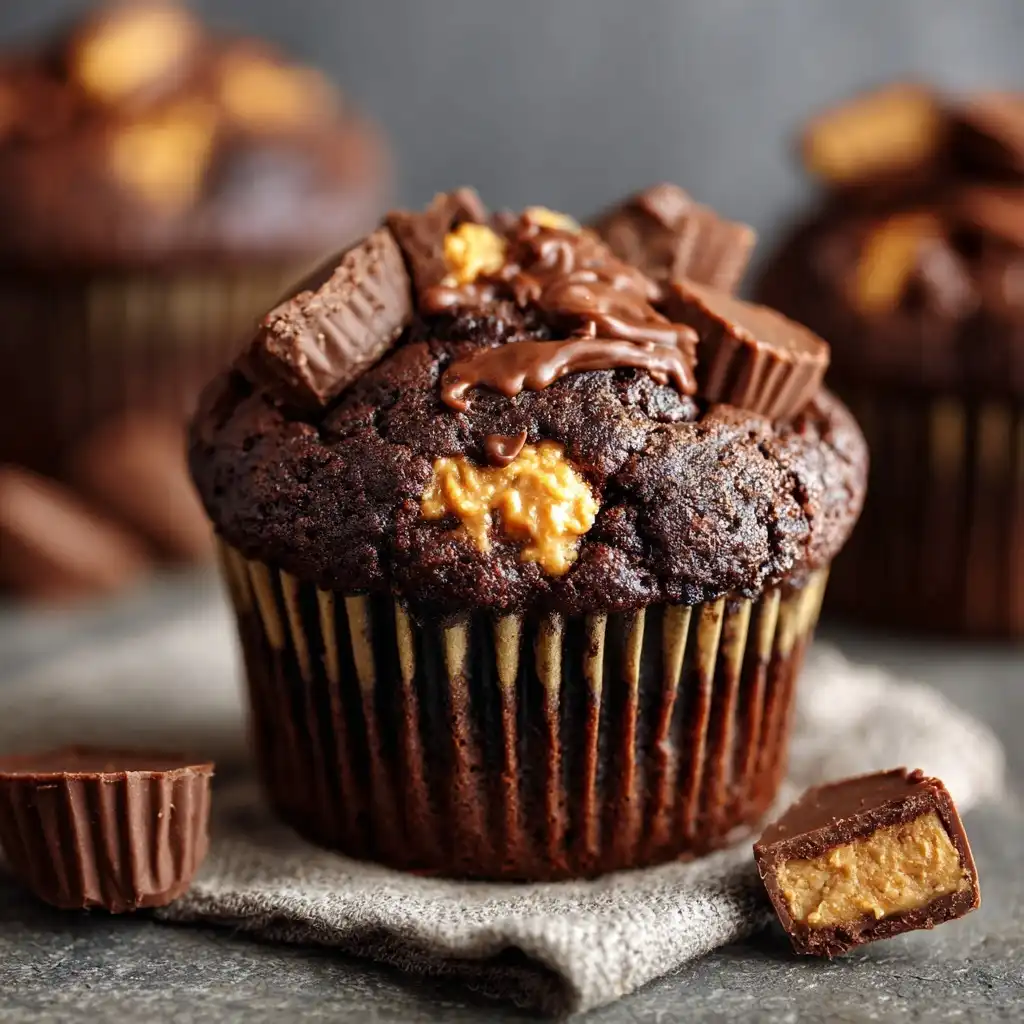
Welcome to the ultimate indulgence wrapped in a cozy, golden-brown muffin—Chocolate Peanut Butter Cup Muffins! These aren’t just any muffins; they’re a nostalgic symphony of rich cocoa, creamy peanut butter, and the unmistakable *crunch-snap* of miniature peanut butter cups baked right into every tender, domed bite. Imagine waking up to the aroma of warm chocolate mingling with roasted peanuts, or packing a lunch that earns instant admiration—and maybe a polite (or not-so-polite) request for “just one more.” Whether you’re fueling a busy school morning, satisfying an afternoon craving, or impressing guests at a weekend brunch, these muffins deliver decadence without compromise. They bridge the gap between dessert and breakfast, comfort food and crowd-pleaser, simplicity and showstopping flavor—all while remaining surprisingly approachable for bakers of all skill levels.
The History
The story of Chocolate Peanut Butter Cup Muffins is a delicious evolution born from three iconic American food legacies. It begins with the humble muffin—a British quick-bread cousin to the American cupcake—that gained widespread popularity in the U.S. during the 19th century as a practical, oven-friendly alternative to yeast-raised breads. Then enters the peanut butter revolution: patented by Dr. John Harvey Kellogg in 1895 as a protein-rich food for patients, peanut butter exploded into mainstream kitchens after George Washington Carver’s agricultural advocacy and the rise of brands like Skippy (1932) and Jif (1956). Simultaneously, the chocolate peanut butter cup was invented in 1922 by Harry Burnett Reese, a former dairy farmer and Milton S. Hershey employee, who launched the Reese’s Peanut Butter Cup—now the best-selling candy brand in the United States. The fusion of these pillars didn’t happen overnight. Home bakers began experimenting in the 1970s and ’80s, folding chopped peanut butter cups into chocolate cake batters and brownie mixes. By the early 2000s, food blogs and glossy magazines spotlighted “muffin hacks,” and the Chocolate Peanut Butter Cup Muffin emerged as a beloved hybrid: part bakery classic, part candy bar fantasy, and wholly unapologetic in its joyfulness. Today, it stands as a testament to American culinary ingenuity—where pantry staples meet playful nostalgia and bake into something greater than the sum of its parts.
Ingredients Breakdown
Every exceptional Chocolate Peanut Butter Cup Muffin starts with intention—not just measurement. Below is a meticulous, chef-informed breakdown of each component, explaining *why* it’s included and how it contributes to texture, structure, moisture, and flavor harmony:
- All-Purpose Flour (2 cups / 240g): Provides essential gluten structure for lift and crumb integrity. Not too dense, not too airy—just right for a muffin that holds its shape while staying tender. For gluten-free adaptation, a 1:1 certified GF blend with xanthan gum is recommended (see Variations).
- Unsweetened Natural Cocoa Powder (¾ cup / 65g): Use *natural* (not Dutch-processed) cocoa for optimal reaction with baking soda. It delivers deep, slightly bitter chocolate notes that balance sweetness and enhance the peanut butter’s richness. Sift thoroughly to prevent clumps and ensure even distribution.
- Granulated Sugar (1 cup / 200g): Sweetens and aids in browning and tenderness. A portion can be replaced with light brown sugar (¼–½ cup) for added molasses depth and subtle chewiness.
- Brown Sugar (½ cup / 100g, packed): Adds moisture retention, caramel complexity, and a soft, supple crumb. Its acidity also gently activates leaveners.
- Baking Powder (2 tsp): Primary leavener—provides initial lift during oven spring.
- Baking Soda (½ tsp): Reacts with the cocoa’s natural acidity and brown sugar’s molasses to boost rise and neutralize bitterness.
- Salt (1 tsp): Crucial for flavor enhancement—it doesn’t make the muffins taste salty; it makes the chocolate taste *chocolatier* and the peanut butter taste *peanutier*. Fine sea salt or kosher salt preferred.
- Eggs (2 large, room temperature): Bind ingredients, add richness, and contribute to structure and moisture. Room temperature ensures even emulsification with wet ingredients.
- Whole Milk (1 cup / 240ml, room temperature): Adds tenderness and activates leaveners. Buttermilk may be substituted (see Variations) for extra tang and tenderness.
- Vegetable Oil or Mild-Tasting Neutral Oil (½ cup / 120ml): Ensures moistness and shelf stability—unlike butter, oil stays liquid at room temp, yielding a consistently soft crumb. Avocado or grapeseed oil are excellent alternatives.
- Pure Vanilla Extract (2 tsp): Elevates all flavors—look for Madagascar bourbon vanilla for best results. Avoid imitation extract, which can taste medicinal when baked.
- Mini Peanut Butter Cups (1 ½ cups / ~210g, unwrapped): The star! Use full-size Reese’s Minis or similar—do *not* substitute with peanut butter chips alone (they lack the textural contrast and candy shell magic). Chop ~⅓ of them coarsely for batter integration; reserve the rest whole for topping and melty pockets.
- Optional Additions: ½ cup roasted, unsalted peanuts (coarsely chopped) for crunch and visual appeal; 1–2 tbsp flaky sea salt sprinkled on top before baking for gourmet contrast.
Step-by-Step Recipe
Follow this method precisely for bakery-quality results—each step is calibrated to optimize rise, texture, and flavor development:
- Preheat & Prep (10 mins): Position oven rack in the center. Preheat oven to 375°F (190°C). Line a standard 12-cup muffin tin with high-quality paper liners—or grease and flour the cups if using silicone liners. Lightly spray liners with nonstick cooking spray for effortless release and clean edges.
- Dry Whisk (3 mins): In a large bowl, whisk together flour, cocoa powder, granulated sugar, brown sugar, baking powder, baking soda, and salt until *completely uniform*—no streaks of cocoa or clumps of leavener. This ensures even rise and consistent flavor. Set aside.
- Wet Mix (2 mins): In a separate medium bowl, whisk eggs until frothy (~30 sec). Whisk in milk, oil, and vanilla until fully emulsified—no separated droplets. The mixture should look smooth and slightly thickened.
- Combine Gently (90 seconds): Pour wet ingredients into dry. Using a flexible silicone spatula, fold *just until no dry flour remains*. Do *not* overmix—stop as soon as you see only a few faint streaks. Overmixing develops gluten, leading to tough, tunnelled, or peaked muffins instead of domed, tender ones. Batter will be thick, glossy, and slightly lumpy—this is ideal.
- Fold in Peanut Butter Cups (2 mins): Add the coarsely chopped mini peanut butter cups (about ½ cup) and optional chopped peanuts. Fold 8–10 times until evenly distributed—but still visible. Over-folding melts the cups prematurely.
- Portion & Top (3 mins): Divide batter evenly among 12 lined cups—use a ¼-cup scoop for consistency (approx. ¼ cup per muffin, filling cups ¾ full). Press 2–3 whole mini peanut butter cups gently into the center of each mound. Optional: sprinkle tops with flaky sea salt.
- Bake with Precision (18–22 mins): Bake at 375°F for 18 minutes, then rotate the pan front-to-back. Continue baking 2–4 more minutes—until a wooden skewer inserted into the *center* (avoiding melted cups) comes out with *moist crumbs*, not wet batter. Do not open the oven before 16 minutes—sudden temperature drops cause collapse. Total time varies by oven; rely on the skewer test, not the clock.
- Cool Strategically (15+ mins): Let muffins cool in the pan on a wire rack for exactly 5 minutes—this sets the structure. Then, carefully lift each liner and transfer muffins directly onto the rack to cool completely (≈10–15 mins more). Cooling in the pan too long traps steam and creates soggy bottoms; cooling on the rack prevents condensation and preserves crisp edges.
Tips
- Room Temperature Is Non-Negotiable: Cold eggs or milk cause premature seizing of cocoa fat and uneven mixing. Take ingredients out 60–90 minutes before baking.
- Sift Cocoa—Always: Natural cocoa is notoriously clumpy. Sifting with dry ingredients prevents gritty pockets and ensures even color and flavor.
- Measure Flour Correctly: Spoon flour into measuring cup and level with a knife—don’t scoop directly from the bag (which compacts it and adds up to 25% extra flour).
- Chill the Batter (Optional Pro Tip): For taller, more defined domes and enhanced flavor development, cover batter and refrigerate for 30–60 minutes before portioning. Cold batter slows initial spread, encouraging upward rise.
- Rotate & Test Early: Ovens have hot spots. Rotating ensures even browning. Start checking at 17 minutes—even 30 seconds too long dries them out.
- Don’t Skip the Spray: A light coat inside liners prevents sticking and allows the muffin’s delicate outer crust to release cleanly—no torn edges or lost chocolate shards.
- Storage Secret: Store cooled muffins in an airtight container at room temperature for up to 3 days. For longer freshness, freeze unfrosted muffins individually wrapped in parchment + foil for up to 3 months. Thaw at room temp or reheat 10–15 sec in microwave.
- Revive Stale Muffins: Wrap in damp paper towel and microwave 10 seconds—steam restores moisture and softens the crumb instantly.
Variations and Customizations
These muffins are a versatile canvas—elevate, adapt, or reimagine them for dietary needs, seasons, or whimsy:
- Gluten-Free: Substitute flour 1:1 with a reputable GF all-purpose blend containing xanthan gum (e.g., Bob’s Red Mill 1-to-1 or King Arthur Measure for Measure). Add ½ tsp xanthan gum if your blend doesn’t include it. Increase milk by 1–2 tbsp for optimal hydration.
- Vegan: Replace eggs with 2 flax eggs (2 tbsp ground flaxseed + 6 tbsp warm water, rested 10 mins); use plant-based milk (soy or oat recommended for richness); swap oil for melted coconut oil (refined for neutral taste); ensure vegan-certified peanut butter cups (e.g., Unreal Dark Chocolate Peanut Butter Cups) or make your own.
- Lower-Sugar: Reduce total sugar to 1¼ cups (split evenly), use unsweetened cocoa, and opt for reduced-sugar peanut butter cups. Boost flavor with 1 tsp espresso powder (enhances chocolate without bitterness) and ¼ tsp cinnamon.
- Protein-Packed: Add 2 scoops (60g) unflavored or chocolate whey/collagen protein powder—reduce flour by ¼ cup. Increase milk by 2 tbsp to compensate. Stir protein in *last*, just before adding PB cups.
- Seasonal Twists:
- Fall: Add 1 tsp pumpkin pie spice + ¼ cup canned pumpkin purée (reduce milk by 2 tbsp).
- Winter: Stir in ½ cup crushed candy cane or peppermint bark + ¼ tsp peppermint extract (reduce vanilla to 1 tsp).
- Spring: Fold in ½ cup fresh raspberries (tossed in 1 tsp flour) and top with lemon zest.
- Gourmet Upgrades: Swirl 2 tbsp warm salted caramel sauce into each muffin before baking; top with candied peanuts; drizzle with dark chocolate ganache post-cooling; or insert a whole roasted peanut into the center of each cup pre-bake.
- Mini-Muffin Version: Bake in a 24-cup mini muffin tin at 375°F for 10–12 minutes. Yield: ~36 muffins. Perfect for parties, lunchboxes, or portion control.
- Muffin Tops Only: Fill cups only ½ full and bake 12–14 minutes for oversized, crispy-edged, bakery-style tops—ideal for those who skip the base!
Health Considerations and Nutritional Value
While undeniably indulgent, Chocolate Peanut Butter Cup Muffins can be enjoyed mindfully—with transparency about their nutritional profile and smart contextualization:
- Caloric Density: One standard muffin (approx. 115g) contains ~320–360 calories—comparable to a granola bar or small slice of coffee cake. Energy comes from complex carbs (flour, cocoa), healthy fats (peanut butter, oil), and natural sugars.
- Protein Powerhouse: Each muffin provides ~5–7g protein, primarily from peanuts, eggs, and milk—supporting satiety and muscle maintenance. Adding protein powder or Greek yogurt (see Variations) boosts this further.
- Healthy Fats: Peanut butter cups contribute monounsaturated fats (heart-healthy), while oil adds vitamin E. Limit saturated fat by choosing low-sugar, lower-fat peanut butter cups—or make your own with natural peanut butter and dark chocolate.
- Fiber & Antioxidants: Cocoa is rich in flavonoids linked to cardiovascular and cognitive benefits. Whole wheat pastry flour substitution (replace ½ cup AP flour) adds 1–2g fiber per muffin.
- Sugar Awareness: Total sugar ranges from 22–28g per muffin—mostly added. To reduce: use half brown sugar/half monk fruit blend, increase cocoa intensity (more flavor, less need for sugar), or serve with plain Greek yogurt for balanced macros.
- Allergen Alert: Contains peanuts, dairy, eggs, and gluten. Always verify labels on peanut butter cups—some contain soy, tree nuts, or shared-equipment warnings. Vegan/GF versions require diligent label reading.
- Functional Enjoyment: Nutrition isn’t just numbers—it’s mood, tradition, and mindful pleasure. Pairing a muffin with a cup of green tea, a walk, or shared laughter enhances its holistic value far beyond macronutrients.
Ingredients
- 2 cups (240g) all-purpose flour
- ¾ cup (65g) unsweetened natural cocoa powder, sifted
- 1 cup (200g) granulated sugar
- ½ cup (100g) packed light brown sugar
- 2 tsp baking powder
- ½ tsp baking soda
- 1 tsp fine sea salt
- 2 large eggs, room temperature
- 1 cup (240ml) whole milk, room temperature
- ½ cup (120ml) neutral oil (vegetable, canola, or avocado)
- 2 tsp pure vanilla extract
- 1 ½ cups (210g) mini peanut butter cups (e.g., Reese’s Minis), unwrapped
- Optional: ½ cup roasted unsalted peanuts, coarsely chopped
- Optional: Flaky sea salt for finishing
Directions
- Preheat oven to 375°F (190°C). Line a 12-cup muffin tin with paper liners; lightly spray insides with nonstick cooking spray.
- In a large bowl, whisk together flour, cocoa powder, granulated sugar, brown sugar, baking powder, baking soda, and salt until fully combined and no streaks remain.
- Pour wet ingredients into dry ingredients. Using a silicone spatula, fold gently *just until no dry flour is visible*—batter will be thick and lumpy. Do not overmix.
- Fold in chopped mini peanut butter cups (about ½ cup) and optional chopped peanuts until evenly dispersed but still distinct.
- Divide batter evenly among prepared muffin cups (fill each ¾ full). Gently press 2–3 whole mini peanut butter cups into the center of each mound. Sprinkle tops with flaky sea salt, if desired.
- Bake for 18 minutes, then rotate pan front-to-back. Bake 2–4 minutes more, until a skewer inserted into the center (avoiding melted cups) comes out with moist crumbs.
- Let muffins cool in the pan on a wire rack for 5 minutes. Carefully lift liners and transfer muffins to rack to cool completely (10–15 minutes). Serve warm or at room temperature.
FAQ
- Can I use Dutch-processed cocoa?
- Not recommended—it lacks the acidity needed to activate baking soda, resulting in flatter, denser muffins with muted chocolate flavor. Stick with natural cocoa.
- Why do my muffins sink in the middle?
- Common causes: opening the oven too early, underbaking, overmixing batter, or using expired leaveners. Always test with a skewer and check expiration dates on baking powder/soda.
- Can I make these ahead and freeze?
- Absolutely! Cool completely, wrap individually in parchment paper, then place in a freezer bag. Freeze up to 3 months. Thaw at room temperature or warm 15 seconds in the microwave.
- What if I don’t have mini peanut butter cups?
- You can chop full-size cups—but minis distribute more evenly and create better melty pockets. As a last resort, use ¾ cup creamy peanut butter swirled in + ½ cup semi-sweet chocolate chips—but you’ll lose the iconic “cup” experience.
- Can I bake these in jars or ramekins?
- Yes! Use 6-oz wide-mouth mason jars or oven-safe ramekins. Fill ¾ full and bake at 375°F for 24–28 minutes. They make charming edible gifts—top with ribbon and a custom label.
- Are these suitable for kids’ lunchboxes?
- Yes—especially if made with lower-sugar cups and stored properly. Pack in insulated lunch bags with an ice pack if room temperature exceeds 70°F for food safety (due to dairy/egg content).
- How do I get bakery-style tall domes?
- Key tricks: fill cups ¾ full (not halfway), start at 375°F (high initial heat = oven spring), avoid opening oven before 16 minutes, and consider chilling batter 30 minutes pre-bake.
- Can I add coffee to enhance chocolate flavor?
- Yes! Replace 2 tbsp of the milk with strong cold-brew coffee or dissolve 1 tsp instant espresso powder into the wet ingredients. It deepens chocolate notes without tasting like coffee.
Summary
Chocolate Peanut Butter Cup Muffins are a masterclass in joyful baking—melding nostalgic candy-bar magic with tender, bakery-worthy crumb through precise technique, quality ingredients, and thoughtful customization.
Whether you’re seeking comfort, creativity, or crowd-pleasing ease, these muffins deliver rich chocolate depth, creamy-salty-sweet contrast, and that irresistible melty-center surprise—proving that the most beloved treats are often the ones that honor tradition while inviting reinvention.