Introduction
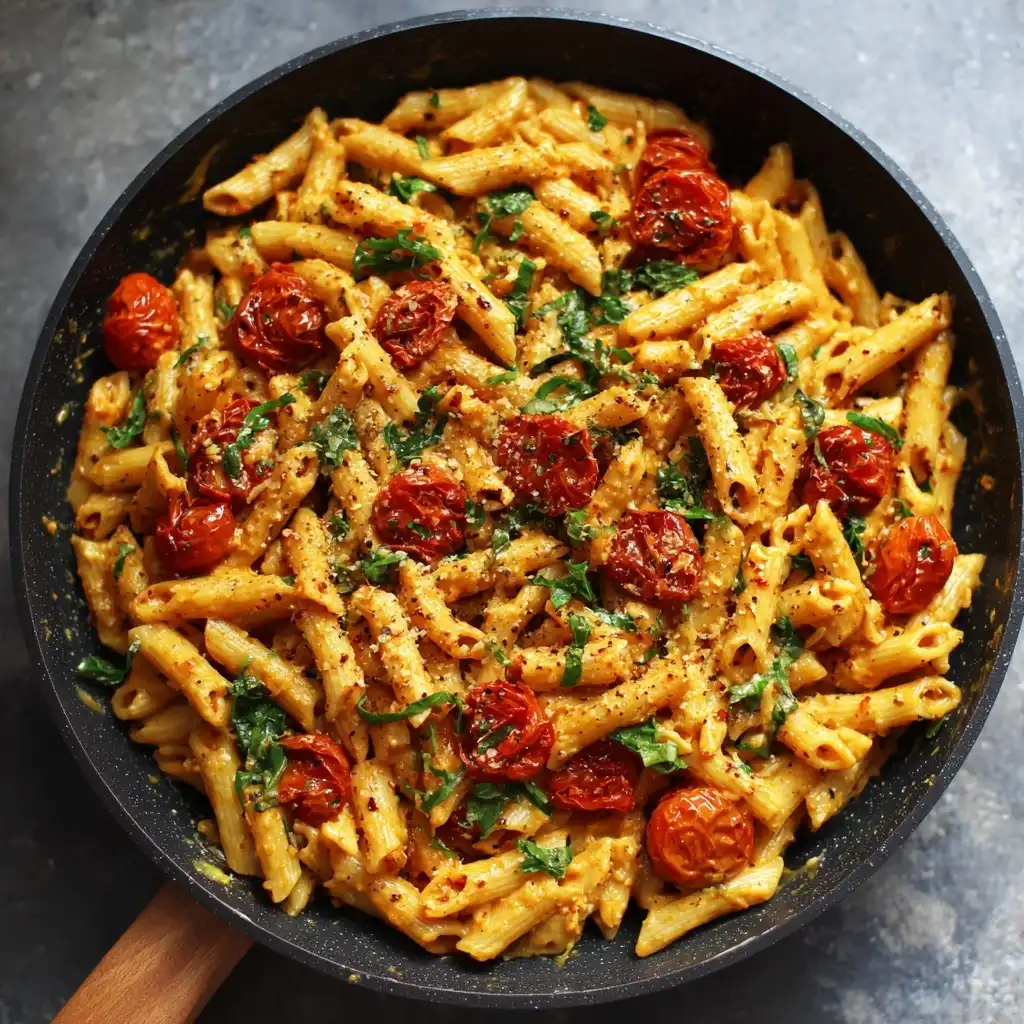
Creamy Roasted Tomato Pasta is a luxurious, deeply flavorful, and surprisingly approachable weeknight dish that transforms humble tomatoes into a rich, velvety sauce with caramelized sweetness, umami depth, and a whisper of smokiness—all elegantly bound by a luscious cream base. Unlike traditional tomato sauces that rely on long simmers or canned purées, this recipe celebrates the magic of roasting: intensifying natural sugars, concentrating acidity, and developing complex layers of flavor through gentle, dry heat. Tossed with tender-crisp pasta and finished with fresh herbs, sharp cheese, and a drizzle of high-quality olive oil, it strikes the perfect balance between rustic comfort and refined elegance—ideal for impressing guests or treating yourself to something special without hours in the kitchen. Whether you’re a seasoned home cook or just beginning your culinary journey, this dish offers both satisfaction and flexibility, inviting creativity while delivering consistent, restaurant-worthy results.
The History
The origins of roasted tomato pasta are rooted not in a single documented moment, but in the slow, sun-drenched evolution of Mediterranean cooking traditions—where tomatoes, introduced to Europe from the Americas in the 16th century, were initially met with suspicion before becoming foundational to Italian, Spanish, and Provençal cuisines. Roasting vegetables as a preservation and flavor-enhancement technique predates modern ovens: ancient Romans used clay ovens; medieval cooks employed hearth roasting; and Southern Italian nonne would slow-roast plum tomatoes on rooftops under the August sun to make dense, sweet concentrato di pomodoro. The creamy iteration—as distinct from classic aglio e olio, amatriciana, or arrabbiata—gained wider popularity in the late 20th and early 21st centuries, influenced by California farm-to-table movements, Australian café culture’s love of creamy, textural pastas, and the global rise of “elevated comfort food.” Chefs like Alice Waters (who championed heirloom tomato roasting at Chez Panisse) and Massimo Bottura (who explored caramelization as alchemy in Osteria Francescana) helped reframe roasting not as mere preparation, but as an essential flavor-building step. Today’s Creamy Roasted Tomato Pasta reflects this confluence—honoring tradition while embracing modern techniques, accessibility, and dietary inclusivity (with vegan, dairy-free, and gluten-free adaptations now commonplace).
Ingredients Breakdown
Every component in this recipe plays a deliberate role—not just in taste, but in texture, aroma, chemistry, and mouthfeel:
- Roma or San Marzano Tomatoes (1.5–2 lbs / ~700–900g): Low-moisture, high-pulp varieties ideal for roasting—they caramelize beautifully without turning watery, yield thick flesh, and offer balanced acidity and sweetness. San Marzano DOP-certified tomatoes provide unparalleled depth, but high-quality Romas are excellent and more accessible.
- Extra-Virgin Olive Oil (¼ cup + extra for finishing): Not just fat—it carries polyphenols that protect against oxidation during roasting, contributes fruitiness and peppery finish, and emulsifies with the tomato juices to create silkiness. Use a robust, mid-range EVOO for roasting; reserve a delicate, floral one for finishing.
- Garlic (6–8 cloves, unpeeled): Roasting whole, unpeeled cloves transforms sharp raw garlic into mellow, nutty, almost buttery nuggets that melt into the sauce—adding body without bite. The skin protects against burning and traps steam for even softening.
- Red Onion (½ medium, sliced into ½-inch wedges): Adds natural fructose for deeper browning and subtle sweetness, plus sulfur compounds that enhance savory complexity when roasted alongside tomatoes.
- Fresh Herbs (4–5 sprigs each of rosemary and thyme): Their woody stems release aromatic terpenes (like cineole and thymol) under heat—infusing the roasting pan with fragrance that permeates the tomatoes and oil. Stems (not just leaves) are key for slow, steady diffusion.
- Sea Salt (1½ tsp kosher or flaky sea salt, divided): Draws out moisture early, concentrates flavor, and aids in Maillard reactions. Coarse salt adheres better to uneven surfaces and dissolves gradually during roasting.
- Black Pepper (1 tsp freshly cracked): Piperine—the active compound—enhances bioavailability of lycopene (a potent antioxidant abundant in cooked tomatoes), making this both delicious and nutritionally strategic.
- Heavy Cream or Full-Fat Coconut Milk (¾ cup): Provides richness, mouth-coating texture, and temperature stability. Heavy cream adds dairy sweetness and fat-soluble flavor carry; coconut milk delivers vegan creaminess, subtle tropical notes, and lauric acid for antimicrobial benefits.
- Pasta (12 oz / 340g dried spaghetti, bucatini, casarecce, or pappardelle): Shape matters: long strands capture sauce; ridged or twisted shapes (like casarecce) trap roasted bits; wide ribbons (pappardelle) support hearty textures. Opt for bronze-die extruded pasta for superior sauce adhesion.
- Fresh Basil (½ cup loosely packed leaves, plus extra for garnish): Added off-heat to preserve volatile oils (linalool, eugenol) responsible for its bright, sweet-anise aroma—lost if cooked too long.
- Grated Cheese (½ cup grated Parmigiano-Reggiano or Pecorino Romano): Adds glutamic acid for umami “boost,” calcium for binding, and crystalline crunch. Authentic Parmigiano contains naturally occurring tyrosine crystals—tiny bursts of savory intensity.
- Balsamic Glaze or Aged Balsamic Vinegar (1 tbsp): A post-roast drizzle adds glossy sheen and a sophisticated tang—its acetic acid cuts richness while its residual sugars echo roasted tomato sweetness.
- Optional Enhancements: Toasted pine nuts or slivered almonds (for crunch and vitamin E); a pinch of red pepper flakes (capsaicin for metabolic stimulation); microgreens or edible flowers (for visual appeal and phytonutrient diversity).
Step-by-Step Recipe
- Preheat & Prep: Position oven rack in the upper third. Preheat oven to 400°F (200°C). Line a large rimmed baking sheet with parchment paper—no greasing needed, as the olive oil will coat the surface.
- Prepare Vegetables: Core tomatoes and cut in half lengthwise. Gently squeeze out excess seeds and gel (optional but recommended for thicker sauce—reserve seeds/gel for vegetable stock). Arrange cut-side up on the baking sheet. Scatter red onion wedges and unpeeled garlic cloves around them. Tuck rosemary and thyme sprigs throughout.
- Season & Oil: Drizzle evenly with ¼ cup extra-virgin olive oil. Sprinkle with 1 tsp kosher salt and all the black pepper. Gently toss with hands or a spatula to coat—but avoid breaking tomatoes.
- Roast to Perfection: Roast 45–55 minutes, rotating pan halfway, until tomatoes are deeply shrunken, edges are blistered and darkened, skins are puckered and slightly charred in spots, and garlic cloves are golden-brown and yielding to gentle pressure. The onions should be tender and translucent with caramelized tips. Total time varies based on tomato ripeness and oven accuracy—look for visual cues, not just the clock.
- Cool Slightly & Scoop: Remove from oven and let cool 10 minutes. Carefully scoop tomatoes, onions, garlic, and herb stems into a high-powered blender or food processor. Discard tough herb stems (but keep any tender leaves clinging to them). Reserve 2–3 tbsp of the fragrant roasting oil from the pan.
- Blend Smoothly: Add reserved roasting oil, remaining ½ tsp salt, and ½ cup of the heavy cream (or coconut milk). Blend on low, then increase to high for 60–90 seconds until completely smooth and velvety—scraping sides once. For ultra-luxurious texture, pass through a fine-mesh sieve to remove any fibrous bits or garlic skin fragments.
- Cook Pasta Al Dente: While sauce blends, bring a large pot of well-salted water (2 tbsp Diamond Crystal or 1 tbsp Morton per gallon) to a rolling boil. Add pasta and cook 1–2 minutes less than package instructions—timing is critical for perfect absorption later.
- Finish the Sauce: Pour blended sauce into a large, deep skillet or Dutch oven over medium-low heat. Stir gently and warm through (3–4 minutes)—do not boil, as cream may separate. Taste and adjust seasoning: add more salt, a splash of lemon juice for brightness, or a pinch of sugar only if tomatoes were overly acidic.
- Combine & Emulsify: Drain pasta, reserving 1 cup of starchy cooking water. Add hot pasta directly to the warm sauce. Toss vigorously over low heat for 1–2 minutes, adding splashes of reserved water (¼ cup at a time) to create a cohesive, glossy emulsion that clings to every strand. The starch + fat + acid creates a stable, restaurant-style texture.
- Final Flourishes: Remove from heat. Fold in fresh basil leaves, grated cheese, and remaining ¼ cup cream (or coconut milk). Drizzle with balsamic glaze and a final swirl of premium olive oil. Garnish with flaky sea salt, freshly cracked black pepper, and additional basil or microgreens.
Tips
- Tomato Selection Matters: Choose ripe-but-firm Roma, San Marzano, or Amish Paste tomatoes. Overripe ones collapse too quickly; underripe lack sweetness. If using cherry tomatoes, roast them whole at 425°F for 20–25 minutes—they’ll burst and caramelize faster.
- Don’t Skip the Squeeze: Removing excess seed gel prevents a watery sauce—even after roasting, that liquid won’t evaporate fully and dilutes flavor. Save it for soups or sauces!
- Roast Until You Smell Heaven: When the kitchen fills with deep, jammy, slightly smoky-sweet aromas—and the tomatoes look like they’ve been kissed by fire—you’re there. That scent signals optimal lycopene conversion and sugar caramelization.
- Blending Temperature Tip: Let roasted mixture cool just enough to handle—but blend while still warm (not hot). Heat helps release volatile oils and improves emulsification with cream.
- Pasta Water Is Liquid Gold: Its starch content is essential for binding. Never rinse pasta for this dish—it washes away the glue that makes the sauce cling.
- Cheese Timing: Add cheese off-heat or at the very end. High heat causes casein proteins to clump, leading to graininess. Warm, not hot, = silky integration.
- Make-Ahead Magic: Roast tomatoes up to 5 days ahead and refrigerate in oil. Blend sauce up to 3 days ahead—reheat gently before combining with pasta. Freezes beautifully for up to 3 months (omit cream if freezing; add fresh when reheating).
- Low-Oil Option? Reduce olive oil to 2 tbsp and add 2 tbsp tomato paste before roasting—it boosts umami, thickens naturally, and adds roasted depth without extra fat.
- Acid Balance: If sauce tastes flat after blending, don’t reach for more salt first—try ½ tsp lemon juice or white wine vinegar. Acid lifts and defines flavors more effectively than salt alone.
- Texture Control: For chunkier sauce, pulse instead of blend—or stir in ¼ cup of finely chopped roasted tomato pieces after blending.
Variations and Customizations
- Vegan & Dairy-Free: Substitute full-fat coconut milk (canned, stirred well) or cashew cream (soaked raw cashews + water, blended ultra-smooth). Use nutritional yeast (2 tbsp) + 1 tsp white miso for cheesy umami. Top with toasted walnuts instead of cheese.
- Gluten-Free: Use certified GF pasta (brown rice, quinoa, or lentil-based work best—cook 30 seconds less than directed). Ensure balsamic glaze is GF (some contain barley malt vinegar).
- Protein-Packed: Add 1 cup cooked lentils (Puy or black), ½ lb sautéed Italian sausage (remove casing, brown well), or pan-seared shrimp (toss in at the end). For vegetarians, marinated and roasted chickpeas add fiber and crunch.
- Herb & Citrus Twist: Replace basil with 2 tbsp chopped mint + zest of 1 lemon added at the end. Or use dill and a splash of preserved lemon pulp for a Middle Eastern flair.
- Smoky Depth: Add ½ tsp smoked paprika or 1 chipotle in adobo (minced) to the roasting pan—or finish with a drop of liquid smoke (use sparingly!).
- Spicy Kick: Roast 1–2 de-seeded Fresno or jalapeño peppers alongside tomatoes—or stir in Calabrian chili paste (1–2 tsp) when warming the sauce.
- Umami Bomb: Stir in 1 tbsp tomato paste while warming sauce, or add 1 tsp soy sauce or tamari (GF) for fermented savoriness. Anchovy paste (½ tsp) dissolved in warm sauce adds invisible depth—vegetarians can use dried porcini powder.
- Summer Garden Edition: Fold in ½ cup blanched and chopped zucchini ribbons, fresh corn kernels (cut from cob), or cherry tomatoes roasted separately for contrast.
- Winter Comfort Version: Add ½ cup roasted butternut squash purée to the blended sauce for natural sweetness and creaminess—pairs beautifully with sage and walnut garnish.
- Restaurant Presentation: Serve in warmed shallow bowls. Swirl sauce first, nestle pasta in center, top with a quenelle of ricotta, micro basil, and a single perfect cherry tomato halved and fanned.
Health Considerations and Nutritional Value
Creamy Roasted Tomato Pasta is far more than indulgence—it’s a nutrient-dense, functional meal built on science-backed ingredients. At its core lies the tomato, transformed by roasting into a lycopene powerhouse: heat breaks down cell walls and converts lycopene from its cis- to trans-isomer form, increasing bioavailability by up to 300% compared to raw tomatoes. Lycopene—a potent carotenoid antioxidant—is linked to reduced risk of prostate cancer, improved cardiovascular health (lowers LDL oxidation), and UV skin protection. The olive oil enhances absorption—lycopene is fat-soluble, so pairing it with monounsaturated fats ensures maximal uptake. Garlic contributes allicin (anti-inflammatory, antimicrobial, blood-pressure-modulating), especially when roasted slowly, which preserves its beneficial sulfur compounds. Onions provide quercetin and prebiotic inulin, supporting gut microbiome diversity. Whole-grain or legume-based pasta adds resistant starch and B vitamins, while heavy cream supplies fat-soluble vitamins A, D, and K2—critical for bone and immune health. Even the optional balsamic glaze offers polyphenols like gallic acid and catechin, shown to improve insulin sensitivity. That said, mindful modifications support diverse needs: reducing cream lowers saturated fat; using coconut milk adds medium-chain triglycerides (MCTs) for sustained energy; skipping cheese accommodates lactose intolerance; and loading in greens (spinach, arugula folded in at the end) boosts folate, iron, and vitamin K. Portion awareness is key—1.5 cups cooked pasta + ½ cup sauce provides balanced macros (approx. 550–650 kcal, 25g protein, 18g healthy fat, 75g complex carbs, 8g fiber). This dish exemplifies the “Mediterranean paradox”: rich in flavor and fat, yet associated with longevity and reduced chronic disease—proof that pleasure and wellness coexist beautifully.
Ingredients
- 1.5–2 lbs (700–900g) ripe Roma or San Marzano tomatoes, cored and halved lengthwise
- ¼ cup (60ml) high-quality extra-virgin olive oil, plus more for finishing
- ½ medium red onion, cut into ½-inch wedges
- 6–8 garlic cloves, unpeeled
- 4–5 sprigs fresh rosemary
- 4–5 sprigs fresh thyme
- 1½ tsp kosher salt or flaky sea salt, divided
- 1 tsp freshly cracked black pepper
- ¾ cup (180ml) full-fat heavy cream or canned full-fat coconut milk
- 12 oz (340g) dried pasta (spaghetti, bucatini, casarecce, or pappardelle)
- ½ cup (50g) fresh basil leaves, plus more for garnish
- ½ cup (50g) freshly grated Parmigiano-Reggiano or Pecorino Romano
- 1 tbsp aged balsamic glaze or reduction
- Flaky sea salt and additional freshly cracked black pepper, for finishing
Directions
- Preheat oven to 400°F (200°C). Line a large rimmed baking sheet with parchment paper.
- Arrange tomato halves cut-side up on the prepared sheet. Scatter red onion wedges, unpeeled garlic cloves, and herb sprigs around them.
- Drizzle evenly with ¼ cup olive oil. Sprinkle with 1 tsp salt and all the black pepper. Gently toss to coat.
- Roast 45–55 minutes, rotating pan halfway, until tomatoes are deeply shrunken, blistered, and deeply colored, garlic is golden and soft, and onions are tender and caramelized.
- Let cool 10 minutes. Scoop tomatoes, onions, garlic, and herb leaves (discard tough stems) into a blender. Add reserved roasting oil, remaining ½ tsp salt, and ½ cup of the cream or coconut milk.
- Blend on high for 60–90 seconds until perfectly smooth. For ultra-smooth texture, strain through a fine-mesh sieve.
- Meanwhile, bring 4–6 quarts water to a rolling boil. Add 2 tbsp kosher salt. Cook pasta 1–2 minutes less than package directions until al dente. Reserve 1 cup starchy cooking water before draining.
- Warm blended sauce in a large skillet over medium-low heat (3–4 minutes). Do not boil.
- Add hot drained pasta to sauce. Toss vigorously over low heat, adding reserved pasta water ¼ cup at a time until sauce is glossy and clings to pasta.
- Remove from heat. Fold in fresh basil, grated cheese, remaining ¼ cup cream or coconut milk, and balsamic glaze.
- Divide into bowls. Finish with flaky salt, extra black pepper, a drizzle of olive oil, and additional basil.
FAQ
- Can I use canned tomatoes?
- Yes—but choose whole peeled San Marzano DOP tomatoes packed in tomato juice (not puree or water). Drain well, pat dry, and roast as directed. They’ll be less sweet than fresh but still deliver deep flavor. Avoid pre-seasoned or basil-infused varieties, as herbs burn easily.
- Why do you roast garlic unpeeled?
- Unpeeled roasting steams the cloves gently, preventing bitterness and creating a creamy, spreadable texture. Peeling beforehand risks drying or burning the exposed flesh. The skin is easily slipped off after roasting.
- My sauce is too thin. How do I fix it?
- Return to low heat and simmer uncovered 2–3 minutes while stirring. Alternatively, blend in 1 tbsp tomato paste or 2 tbsp grated raw carrot (it cooks down invisibly and adds natural thickening pectin).
- Can I make this ahead for meal prep?
- Absolutely. Roasted tomatoes and blended sauce refrigerate for 5 days or freeze for 3 months (omit cream if freezing; add fresh when reheating). Cook pasta fresh each time for best texture—reheat sauce, toss with hot pasta, and finish as directed.
- What’s the best pasta shape for this sauce?
- Long, sturdy shapes like spaghetti or bucatini allow the creamy sauce to wrap around each strand. Short, textured shapes like casarecce or campanelle trap roasted bits and cling exceptionally well. Avoid delicate pastas like angel hair—they’ll become mushy.
- Is this dish suitable for kids?
- Yes! Its natural sweetness, mild garlic, and creamy texture make it highly kid-friendly. Omit red pepper flakes and balsamic glaze for younger palates. Add finely grated carrots or spinach to the sauce for hidden veggies—blended seamlessly.
- Can I use a food processor instead of a blender?
- You can—but a high-speed blender yields smoother, silkier results. If using a food processor, blend in batches and scrape down sides frequently. Straining is highly recommended to ensure no grit or fibrous bits remain.
- How do I prevent the cream from curdling?
- Never boil the sauce after adding cream. Warm gently over low heat, and ensure the sauce isn’t overly acidic before adding dairy—if it tastes sharp, balance with a pinch of sugar or a splash of cream before incorporating the rest.
- What wine pairs best with this dish?
- A medium-bodied, high-acid red like Chianti Classico or Barbera complements the tomatoes’ brightness and cuts through the cream. For white lovers, try an oak-aged Vermentino or lightly chilled Rosé from Bandol—its structure stands up to richness without overwhelming.
- Can I add meat without changing the essence of the dish?
- Yes—add cooked, crumbled Italian sausage or pancetta to the roasting pan for the last 15 minutes. Or sear chicken thighs, slice thinly, and fold in at the end. Keep the focus on the roasted tomato base—meat should enhance, not dominate.
Summary
Creamy Roasted Tomato Pasta is a masterclass in transforming simple, seasonal ingredients through the alchemy of roasting—yielding a luxuriously smooth, deeply savory, and naturally sweet sauce that celebrates the tomato in its most concentrated, soul-satisfying form. With customizable variations, smart nutrition, and make-ahead ease, it’s a versatile, elegant, and deeply comforting dish that belongs in every home cook’s repertoire—equally at home on a Tuesday night or a celebratory Sunday supper.